
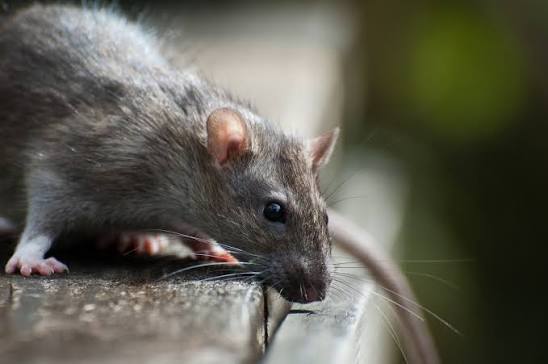
Hearing scratching inside a wall or finding droppings in a cabinet can make a homeowner focus on one immediate goal: getting the rodent out. Removing the animal is certainly important, but it does not always solve the reason it entered the house. If food, shelter, and open entry points remain available, another mouse or rat may simply take its place.
Successful pest control for rodents requires more than setting a trap and waiting. Homeowners working with Agile Pest Control or another qualified provider should look at how rodents entered, what attracted them, where they may be nesting, and which conditions could encourage future activity. Exclusion, sanitation, monitoring, and removal usually need to work together.
Rodents are often active when people are asleep or when rooms are quiet, so homeowners may notice evidence before seeing the animal itself.
Droppings are one of the most familiar signs. They may appear inside cabinets, behind appliances, along walls, or near stored food. Gnaw marks are another clue because rodents repeatedly chew materials as their teeth grow.
Scratching or movement inside ceilings and walls may become noticeable at night. Homeowners can also find shredded paper, fabric, insulation, or other soft material used for nesting.
Greasy marks can sometimes develop along routes rodents use repeatedly, especially near narrow gaps or walls.
One sign does not always reveal how many animals are present. A careful inspection is needed to understand where activity is concentrated and whether it is ongoing.
Catching a mouse can create the impression that the problem has been solved.
However, the more useful question is how the animal got inside.
A building with several open entry points can remain accessible even after the first rodent is removed. New animals may follow similar routes while searching for shelter or food.
There may also be more than one rodent already inside. Mice and rats can use wall cavities, attics, crawl spaces, cabinets, and storage areas that make them difficult to observe directly.
This is why successful rodent management involves both removal and investigation.
If sightings stop briefly and then begin again, homeowners should avoid assuming that traps simply need to be reset forever. Persistent activity often means that access points, food sources, or nesting conditions still need attention.
Rodents can use surprisingly small openings around a building.
Walk around the exterior and look closely at areas where different materials meet. Gaps around pipes, cables, utility lines, vents, doors, and siding can provide possible routes indoors.
Garage doors deserve attention because worn seals may leave spaces along the bottom corners. Exterior doors should close securely without large gaps underneath.
Rooflines can also provide entry routes. Openings around soffits, damaged vents, loose materials, or gaps created by construction changes may allow rodents into attic areas.
Foundation openings and crawl-space vents should be inspected for damage.
Avoid sealing every hole immediately if there is evidence of active animals inside. Closing the wrong opening at the wrong time can trap rodents within the structure instead of keeping them out.
Rodents do not need an overflowing trash bag to find enough food.
Crumbs beneath kitchen appliances, cereal spilled in a pantry, pet food left overnight, bird seed stored in thin bags, and food residue inside recycling containers can all attract activity.
Dry goods should be kept in containers that close securely when possible, especially if evidence of rodents has already appeared.
Pet food deserves particular attention. Large bags stored in garages or utility rooms can become accessible if rodents chew through the packaging.
Outdoor sources matter as well. Bird feeders, fallen fruit, compost, and improperly secured garbage may encourage animals to spend more time near the building.
Reducing these sources does not remove rodents that are already inside, but it makes the property less supportive of continued activity.
Rodents often choose areas that receive little human traffic.
Attics can provide insulation for nesting, while garages may contain cardboard boxes, stored fabrics, pet food, and other useful materials. Crawl spaces and utility areas can offer similar shelter.
Storage habits can make inspection easier or harder.
Boxes stacked tightly against walls create hidden spaces where droppings, gnawing, or nesting materials may go unnoticed. Leaving some inspection space around stored belongings makes signs easier to spot.
Plastic storage containers with fitted lids may be more practical than cardboard for items kept for long periods.
Homeowners should also check whether water is available. Leaking plumbing, condensation, pet bowls, or other moisture sources can make a sheltered space more attractive.
Exclusion is a major part of long-term rodent prevention, but timing matters.
Before closing suspected entry points, determine whether animals are still using them. Fresh droppings, repeated noises, new gnaw marks, or trap activity can suggest that rodents remain inside.
A pest control inspection from Agile Pest Control or another professional can help identify active routes and decide how exclusion should be coordinated with removal.
Materials used for sealing should be appropriate for the opening. Rodents can chew through some soft materials, so filling a gap with an easily damaged product may provide only temporary protection.
Larger structural openings may need proper repair rather than simple patching.
Once activity has been addressed, exterior checks should continue periodically because building movement, weather, and maintenance work can create new gaps.
Rodent droppings, nesting material, and contaminated surfaces should be handled thoughtfully.
Avoid sweeping dry droppings aggressively or disturbing dusty nesting material unnecessarily. Cleaning methods should follow appropriate health guidance, especially where large amounts of contamination are present.
Wear suitable protective equipment and keep children and pets away from affected areas during cleanup.
Discard food packages that have obvious chewing damage or contamination. Check nearby items carefully because rodents may move between shelves or containers.
Areas behind appliances, inside cabinets, and around stored belongings may need attention after the visible signs are removed.
If contamination is widespread, located in difficult-to-access areas, or involves insulation and large nesting sites, professional cleanup or additional guidance may be appropriate.
Traps can be useful, but placement matters.
Rodents often travel along walls and protected edges rather than crossing wide open areas. Evidence such as droppings or rub marks can help identify active routes.
Randomly placing traps in the middle of a room may miss the places animals actually use.
Homeowners should also consider safety when children or pets are present. Devices need to be positioned and used according to their instructions.
Trapping should not replace exclusion. If the building remains open to rodents, new animals can continue entering after others are removed.
The goal is not simply to keep catching rodents indefinitely. It is to reduce the population while closing access and removing conditions that make the property attractive.
Rodent problems deserve follow-up even after noises and sightings stop.
Check previously active areas for fresh droppings, new gnaw marks, disturbed food packages, or nesting material. Monitoring helps distinguish between an old sign and new activity.
Exterior entry points should also be reviewed. Repairs can loosen, doors can shift, and utility work can create new gaps.
This follow-up stage is an important part of pest control because the absence of one visible rodent does not confirm that every access route has been corrected.
When Agile Pest Control or another provider is involved, homeowners can share where earlier activity occurred and whether any new signs have appeared. A clear history makes recurring problems easier to investigate.
Rodent prevention does not stop at the exterior wall.
Dense vegetation, piles of debris, stacked lumber, unused equipment, and overgrown areas can create shelter near the house. Keeping these areas more open makes it harder for rodents to remain concealed.
Garbage should be stored in containers that close properly. Fallen fruit and spilled bird seed should be cleaned up rather than left as a regular food source.
Branches that provide direct access to roof areas may also deserve attention, depending on the property.
The objective is not to remove every plant or outdoor feature. It is to reduce unnecessary food and shelter immediately beside the structure.
A single mouse sighting does not always require extensive intervention. Repeated activity is different.
Professional evaluation may be useful when rodents return after trapping, noises continue inside inaccessible spaces, several entry points are present, or contamination has spread into insulation or difficult areas.
It can also help when homeowners are unsure whether the activity involves mice, rats, or another animal.
Identifying the animal matters because behavior, access routes, and control methods can differ.
A thorough inspection should focus on both current activity and the conditions allowing it to continue.
Rodent problems often return because removal addresses only one part of the situation. If the building still provides open entry routes, accessible food, water, and undisturbed shelter, another animal may eventually move into the same space.
Homeowners can reduce that risk by inspecting the exterior, securing food, improving storage, monitoring attics and garages, repairing suitable entry points, and checking previously active areas for new signs.
The most reliable approach combines removal with prevention. Rather than measuring success by whether one rodent was caught, look at whether the reasons it entered have been corrected. That broader view makes recurring activity easier to understand and gives homeowners a better chance of keeping rodents from returning.