
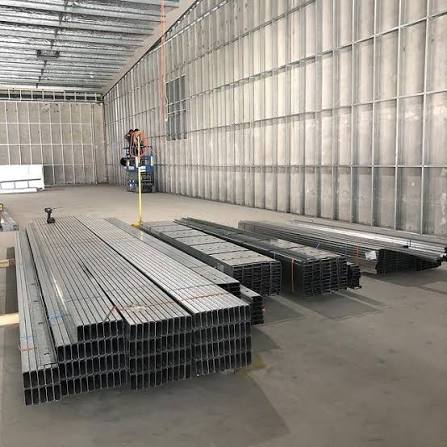
Price gets attention. Reliability wins the next ten orders, and that’s why good steel suppliers keep long-term customers without having to chase every single quote. Steel arrives late. The crane is booked. The crew is standing around.
The concrete crew is coming tomorrow, the engineer is waiting on site, and suddenly one missing beam throws the whole week sideways. We’ve seen enough construction projects to know that’s usually where the real cost shows up. Not on the invoice. In lost time.
That’s probably why industry estimates suggest more than 64% of repeat buyers stay with the same steel suppliers because of stock availability, dependable deliveries and technical support, not because they’re always the cheapest.
That makes sense. Most experienced builders have learnt this lesson the hard way. Saving a little on material doesn’t mean much if the job stops for two days waiting on steel.
People often blame transport. Sometimes that’s fair. But plenty of delivery headaches begin much earlier, before anything has even left the warehouse. A drawing changes. Measurements aren’t updated. Someone orders the wrong section. Lead times get guessed instead of confirmed.
Then everyone starts pointing fingers. Daniel Morris, a supply chain operations manager, summed it up nicely:
“Most delivery problems don’t start in the warehouse—they start when steel is ordered without clear specifications, realistic lead times, or accurate project quantities.”
Hard to argue with that. Good steel suppliers spend plenty of time asking questions before they start loading trucks, and while that might slow the first phone call by a few minutes, it often saves days later.
People assume one massive delivery is easier. Not always. Picture a busy commercial site. There’s limited room. Forklifts are moving. Trades are working everywhere. Stacking weeks’ worth of steel in one corner doesn’t always help. Sometimes it just creates another obstacle everyone has to work around.
That’s one reason industry estimates suggest around 69% of large steel orders now arrive in staged deliveries instead of one bulk shipment. Piece by piece. As the project moves.
Builders can install materials sooner, site storage stays under control, and there’s less handling before fabrication or installation begins.
We’ve noticed more steel suppliers working this way because construction schedules have become tighter and project managers don’t want materials sitting outside collecting dust if they don’t need them yet.
Years ago, plenty of buyers only wanted the steel. Now they want the paperwork too. Mill Test Certificates. Traceability records. Compliance documents.
According to current industry estimates, around 73% of commercial builders and fabricators request mill test certificates or traceability documents before approving structural steel deliveries.
That’s become pretty normal. Especially on commercial and infrastructure work. The steel still matters, obviously, but buyers also want proof showing exactly where materials came from and whether they meet project requirements.
That’s where experienced steel suppliers stand apart because they already know these documents will probably be requested. Nobody wants to spend Friday afternoon chasing paperwork while the site waits.
People ask this all the time. There isn’t one answer. Some projects need quick deliveries because changes happen every few days. Others need access to unusual grades, heavy plate or specialist sections that aren’t sitting in every warehouse.
Both options have their place. Here’s a simple comparison.
| Aspect | Local Steel Supplier | National Steel Supplier |
| Delivery response | Faster turnaround for urgent local orders and site deliveries | Broader distribution network but longer lead times on some regional projects |
| Product availability | Stocks common steel sections and regularly ordered products | Larger inventory with specialised grades, profiles and plate sizes |
| Customer support | Direct contact with local warehouse and sales teams | Dedicated account managers with wider technical resources |
Neither side wins every time. That’s why experienced contractors usually choose steel suppliers based on the project sitting in front of them rather than assuming one approach works for every build.
Most people walking onto a construction site won’t mention AS/NZS 5131. Even so, it’s sitting behind plenty of structural steel projects across Australia. The standard covers fabrication quality, welding, inspection and material traceability, giving builders and engineers a common reference point. Digital planning has changed things too.
Many fabricators now work with Tekla Structures, a building information modelling platform that helps coordinate detailing, quantities and fabrication before steel reaches site. Catching clashes early usually beats finding them when the crane is already waiting. Good Steel Suppliers fit into that process instead of working separately from it.
Funny thing. Nobody throws a party because a steel delivery arrived exactly when it was supposed to. That’s expected. What people remember is the supplier who answered the phone when plans changed. The one who found replacement stock after an unexpected design revision. The one who admitted a delay straight away instead of staying silent until the truck was already late. Those moments stick.
The best working relationships aren’t built over one project. They grow across years of jobs where problems get sorted without turning every issue into an argument.
That’s why many builders stop chasing a new quote every month. Once they’ve found steel suppliers who communicate honestly, deliver when they say they will and know how construction projects actually run, changing just to save a small amount rarely feels worth the gamble.
At the end of the day, steel is only one part of the job, but getting it wrong has a habit of affecting everything else. Timelines move. Trades wait around. Hire equipment costs more. Clients ask awkward questions.
That’s why dependable steel suppliers from NewGen Steel become more than companies delivering beams and plate. They become part of the way projects stay organised, and after enough successful jobs together, that kind of working relationship is usually worth far more than the lowest number on a quote.