
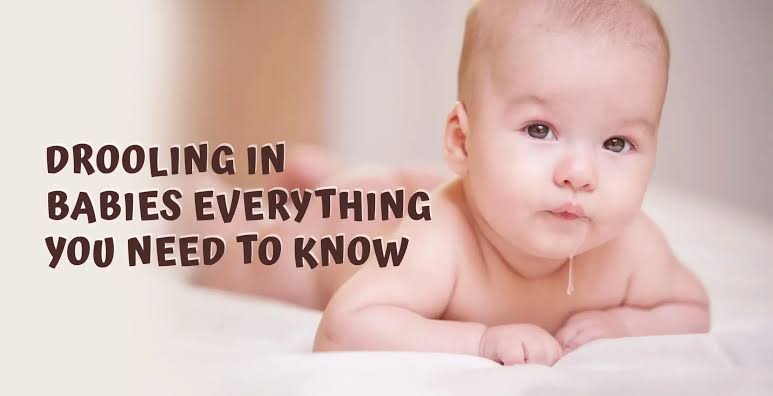
Why Is My 2-Month-Old Drooling So Much? If your 2-month-old’s chin, bib, and onesie collar are permanently damp, you’re not imagining things — and you’re not alone. Sudden, heavy drooling is one of the most common things parents notice in the second and third month of life, and it usually shows up seemingly overnight.
The short answer: at 2 months old, drooling is almost always a normal sign of development, not illness. Your baby’s salivary glands are ramping up saliva production faster than their tiny mouth muscles have learned to manage it.
Is it normal for a 2-month-old to drool a lot? Yes. Around 2–3 months, a baby’s salivary glands become significantly more active, but the muscles and reflexes needed to swallow saliva efficiently are still maturing. The result is visible drooling, especially when your baby is feeding, mouthing their hands, or lying on their back. This is developmental, not a sign of a problem, as long as your baby is feeding well, breathing normally, and gaining weight.
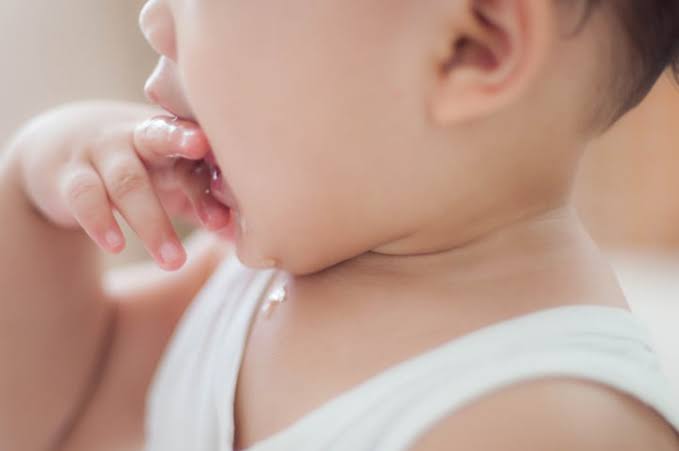
Drooling (the medical term is sialorrhea) happens when saliva builds up in the mouth faster than a baby swallows it, and spills past the lips. Babies are born with three pairs of salivary glands — the parotid, submandibular, and sublingual glands — that begin producing noticeably more saliva around 2 to 3 months of age.
Saliva isn’t just extra liquid. It:
So the drool puddle on your baby’s shirt is actually evidence that their body is developing exactly as it should.
This is the leading cause at 2 months. Saliva production increases, but babies can’t fully coordinate the swallow reflex until somewhere between 18 and 24 months. Until then, saliva often escapes rather than getting swallowed.
Around 2 months, babies start bringing fists and fingers to their mouth as a self-soothing behavior and an early way of exploring the world. Mouthing stimulates saliva flow, so a baby who’s constantly gnawing on their hands will usually drool more.
Lying flat on the back, or being propped in certain positions, makes it easier for pooled saliva to spill out of the corner of the mouth rather than being swallowed. This is a mechanical effect, not a health issue.
Sometimes drooling spikes around feeding time. A bottle nipple that flows too fast can cause milk and saliva to leak from the mouth; a flow that’s too slow can cause frantic sucking, which also increases saliva. If drooling is worst during and right after feeds, it may be worth reviewing latch, positioning, and nipple flow with your pediatrician or a lactation consultant.
Most babies don’t get their first tooth until 4–7 months, and some pediatric sources note that teething-related drooling can occasionally begin as early as 3 months. At 2 months specifically, teething is possible but less likely to be the main driver — normal saliva-gland development is the more common explanation. Genuine teething is usually accompanied by more than just drool (see the comparison table below).
Babies with gastroesophageal reflux may produce extra saliva as a natural, protective response to acid moving up from the stomach. If drooling is paired with frequent spit-up, arching during feeds, or fussiness after eating, mention this to your pediatrician.
A cold, oral thrush, a mouth sore, or a sore throat can temporarily increase drooling. This usually comes with other signs of being unwell, such as fussiness, poor feeding, or fever.
In a small number of cases, ongoing excessive drooling beyond the expected developmental window can be linked to low muscle tone or delayed oral-motor coordination. This is uncommon and is typically identified alongside other developmental signs — a pediatrician can evaluate this if you’re concerned.
| Sign | Normal 2-Month Drooling | Possible Teething | Needs a Pediatrician |
|---|---|---|---|
| Drool amount | Frequent, wets bibs/clothing | Frequent, may be heavier | Excessive, constant soaking |
| Gums | Normal | Swollen, puffy, red | Bleeding, very inflamed |
| Behavior | Content, occasionally fussy | Extra fussy, chewing on hands/objects | Inconsolable, lethargic |
| Feeding | Feeds well | Feeds well, may be slightly fussier | Refusing to feed, choking, gagging |
| Breathing | Normal | Normal | Noisy, labored, or interrupted |
| Fever | None | Teething does not cause true fever (100.4°F+) | Fever present |
| Skin | Mild wetness, occasional light rash | Similar, may worsen with more drool | Spreading rash, irritation not improving with care |
| Sleep | Typical for age | May be slightly disrupted | Significantly disrupted, distressed |
Most drooling at 2 months needs no treatment at all. Contact your baby’s doctor if you notice:
If your baby is otherwise feeding well, gaining weight, and generally content, heavy drooling by itself is not a reason for alarm.
| Age | What’s Typically Happening |
|---|---|
| Birth–6 weeks | Saliva production is still relatively low; drooling is minimal |
| 2–3 months | Salivary glands become significantly more active; drooling noticeably increases |
| 3–4 months | Hands-to-mouth exploration increases; some babies show earliest teething signs |
| 4–7 months | Most babies get their first tooth; drooling often continues alongside gum discomfort |
| 6–18 months | Drooling typically peaks as more teeth erupt and solids are introduced |
| 18–24 months | Swallowing control matures; drooling gradually decreases |
| 2–3 years | Drooling has usually resolved for most children during waking hours |
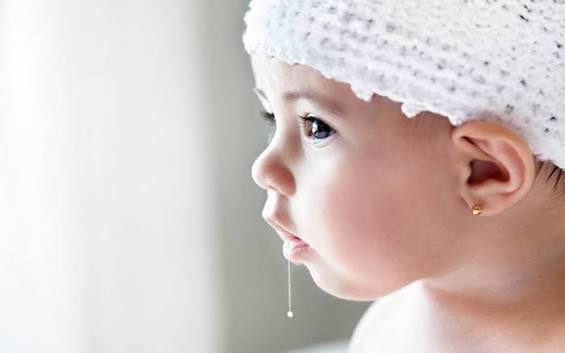
Yes. Increased saliva production combined with an immature swallow reflex makes heavy drooling a normal developmental stage around this age.
Salivary glands typically become more active around 2–3 months, so many parents notice a sudden jump in drooling during this window, even without any other changes.
Not usually. Most babies don’t get their first tooth until 4–7 months. Drooling alone, without swollen gums, gnawing, or extra fussiness, is more likely tied to normal saliva-gland development.
It’s uncommon but possible; some babies show early teething-related drooling around 3 months. Look for additional signs like gum swelling and increased chewing before assuming teething is the cause.
There’s no strict volume threshold. What matters more is whether your baby is feeding, breathing, and sleeping normally. Drooling that soaks clothing constantly is common and usually not concerning on its own.
Lying flat makes it easier for pooled saliva to spill from the corner of the mouth instead of being swallowed. This is a positional effect, not a medical issue.
Bringing hands to the mouth is a normal self-soothing and exploratory behavior at this age. The extra stimulation in the mouth increases saliva flow.
Yes, indirectly. A nipple flow that’s too fast or too slow can affect how efficiently your baby manages liquid and saliva during feeds.
It can be. Some babies produce extra saliva as a protective response to reflux. If drooling comes with frequent spit-up, arching, or feeding discomfort, mention it to your pediatrician.
A mild rash from prolonged skin dampness is common and usually resolves with regular wiping and a barrier cream. Persistent or spreading rash should be checked by your doctor.
Sialorrhea is the clinical term for saliva that spills from the mouth.
Yes. Oral irritation, thrush, or a cold can temporarily increase drooling, usually alongside other signs like fussiness or reduced feeding.
Drooling commonly peaks somewhere between 6 and 18 months, coinciding with active teething and the introduction of solid foods.
Most children largely stop drooling during waking hours by 2 to 3 years old, once swallowing control fully matures.
If your baby suddenly can’t breathe, is turning blue, or cannot make sounds, treat it as an emergency: call 911 (or your local emergency number) immediately and begin infant choking first aid if trained.
In rare cases, yes. Babies with low muscle tone or delayed oral-motor coordination may drool more than typical. This is usually identified alongside other developmental signs and should be evaluated by a pediatrician if suspected.
Not directly. Readiness for solids (usually around 6 months) is based on multiple signs — head control, sitting with support, and interest in food — not drooling alone.
In rare cases, drooling combined with other feeding or muscle-control difficulties can be linked to underlying neurological conditions. This is uncommon; a pediatrician can assess whether further evaluation is needed.
No. Pediatric and dental organizations advise against teething necklaces and bracelets because of choking and strangulation risks.
Over-the-counter topical teething gels with numbing agents are not recommended for infants. Always check with your pediatrician before giving any medication.
Crying, stimulation, and vigorous sucking can all temporarily change how a baby manages saliva, leading to more visible drooling afterward.
Occasional one-sided drooling related to head position is common. Persistent one-sided drooling paired with facial asymmetry should be mentioned to your pediatrician.
Keep the chin and neck dry with gentle patting, change wet bibs and clothing often, and apply a thin layer of a fragrance-free barrier cream.
It can occasionally cause minor discomfort, but drooling alone is not a common cause of significant sleep disruption. Persistent sleep disturbance is worth discussing with your pediatrician.
See your pediatrician if drooling is paired with fever, breathing difficulty, choking, feeding refusal, poor weight gain, or a rash that doesn’t improve with basic skin care.
A 2-month-old drooling more than expected is, in almost every case, a completely normal sign that your baby’s salivary glands are maturing faster than their swallowing skills. It’s rarely about teething this early, and it’s very rarely a medical concern on its own.
Keep an eye on the bigger picture — feeding, breathing, weight gain, and overall comfort — and use simple skin care to manage the mess in the meantime. If anything outside the “normal” pattern shows up, your pediatrician is always the right next call.