
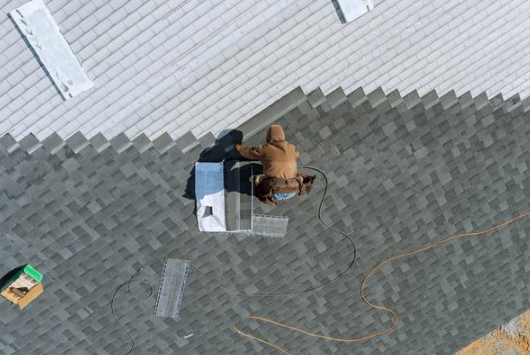
Replacing a roof is a major home improvement project that requires careful planning, the right materials, and a qualified contractor. Before starting the project, homeowners should understand the condition of their current roof, compare material options, set a realistic budget, and know what to expect during the installation process.
A new roof is one of the best investments you can make in your home. It improves protection against the elements, enhances curb appeal, and can even increase property value. Taking time to prepare before replacing your roof helps ensure the project runs smoothly and delivers long-lasting results.
Many homeowners wait until leaks or visible damage become severe before considering a replacement. However, planning ahead often leads to better decisions and fewer unexpected expenses. Working with experienced professionals such as Vault Roofing can help you evaluate your roof, choose suitable materials, and complete the project with confidence.
Not every damaged roof needs to be replaced. In some cases, repairing a few shingles or replacing damaged flashing may be enough to restore the roof’s performance.
A professional inspection can determine whether your roof has reached the end of its service life or if targeted repairs are still a practical option.
Roofing materials vary in durability, appearance, maintenance needs, and cost. Selecting the right material depends on your home’s design, local climate, and long-term goals.
Some common roofing options include:
Understanding the advantages and maintenance requirements of each option will help you make an informed decision.
Roof replacement involves more than installing new shingles. Contractors may also inspect and replace damaged decking, flashing, underlayment, ventilation components, and other roofing materials if necessary.
Knowing what is included in the estimate helps prevent misunderstandings and unexpected costs once the project begins.
Proper attic ventilation is an important part of every roofing system. Without adequate airflow, heat and moisture can build up beneath the roof, leading to mold, wood rot, higher energy bills, and premature deterioration of roofing materials.
A roof replacement is an excellent opportunity to improve ventilation if needed.
Roof replacement can be noisy and may temporarily affect your daily routine. Preparing your home ahead of time can make the process more manageable.
Consider these simple steps:
A little preparation helps ensure a safer and smoother project.
Roofing warranties can vary depending on the manufacturer and the contractor. Before the project begins, ask what warranties are available for both the roofing materials and the installation work.
Understanding your warranty coverage provides peace of mind and helps you know what is protected if issues arise in the future.
The quality of the installation is just as important as the materials you choose. A skilled roofing contractor should have experience with your preferred roofing system, provide a detailed written estimate, communicate clearly throughout the project, and answer your questions before work begins.
Choosing a reputable contractor can help prevent installation errors that may shorten the life of your new roof.
Even after installing a new roof, regular maintenance remains essential. Schedule routine inspections, clean gutters, remove debris, and address minor issues promptly to maximize your roof’s lifespan.
Preventive maintenance protects your investment and helps your new roof perform well for many years.