

Why does my burp smell like rotten eggs? In most cases, it comes down to a gas called hydrogen sulfide building up in your digestive tract.
This condition, often called a sulfur burp, happens when bacteria in your gut break down certain foods and release a distinct rotten egg odor. It can be triggered by something as simple as last night’s dinner or, in some cases, an underlying digestive issue.
A sulfur burp is a burp that carries a distinct rotten egg smell instead of the usual odorless release of air. The smell comes from a specific gas your body produces during digestion.
Most regular burps are simply swallowed air escaping back up through the esophagus. Sulfur burps are different because they originate deeper in the digestive process.
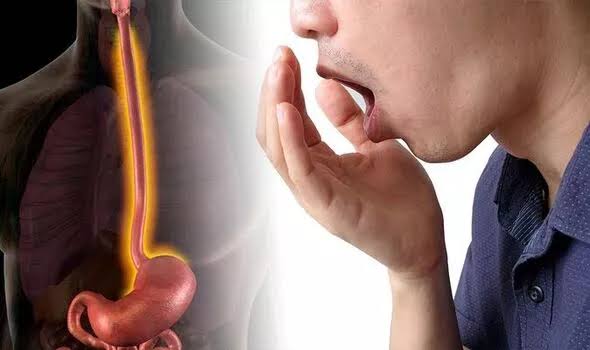
The rotten egg odor is caused by hydrogen sulfide gas, a byproduct created when bacteria break down food in your gut. This gas forms as part of normal digestion, but excess amounts create a much stronger smell.
Bacteria in the mouth and digestive system break down food into new compounds, and hydrogen sulfide is one of these byproducts. Occasional production is completely normal.
Burping itself is extremely common and healthy. People burp between 13 and 21 times a day on average, and most of those burps have no smell at all.
Sulfur burps stand out because of their odor, not their frequency. A single smelly burp usually isn’t a concern, but a repeated pattern is worth paying attention to.
There are several overlapping reasons hydrogen sulfide builds up in your gut. Diet is the most common cause, but medical conditions and medications can also play a role.
Certain foods contain naturally high levels of sulfur compounds, which bacteria convert into hydrogen sulfide during digestion. Eating a lot of these foods in one sitting often leads to smelly burps a few hours later.
| Food Category | Examples |
|---|---|
| Cruciferous vegetables | Broccoli, cauliflower, cabbage, kale |
| Alliums | Garlic, onions, leeks |
| Dairy products | Milk, cheese, yogurt |
| Protein-rich foods | Eggs, red meat, processed meats |
| Legumes | Beans, lentils, chickpeas |
| Beverages | Beer, carbonated drinks |
Eating too quickly or not chewing food thoroughly can trap extra air in your digestive tract. This doesn’t directly cause the sulfur smell, but it does increase overall burping frequency, making any existing odor more noticeable.
An imbalance of gut bacteria can significantly raise hydrogen sulfide production. Certain bacterial populations specialize in breaking down sulfur-containing amino acids, which increases gas output well beyond normal levels.
An infection in the upper gastrointestinal tract caused by H. pylori bacteria may also cause problems such as bloating, heartburn, and sulfur burps. This bacterial infection directly produces hydrogen sulfide as part of its activity in the stomach.
People with heartburn, or acid reflux, often experience burping as a symptom of the condition. When stomach acid and gas repeatedly move upward, it can carry hydrogen sulfide along with it, creating a persistent odor.
Multiple GI conditions have been linked to a higher abundance of hydrogen sulfide in the digestive tract, with irritable bowel syndrome being one of the most common. IBS can disrupt normal gut bacteria balance and gas production.
SIBO occurs when bacteria migrate from the large intestine into the small intestine, causing premature fermentation of food and excessive gas production. Hydrogen sulfide SIBO specifically produces the malodorous gas as its primary byproduct.
A condition involving delayed stomach emptying allows food to sit and ferment longer than normal, encouraging bacterial gas production. This slower digestion process gives bacteria more time to generate hydrogen sulfide.
Fatty, greasy, or sulfur-rich foods may worsen burping symptoms in people taking certain medications. When food sits in the stomach for an extended period, it can release sulfur-containing gases, which is why some people on weight-loss medications like semaglutide notice more sulfur burps.
| Cause | How It Contributes |
|---|---|
| High-sulfur diet | Provides raw material for hydrogen sulfide |
| Eating too fast | Increases overall gas and burping |
| Bacterial imbalance | Raises hydrogen sulfide production |
| H. pylori infection | Directly produces sulfur gas in the stomach |
| GERD | Pushes gas and acid upward repeatedly |
| IBS | Alters gut bacteria and gas levels |
| SIBO | Causes bacterial fermentation in the small intestine |
| Delayed stomach emptying | Extends fermentation time |
| GLP-1 medications | Slows digestion, allowing gas buildup |
Occasional sulfur burps after a big meal are rarely a concern. But certain patterns and accompanying symptoms suggest it’s time to pay closer attention.
If a person is experiencing sulfur burps more than three times per week, they should speak with a doctor, as this may be a sign of a medical condition that needs treatment. Occasional episodes tied to specific meals are usually harmless.
Sulfur burps paired with other digestive symptoms are more likely to point to an underlying condition rather than diet alone. These combinations deserve closer medical attention.
| Accompanying Symptom | Possible Concern |
|---|---|
| Frequent diarrhea | Infection or IBS |
| Blood in stool | Needs urgent evaluation |
| Severe abdominal pain | GERD, ulcer, or infection |
| Persistent vomiting | Gastroparesis or infection |
| Unexplained weight loss | Underlying GI condition |
| Burping more than 3x per week | Chronic digestive issue |
Sulfur burps combined with diarrhea often point toward a temporary infection or food-related issue rather than a chronic condition. Still, this combination should not be ignored if it persists.
If sulfur burps are occurring with diarrhea, blood in the stool, abdominal pain, or an inability to digest food, it may be a sign of infection that requires proper treatment. Left unaddressed, this can lead to dehydration and electrolyte imbalance.
People over 50 years of age, or those with weakened immune systems from conditions like AIDS, chemotherapy, or organ transplants, need to be especially careful with these combined symptoms. These groups should contact a doctor promptly rather than waiting it out.
Not every burp is created equal. Understanding the difference helps you figure out whether your symptom is diet-related or something more.
| Feature | Regular Burp | Sulfur Burp |
|---|---|---|
| Smell | Usually odorless | Rotten egg smell |
| Main gas | Nitrogen, oxygen, carbon dioxide | Hydrogen sulfide |
| Common cause | Swallowed air, carbonated drinks | Diet, bacteria, digestive conditions |
| Frequency concern | Rarely a concern | Concerning if frequent or persistent |
| Associated symptoms | Usually none | May include bloating, diarrhea, pain |
If your sulfur burps are frequent or paired with other symptoms, a doctor will likely start with a detailed history and physical exam. From there, targeted testing helps pinpoint the exact cause.
A doctor will perform a physical and medical history examination and may run diagnostics to identify what digestive issues might be behind persistent symptoms. This can include breath tests, stool tests, or blood work depending on suspected causes.
| Test | What It Checks For |
|---|---|
| Breath test | SIBO or bacterial overgrowth |
| Stool test | Infection or parasites |
| Blood test | H. pylori antibodies, inflammation markers |
| Endoscopy | GERD, ulcers, stomach lining issues |
Treatment depends heavily on the underlying cause, but several strategies work well across most situations. Diet adjustments are usually the first and most effective step.
Home remedies to help treat sulfur burps include avoiding certain foods such as dairy products, cruciferous vegetables, and some meats. Cutting back gradually rather than all at once often makes the transition easier.
Eating too fast increases the amount of air you swallow and the amount of gas you produce. Slowing down at meals and chewing food fully can noticeably reduce burping frequency.
Drinking plenty of water helps flush toxins from the body and supports smoother digestion overall. Warm water with lemon or ginger can also have a calming effect on the stomach.
Ginger has anti-inflammatory properties and works well on the digestive system, often reducing gas after a single cup of tea. Green tea may also promote digestion and support the body’s natural detox processes.
Simethicone helps excess gas pass through your digestive system more quickly and comfortably. Bismuth subsalicylate treats an upset stomach and can directly neutralize hydrogen sulfide gas, reducing the rotten egg smell.
| Remedy | How It Helps |
|---|---|
| Simethicone (Gas-X) | Breaks up trapped gas bubbles |
| Bismuth subsalicylate (Pepto-Bismol) | Neutralizes hydrogen sulfide gas |
| Ginger tea | Calms digestion, reduces gas |
| Probiotics | Restores healthy gut bacteria balance |
| Antacids | Reduces acid reflux-related burping |
| Baking soda water | Neutralizes stomach acid short-term |
Probiotics containing good bacteria can help promote healthy digestion and replace bacteria responsible for producing excess sulfur gas. Yogurt and fermented foods are simple dietary sources of probiotics.
Sulfur burps can be caused by stress in addition to diet-related triggers. Stress management techniques like deep breathing or light exercise can help regulate digestion over time.
Prevention focuses on reducing your intake of trigger foods while supporting overall gut health. Small, consistent changes tend to work better than drastic diet overhauls.
Staying upright after eating and avoiding lying down can help food move through your system more efficiently. This reduces the chances of gas and acid backing up into the esophagus.
Sodas and sparkling water add extra gas to your stomach, which can increase burping overall. Cutting back on these drinks, especially with meals, often brings noticeable relief.
| Habit | Why It Helps |
|---|---|
| Eat smaller, slower meals | Reduces swallowed air and gas buildup |
| Limit high-sulfur foods | Lowers hydrogen sulfide production |
| Stay upright after eating | Prevents gas and acid backflow |
| Avoid carbonated drinks | Reduces overall gas volume |
| Manage stress levels | Supports normal digestion |
| Stay hydrated | Aids smoother digestive function |
Most sulfur burps are harmless and tied directly to diet. However, certain warning signs mean it’s time to get a professional opinion rather than waiting things out.
If you notice sulfur burps happening more than three times a week, or they come with stomach pain, diarrhea, or vomiting, it is time to see a doctor. Getting a proper diagnosis early can prevent complications and speed up relief.
Depending on the underlying cause, treatment may include dietary changes, antacids, antibiotics for infections like H. pylori, or medications like simethicone and bismuth subsalicylate. Doctors may also order tests to rule out chronic conditions like SIBO, GERD, or IBS.
Your gut is home to trillions of bacteria, and a small portion of them specialize in breaking down sulfur compounds. Understanding this process explains why some people burp sulfur far more often than others.
Certain bacteria break down cysteine and methionine from protein-rich foods, which can dramatically increase hydrogen sulfide production. These sulfur-reducing bacteria are a normal part of gut flora, but their activity level varies from person to person.
Two people can eat the exact same meal, and only one will experience sulfur burps. This usually comes down to individual differences in gut bacteria composition, stomach acid levels, and how quickly food moves through the digestive tract.
| Factor | Effect on Sulfur Burps |
|---|---|
| Gut bacteria balance | Higher sulfur-reducing bacteria increases risk |
| Stomach acid levels | Low acid can slow digestion and raise gas |
| Digestive speed | Slower transit allows more fermentation |
| Diet composition | High-protein, high-sulfur diets increase risk |
| Hydration levels | Poor hydration can worsen digestion |
Certain groups of people report sulfur burps more frequently due to lifestyle, medication, or dietary patterns. Recognizing these patterns can help identify the most likely cause faster.
Diets heavy in red meat, eggs, and dairy provide plenty of raw material for hydrogen sulfide production. Reducing portion sizes of these foods, rather than cutting them out completely, often helps.
Rapid weight loss, whether from dieting or medication, can shift eating patterns toward more raw vegetables, salads, and greasy foods, all common sulfur burp triggers. This is especially common in the early stages of a new weight-loss routine, before the body adjusts.
Anyone already diagnosed with GERD, IBS, or SIBO is more likely to experience recurring sulfur burps as part of their broader symptom pattern. In these cases, treating the underlying condition is usually more effective than diet changes alone.
If diet is the main driver behind your sulfur burps, adjusting what and how you eat for a few days can help confirm the connection. This is not a strict medical diet, just a practical starting point.
Cut back on cruciferous vegetables, garlic, onions, eggs, red meat, and dairy for three to five days. Pay attention to whether your symptoms improve during this window.
Focus on easily digestible foods like rice, bananas, plain toast, and lean proteins in smaller portions. These foods place less strain on digestion and produce less gas overall.
| Reduce Temporarily | Favor Instead |
|---|---|
| Broccoli, cauliflower, cabbage | Rice, potatoes, plain toast |
| Garlic, onions | Mild herbs like basil or parsley |
| Eggs, red meat | Lean chicken, small portions |
| Dairy products | Lactose-free alternatives |
| Beer, soda | Water, herbal tea |
Beyond diet, everyday habits play a meaningful role in how often you experience sulfur burps. Building a few consistent routines can reduce symptoms over time.
A short walk after eating can support digestion and reduce the likelihood of gas building up. Avoid lying down immediately after a meal, since this can encourage reflux and trapped gas.
Tracking meals alongside symptoms for a couple of weeks can reveal patterns you might otherwise miss. This is especially useful before a doctor’s visit, since it gives them concrete information to work with.
| Habit | Benefit |
|---|---|
| Walk 10 minutes after meals | Supports digestion, reduces gas |
| Track meals and symptoms | Identifies personal trigger foods |
| Eat at consistent times | Regulates digestive rhythm |
| Limit late-night eating | Reduces overnight fermentation |
| Practice mindful eating | Reduces swallowed air |
This is usually caused by hydrogen sulfide gas from digesting certain foods. Cruciferous vegetables, eggs, and dairy are common triggers.
Occasional sulfur burps are typically harmless and diet-related. Frequent episodes, more than three times a week, may signal an underlying digestive issue.
Yes, stress can disrupt normal digestion and contribute to gas buildup. Managing stress often reduces burping frequency alongside dietary changes.
Broccoli, cauliflower, garlic, onions, eggs, and dairy products are the most common triggers. Beer and processed meats can also contribute.
Diet-related sulfur burps typically resolve within a day as the trigger food digests fully. Persistent burps lasting longer may point to a medical cause.
Yes, H. pylori infection is a known cause of sulfur burps. This is more likely if burping is paired with bloating or stomach pain.
They can, especially if symptoms appear suddenly after eating. Persistent cases should be evaluated by a doctor to rule out infection.
Simethicone and bismuth subsalicylate are the most commonly used over-the-counter options. Antacids can also help if acid reflux is a contributing factor.
Yes, GLP-1 medications like semaglutide can slow stomach emptying. This allows food to ferment longer, increasing sulfur gas production.
No, daily sulfur burps are not considered typical and should be discussed with a doctor. This pattern often points to a digestive condition rather than diet alone.
So, why does your burp smell like rotten eggs? In most cases, it’s hydrogen sulfide gas produced when gut bacteria break down sulfur-rich foods like eggs, garlic, broccoli, or dairy. Eating too fast, carbonated drinks, and stress can all make the problem more noticeable.
Occasional sulfur burps are completely normal and usually resolve on their own within a day. But when they happen more than three times a week, or come with diarrhea, abdominal pain, or vomiting, they may point to conditions like GERD, IBS, SIBO, or an H. pylori infection.
Simple changes like eating slower, limiting trigger foods, staying hydrated, and trying remedies like ginger tea or simethicone often bring quick relief. If symptoms persist despite these changes, seeing a doctor for proper diagnosis is the safest next step in 2026.