
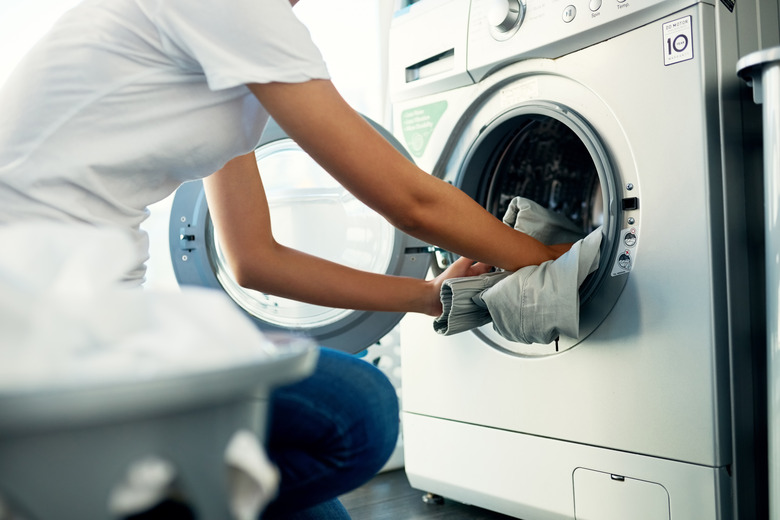
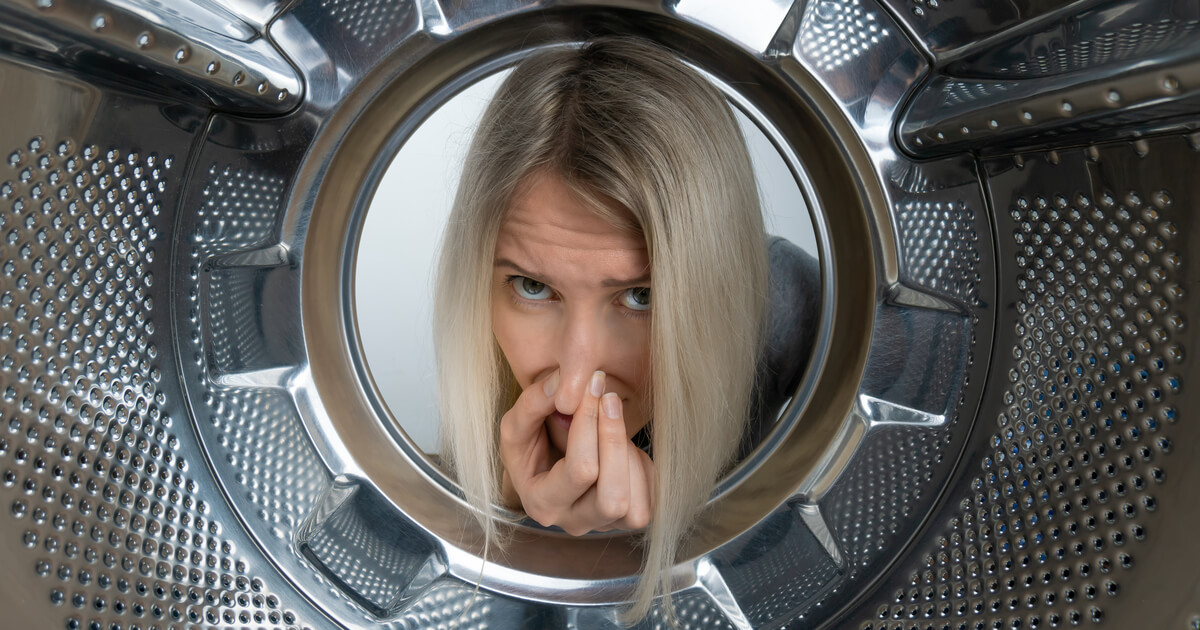
Why does my washer smell like rotten eggs is one of the most common laundry room complaints homeowners search for. That sulfur-like odor can hit you the moment you open the lid or door, and it often gets worse right after a wash cycle finishes.
The good news is that this smell almost always has a fixable cause. It is usually linked to trapped water, bacteria, mold, or a buildup of detergent residue somewhere inside the machine.
Because so many possible causes produce a nearly identical smell, it helps to work through them systematically rather than guessing. Doing so saves both time and unnecessary cleaning product purchases.
A rotten egg odor is almost always a sign of sulfur-producing bacteria. These bacteria thrive in damp, dark, and warm environments, which describes the inside of a washing machine perfectly.
Standing water, leftover detergent, and fabric softener residue all create the perfect food source for this bacteria. Once it builds up, the smell can spread from the drum into your clothes and even your laundry room air.
In rarer cases, the smell has nothing to do with the washer itself. Sewer gas, well water, or a water heater issue can also produce the exact same sulfur smell.
Several different issues can produce a nearly identical odor. Here is a quick overview before we break each one down.
| Cause | Most Common In |
|---|---|
| Mold and mildew buildup | Front-load washers |
| Detergent residue | HE washers using regular detergent |
| Dirty door seal | Front-load washers |
| Clogged drain hose | Both top and front load |
| Sewer gas backup | Older plumbing systems |
| Sulfur bacteria in water | Well water homes |
| Water heater anode rod | Hot water lines |
| Standing water in pump | Both washer types |
Moisture trapped inside the drum creates an ideal breeding ground for mold and mildew. This is especially common in washers that are closed up right after every cycle.
Over time, this buildup produces a musty, sulfur-like smell. It can also transfer onto clean clothes if left untreated for too long.
Using too much detergent, or the wrong type for your machine, leaves behind a sticky residue. This residue collects in the drum, dispenser, and hoses over time.
That leftover residue becomes food for odor-causing bacteria. Switching to the correct detergent amount can noticeably reduce the smell within a few washes.
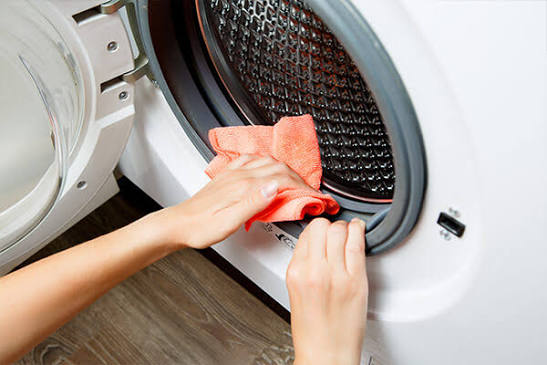
Front-load washers have a rubber gasket that traps small items and moisture. Socks, tissues, or coins can get stuck here and go unnoticed for weeks.
Once trapped, moisture combined with fabric or debris will start to smell. Wiping this seal after every wash prevents most of this buildup.
If your washer is not draining fully, water sits in the machine longer than it should. Standing water is one of the fastest ways to develop bacterial odor.
A kinked or clogged hose is often the hidden cause behind this. Straightening or clearing the hose can restore proper drainage almost immediately.
Sometimes the smell has nothing to do with the washer’s internal parts. If your drain line connects to a sewer system with a partial clog, gas can travel back up through the hose.
This type of smell is usually sudden and stronger than typical mold odor. It often requires a plumber to resolve the underlying blockage.
Homes on well water sometimes have naturally occurring sulfur bacteria in their water supply. This bacteria produces hydrogen sulfide gas, which smells exactly like rotten eggs.
If the smell appears in other faucets too, your water supply is likely the source. A water treatment system may be needed to fully resolve this.
Hot water heaters contain an anode rod that can react with certain water types and produce sulfur odor. If your washer only smells during hot water cycles, this could be the cause.
Replacing the anode rod with a different metal type often eliminates this smell completely. This is a common and often overlooked cause.
Even a small amount of leftover water in the pump housing can start to smell over time. This is common in machines that are rarely deep cleaned.
Running a hot water cleaning cycle regularly helps flush this stagnant water out. Ignoring it allows the odor to intensify with every use.
The design of your washer affects which causes are more likely. This comparison highlights the most common triggers for each type.
| Washer Type | Common Odor Trigger |
|---|---|
| Front-load | Door seal buildup and trapped moisture |
| Front-load | Detergent residue from overuse |
| Top-load | Standing water in agitator base |
| Top-load | Fabric softener dispenser buildup |
| Both types | Clogged drain hose or pump |
| Both types | Water supply or plumbing issues |
Front-load washers are more prone to seal-related smells because of their airtight design. Top-load washers often develop odor around the agitator or dispenser instead.
If you need quick relief before your next load, a few simple steps can help immediately. These are not permanent fixes, but they reduce the smell fast.
Use a damp cloth with a mix of water and vinegar to wipe the seal and drum interior. This removes surface residue that is actively producing odor.
Closing the washer traps moisture and heat inside, which feeds bacteria growth. Leaving it open after each wash allows the drum to dry out faster.
Run the washer empty on the hottest setting to flush out lingering residue. This alone often noticeably reduces the smell within one cycle.
Remove the dispenser drawer and rinse it under hot water to clear built-up residue. This small step is frequently overlooked but makes a real difference.
For a smell that keeps returning, a full deep clean usually solves the problem. This process takes under an hour and requires only basic household items.
Doing this deep clean at the first sign of odor, rather than waiting weeks, keeps the buildup from spreading into fabric, hoses, and hard-to-reach areas of the machine.
| Step | Action |
|---|---|
| 1 | Set washer to hottest, largest load setting with no clothes |
| 2 | Add two cups of white vinegar to the drum |
| 3 | Run a complete wash cycle |
| 4 | Run a second cycle with one cup of baking soda |
| 5 | Wipe the seal, drum, and dispenser dry |
| 6 | Leave the door open to air dry fully |
This combination of vinegar and baking soda breaks down mineral buildup and neutralizes lingering odor. Repeating this monthly prevents the smell from building up again.
Disconnect the drain hose carefully and check for any visible clogs or kinks. A straightened, clear hose allows water to drain fully after every cycle.
Top-load washers often trap residue underneath the agitator base. Removing this cover occasionally and cleaning underneath prevents hidden buildup from developing.
Prevention is far easier than repeatedly deep cleaning an already smelly washer. A few small habit changes keep odor from returning long term.
Most of these habits take only a minute or two but make a noticeable difference within just a few weeks of consistent use.
Always follow the manufacturer’s recommended detergent amount for your load size. HE washers specifically need HE detergent to avoid excess suds and residue.
Make it a habit to leave the door or lid open after every wash. This single change prevents most future mold and mildew buildup.
A quick wipe of the door seal once a week removes moisture before it becomes a problem. This takes less than a minute but saves hours of deep cleaning later.
Most modern washers include a dedicated cleaning cycle setting. Running this monthly with a washing machine cleaner keeps bacteria levels low year-round.
Shot of a young woman doing her laundry at home
Some causes require professional help rather than a simple at-home fix. Knowing when to call in an expert saves time and prevents bigger problems later.
Recognizing these warning signs early can also help avoid unnecessary repair costs and repeated cleaning attempts that will not solve the underlying issue.
A sudden, overpowering rotten egg smell often points to a sewer line issue rather than washer maintenance. This usually needs a licensed plumber to inspect the drain system.
If sinks and showers also smell like sulfur, the water supply itself is likely the cause. A water treatment specialist can test and treat the issue.
Persistent drainage problems despite cleaning may point to a pump or motor issue. An appliance technician can diagnose and repair this safely.
If a deep clean does not reduce the smell at all, there may be a deeper mechanical or plumbing issue. Professional diagnosis prevents guessing and wasted effort.
This simple reference table helps you narrow down the cause based on when the smell occurs.
| When You Notice the Smell | Likely Cause |
|---|---|
| Only during hot water cycles | Water heater anode rod |
| Right after opening the door | Mold or mildew in seal |
| While the washer is draining | Drain hose or sewer gas |
| In every faucet in the house | Water supply issue |
| Only in dirty clothes after washing | Detergent residue buildup |
Certain washer brands and models are more prone to odor complaints than others. This is usually tied to design features rather than build quality alone.
| Brand Type | Common Odor Tendency |
|---|---|
| High-efficiency front loaders | Higher risk due to airtight seals |
| Older top-load models | Lower risk but prone to residue buildup |
| Newer smart washers | Often include auto-clean cycles that help |
Newer machines increasingly include self-cleaning cycles and moisture sensors. Older machines rely more heavily on manual maintenance from the owner.
These models often develop odor around the agitator base and fabric softener dispenser. Regular removal and cleaning of these parts prevents most buildup.
Front-load machines from these brands commonly include a dedicated tub-clean cycle. Using this monthly significantly reduces the chance of rotten egg odor developing.
Several household and commercial products can speed up the cleaning process. Choosing the right one depends on how severe the smell has become.
| Product Type | Best For |
|---|---|
| White vinegar | Light to moderate odor and mineral buildup |
| Baking soda | Neutralizing lingering smells after cleaning |
| Washing machine cleaner tablets | Heavier bacteria and mold buildup |
| Bleach (diluted) | Sanitizing top-load drums, not rubber seals |
| Tea tree oil spray | Natural antibacterial option for seals |
Bleach should be used cautiously and never mixed with vinegar, since combining the two creates harmful fumes. Stick to one cleaning method per cycle for safety.
Beyond monthly deep cleaning, a few longer-term habits keep washers smelling fresh for years. These habits also extend the lifespan of internal components.
Check the drain and supply hoses periodically for cracks, kinks, or mineral buildup. Replacing worn hoses early prevents both leaks and lingering odor.
Overloaded washers do not drain or rinse as effectively, leaving more residue behind. Smaller, properly balanced loads clean more thoroughly and dry faster.
Once a year, consider having a technician inspect the pump, seals, and drain system. This catches small issues before they turn into expensive repairs or persistent odors.
Poor ventilation in small laundry rooms traps humidity around the washer. A vent fan or cracked window helps the machine and surrounding area dry faster between loads.
Some well-intentioned habits actually make washer odor worse over time. Avoiding these mistakes speeds up how quickly the smell disappears for good.
Many homeowners unknowingly repeat these habits for months, which explains why the smell keeps returning even after a thorough cleaning session.
Sealing in moisture right after a cycle is one of the fastest ways to grow mold. Always allow a few hours of open-air drying time.
More detergent does not mean cleaner clothes; it usually means more leftover residue. Measuring detergent accurately prevents unnecessary buildup inside the machine.
Combining bleach and vinegar, or bleach and ammonia-based cleaners, creates dangerous fumes. Always use one cleaning agent at a time and rinse thoroughly between uses.
A minor leak around hoses or connections can create hidden pockets of standing water. These pockets often become a hidden source of persistent odor.
Getting quick relief matters because lingering odor can transfer onto clean laundry within days. Clothes, towels, and bedding can start absorbing the smell if the root cause is not addressed quickly.
This transfer effect is often what pushes people to search for a solution urgently rather than waiting for a convenient cleaning day.
This is especially frustrating for households doing daily loads for kids, athletes, or medical needs. Fast relief steps buy time until a full deep clean can be scheduled.
Combining a quick wipe-down with an immediate hot water cycle usually reduces smell within the same day. This makes laundry usable again while a more thorough cleaning plan is put in place.
A sudden smell usually points to a sewer gas backup or drain blockage. It can also mean a water heater or plumbing issue rather than the washer itself.
Yes, it is generally safe to use, though the odor may transfer to clothes. It is best to clean the machine as soon as possible to prevent buildup.
Mold and bacteria exposure can trigger allergy or asthma symptoms in sensitive individuals. The smell itself is unpleasant but not typically dangerous in small exposures.
A monthly deep clean with vinegar and baking soda is usually enough. Weekly seal wipe-downs help maintain freshness between deep cleans.
Yes, vinegar breaks down mineral and detergent residue that causes odor. Running a hot cycle with vinegar is one of the most effective at-home fixes.
This is often caused by a reaction between water heater anode rods and certain water types. Replacing the anode rod usually resolves this specific smell.
Yes, well water can contain naturally occurring sulfur bacteria. If other faucets smell the same way, water treatment is likely needed.
Front-load washers have airtight door seals that trap moisture more easily. This creates a better environment for mold and bacteria growth.
White vinegar, baking soda, and hot water are the most effective household solutions. These break down residue without damaging washer components.
Yes, a recurring smell despite regular cleaning often signals a plumbing or mechanical issue. A technician or plumber can identify problems a home cleaning routine cannot fix.
Why does my washer smell like rotten eggs comes down to a handful of common, fixable causes. Mold, detergent residue, trapped moisture, and drainage issues are behind most cases, and each one responds well to regular cleaning habits.
Fast relief starts with wiping down the seal, running a hot water cycle, and leaving the door open between loads. A monthly deep clean with vinegar and baking soda keeps bacteria from building back up.
If the smell is sudden, spreads to other faucets, or keeps returning despite cleaning, it is worth calling a plumber or appliance technician. Addressing the root cause early in 2026 keeps your laundry smelling fresh and prevents small issues from turning into bigger repairs down the road.