
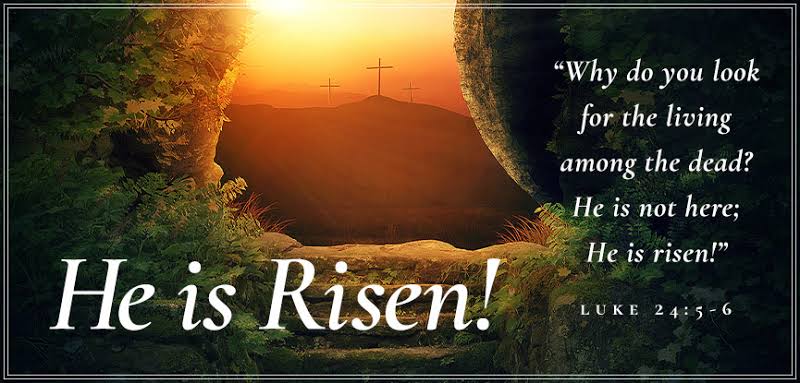
Why do you look for the living among the dead is one of the most quoted questions in the entire New Testament, spoken to a group of grieving women at an empty tomb. Found in Luke 24:5, this question was asked by two angels right after Jesus rose from the dead on Easter morning.
It is short, direct, and deeply symbolic, pointing to both a literal historical event and a much bigger spiritual truth about where people search for meaning and hope.
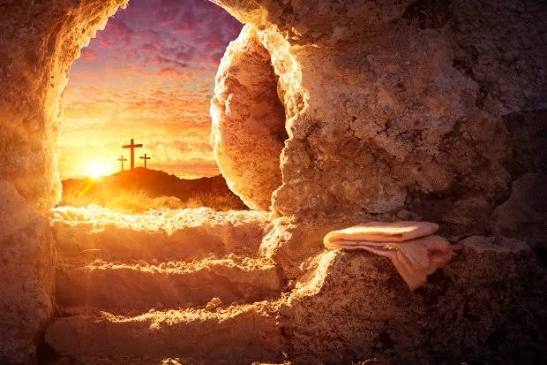
This question appears in the Gospel of Luke, chapter 24, verse 5, right at the very start of the resurrection account.
A group of women, including Mary Magdalene, arrive at Jesus’ tomb early Sunday morning, carrying spices to properly anoint His body.
Instead of finding the tomb sealed as expected, they discover the stone rolled away and the body of Jesus missing entirely.
While they stand there confused, two men in dazzling, lightning-like clothing suddenly appear beside them, and one of them asks this famous question.
Understanding this verse requires looking at the events of the previous few days, starting with Jesus’ crucifixion on Friday.
Jesus died on the cross and was buried before sundown, since Jewish law required burial preparations to pause once the Sabbath began.
The women who followed Jesus watched the burial and planned to return with spices as soon as the Sabbath ended, which was the earliest they could act.
By the time they arrive Sunday morning, everything has already changed, though they have no way of knowing that yet.
Luke describes the speakers simply as two men whose clothes gleamed like lightning, a common biblical way of describing angelic beings.
Other Gospel accounts, including Matthew’s, describe similar figures, reinforcing that these were angelic messengers rather than ordinary bystanders.
Their sudden appearance and radiant clothing caused the women to react with fear, prompting them to bow their faces to the ground.
It is only after this posture of fear and reverence that the question about looking for the living among the dead is actually spoken.
Because this verse is so widely quoted, it appears slightly differently across major English Bible translations, though the core meaning stays the same.
The King James Version phrases it as an older-style question, asking why the living would be sought among the dead.
Modern translations like the NIV and ESV use more contemporary phrasing, while still preserving the exact same core question and meaning.
| Translation | Approximate Wording |
|---|---|
| KJV | Why seek ye the living among the dead |
| NIV | Why do you look for the living among the dead |
| ESV | Why do you seek the living among the dead |
| NLT | Why are you looking among the dead for someone who is alive |
| NKJV | Why do you seek the living among the dead |
The women were not confused or careless. Their actions made complete sense given what they had witnessed just two days earlier.
They had seen Jesus die, watched His body placed in the tomb, and had every reasonable expectation of finding Him there.
Anointing a body with spices was a standard burial custom, meant as an act of honor and care for someone who had died.
Their search for Jesus among the dead was not a mistake in judgment. It was simply the natural response to what they believed to be true.
Beyond the historical event itself, this question carries a symbolic meaning that extends far beyond that one Easter morning.
The angels were not only correcting a location. They were challenging the women to shift their entire understanding of what had just happened.
Many commentators describe this as a call to change perspective, moving away from grief and toward a completely new reality of hope and life.
This shift in perspective becomes the central theme many teachers and writers apply to modern life whenever this verse is discussed today.
It is historically significant that women were the first people to encounter the empty tomb and hear this question directly.
In first-century Jewish culture, women’s testimony was not considered legally reliable, which makes their role as the first witnesses somewhat unexpected.
Many scholars argue this detail actually strengthens the credibility of the account, since early writers would have had little reason to invent it.
If the resurrection story were fabricated, choosing women as the first witnesses would have been an unusual and risky narrative choice at the time.
The women’s reaction, bowing their faces to the ground, reflects a natural human response to encountering something beyond ordinary experience.
Fear and awe often appear together in biblical accounts involving angels, reflecting both reverence and the overwhelming nature of divine encounters.
This combination of emotions highlights just how unusual and significant this moment was, even before the full meaning of the resurrection had set in.
The angels’ calm, direct question contrasts sharply with the women’s fear, gently redirecting their attention from panic toward understanding.
This verse does not stand alone. It connects closely with other passages that reinforce the same message about life conquering death.
In John 11:25, Jesus tells Martha that He is the resurrection and the life, and that those who believe in Him will live even after death.
This earlier statement, made before Jesus’ own death, directly foreshadows the very question the angels ask at the empty tomb in Luke 24:5.
Read together, these passages form a consistent thread throughout the Gospels connecting Jesus’ promises with their fulfillment at the resurrection.
Many writers and teachers extend this verse beyond its historical setting, using it to describe a common pattern in human behavior.
The idea is that people often search for meaning, security, or fulfillment in places that cannot actually provide lasting life or satisfaction.
This might look like chasing status, wealth, or approval, all of which can feel important in the moment but ultimately fail to satisfy deeper needs.
Viewed this way, the angels’ question becomes less about geography and more about where people choose to place their hope and attention.
Teachers who apply this verse to modern life often point to specific patterns where people search for fulfillment in places that cannot sustain it.
| Modern Pattern | Why It Falls Short |
|---|---|
| Chasing material wealth | Temporary satisfaction, does not address deeper needs |
| Seeking approval from others | Dependent on external validation, easily lost |
| Relying on past mistakes for identity | Keeps focus on what is already over |
| Placing ultimate trust in human systems | Limited by human failure and change |
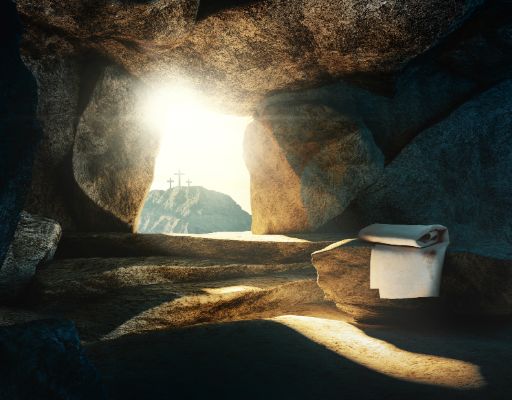
For many readers, this verse serves as a personal challenge to examine where they are currently searching for hope, purpose, or security.
The core message suggests that lasting fulfillment cannot be found in things that are fundamentally temporary, fading, or already finished.
Instead, many faith traditions point toward this verse as an invitation to place trust in something described as eternal and unchanging.
This reframing turns an ancient historical question into something people continue to wrestle with personally, regardless of the century they live in.
Nearly two thousand years later, this question remains widely quoted in sermons, devotionals, and personal reflection, showing its lasting relevance.
Part of its staying power comes from its simplicity. It is short, memorable, and easy to apply to countless personal situations.
The question also works on two levels at once, describing a specific historical moment while simultaneously posing a timeless spiritual challenge.
This dual nature is likely why the verse continues appearing across sermons, articles, and daily devotionals every single year, especially around Easter.
| Detail | Information |
|---|---|
| Bible Reference | Luke 24:5 |
| Speakers | Two men in dazzling clothes, understood as angels |
| Audience | Women who came to anoint Jesus’ body |
| Setting | The empty tomb, Sunday morning |
| Immediate Meaning | Jesus has risen and is no longer among the dead |
| Symbolic Meaning | A call to seek hope and life in the right place |
This question appears in Luke 24:5, spoken by two angels at Jesus’ empty tomb on resurrection morning.
Two men described as wearing dazzling, lightning-like clothing asked the question. Most scholars identify them as angels.
The question was spoken to a group of women, including Mary Magdalene, who came to anoint Jesus’ body.
It confirms that Jesus had risen from the dead and was no longer in the tomb where He was buried.
Many interpret it as a call to stop seeking meaning or hope in temporary, lifeless things and instead seek lasting truth.
Women’s testimony carried little legal weight at the time, which many scholars say strengthens the account’s historical credibility.
In John 11:25, Jesus calls Himself the resurrection and the life, directly foreshadowing the message given at the empty tomb.
Sudden angelic appearances were rare and overwhelming, prompting the natural human response of fear and reverent bowing.
Many use it to reflect on whether they are searching for fulfillment in temporary things rather than lasting sources of hope.
Its short, direct wording works on both a historical and symbolic level, making it easy to quote and apply personally.
So, why do you look for the living among the dead? On the surface, this question describes one specific moment: a group of women searching a tomb for a body that was no longer there, because Jesus had risen.
But the question has always carried a second, deeper layer of meaning that reaches far beyond that first Easter morning. It challenges anyone reading it to consider where they are currently searching for hope, purpose, and lasting fulfillment.
Nearly two thousand years later, this short question from Luke 24:5 continues to appear in sermons, devotionals, and personal reflection precisely because it still applies. Whether read as history, theology, or personal challenge, its core message remains the same: stop looking for life in places that cannot give it.