
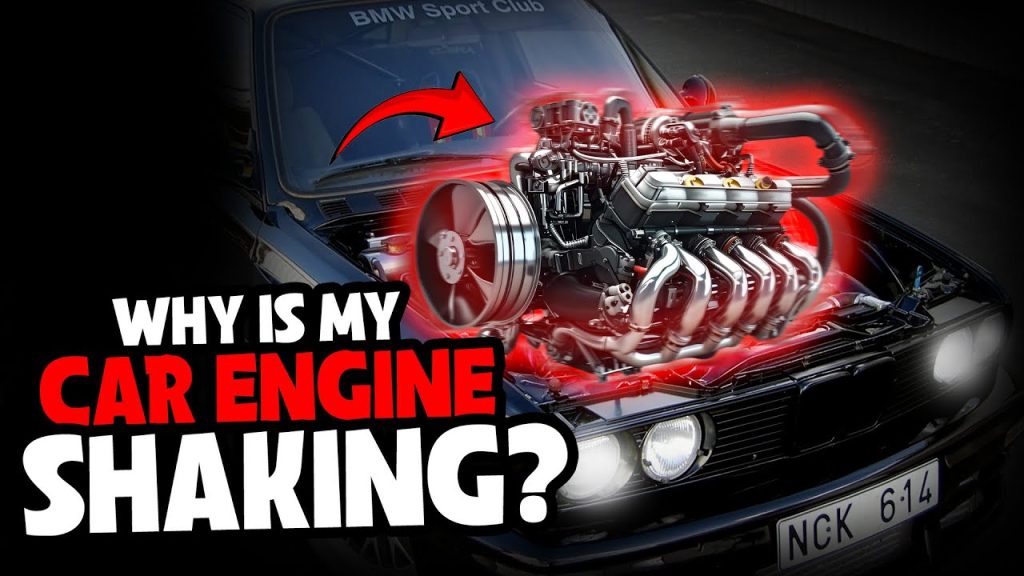
Why is my engine shaking? This is one of the most alarming things a driver can experience, and it almost always means something under the hood needs attention.
Engine shaking can range from a minor vibration at idle to a violent shake while accelerating or braking.
The cause could be as simple as worn spark plugs or as serious as a failing engine mount or internal misfire. Ignoring the problem can turn a small repair into a major bill.

Engine shaking, also called engine vibration or rough running, happens when the engine loses its smooth balance. Every engine has moving parts that must work in perfect sync. When one component fails, the entire system runs unevenly and you feel it as a shake or vibration.
The shaking can come from the engine itself, the mounts that hold it, the fuel system, the ignition system, or even related components like the transmission and drivetrain. Where and when the shaking happens gives you the first clue about the cause.
Normal engines produce minimal vibration that you barely feel. Any noticeable shake or tremor is your car telling you that something is wrong and needs to be checked.
The timing of the shaking is one of the most important clues for diagnosis. Different scenarios point to different root causes.
| When Shaking Occurs | Most Likely Cause |
|---|---|
| At idle only | Engine mounts, vacuum leak, dirty fuel injectors, spark plugs |
| During acceleration | Misfire, worn CV joints, bent driveshaft, fuel system issue |
| When braking | Warped brake rotors, worn brake pads, stuck caliper |
| At startup only | Worn engine mounts, cold misfire, low fuel pressure |
| At high speeds | Unbalanced tires, bent axle, worn wheel bearings |
| All the time | Multiple issues, serious engine or mount damage |
Paying attention to when the shaking starts and stops will help your mechanic diagnose the problem faster and more accurately.
Spark plugs are one of the most common causes of engine shaking. Each plug fires a precise electrical spark to ignite the air-fuel mixture inside each cylinder. When a plug wears out or gets fouled with carbon or oil deposits, it cannot fire correctly.
This creates a misfire, where one or more cylinders fail to produce power at the right moment. The result is an uneven combustion process that causes the engine to shake or vibrate noticeably, especially at idle.
Spark plugs typically need replacing every 30,000 to 100,000 miles depending on the type. Replacing them is one of the most affordable fixes for engine shaking and should always be the first thing to check.
Engine mounts, also called motor mounts, hold the engine securely to the vehicle’s chassis. They are designed to absorb the natural vibration that every engine produces during operation.
Over time, the rubber in engine mounts degrades, cracks, or breaks entirely. When this happens, the mounts can no longer isolate engine movement from the rest of the car. You will feel the engine shake directly through the cabin, steering wheel, and floorboards.
A tell-tale sign of bad engine mounts is that the vibration worsens when accelerating or shifting gears, and may calm down slightly when the car is in Neutral. Replacing worn mounts stabilizes the engine and eliminates the shake significantly.
An engine misfire is one of the most serious causes of engine shaking. A misfire occurs when one or more cylinders fail to fire properly, throwing the engine out of balance and causing rough, uneven power delivery.
Common causes of misfires include worn spark plugs, failing ignition coils, clogged fuel injectors, low fuel pressure, or vacuum leaks. A flashing check engine light is a strong indicator that an active misfire is occurring.
Misfires should be addressed immediately. Prolonged misfiring sends unburned fuel into the catalytic converter, which can destroy it and turn a $200 repair into a $4,000 bill.
Modern engines rely on a tightly controlled vacuum system to manage the air-fuel mixture. The intake manifold and a network of rubber hoses create this vacuum. If any hose cracks, disconnects, or develops a leak, unmetered air enters the engine and upsets the air-fuel balance.
This causes the engine to run lean, meaning too much air and not enough fuel. The result is rough idling, hesitation, and engine shaking that can vary in intensity. Vacuum leaks are often small and hard to spot visually, but a mechanic can find them using a smoke test.
The fix is typically inexpensive, involving replacing cracked hoses or failed gaskets, but it must be addressed promptly to avoid damaging other components.
Fuel injectors spray a precise mist of fuel into each cylinder at exactly the right moment. Over time, carbon deposits from combustion can clog the tiny nozzle openings inside the injector, called pintles.
When an injector is clogged, it cannot deliver the correct amount of fuel. The cylinder runs lean, combustion becomes inconsistent, and the engine shakes or stutters, especially during acceleration. Poor fuel economy and hesitation when pressing the gas are also common symptoms.
A professional fuel system cleaning or injector replacement can resolve this. Using high-quality fuel and changing the fuel filter on schedule helps prevent the problem from recurring.
Ignition coils generate the high-voltage electricity needed to create a spark at each spark plug. In modern coil-on-plug systems, each cylinder has its own coil. When a coil begins to fail, the spark it produces becomes weak or intermittent.
The result is the same as a bad spark plug: a misfire that causes uneven combustion and engine shaking. The check engine light will often illuminate with a cylinder-specific misfire code like P0301, P0302, and so on.
Ignition coils tend to fail gradually, so the shaking may start as occasional and worsen over time. Replacing the faulty coil usually resolves the problem immediately.
The engine needs a precise ratio of air and fuel to run smoothly. The air filter prevents dust, dirt, and debris from entering the engine. Over time, the filter becomes clogged and restricts airflow.
When the engine does not get enough air, it runs rich, meaning too much fuel and not enough air. This causes rough idling, reduced power, poor fuel economy, and noticeable engine shaking. Air filters are one of the cheapest and easiest maintenance items to replace.
Most manufacturers recommend replacing the air filter every 15,000 to 30,000 miles. A clogged filter is a quick and inexpensive fix that many drivers overlook.
The mass airflow sensor measures the exact amount of air entering the engine and sends that data to the engine control unit (ECU). The ECU uses this information to calculate the correct amount of fuel to inject.
When the MAF sensor fails or becomes dirty, it sends inaccurate readings to the ECU. The computer then delivers the wrong amount of fuel, causing the engine to run either too rich or too lean. Both conditions lead to rough idling, poor performance, and engine shaking.
Cleaning the MAF sensor with a dedicated sensor cleaner spray often resolves the issue. If the sensor is damaged, replacing it is the solution.
Oxygen sensors monitor the amount of oxygen in the exhaust gases. This information helps the ECU fine-tune the air-fuel mixture in real time. A failing oxygen sensor sends incorrect data to the computer, causing it to miscalculate fuel delivery.
The engine may run too rich or too lean as a result, leading to rough idling, increased emissions, poor fuel economy, and engine shaking. The check engine light will typically come on when an oxygen sensor fails.
Replacing a faulty oxygen sensor is usually straightforward and prevents further engine damage from running on an incorrect fuel mixture.
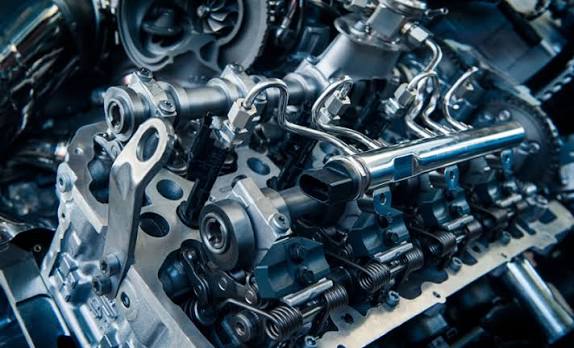
The timing belt or chain keeps the camshaft and crankshaft synchronized. This synchronization ensures that the engine’s intake and exhaust valves open and close at exactly the right moments during the combustion cycle.
A worn, stretched, or loose timing belt or chain disrupts this timing. The engine runs out of sync, causing rough performance, shaking, loss of power, and unusual noises. A snapping timing belt can cause catastrophic engine damage in many vehicles.
Timing belts should be replaced at the manufacturer’s recommended interval, typically between 60,000 and 100,000 miles. This is one of the most important preventive maintenance tasks for engine longevity.
Engine oil lubricates hundreds of moving parts inside the engine. When oil is low, old, or contaminated, friction between internal components increases dramatically. This excess friction causes the engine to run rough and produce noticeable vibrations.
Dirty oil thickens over time and loses its ability to flow and lubricate effectively. The engine then struggles to maintain smooth operation, leading to shaking, knocking sounds, and increased wear on critical components.
Changing the engine oil at the recommended interval and keeping oil levels topped up is the simplest way to prevent this type of engine shaking.
Transmission issues can easily be mistaken for engine shaking. A failing torque converter, slipping transmission, or low transmission fluid can create vibrations that feel like they are coming from the engine.
The shaking typically occurs during gear changes or at specific speeds. In vehicles with automatic transmissions, a slipping or hesitating shift feels very similar to an engine misfire.
Low transmission fluid is one of the most common culprits and is easy to check and top up. More serious transmission faults require professional diagnosis.
Constant velocity (CV) joints transfer torque from the transmission to the wheels while allowing the axle to flex with the suspension. When a CV joint wears out or its protective boot tears and loses lubrication, it creates vibrations during acceleration.
CV joint failure often produces a clicking noise when turning, combined with shuddering that worsens as you press the accelerator. The vibration is typically felt through the floor and seat rather than the steering wheel.
A torn CV boot can be replaced cheaply if caught early. A fully failed CV joint requires replacing the entire axle shaft.
The driveshaft transmits the engine’s rotational power to the wheels. If the driveshaft gets bent, typically from hitting a pothole or road hazard, it creates a rotational imbalance that causes strong vibrations through the floor or seat.
The vibration usually worsens as vehicle speed increases. A bent axle from a collision produces a similar sensation. These issues require professional repair and should not be driven on for extended periods.
Engine shaking rarely occurs alone. Other symptoms help pinpoint the exact problem.
| Warning Sign | What It May Indicate |
|---|---|
| Check engine light on | Misfire, sensor failure, vacuum leak |
| Flashing check engine light | Active misfire — stop driving immediately |
| Rough idle that smooths at speed | Vacuum leak, idle air control valve issue |
| Poor fuel economy | Dirty injectors, MAF sensor, oxygen sensor |
| Engine knocking or ticking | Low oil, worn bearings, timing issues |
| Loss of power during acceleration | Fuel system issue, clogged injector, misfire |
| Burning smell from engine bay | Oil leak onto hot components |
| Unusual exhaust smoke | Blue smoke = burning oil, White smoke = coolant leak |
| Stalling at idle or stops | Vacuum leak, throttle body, idle air control valve |
| Vibration only when braking | Warped rotors, worn brake pads |
Understanding the cost range before visiting a mechanic helps you prepare and avoid surprises.
| Repair Needed | Estimated Cost (USD) |
|---|---|
| Spark plug replacement | $100 – $300 |
| Ignition coil replacement | $200 – $500 |
| Engine mount replacement | $250 – $600 |
| Fuel injector cleaning | $100 – $200 |
| Fuel injector replacement | $300 – $800 |
| Vacuum hose repair | $100 – $300 |
| MAF sensor replacement | $150 – $400 |
| Oxygen sensor replacement | $150 – $350 |
| Timing belt replacement | $400 – $1,000 |
| CV axle replacement | $300 – $700 |
| Catalytic converter (if damaged by misfire) | $1,500 – $4,000 |
| Blown head gasket repair | $2,000 – $5,000 |
Catching the problem early almost always saves money. A $150 spark plug job left unaddressed can escalate into thousands of dollars in catalytic converter or engine damage.
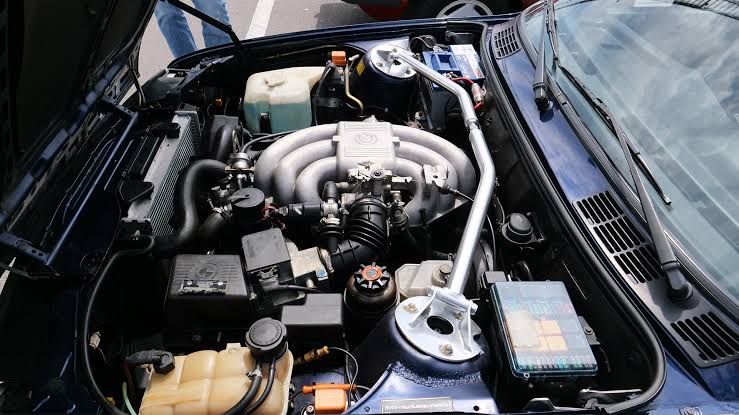
Track exactly when the vibration occurs. Is it at idle, during acceleration, at specific speeds, or when braking? This narrows down the possible causes significantly before you even open the hood.
Write down any other symptoms you notice such as unusual smells, warning lights, smoke, noises, or changes in fuel economy. This information is invaluable to a mechanic.
Pull out the dipstick and check the oil level. If it is low, top it up and see if the shaking improves. Check the oil color on the dipstick. Dark, gritty oil needs changing immediately.
Milky or foamy oil is a serious sign of coolant mixing with oil, which points to a blown head gasket. Do not drive further if you see milky oil.
Locate the air filter housing and pull out the filter. Hold it up to a light source. If you cannot see light through it clearly, it is clogged and needs replacing. This is a five-minute fix you can do yourself for under $20.
With the engine off, visually inspect the vacuum hoses and ignition wires under the hood. Look for cracked, disconnected, or melted hoses. Wiggle them gently to see if any connections are loose.
Check that the mass airflow sensor connector is firmly attached. A loose connector can cause the same symptoms as a failed sensor.
Plug an OBD-II scanner into the diagnostic port under the dashboard. This reads any fault codes stored by the engine control unit. Codes like P0300 through P0306 indicate specific cylinder misfires and point directly to the ignition or fuel system.
OBD-II scanners are available for under $30 and are one of the most valuable tools a car owner can have. Many auto parts stores will also read the codes for free.
After any basic checks, take the car for a controlled test drive. Note whether the shaking happens during acceleration, at idle, at specific RPMs, or continuously. This additional data, combined with any fault codes, gives a mechanic everything needed for an accurate diagnosis.
Prevention is always cheaper than repair. These maintenance habits will significantly reduce the risk of engine shaking.
Copper plugs need replacing around every 30,000 miles. Iridium or platinum plugs can last up to 100,000 miles. Always follow the manufacturer’s recommendation in your owner’s manual.
Fresh spark plugs ensure clean, consistent combustion in every cylinder and are the single biggest defense against ignition-related engine shaking.
Oil changes are the most fundamental engine maintenance task. Fresh oil keeps all moving parts lubricated, reduces friction, and prevents overheating. Follow the manufacturer’s recommended interval, typically every 5,000 to 7,500 miles for modern vehicles using synthetic oil.
Never let the oil level drop below the minimum mark on the dipstick. Low oil is one of the fastest ways to cause serious engine damage.
A clean air filter ensures the engine always receives the correct amount of air for combustion. Replace it every 15,000 to 30,000 miles or sooner if you drive in dusty conditions.
This is one of the cheapest maintenance items and one of the most commonly neglected ones.
Low-quality or contaminated fuel contributes to injector clogging and poor combustion. Use fuel from reputable stations and the octane rating recommended for your vehicle.
Avoid running the tank very low regularly, as sediment from the bottom of the tank can be drawn into the fuel system and clog injectors.
Have the fuel injectors professionally cleaned every 30,000 miles. Replace the fuel filter on schedule, typically every 30,000 miles for older vehicles. A clean fuel system ensures precise fuel delivery and smooth engine operation.
Ask your mechanic to check engine mount condition during every major service or oil change. Catching a deteriorating mount early prevents the rubber from failing completely, which can cause more severe damage to surrounding components.
Do not skip the timing belt replacement interval listed in your owner’s manual. A snapped timing belt can destroy the entire engine in seconds. This is one maintenance item where prevention is absolutely critical.
Idle shaking is most commonly caused by worn spark plugs, a vacuum leak, dirty fuel injectors, or a failing idle air control valve. These all disrupt the air-fuel balance the engine needs to idle smoothly.
Mild shaking may be safe for a short drive to a mechanic, but a violent shake or a flashing check engine light means you should stop driving immediately to prevent serious damage.
Yes. Low or dirty oil increases friction between internal engine components, causing rough running and noticeable vibration. Always check oil level first when shaking begins.
P0300 means the engine computer has detected a random misfire across multiple cylinders. It typically points to a fuel system issue, major vacuum leak, or widespread ignition problem requiring immediate attention.
Yes, worn or fouled spark plugs are one of the most common causes of engine shaking. A misfire from a bad plug causes uneven combustion and noticeable vibration, especially at idle.
Startup-only shaking is often caused by worn engine mounts, a cold misfire from spark plugs, low fuel pressure, or a dirty throttle body. It usually improves once the engine warms up.
Yes. A vacuum leak allows unmetered air into the engine, upsetting the air-fuel ratio. This causes rough idling, hesitation, and engine shaking that is often worse at low RPMs.
Shaking during acceleration often points to a misfire, worn CV joints, a bent driveshaft, clogged fuel injectors, or damaged engine mounts. The shaking worsens under load as the engine works harder.
Cost depends entirely on the cause. Spark plugs cost $100 to $300 to replace. Engine mounts run $250 to $600. Serious issues like a blown head gasket can cost $2,000 to $5,000 or more.
See a mechanic immediately if the shaking is severe, the check engine light is flashing, you notice smoke, unusual knocking sounds, or power loss. Do not delay as the damage can escalate rapidly.
Why is my engine shaking? The answer depends on when it happens and what other symptoms come with it. In most cases, the cause is one of the common culprits covered in this guide: worn spark plugs, failing engine mounts, a misfire, a vacuum leak, or a fuel system issue. Each one has a clear fix, and most are affordable when caught early.
The biggest mistake drivers make is ignoring the shaking and hoping it goes away on its own. Engine vibrations almost always get worse over time and can turn a simple repair into a costly rebuild.
Use the diagnostic steps in this guide, read your fault codes with an OBD-II scanner, and get a professional inspection as soon as possible. Staying ahead of the problem in 2026 is the smartest and most cost-effective thing you can do for your vehicle.