
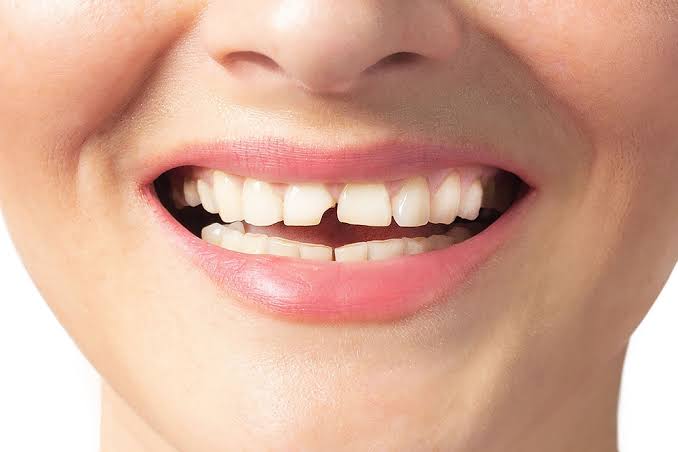
Why are my teeth chipping is one of the most common questions dentists hear in 2026. Tooth chipping is not always caused by a single accident.
Most of the time, your enamel has been quietly weakening for months or even years before a visible chip appears. Understanding the real cause behind your chipping teeth is the first step toward protecting your smile.
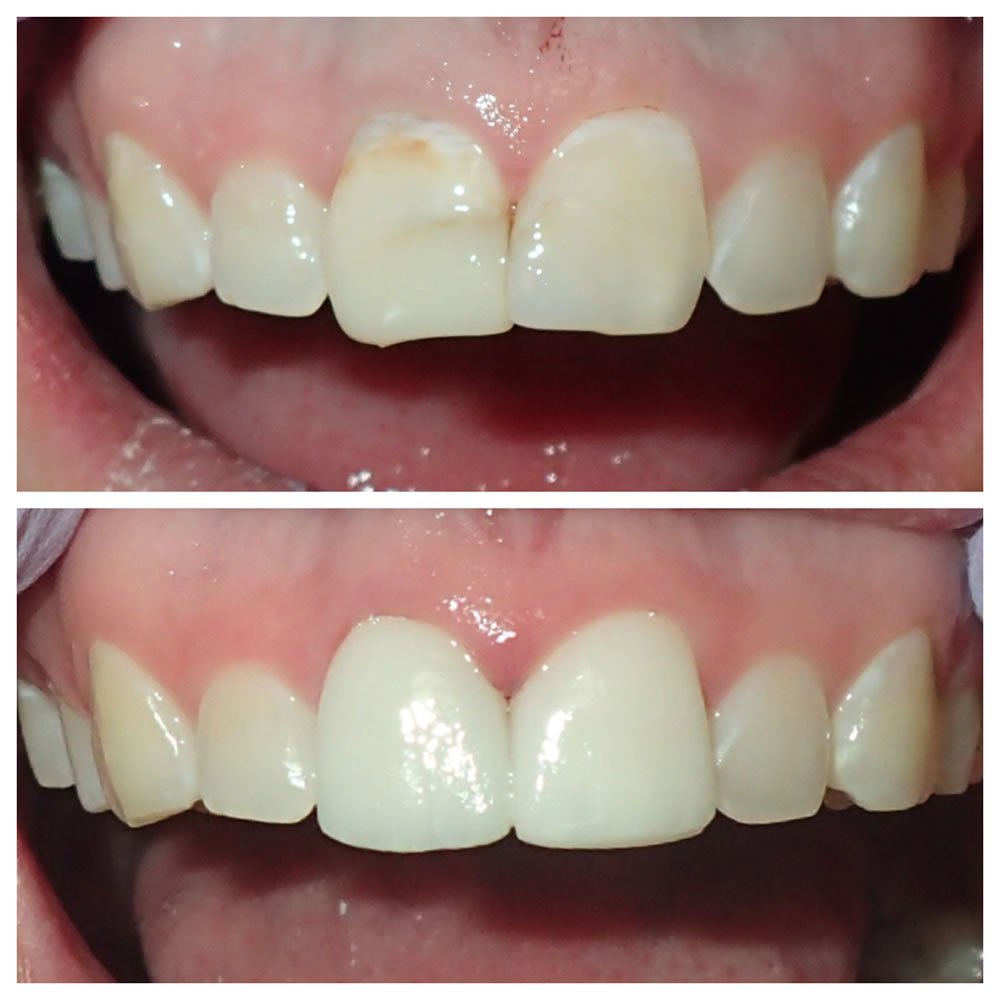
Tooth enamel is the hard, outer shell of your teeth. It is the toughest substance your body produces, even stronger than bone. Enamel protects the sensitive inner layers, including the dentin and pulp, from heat, cold, pressure, and bacteria.
Once enamel wears away or cracks, your body cannot grow it back. That makes protecting it from day one an absolute priority. When enamel thins or weakens, even normal chewing can cause chips, cracks, and fractures.
Think of enamel like tempered glass on a phone screen. When it is thick and new, it handles pressure well. Once it gets thin or develops tiny internal cracks, even a small bump can shatter it completely.
There is rarely just one answer to this question. In most cases, several factors combine to weaken your enamel over time before a chip finally shows up. Here are the most common and well-documented causes.
Bruxism is one of the single biggest causes of chipping teeth. It involves involuntary clenching and grinding of the teeth, often during sleep when you have no control over it.
When you grind your teeth at night, you can apply hundreds of pounds of pressure to your enamel for hours at a time. Over weeks and months, this constant stress wears down the enamel surface, creates tiny internal cracks, and leaves your teeth extremely vulnerable to chips.
Many people with bruxism never realize they have it. Signs include waking up with jaw soreness, frequent morning headaches, neck and shoulder tightness, and teeth that look shorter or flatter than before.
Biting down on hard foods is a fast track to chipping. Ice cubes, hard candy, unpopped popcorn kernels, nuts, and hard bread crusts all put sudden, intense pressure on specific points of the tooth.
If your enamel is already thin or weakened from other causes, even a single bite into something hard can cause a visible chip. This is why people are often shocked when a chip happens from something they have eaten hundreds of times before. The enamel was already compromised.
Acidic foods and beverages are a leading cause of enamel erosion. Citrus fruits, sodas, energy drinks, sports drinks, wine, and even some salad dressings gradually dissolve the mineral structure of enamel over time.
Your saliva naturally neutralizes acid and helps remineralize your enamel through a process called remineralization. But when you drink acidic beverages throughout the day, your saliva simply cannot keep up. The enamel gets thinner and softer with every exposure.
Acid reflux, also known as gastroesophageal reflux disease or GERD, brings powerful stomach acid up into the mouth. Stomach acid is far more corrosive than anything you would typically eat or drink.
People with GERD often experience significant enamel erosion on the back surfaces of their upper teeth. If you have been told you have acid reflux and your teeth are chipping, these two issues are very likely connected. Managing your reflux with your doctor is a critical step in protecting your teeth.
Untreated cavities eat through enamel and reach the softer dentin layer beneath it. Once decay spreads through the enamel, the tooth loses its structural integrity and becomes easy to chip, crack, or break, even from normal chewing.
Many people do not realize their tooth is decayed until it actually chips. This is especially common in back teeth where cavities can grow hidden from view. Regular dental check-ups exist specifically to catch this type of damage before it becomes a crisis.
Inconsistent brushing and flossing allows bacteria to build up and produce acids that erode enamel. Over time, poor hygiene leads to weakened enamel, tooth decay, gum disease, and a much higher risk of chipping.
Brushing twice a day for two minutes with fluoride toothpaste and flossing daily gives your enamel the basic protection it needs. Skipping these habits even a few times a week adds up to significant damage over months and years.
Your teeth need specific nutrients to stay strong. A deficiency in calcium, vitamin D, phosphorus, vitamin C, or magnesium can all reduce the strength and density of your enamel.
Calcium is the primary mineral in enamel. Vitamin D helps your body absorb calcium properly. Without adequate levels of both, your enamel becomes softer and more prone to erosion and chipping. The American Dental Association reports that nearly 20% of adults show signs of enamel erosion linked to poor diet and nutritional gaps.
Saliva is your mouth’s natural defense system. It neutralizes acids, washes away bacteria and food particles, and provides minerals that help remineralize and strengthen enamel every single day.
When saliva production drops due to dry mouth, medications, or certain health conditions, your enamel loses this constant protection. Enamel crystals can actually dry out and become more brittle, making chips far more likely. Dry mouth is a common side effect of many prescription medications.
Enamel naturally thins as you age. Decades of chewing, brushing, and exposure to acidic foods gradually reduce the enamel thickness that protects your teeth.
After the age of 50, enamel becomes significantly more prone to cracks and chips. Older adults may also develop more bruxism and may have more missing teeth, which shifts extra chewing pressure onto the remaining teeth and increases wear on those surfaces.
When teeth are crooked or your bite is uneven, certain teeth receive far more pressure than they should during chewing. This imbalanced force causes accelerated wear on specific teeth and makes those teeth much more likely to chip over time.
Misalignment also prevents teeth from distributing chewing force evenly across the entire arch. People with uneven bites often find that the same one or two teeth keep chipping, even after repairs, because the underlying bite issue has not been addressed.
Large or aging dental fillings can actually weaken the surrounding tooth enamel over time. As fillings age, they can shrink slightly, shift, or develop micro-gaps, all of which put stress on the natural tooth structure around them.
If you notice that your chipped teeth all have large fillings while your unfilled teeth are intact, aging restorations may be the main cause. Your dentist can evaluate the condition of existing fillings and replace any that are putting the tooth at risk.
Certain health conditions and medical treatments can have a significant impact on enamel strength. Chemotherapy and radiation therapy, for example, can affect the integrity of enamel-producing cells and damage the tissue supporting the teeth.
Eating disorders like bulimia expose teeth to stomach acid repeatedly and cause severe enamel erosion. Osteoporosis can weaken bone density throughout the body, including the jawbone that supports the teeth. Some prescription medications, including antihistamines, antidepressants, and blood pressure medications, reduce saliva flow and increase chipping risk.
Using your teeth to open packaging, cut thread, bite off tags, or grip objects puts sudden and unpredictable force on your enamel. This kind of misuse can create instant chips, particularly on front teeth where the enamel edges are thin.
Sports injuries, falls, and blunt trauma to the face are also common causes of sudden chipping. Wearing a mouthguard during contact sports significantly reduces this type of damage.
| Risk Factor | How It Damages Enamel | Who Is Most at Risk |
|---|---|---|
| Bruxism | Constant grinding pressure erodes surface | Stressed adults, side sleepers |
| Acid Erosion | Dissolves mineral structure over time | Soda drinkers, citrus lovers |
| GERD / Acid Reflux | Stomach acid corrodes enamel from inside | Adults with chronic reflux |
| Tooth Decay | Eats through enamel, weakens structure | Those with poor oral hygiene |
| Dry Mouth | Removes saliva’s protective buffering | Medication users, elderly |
| Nutritional Deficiency | Reduces enamel density and hardness | People with restricted diets |
| Aging | Thins enamel naturally over decades | Adults over 50 |
| Misaligned Bite | Concentrates force on fewer teeth | Untreated malocclusion cases |
Your teeth often send warning signals before a visible chip appears. Catching these early gives you a real chance to prevent serious damage.
Increased sensitivity to hot drinks, cold drinks, sweet foods, or even cold air is one of the earliest signs of enamel erosion. When enamel thins, the porous dentin layer beneath it becomes partially exposed, and temperature and sugar reach the tooth nerve much more easily.
Do not dismiss tooth sensitivity as normal. If your teeth have become noticeably more sensitive over the last few months, it is worth mentioning to your dentist at your next visit.
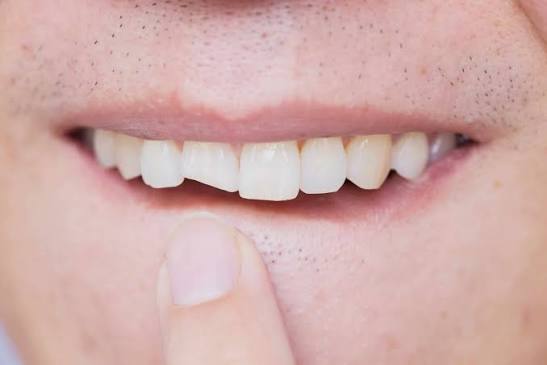
Craze lines are tiny, hairline cracks that appear in the enamel surface. They look like fine lines running across the tooth surface and are visible when light catches them at certain angles.
Craze lines themselves are usually not painful and may not require treatment. But they are a clear sign that your enamel is under stress. Left unaddressed, craze lines can develop into deeper cracks or full chips over time.
Running your tongue along your teeth is one of the simplest ways to check for early chips. A jagged or rough edge that was not there before often indicates a small chip has occurred, even if you did not feel it happen.
Small chips on back teeth are easy to miss entirely because you cannot see them and they may not cause pain right away. Regular dental check-ups will catch these before they worsen.
Pain or discomfort when biting down on certain foods is a warning sign that the tooth is cracked or has a cavity extending close to the nerve. This type of pain should never be ignored.
Even if the pain is mild or intermittent, it typically means the inner structures of the tooth are compromised. Seeing a dentist promptly prevents the need for more invasive treatment later.
Yellow, gray, or brown spots on or around a tooth can indicate tooth decay that is eating through the enamel. Dark spots or lines at the gumline may signal the early stages of a cavity.
Discoloration at the biting edge of a tooth can also be a sign that enamel has worn so thin that the darker dentin layer beneath it is beginning to show through. This is more common in older adults and frequent consumers of acidic beverages.
If a chip happens, staying calm and acting quickly makes a real difference in the outcome.
Rinse your mouth gently with warm water to clean the area. If you can find the piece of tooth that broke off, save it and bring it to your dentist, as it may be reattachable in some cases.
Apply a cold compress to your cheek to reduce any swelling. If there is bleeding from the gum area, apply gentle pressure with a clean cloth. Avoid eating on that side of your mouth until you have seen a dentist.
If you cannot get an emergency dental appointment that same day, temporary dental cement available at most pharmacies can cover the exposed tooth and protect it until your appointment.
Treatment depends on the size of the chip, its location in the mouth, and the condition of the remaining tooth structure. Modern dentistry offers a full range of options from simple polishing to full restoration.
For very minor chips that only affect the surface appearance, your dentist may simply smooth and polish the rough edge. No material is added. This is fast, painless, and often completed in a single visit.
This option works well for small, superficial chips on back teeth where appearance is less critical. It is also used to smooth sharp edges that might irritate the tongue or cheek.
Dental bonding is the most common treatment for small to moderate chips. Your dentist applies a tooth-colored composite resin directly to the damaged area and sculpts it to match your natural tooth shape.
The resin is hardened with a special curing light and then polished to blend seamlessly with the surrounding tooth. Bonding typically takes one visit and costs between $100 and $400 per tooth, making it one of the most affordable cosmetic dental treatments available.
Bonded restorations last approximately 5 to 7 years before they may need touching up or replacement. They are an excellent choice for minor cosmetic chips on front or back teeth.
When a larger portion of the tooth has chipped away, or when decay has weakened the tooth significantly, a dental crown may be the best option. A crown fits over the entire visible portion of the tooth, restoring its shape, strength, and appearance.
Crown placement typically takes two appointments. At the first visit, the tooth is prepared and an impression is taken. A temporary crown is placed while your permanent crown is fabricated in a dental laboratory. The permanent crown is cemented at the second visit.
Crowns generally cost between $800 and $1,500 per tooth and can last 10 to 15 years with proper care.
Veneers are thin, custom-made porcelain shells that bond to the front surface of a tooth. They are particularly effective for chipped front teeth where appearance is a priority, and they can also address discoloration, minor misalignment, and uneven edges at the same time.
Veneers last 10 to 15 years on average and are highly resistant to staining. They require two appointments and involve removing a small amount of enamel from the tooth surface to ensure a proper fit. Once placed, veneers are a permanent restoration.
When a chip is deep enough to expose the inner pulp of the tooth, bacteria can enter and cause infection. In this case, a root canal is necessary to remove the infected tissue, clean the root canals, and seal the tooth.
A crown is typically placed over the tooth after a root canal to protect the remaining structure. Signs that you may need a root canal include severe, spontaneous pain, swelling in the gum near the tooth, a persistent bad taste, or extreme sensitivity that does not go away.
| Treatment | Best For | Cost Range | Lifespan |
|---|---|---|---|
| Polishing | Tiny surface chips | $0–$100 | Permanent |
| Dental Bonding | Small to moderate chips | $100–$400 | 5–7 years |
| Dental Crown | Large chips, weak teeth | $800–$1,500 | 10–15 years |
| Porcelain Veneers | Front tooth chips, cosmetic | $900–$2,500 | 10–15 years |
| Root Canal + Crown | Chips exposing the pulp | $1,000–$3,000 | Long-term |
Prevention is far more affordable and less stressful than treatment. Most of the causes of tooth chipping are preventable with the right habits.
Fluoride actively strengthens enamel by promoting remineralization. Brushing twice daily with fluoride toothpaste is one of the most effective and easiest steps you can take. Use a soft-bristled toothbrush and gentle circular motions to avoid wearing enamel with aggressive scrubbing.
If you grind your teeth at night, a custom-fitted night guard from your dentist is one of the most protective investments you can make. It creates a barrier between your upper and lower teeth that absorbs grinding force and prevents enamel wear.
Over-the-counter guards are available but generally less comfortable and effective than custom options. Ask your dentist which type is right for your level of grinding.
Cutting back on sodas, energy drinks, citrus juices, and sports drinks will significantly slow enamel erosion. When you do consume acidic drinks, use a straw to minimize contact with your teeth. Wait at least 30 minutes after eating or drinking acidic things before brushing, as enamel is temporarily softened by acid and brushing immediately can cause additional erosion.
Include calcium-rich foods like dairy products, leafy greens, and almonds in your regular diet. Foods rich in vitamin D, including fatty fish, egg yolks, and fortified dairy, help your body absorb calcium efficiently.
Phosphorus-rich foods like meat, eggs, and legumes support enamel remineralization. Crunchy vegetables and fruits that require chewing also stimulate saliva flow, which helps protect enamel naturally.
If acid reflux, dry mouth, or other medical conditions are contributing to your tooth chipping, addressing those conditions with your doctor is essential. Managing GERD, adjusting medications that cause dry mouth, or treating eating disorders all directly protect your enamel.
Do not treat your chipping teeth as a purely dental issue if there is a systemic health factor involved. A coordinated approach between your dentist and doctor will give you the best results.
Visiting your dentist every six months allows early detection of enamel thinning, cavities, craze lines, worn fillings, and other issues before they turn into chips and fractures.
Professional cleaning also removes hardened tartar and bacterial plaque that accelerates enamel breakdown. Your dentist can apply fluoride treatments, sealants, or other protective measures that are not available without a clinical visit.
Make a conscious habit of reaching for scissors, bottle openers, and other tools instead of your teeth. This single habit change eliminates an entire category of chipping risk, especially for front teeth.
Wear a mouthguard during any contact sport, even recreational ones. A single blow to the mouth during basketball, soccer, or martial arts can chip or break a tooth instantly.
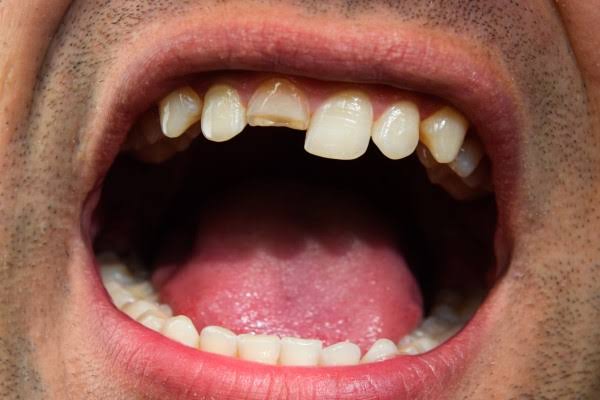
Not every chip is a dental emergency, but some situations require urgent care. See a dentist the same day if you experience any of the following.
Severe, constant tooth pain is a red flag that the chip has exposed the nerve or that the tooth is infected. Pain during biting combined with visible swelling in the gum is another urgent sign.
A chip that extends below the gum line, a cracked tooth that has split in two, or bleeding from the gum around a damaged tooth all require emergency dental attention. Fever or swelling in the face or jaw alongside a damaged tooth means infection may have spread and needs immediate treatment.
Even without pain, chips that significantly alter your bite, leaving your teeth hitting at odd angles, should be addressed quickly because the misalignment will cause accelerated wear on the surrounding teeth.
| Nutrient | Role in Enamel Health | Best Food Sources |
|---|---|---|
| Calcium | Primary mineral in enamel structure | Dairy, leafy greens, almonds, sardines |
| Vitamin D | Helps absorb calcium effectively | Fatty fish, egg yolks, fortified milk |
| Phosphorus | Supports remineralization | Meat, eggs, legumes, seeds |
| Vitamin C | Strengthens gums and connective tissue | Citrus (consumed carefully), peppers |
| Magnesium | Balances calcium and strengthens enamel | Nuts, seeds, whole grains, dark chocolate |
| Fluoride | Directly remineralizes weakened enamel | Fluoride toothpaste, tap water |
Many everyday habits quietly damage enamel without you realizing it. Understanding these lets you make small changes that have a big long-term impact.
Sipping coffee or tea throughout the morning keeps your teeth in constant contact with mildly acidic and staining liquids. Swishing water after each cup helps neutralize the acid.
Chewing on pen caps, fingernails, or ice cubes creates repetitive micro-stress on enamel that accumulates into cracks. Nail biting in particular puts unusual sideways pressure on front teeth that they are not designed to handle.
Sleeping on your stomach or side can shift how your jaw rests during sleep and increase the likelihood of teeth clenching. Back sleeping reduces this tendency, particularly for people already diagnosed with bruxism.
Swimming in heavily chlorinated pools for extended periods can expose teeth to acidic water and contribute to enamel erosion over time, a condition sometimes called swimmer’s calculus or swimmer’s erosion.
Chipping without an obvious cause usually means enamel has been slowly weakening due to acid erosion, grinding, nutritional deficiency, or dry mouth. See a dentist to identify the root cause.
No. Enamel cannot regenerate once it breaks away. A chipped tooth always requires professional dental treatment to prevent further damage and potential infection.
Yes. Low levels of calcium, vitamin D, or magnesium are commonly linked to weak enamel and increased chipping. A blood test can check your levels if deficiency is suspected.
Dental bonding is the most affordable option, typically costing between $100 and $400 per tooth and completed in a single dental visit without lab fees.
Stress itself does not chip teeth directly, but stress is a major trigger for bruxism, or teeth grinding, which is one of the most common causes of enamel wear and chipping.
Signs include severe or throbbing pain, sensitivity that lingers after the trigger is removed, swelling in the gum, or a darkening of the tooth. Your dentist will use an X-ray to confirm.
Yes. An untreated chip exposes the inner tooth to bacteria, acid, and pressure. Small chips can grow into larger fractures, cavities, or abscesses that require much more extensive treatment.
No. Never use household adhesives on teeth. They are toxic and can damage gum tissue. Use only pharmacist-recommended temporary dental cement until you can see your dentist.
Yes. Enamel naturally thins over decades of use, and older adults have a higher risk of chipping due to enamel wear, increased bruxism, more fillings, and changes in saliva production.
Wear a night guard if you grind your teeth, reduce acidic food and drink intake, use fluoride toothpaste daily, and attend regular dental check-ups every six months.
Why are my teeth chipping is a question with many possible answers, and in most cases, the real cause has been building silently for months before the first chip appears.
Enamel erosion from acidic foods and drinks, the relentless pressure of nighttime grinding, untreated tooth decay, nutritional deficiencies, and medical conditions like acid reflux can all compromise the strength of your teeth over time. The good news is that every one of these causes is manageable once identified.
Early warning signs like tooth sensitivity, craze lines, rough edges, and pain when biting are your body’s way of signaling that action is needed before the damage becomes serious.
Modern dentistry offers effective solutions for every level of damage, from a simple polish for minor chips to bonding, crowns, veneers, and root canal therapy for more severe cases.
The most important step you can take right now is to book an appointment with your dentist, explain what you have been noticing, and work together to identify the root cause.
Protecting your enamel today means fewer chips, less pain, and a stronger smile for years to come. Do not wait until the next chip shows up. Act now and keep your teeth intact.