

Why do my nipples get hard — it’s a question almost everyone has asked at some point. Nipple hardness is a completely normal and common physiological response.
Your nipples contain a dense network of nerve endings that react to both physical and psychological stimuli.
From a sudden drop in temperature to a fleeting arousing thought, your body can trigger nipple erection in seconds. In most cases, there is absolutely nothing to worry about.
However, when nipple hardness comes with pain, discharge, or other unusual symptoms, it could point to an underlying health issue worth addressing.
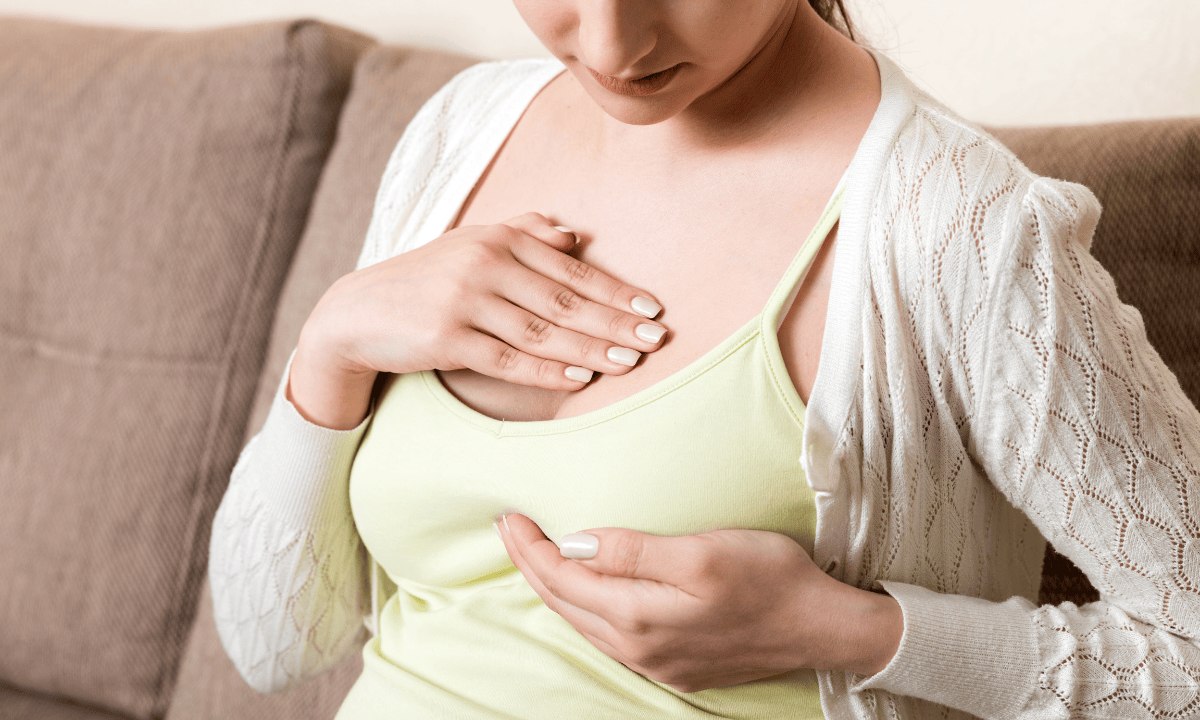
Nipples get hard when the small muscles inside the nipple tissue contract. This process is called piloerection or nipple erection, and it is controlled by the autonomic nervous system. The nerves in the nipple respond to stimuli — physical, emotional, or psychological — and signal the muscles to contract and push the nipple outward.
This reaction is involuntary. You cannot fully control when your nipples get hard, just like you cannot stop goosebumps.
Both men and women experience hard nipples. The causes, however, can differ slightly based on hormonal makeup and anatomy.
Cold temperature is the single most common reason why nipples get hard. When your skin senses a drop in temperature, special nerve cells in the nipple area are triggered. These are the same nerves responsible for goosebumps. Your body contracts the smooth muscle fibers in the nipple, making them erect as a protective reflex.
This is why your nipples almost always become hard when you step outside in winter or enter a cold air-conditioned room. Hot temperatures do not produce the same effect.
Sexual arousal is one of the most well-known reasons why nipples get hard. When you are aroused — even subconsciously — your body increases blood flow and activates nerve endings throughout the body, including in the nipples. This is true for both men and women.
An arousing thought, visual stimulus, or physical touch can trigger this response within seconds. Nipple hardness from arousal is completely healthy and normal.
Hormonal fluctuations are a major driver of nipple sensitivity and hardness. Estrogen and progesterone levels rise and fall during different phases of life, causing the nipple tissue to respond.
Common hormonal triggers include:
| Life Stage | Hormonal Change | Effect on Nipples |
|---|---|---|
| Menstrual Cycle | Rise in estrogen/progesterone | Tenderness, hardness |
| Ovulation | Estrogen surge | Breast duct enlargement |
| Pregnancy | Sharp hormone increase | Hard, sore, enlarged nipples |
| Perimenopause | Declining estrogen | Sensitivity and erection |
| Menopause | Low estrogen | Occasional hardness or soreness |
| Birth Control Use | Hormone-like effects | Mimics pregnancy symptoms |
During pregnancy, the body undergoes dramatic hormonal changes. Estrogen and progesterone surge, increasing blood flow to the breasts. As a result, nipples become more prominent, darker, larger, and often very sensitive.
Hard nipples during pregnancy are completely expected. The body is preparing for breastfeeding. Some women may also notice colostrum — a thick, yellowish liquid — leaking from their nipples before birth.
Progesterone levels rise approximately one week before your period begins. This causes breast tissue to swell and nipples to become tender and hard. These symptoms are a normal part of premenstrual syndrome (PMS).
Post-menstrual syndrome (PMS that occurs after menstruation) can also cause nipple hardness. Symptoms typically resolve once hormone levels normalize.
As women approach menopause, estrogen levels begin to decline. This hormonal shift causes a range of changes in breast tissue and nipple sensitivity. Breast tenderness is a well-documented symptom of perimenopause.
Some women experience hard, sore nipples during this transition. Symptoms usually improve once full menopause is reached and hormone levels stabilize.
During breastfeeding, nipples frequently become hard due to stimulation from the baby feeding. Hard nipples actually help the baby latch properly, making them functionally important.
However, persistent hard nipples during breastfeeding — especially with pain or swelling — could be a sign of mastitis, a bacterial breast tissue infection. Mastitis is common in new mothers and requires medical attention.
Running, cycling, and other high-impact sports cause repeated friction between clothing and the nipples. This condition is commonly called jogger’s nipple. It can lead to soreness, hardness, dryness, redness, and even bleeding.
Women without properly fitting sports bras are especially vulnerable. Men who run long distances without nipple protection frequently experience this as well.
Certain products can trigger an allergic reaction in the sensitive skin of the nipple area. Common culprits include:
The reaction causes the skin to become irritated, inflamed, and hard. Switching products often resolves the issue quickly.
Even without an allergic reaction, rough or ill-fitting clothing can physically irritate the nipples. Tight bras, synthetic fabrics, seams, or underwire can rub against the nipples and cause them to harden from repeated friction.
Choosing soft, breathable cotton fabrics and well-fitted bras can dramatically reduce this problem.
Birth control pills contain synthetic hormones that mimic the effects of pregnancy in the body. Because of this, side effects often include breast tenderness and nipple hardness — especially in the first few months of use.
These symptoms usually resolve on their own as the body adjusts to the medication. If they persist beyond a few months, consult your doctor.
Nipple piercings increase the sensitivity of the nipple area significantly. Even after the piercing heals, the area remains more responsive to touch and fabric. This increased sensitivity can cause the nipple to harden more frequently.
Additionally, piercings carry a risk of bacterial infection. Bacteria can enter breast tissue through the piercing hole, potentially causing mastitis.
Stress affects hormonal balance throughout the body. Elevated cortisol levels from chronic stress can disrupt the normal fluctuation of estrogen and progesterone, leading to physical symptoms including nipple sensitivity and hardness.
Managing stress through exercise, sleep, and mindfulness can help regulate these responses.
Certain medications are known to affect nipple sensitivity as a side effect. These include:
| Medication Type | Examples |
|---|---|
| Antidepressants | SSRIs, SNRIs |
| Blood pressure medications | Beta-blockers, calcium channel blockers |
| Antipsychotics | Risperidone, haloperidol |
| Hormone replacement therapy | Estrogen, progesterone supplements |
If you started a new medication and noticed changes in nipple sensitivity, discuss it with your prescribing doctor.

Mastitis is an infection of breast tissue that causes the nipple and surrounding area to become red, swollen, warm, and hard. It is most common in breastfeeding mothers but can occur in anyone.
Symptoms of mastitis include:
Mastitis requires antibiotic treatment. Do not ignore these symptoms.
Mammary duct ectasia occurs when a milk duct becomes enlarged and blocked. It commonly affects women nearing menopause. Symptoms include nipple tenderness, redness, itching, thick discharge, and pain. In some cases, it develops into a breast infection and may require antibiotics or, rarely, surgery.
Eczema can develop on the nipple skin, causing itching, burning, scaling, and crusting. The skin may also appear discolored or produce discharge. Topical corticosteroids prescribed by a doctor are the primary treatment.
A breast abscess is a painful, pus-filled lump inside the breast. It is usually a complication of untreated mastitis. It causes severe localized pain and hardness, including around the nipple area. Treatment typically requires drainage by a medical professional.
Paget’s disease is a rare form of breast cancer that begins in the nipple and spreads to the areola. It is often mistaken for eczema or dermatitis. Signs include nipple thickening, crusting, redness, itching, burning, and discharge. It is more common in people over 50.
Any persistent skin change on the nipple that does not resolve should be evaluated by a doctor.
Men also experience hard nipples, often for the same reasons as women — cold temperatures, arousal, and friction. However, men can also develop nipple sensitivity due to:
Gynecomastia — enlargement of male breast tissue due to hormonal imbalance, medication side effects, or conditions affecting the liver or testes.
Hormonal imbalances — excess estrogen or low testosterone can make the nipple area tender and responsive.
Male breast cancer — while rare, men can develop breast cancer. Persistent nipple pain, discharge, or lumps in men should always be evaluated by a doctor.
A study found that nipple stimulation triggered arousal in about 52% of men, confirming that male nipples are functioning erogenous zones with a dense network of nerve endings.
| Feature | Hard Nipples | Sore Nipples |
|---|---|---|
| Usually normal? | Yes | Usually yes |
| Common triggers | Cold, arousal, hormones | Hormones, friction, infection |
| Pain present? | Not always | Yes |
| Discharge possible? | Rarely | Sometimes |
| Requires doctor? | Only if persistent | If caused by infection or lump |
| Treatment needed? | Usually none | Depends on cause |
Hard nipples and sore nipples often occur together, but they are not always the same thing. Soreness without hardness is usually friction or hormonal. Hardness without soreness is typically a normal reflex. When both occur together with discharge or lumps, seek medical evaluation.

The simplest fix is warmth. Layer your clothing in cold weather and opt for thermal or padded bras if you are particularly sensitive to temperature changes.
Apply a topical barrier product (petroleum jelly, anti-chafing balm, or athletic tape) to the nipples before exercise. Invest in a properly fitted, high-quality sports bra. Wash sports bras after every use to prevent bacterial and sweat buildup.
For cycle-related symptoms, over-the-counter pain relievers like ibuprofen can reduce discomfort. If symptoms are severe, a doctor may recommend hormonal evaluation or therapy. For menopause-related symptoms, hormone replacement therapy (HRT) — with carefully managed dosage — can help.
Switch to fragrance-free, hypoallergenic soaps, detergents, and moisturizers. Wear soft, natural-fiber clothing like cotton. If the reaction is severe, a doctor may prescribe a mild topical corticosteroid.
Mastitis and breast abscesses require antibiotics or drainage. Do not attempt to self-treat infections at home. Apply warm compresses to the area for temporary relief while awaiting medical care.
| Remedy | Best For |
|---|---|
| Warm compress | Inflammation and duct issues |
| Cold compress | Pain and swelling relief |
| Moisturizers and nipple balm | Dry, chapped skin |
| Well-fitting bra | Friction and poor support |
| Fragrance-free products | Allergic contact dermatitis |
| Ibuprofen | PMS-related tenderness |
You should schedule a medical appointment if you experience:
These could indicate conditions such as mastitis, duct ectasia, Paget’s disease, or rarely, breast cancer.
Your nipples contain nerve endings that respond to both physical and psychological stimuli. Random hardness is completely normal and usually caused by a minor trigger like fabric friction, a passing thought, or a slight temperature change.
Occasionally persistent nipple hardness can be normal, especially if you work or live in a cold environment. If accompanied by pain or discharge, consult a doctor to rule out underlying conditions.
Pain alongside nipple hardness is often caused by hormonal changes during the menstrual cycle, pregnancy, or menopause. Friction, infection (mastitis), or contact dermatitis are other common reasons.
Yes. Stress disrupts hormonal balance, particularly cortisol, estrogen, and progesterone levels. This hormonal disruption can cause physical symptoms including nipple sensitivity and hardness.
Hormonal shifts, clothing friction, allergic skin reactions, and certain medications can all cause nipple hardness unrelated to temperature or arousal. Tracking when it happens can help identify the trigger.
Men’s nipples get hard for the same basic reasons — cold, arousal, and friction. Male nipples have a high density of nerve endings and are sensitive erogenous zones. Hormonal imbalances or gynecomastia can also cause nipple sensitivity in men.
Yes. Hard and tender nipples are one of the earliest signs of pregnancy due to the rapid increase in estrogen and progesterone. This can occur as early as 1–2 weeks after conception.
Ovulation causes a surge in estrogen that can make breast tissue more sensitive and nipples harder. It is a common but not definitive sign of ovulation, as many other factors produce the same result.
Wearing padded bras or nipple covers, layering clothing, or using thicker fabric can reduce visible nipple erection. These are simple, practical solutions for everyday situations.
See a doctor if nipple hardness is accompanied by persistent pain, unusual discharge, lumps, skin changes, or fever. These symptoms could indicate an infection or, rarely, a serious condition requiring evaluation.
Why do my nipples get hard is one of the most frequently searched health questions — and for good reason. In the vast majority of cases, nipple hardness is a completely natural and harmless reflex. Cold temperatures, sexual arousal, hormonal changes, friction, and stress are the most common triggers. The body’s nervous system is simply doing its job by responding to stimuli.
However, it is equally important to know when nipple changes are a signal to pay attention. Persistent hardness combined with pain, discharge, skin changes, or lumps should never be ignored. Conditions like mastitis, duct ectasia, and Paget’s disease are treatable — but only when caught and addressed early.
The best approach is awareness. Understand your body’s normal patterns, track any changes, and do not hesitate to consult a healthcare provider if something feels off. With the right information and a proactive mindset, you can manage nipple health confidently and without unnecessary worry.