
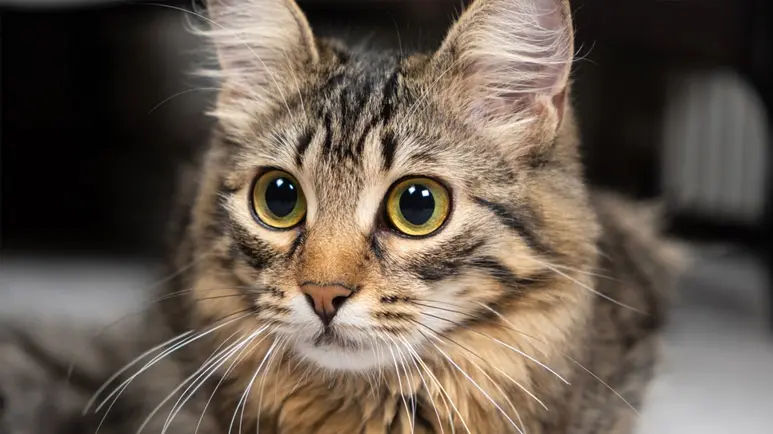
Why are my cats eyes always dilated is one of the most common questions cat owners search for when they notice something unusual about their pet’s eyes. Big, round pupils can look adorable, but when they never seem to shrink back down, it is natural to wonder if something is wrong.
In most cases, dilated pupils are simply a normal reaction to light, excitement, or play. However, constantly dilated eyes can sometimes point to an underlying health issue that needs attention.
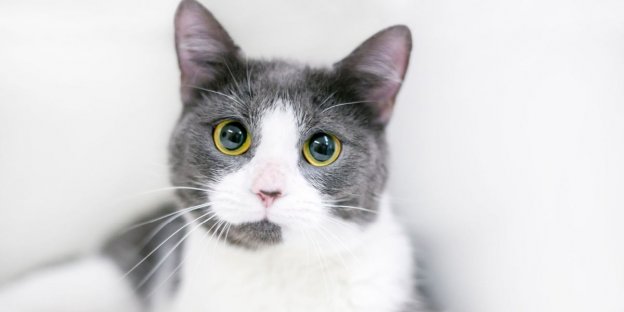
A cat’s pupil is the black circle in the center of the eye. It opens and closes automatically to control how much light reaches the retina.
When a cat’s eyes are dilated, the pupils appear large and round instead of their usual narrow, vertical slit shape.
This happens because tiny muscles inside the iris relax. The iris is the colored ring around the pupil.
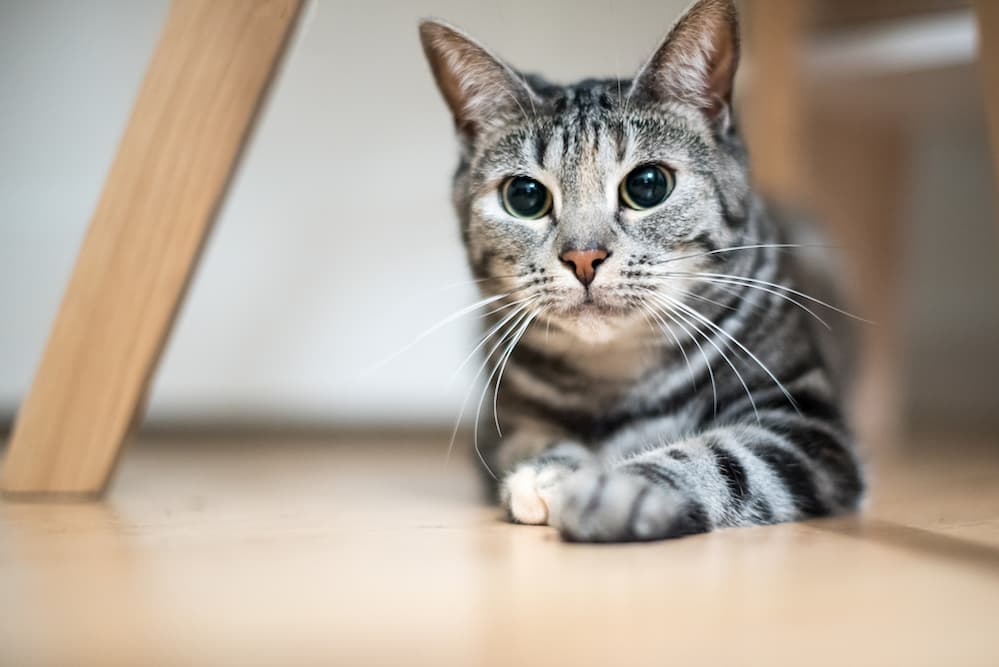
In bright light, a healthy cat’s pupils should shrink down to thin slits within seconds. If they stay wide open in normal or bright light, that is when it becomes worth investigating.
Unlike round human pupils, a cat’s pupil narrows into a vertical slit shape in bright conditions.
This slit design gives cats finer control over light intake, which is part of why their night vision is so much sharper than ours.
When fully dilated, that slit opens into a near-perfect circle, maximizing the amount of light reaching the retina.
The iris contains two sets of tiny muscles that work in opposite directions to control pupil size.
The sympathetic nervous system widens the pupil during stress or excitement, while the parasympathetic system narrows it in calm, well-lit conditions.
When this balance is disrupted by illness, medication, or nerve damage, pupils can stay abnormally wide regardless of lighting.
Cats have incredible night vision, and their pupils widen automatically to let in more available light.
This is the single most common reason for dilated eyes and requires no concern at all.
If you turn on a bright lamp and the pupils shrink within a few seconds, your cat’s eyes are functioning exactly as they should.
Cats often get dilated pupils right before mealtime, during a play session, or when chasing a toy.
This is linked to a burst of adrenaline that temporarily widens the pupils, similar to what happens in humans during excitement.
The dilation usually fades once the cat calms down or the activity ends.
A startled or frightened cat will almost always show wide, dilated pupils as part of the fight-or-flight response.
Look for other body language clues like a lowered body, flattened ears, or a puffed-up tail to confirm fear is the cause.
Once the stressful trigger is removed, the pupils typically return to normal within a few minutes.
Cats under the influence of catnip frequently show very large pupils along with rolling, rubbing, and playful behavior.
This effect is harmless and temporary, usually wearing off within 10 to 15 minutes.
Even indoor cats retain strong predatory instincts, and their pupils widen the moment they spot a moving target like a laser dot or a bird outside the window.
This dilation sharpens depth perception and motion tracking, both essential for a successful pounce.
Once the “prey” disappears from view, the pupils generally return to their normal slit shape within a short time.
Some cats show mild pupil widening in response to sudden temperature changes, loud noises, or unfamiliar smells.
This is part of a broader sensory alertness response rather than a sign of illness.
If the trigger passes and the cat relaxes, the eyes should settle back to a normal size without any lingering effects.
High blood pressure is one of the leading medical causes of permanently dilated pupils in cats, especially senior cats.
It can damage the tiny blood vessels in the retina, sometimes causing sudden blindness along with the dilation.
Hypertension in cats is frequently linked to kidney disease or an overactive thyroid gland.
Glaucoma develops when fluid cannot drain properly from inside the eye, causing painful pressure buildup.
This pressure can keep the pupil fixed and wide, and if left untreated, it often leads to permanent vision loss.
A vet diagnoses glaucoma using a simple pressure-measuring tool called a tonometer.
Anisocoria means one pupil is a different size than the other, and it is always considered a sign of an underlying problem.
It can point to issues like corneal injury, eye infection, inflammation inside the eye, or a neurological condition.
Any case of uneven pupils lasting more than a few hours deserves a same-day vet visit.
This condition involves the thinning of the iris tissue, often seen in senior cats as part of normal aging.
It can make the pupil appear permanently larger or irregularly shaped, even in bright light.
Iris atrophy alone is usually not painful, but it should still be checked to rule out other causes.
When the retina separates from the back of the eye, the pupil often stays fully dilated because light signals cannot reach the brain properly.
This is considered a medical emergency since vision loss can become permanent within hours if untreated.
This rare neurological disorder affects the involuntary nervous system, leading to dilated pupils alongside other symptoms.
Additional signs often include a dry nose, constipation, and difficulty regulating heart rate.
Tumors affecting the eye structures or the brain can interfere with the nerves controlling pupil size.
Other warning signs may include cloudy eyes, behavioral changes, or noticeable discomfort around the head.
Some eye drops and oral medications used for other conditions can cause pupil dilation as a side effect.
Atropine, for example, is sometimes prescribed for glaucoma but can widen the pupils and increase light sensitivity.
Uveitis is inflammation inside the middle layer of the eye, often triggered by infection, injury, or an underlying systemic disease.
It can cause pupil changes, redness, and noticeable discomfort, and frequently requires anti-inflammatory treatment to prevent lasting damage.
Left unmanaged, chronic uveitis is also one of the leading pathways toward secondary glaucoma in cats.
This neurological condition results from disrupted nerve signals running from the brain to the eye and face.
It typically affects only one eye and can cause a drooping eyelid, a sunken appearance, and changes in pupil size on the affected side.
Causes range from middle ear infections to chest injuries, so a full workup is usually needed to find the root issue.
| Cause | Type | Typical Duration | Needs Vet Visit? |
|---|---|---|---|
| Low light | Normal | Seconds to minutes | No |
| Excitement/play | Normal | Minutes | No |
| Fear/anxiety | Normal | Minutes | No |
| Catnip | Normal | 10-15 minutes | No |
| Hypertension | Medical | Persistent | Yes, urgently |
| Glaucoma | Medical | Persistent | Yes, urgently |
| Anisocoria | Medical | Hours to persistent | Yes, same-day |
| Iris atrophy | Medical | Permanent | Yes, for evaluation |
| Retinal detachment | Medical | Sudden onset | Yes, emergency |
If bright light does not shrink the pupils within a few seconds, this is one of the clearest red flags of an eye or neurological problem.
Uneven pupil size, known as anisocoria, should never be ignored even if the cat seems otherwise normal.
A cloudy cornea alongside dilated pupils often signals glaucoma or another serious internal eye condition.
Cats that suddenly start bumping into objects or hesitate near stairs may be experiencing vision loss tied to retinal or neurological issues.
Inflammation, infection, or injury inside the eye frequently causes redness, discharge, or excessive tearing alongside dilation.
Lethargy, hiding, reduced appetite, or sudden aggression paired with dilated eyes can indicate pain or systemic illness.
A cat that squints, blinks excessively, or paws at one eye while showing dilation is likely experiencing discomfort or irritation.
This combination often points toward corneal injury, infection, or rising eye pressure that needs prompt evaluation.
If dilated pupils appear suddenly following a fall, fight, or collision, this could indicate head trauma affecting the nerves controlling the eyes.
Head trauma cases should always be treated as urgent, even if the cat seems alert immediately afterward.
A vet will examine both eyes closely, checking pupil response to light, eye pressure, and overall eye structure.
Since hypertension is a leading cause, blood pressure measurement is one of the first diagnostic steps for senior cats.
This quick, painless test measures the pressure inside the eye to check for glaucoma.
Bloodwork can reveal kidney disease, thyroid problems, or infections that may be driving abnormal pupil behavior.
If anisocoria or dysautonomia is suspected, the vet may run additional nerve and reflex tests to pinpoint the cause.
In more complex cases, your vet may recommend ultrasound or referral to a veterinary ophthalmologist for advanced eye imaging.
This step is especially common when a tumor, retinal detachment, or unexplained neurological sign is suspected.
A specialist can also perform an electroretinogram, which measures how well the retina responds to light.
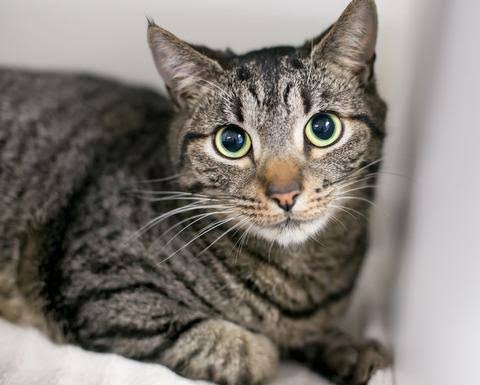
Blood pressure medication combined with treatment of the underlying kidney or thyroid issue can stabilize eye health.
Eye drops to reduce pressure are the first line of treatment, with surgery considered in advanced or painful cases.
Antibiotic or anti-inflammatory eye drops typically resolve dilation linked to infection or uveitis within one to two weeks.
Cats adapt remarkably well to vision loss using scent, hearing, and memory of their home layout.
Avoid rearranging furniture and keep food, water, and litter boxes in consistent locations.
When dilation is linked to an underlying painful condition, vets often prescribe pain relief alongside treatment for the root cause.
Reducing discomfort not only improves quality of life but can also help pupils return closer to a normal resting size.
Any pupil dilation lasting longer than a day in normal lighting conditions warrants a phone call to your vet.
This is especially true for senior cats, since age-related conditions like hypertension and iris atrophy become far more common after age 10.
Bringing a short video of the behavior can help your vet see exactly what you are noticing at home.
Annual or semi-annual checkups allow vets to catch subtle eye and blood pressure changes before they become serious.
Keep an occasional note of your cat’s normal pupil behavior so you can quickly notice when something looks different.
Cats over 10 years old benefit from more frequent eye and blood pressure screening as part of senior wellness care.
Since anxiety can mimic medical dilation, a calm environment with consistent routines helps minimize false alarms.
A balanced diet rich in taurine and antioxidants supports healthy retinal function over a cat’s lifetime.
Taurine deficiency, while rare in cats fed complete commercial diets, can directly damage the retina and contribute to vision problems.
Keeping cats away from sharp plants, open flames, and rough outdoor environments lowers the risk of corneal injuries that can lead to anisocoria.
Indoor cats generally face fewer trauma-related eye injuries compared to cats with regular outdoor access.
Kittens naturally show wider pupils more often since their world is full of new stimulation, sounds, and movement to investigate.
This heightened curiosity response is rarely linked to disease, though sudden behavioral changes alongside dilation still deserve a vet check.
Adult cats typically show the clearest, most predictable pupil responses, making it easier for owners to notice when something looks off.
A healthy adult cat’s pupils should react quickly and evenly to changes in light within a normal household setting.
Senior cats face a much higher risk of hypertension, kidney disease, and iris atrophy, all of which can affect pupil size.
Because age-related conditions often develop slowly, subtle dilation changes are easy to miss without regular veterinary monitoring.
Dim the room for a minute, then switch on a bright light while watching how quickly the pupils shrink.
A normal, healthy response should happen within one to two seconds in both eyes equally.
Take a clear, well-lit photo of your cat’s face and compare pupil size between the left and right eye.
Any noticeable size difference should be flagged to your vet, even if your cat seems to be acting completely normal.
Jot down the date, time of day, lighting conditions, and any other symptoms whenever you notice unusual dilation.
This record can help your vet identify patterns that might not be obvious from a single visit.
Certain breeds, including Siamese and other cats with light-colored or sensitive eyes, may show slightly more noticeable pupil changes in everyday lighting.
Knowing your individual cat’s normal baseline makes it much easier to recognize a genuine deviation.
Many people assume wide pupils signal aggression, but dilation is far more often linked to excitement, curiosity, or simple lighting changes.
True aggression usually comes with other clear signals like hissing, flattened ears, or a swishing tail rather than pupil size alone.
While age increases certain risks, conditions like uveitis, infections, and trauma-related anisocoria can affect cats of any age.
Young, healthy-looking cats should not be excluded from a vet visit just because serious eye disease seems more typical in seniors.
Pain can certainly cause dilation, but so can happiness, playfulness, and anticipation, so context always matters more than pupil size alone.
Watching the full picture of body language and behavior gives a much more accurate read than the eyes by themselves.
This usually points to a medical issue like glaucoma, hypertension, or vision loss. A vet exam can confirm the exact cause quickly.
No, healthy pupils should shrink in bright light and widen in dim light. Constant dilation all day is not typical and should be checked.
Yes, ongoing anxiety can keep pupils wide for extended periods. Reducing stress triggers often helps pupils return to normal.
Many blind cats do show constantly dilated pupils since their eyes try to gather more light. This is common with age-related vision loss.
This is called anisocoria and always signals an underlying problem. It should be checked by a vet within the same day.
Yes, hypertension is a leading cause of sudden vision loss and dilated pupils in older cats. Treating blood pressure often improves eye symptoms.
Normal dilation from excitement or low light usually fades within minutes. Anything lasting several hours or more is considered abnormal.
Yes, glaucoma causes painful pressure buildup inside the eye. Cats may squint, paw at the eye, or seem unusually withdrawn.
Kittens often have wider pupils due to constant curiosity and play. However, persistent dilation in low-stimulation settings still warrants a vet check.
Yes, pain is a common trigger for pupil dilation in cats. If dilation appears alongside hiding or reduced appetite, contact your vet.
Dilated pupils in cats are usually nothing to worry about, often linked to low light, play, excitement, or a catnip session. These everyday triggers fade quickly once the stimulation passes.
However, pupils that stay wide for hours, appear uneven, or come with symptoms like cloudiness, redness, or behavior changes deserve prompt veterinary attention. Conditions like hypertension, glaucoma, and anisocoria are manageable when caught early.
The safest approach is simple: observe your cat’s normal eye behavior, note any sudden changes, and never hesitate to call your vet if dilation seems abnormal or persistent. Early action protects your cat’s vision and overall health for years to come.