
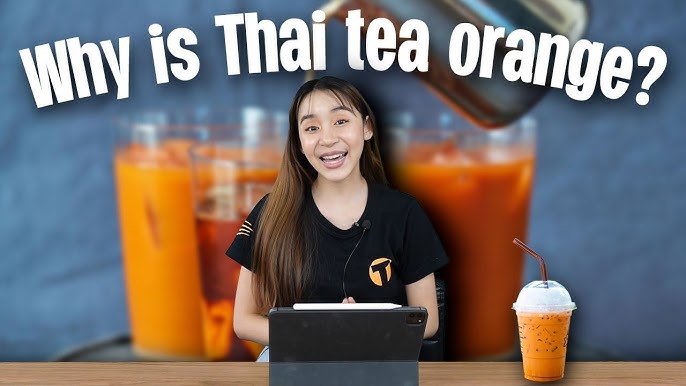
Why is Thai tea orange is one of the most common questions people ask the first time they see that glowing, sunset-colored drink at a Thai restaurant or boba shop.
The short answer involves a mix of strong black tea, warming spices, and in most commercial versions, a splash of food coloring. But the full story is more interesting than a simple dye job, blending history, marketing, and a bit of food chemistry.
Some versions lean on natural ingredients like tamarind and star anise, while mass-market tea mixes rely on synthetic colorants that are now facing fresh regulatory attention in 2026.
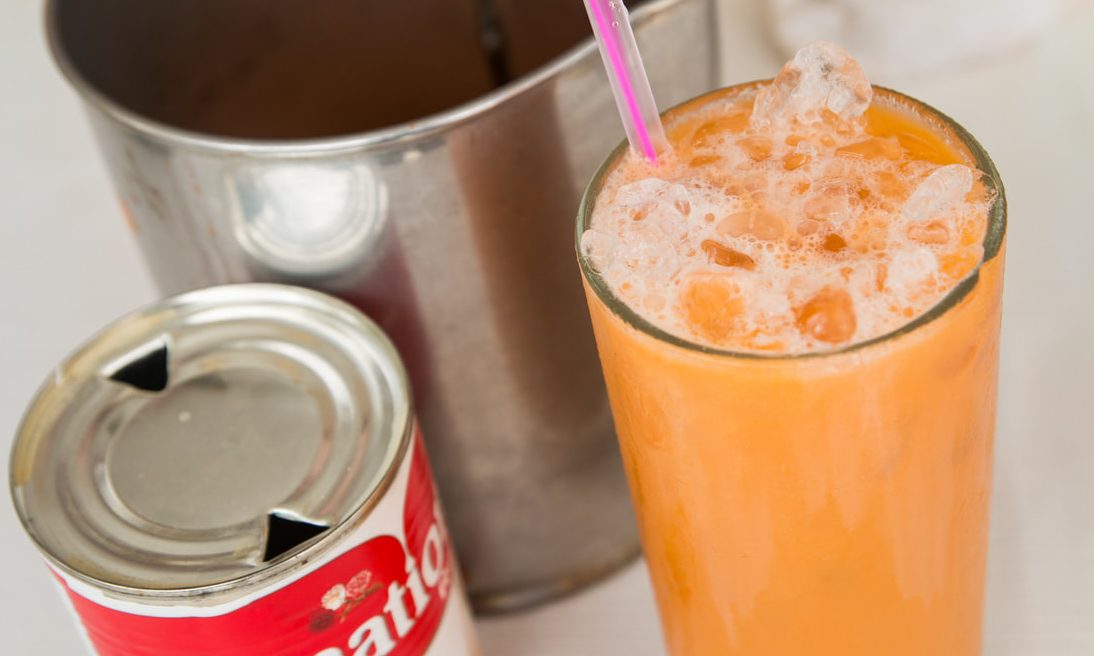
Thai tea gets its color from a combination of strongly brewed black tea, spices like star anise and tamarind, and added food coloring, most often a synthetic dye called Sunset Yellow FCF.
On its own, brewed Ceylon or Assam black tea produces a reddish-brown or beige color, not the bright orange most people associate with the drink.
Most of the vivid orange seen in restaurants and bottled mixes comes from manufacturers adding color directly to the dry tea blend before it ever reaches your cup.
The honest answer is both, depending on how and where the tea is made. Traditional home recipes can lean more natural, while commercial tea mixes almost always include artificial dye.
Natural ingredients like tamarind, star anise, and orange blossom water do shift the tea’s color toward a warmer, amber-orange tone, but rarely produce the neon-bright orange seen in popular brands.
Most of the eye-catching, almost fluorescent orange you see in tea shop photos comes specifically from added synthetic food coloring rather than the tea leaves or spices alone.
Tea drinking arrived in Thailand centuries ago, but the bright orange version most people recognize today developed much more recently, shaped by trade, marketing, and convenience.
| Period | What Happened |
|---|---|
| 17th century | Tea drinking introduced to Thailand during the Ayutthaya period through trade with China |
| 19th century | British and other foreign residents bring tea customs to the Thai royal court |
| Early 1900s | Milk and sugar added to tea, likely influenced by Indian-style milk tea |
| Mid-20th century | Vendors begin using Ceylon and Assam tea blends with spices for street-side iced tea |
| Mid-to-late 1900s | Food coloring added to standardize color and make tea visually distinct from coffee |
| 2025–2026 | US regulators push to phase out synthetic dyes commonly used in Thai tea mixes |
Most commercial Thai tea mixes, including well-known brands sold worldwide, use a short and surprisingly simple ingredient list rather than a long natural recipe.
| Ingredient | Purpose |
|---|---|
| Black tea (Assam or Ceylon) | Base flavor and natural reddish-brown tint |
| Sugar | Sweetness, often pre-mixed into the tea powder |
| Artificial flavoring | Boosts aroma and overall flavor intensity |
| FD&C Yellow No. 6 (Sunset Yellow) | Primary source of the bright orange color |
| FD&C Red No. 40 (sometimes) | Added in some blends to deepen the orange-red tone |
| Star anise or tamarind (some brands) | Adds warm spice notes and a subtle natural tint |
Plain brewed Assam or Ceylon tea naturally produces a deep amber to reddish-brown liquid, which looks much closer to ordinary iced tea than the bright orange found in Thai restaurants.
Once milk is added, that reddish-brown tea typically turns a soft beige or tan color, similar in appearance to Thai iced coffee, which historically caused confusion between the two drinks.
This visual overlap between tea and coffee is actually one of the leading explanations for why tea vendors eventually started adding color in the first place.
Food coloring is the single biggest factor behind the bright, consistent orange seen in most commercial Thai tea today, especially in bottled drinks and tea shop versions.
Sunset Yellow FCF, also labeled FD&C Yellow No. 6, is the most commonly used dye, sometimes combined with a small amount of Red No. 40 to deepen the shade.
These same dyes are used in many other processed foods, including some boxed macaroni and cheese products, which is why people often compare Thai tea’s color to that familiar orange hue.
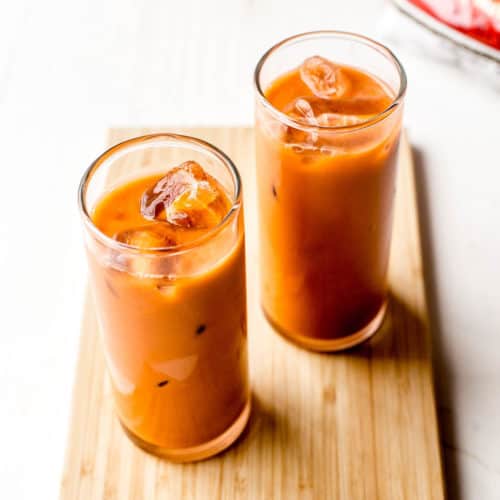
There isn’t one single, confirmed origin story, but food historians and tea brands point to a few overlapping explanations that likely worked together over time.
Since milky black tea and milky Thai coffee can look nearly identical once served, vendors are believed to have added color specifically to make the two drinks easy to tell apart at a glance.
As Thai tea spread internationally, especially to the United States, a bold orange color helped the drink stand out visually on menus and in photos compared to typical iced lattes.
Some accounts suggest that when tea leaves were reused multiple times to save costs, their color and flavor faded, so spices and coloring were added to make the drink look and taste fresh again.
Beyond food coloring, several traditional spices contribute both flavor and a subtle natural color shift, especially in homemade or small-batch versions of the drink.
Star anise adds a warm, slightly sweet aroma along with a faint reddish tint when steeped for an extended period alongside the tea leaves.
Tamarind, a tangy fruit pulp common in Thai cooking, contributes a natural reddish-brown hue and a mild tartness that balances the tea’s sweetness.
Orange blossom water is sometimes included for fragrance rather than color, though it does add a faint golden warmth to the overall appearance.
Sunset Yellow FCF and Red No. 40 are both approved food colorings in the United States, and the FDA considers them safe within typical dietary amounts for most people.
However, some studies, including a widely cited UK trial, have linked mixtures of synthetic dyes to increased hyperactivity in certain children, which has fueled stricter rules in parts of Europe and the UK.
Because of this research, Sunset Yellow and similar dyes are already banned or restricted in several countries, even though they remain legal and common in the United States as of 2026.
In April 2025, US health regulators announced a plan for food manufacturers to voluntarily phase out six petroleum-based synthetic dyes, including Yellow No. 6 and Red No. 40, the same dyes commonly used in Thai tea mixes.
The target timeline set by regulators points toward the end of 2026, though several manufacturers and reports describe later deadlines extending into 2027, since the phase-out is voluntary rather than a strict legal ban.
Multiple US states have already passed their own restrictions on these dyes in school food, and lab testing in Thailand has also confirmed that popular milk tea brands commonly contain Sunset Yellow FCF and similar colorants.
For Thai tea specifically, this shift means some brands may begin reformulating their mixes with natural alternatives like beta-carotene, turmeric, or annatto to maintain that signature orange look without synthetic dye.
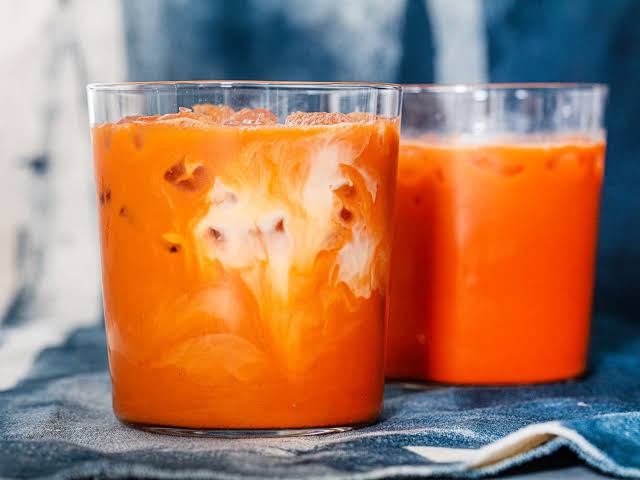
Yes, most likely, since the demand for that iconic bright orange color is strong enough that brands are expected to switch ingredients rather than abandon the look entirely.
Natural colorants such as annatto extract, beta-carotene, turmeric, or paprika oleoresin can produce warm orange tones and are already approved alternatives under current food coloring regulations.
The resulting shade may end up slightly less neon-bright than today’s synthetic-dye versions, but the overall orange identity of Thai tea is expected to remain intact.
Making Thai tea without synthetic dye starts with strongly brewing Ceylon or Assam black tea, ideally steeped longer than usual to maximize natural color and flavor.
Adding whole spices like star anise, a small amount of crushed tamarind, and a pinch of ground cardamom during steeping helps build a warmer, more complex amber-orange tone.
Sweetened condensed milk and evaporated milk round out the color and flavor, producing a creamy, naturally tinted version that’s noticeably softer in color than dye-based tea but still distinctly Thai.
Thai iced coffee and Thai iced tea share several ingredients, including sweetened condensed milk and a strong, dark base, which historically made them easy to confuse when served side by side.
| Feature | Thai Iced Tea | Thai Iced Coffee |
|---|---|---|
| Base | Black tea (Assam/Ceylon) | Strong brewed coffee |
| Typical Color | Bright orange | Dark brown |
| Common Add-Ins | Star anise, tamarind, food coloring | Cardamom, sometimes food coloring |
| Sweetener | Condensed milk, sugar | Condensed milk, sugar |
| Caffeine (approx.) | 40–60 mg per cup | 80–100 mg per cup |
The deliberate orange coloring of Thai tea helped solve this visual mix-up, giving each drink its own clear identity on menus and in photos.
| Factor | Natural Color Approach | Artificial Color Approach |
|---|---|---|
| Source | Tea leaves, tamarind, star anise | Sunset Yellow FCF, Red No. 40 |
| Color Intensity | Warm amber-orange | Bright, vivid orange |
| Consistency | Varies batch to batch | Highly consistent |
| Regulatory Status | Generally unrestricted | Facing phase-out in the US by 2026–2027 |
| Common Use | Homemade recipes, specialty cafés | Commercial mixes, bottled drinks |
The choice of tea leaf does influence the final shade, even before any food coloring or spices enter the picture, since different black teas carry slightly different natural pigments.
Ceylon tea, grown in Sri Lanka, tends to produce a brighter, more reddish-amber liquor when brewed strong, which is part of why it was historically preferred for Thai tea before cost pushed many producers toward local alternatives.
Assam tea, often grown locally in Thailand under the name Bai Miang, brews darker and more robust, leaning toward deep reddish-brown rather than the lighter amber tone Ceylon produces.
Neither leaf alone produces the bright orange most people expect, which is exactly why spices and food coloring became standard additions rather than optional extras. Even high-quality, single-origin Ceylon tea brewed at full strength typically tops out at a deep amber-red, still falling short of the saturated orange seen in most commercial Thai tea.
Not every glass of Thai tea looks identical, and color can vary noticeably depending on the region, the specific brand of tea mix, and even the shop preparing it.
Some Thai tea shops in Thailand itself use milder coloring or rely more heavily on spice blends, producing a softer amber-orange rather than the neon shade common in Western Thai restaurants.
Export-focused brands, particularly those sold in the United States and aimed at restaurant supply chains, often use stronger doses of synthetic dye to ensure the color stays vivid and consistent across every batch and shipment.
| Region/Brand Type | Typical Color Intensity | Likely Reason |
|---|---|---|
| Street vendors in Thailand | Moderate amber-orange | Lighter dye use, more reliance on spices |
| Western Thai restaurants | Bright, vivid orange | Stronger synthetic dye for visual consistency |
| Specialty or artisanal cafés | Soft, natural amber | Little to no added food coloring |
| Bottled or canned Thai tea | Bright, uniform orange | Standardized dye levels for shelf consistency |
People often associate Thai tea’s bold color with its strength, but caffeine content actually depends on the tea base and steeping time rather than the color additives themselves.
A typical glass of Thai tea contains roughly 40 to 60 milligrams of caffeine, somewhat less than a standard cup of coffee, even though the bright color can make it feel more intense. For comparison, an average 8-ounce cup of drip coffee contains closer to 95 milligrams, meaning Thai tea is a moderate rather than heavy caffeine choice despite its bold appearance.
Since the orange hue comes from coloring rather than caffeine concentration, a deeply colored glass of Thai tea isn’t necessarily stronger or more caffeinated than a paler, naturally tinted version.
For anyone sensitive to synthetic dyes or monitoring food additive intake, checking the ingredient label on bagged Thai tea mixes is the most reliable way to know whether Sunset Yellow or Red 40 is present.
Reading the ingredient label carefully is the easiest way to understand exactly what’s contributing to the orange color in any packaged Thai tea you buy.
Look for terms like FD&C Yellow No. 6, Sunset Yellow FCF, Tartrazine, or FD&C Red No. 40 listed near the top or middle of the ingredient list, which signals synthetic dye is the primary color source.
If a label instead lists ingredients like annatto extract, turmeric, beta-carotene, or paprika oleoresin, the tea is likely using a natural colorant alternative rather than a petroleum-based dye. These natural options are generally considered “exempt” color additives by the FDA, meaning they come from plant, mineral, or animal sources rather than synthetic chemical processes.
Brands marketed as “natural,” “clean label,” or “no artificial colors” have become more common recently, partly in response to growing consumer awareness and the upcoming US dye phase-out.
Part of why Thai tea’s orange color has become so iconic is its strong visual presence on social media, where bright, saturated drinks tend to perform especially well in photos and short videos.
That same vivid orange that makes the drink instantly recognizable on a menu also makes it a popular subject for food bloggers, café branding, and “aesthetic” drink photography across platforms like Instagram and TikTok.
This visual appeal has, in some ways, reinforced the use of stronger synthetic coloring, since a paler, more naturally tinted version doesn’t photograph quite as dramatically under typical lighting.
As natural colorants improve and brands adapt to the 2026 dye phase-out, it’s likely that food styling and photography techniques will also evolve to keep showcasing Thai tea’s signature look.
Here are quick, direct answers to the most common questions people search about Thai tea’s color.
It’s mainly due to added food coloring, usually Sunset Yellow FCF, combined with naturally tinted black tea and spices like star anise.
Not usually. Most commercial versions rely on synthetic dye, though homemade recipes can achieve a softer, more natural orange tone.
The most common dyes are FD&C Yellow No. 6 (Sunset Yellow) and sometimes FD&C Red No. 40 for a deeper shade.
In typical serving amounts it’s considered safe by US regulators, though some studies link synthetic dyes to hyperactivity in sensitive children.
Yes, using strongly brewed black tea with star anise, tamarind, and condensed milk produces a naturally amber-orange version.
Thai tea is specifically dyed orange to visually separate it from the naturally dark brown color of Thai iced coffee.
It may shift to a slightly less vivid orange as brands replace synthetic dyes with natural colorants like annatto or beta-carotene.
Black tea, star anise, tamarind, sweetened condensed milk, and sometimes cardamom all contribute to its signature taste.
Yes, most popular Thai tea mix brands, including widely sold options, list synthetic yellow dye among their ingredients.
No, the orange coloring is purely cosmetic and has no effect on caffeine levels, which depend on the tea base used.
Thai tea’s signature orange color comes down to a mix of strongly brewed black tea, warming spices like star anise and tamarind, and in most commercial versions, added synthetic food coloring such as Sunset Yellow FCF.
While naturally brewed tea leans more toward beige or reddish-brown, food coloring became the easiest way for vendors to create a consistent, eye-catching orange that also helped distinguish tea from similarly colored Thai iced coffee.
The specific tea leaf used, the region or brand preparing it, and how heavily it’s dyed all play a role in whether your glass leans toward a soft amber or a near-neon orange.
With the FDA’s 2026 push to phase out synthetic dyes, some brands may shift toward natural colorants like annatto or beta-carotene, slightly softening that signature glow without losing it entirely.
Whether you’re sipping a dye-based version from your favorite restaurant or brewing a naturally tinted batch at home, the orange hue remains one of Thai tea’s most recognizable and beloved features. Understanding what’s actually behind the color makes every sip a little more interesting.