
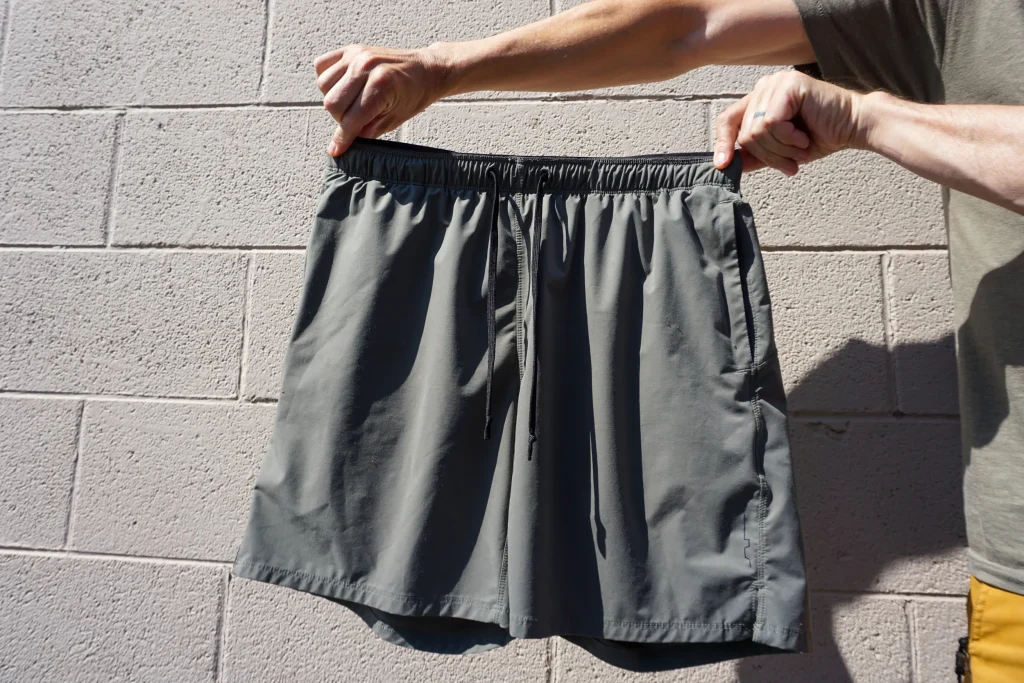
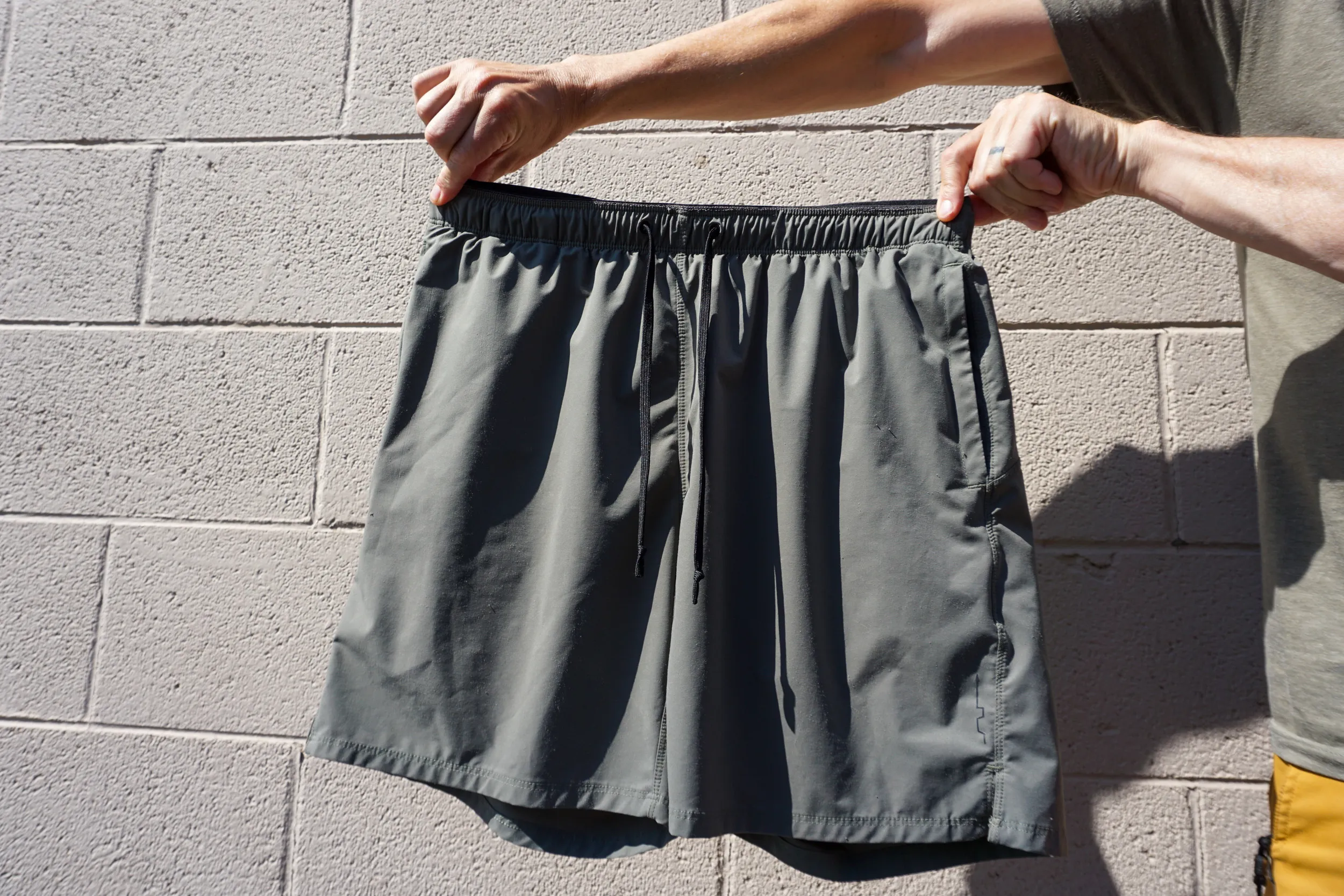
Why do men’s running shorts have liners? It’s the small built-in layer hidden inside most running shorts, and it solves more problems than runners realize.
The liner sits between your skin and the outer fabric, working quietly through every stride you take. In 2026, brands keep refining liner fabric, stitching, and fit to make running feel smoother, drier, and safer over long distances.
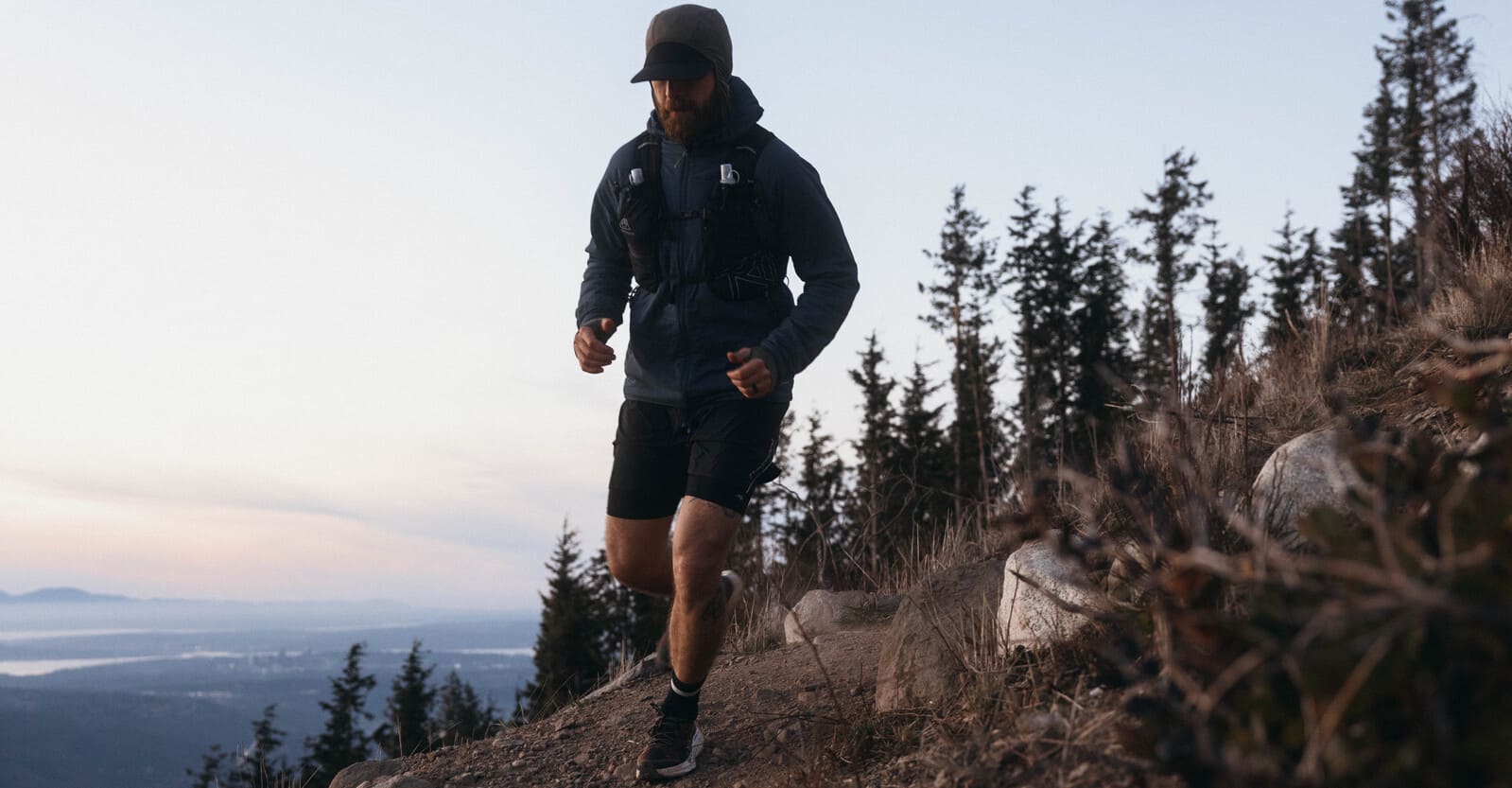
Liners exist to handle five jobs at once. Support, chafing prevention, moisture control, convenience, and breathability all come from one thin layer.
Here’s a fast summary before the full breakdown below.
| Reason | What the Liner Does |
|---|---|
| Support | Holds everything close to reduce bounce and jostling |
| Chafing prevention | Creates a smooth barrier against friction |
| Moisture control | Wicks sweat away so skin stays dry |
| Convenience | Removes the need for separate underwear |
| Breathability | Keeps airflow moving through mesh panels |
A liner is a thin, built-in undergarment sewn directly inside the shorts. It is not an accessory. It is part of the construction.
Most liners are made from lightweight polyester, nylon, or spandex blends. These fabrics stretch, breathe, and dry fast compared to cotton underwear.
The liner moves with your body instead of against it. That single detail changes how a short feels once you’re actually running instead of just trying it on in a store.
Brief-style liners feel close to regular underwear. They sit loosely around the hips and offer light support without much compression.
Runners doing shorter, faster efforts often prefer this style. It feels less restrictive and keeps air moving freely around the legs.
Compression liners fit tighter, almost like a second skin. They extend further down the thigh than brief-style liners do.
This style suits longer runs and trail sessions. The added hold reduces muscle fatigue and lowers the risk of chafing from pack straps or repeated friction.
Mesh liners prioritize airflow above everything else. The open-weave fabric lets heat escape quickly during hot-weather runs.
They offer less structure than compression liners but feel cooler. Many runners choose mesh liners for summer training blocks specifically for that reason.
| Liner Type | Feel | Best For |
|---|---|---|
| Brief-style | Loose, light, underwear-like | Short runs, casual training |
| Compression | Snug, supportive, second-skin fit | Long runs, trail running |
| Mesh | Airy, breathable, minimal structure | Hot weather, summer training |
Liner construction matters just as much as liner style. The fabric blend, stitching method, and waistband all affect how a liner performs over hundreds of miles.
Most brands now build liners around a small set of proven materials and techniques rather than experimenting with new ones every season.
Polyester dominates most liners because it dries fast and resists stretching out of shape. Nylon adds a touch more softness against the skin.
Spandex is blended in small percentages, usually 5 to 15 percent, to give the liner enough stretch to move freely without losing its shape after washing.
Flat-lock stitching has become standard because it lies smoother against skin than traditional overlock seams. This single detail reduces a surprising amount of friction.
Some 2026 models use bonded or laser-cut seams entirely, removing stitched edges from high-friction zones like the inner thigh.
Waistband construction has improved as well. Wide, flat elastic bands now distribute pressure more evenly than the thin elastic used in older liner designs.
These five reasons explain why liners became a standard feature instead of an optional add-on.
Each one solves a specific discomfort that shows up the moment a short run becomes a long one.
Running creates constant vertical movement. Without support, that movement turns into bounce, swinging, and friction in sensitive areas.
A liner holds everything snug against the body. This reduces unwanted movement, especially during faster paces or uneven trail terrain.
Less bounce means less distraction. You stop thinking about your shorts and start thinking about your pace instead.
This matters more on uneven terrain. Trail runners especially notice the difference once roots, rocks, and sudden direction changes enter the picture.
Chafing ranks among the most common running complaints. It happens when skin rubs repeatedly against fabric or against itself.
A liner creates a smooth, consistent layer between your body and the outer shell. That barrier reduces direct friction during every single stride.
Over a 5-mile run, thousands of strides repeat the same motion. A liner keeps that repetition from turning into raw, irritated skin.
Without that barrier, even high-quality outer fabric can rub skin raw within a single long session, especially in humid conditions.
Sweat is unavoidable once you’re a mile into any run. What matters is where that moisture goes next.
Liner fabric is engineered to pull sweat away from skin and push it toward the surface, where it evaporates faster. This keeps you drier for longer.
Trapped moisture also breeds bacteria and odor. A good liner lowers that risk simply by not letting sweat sit against your skin.
Faster drying also means less weight. A soaked cotton layer feels heavy by mile six, while a wicking liner stays light the entire run.
Wearing regular underwear under running shorts adds a second layer of seams, elastic, and fabric. That extra layer often bunches or rides up mid-run.
A built-in liner replaces underwear entirely. It is cut and positioned specifically for athletic movement, not everyday sitting or walking.
Fewer layers mean less laundry, fewer adjustments mid-run, and one less decision to make before you head out the door.
It also lowers cost over time. You’re not buying and replacing a separate underwear drawer just for running days.
Liners are built from stretch fabrics that move with your hips and thighs instead of resisting them. That flexibility supports a full, natural running stride.
Mesh panels inside many liners add ventilation exactly where heat builds up fastest. This keeps your core temperature more stable during longer efforts.
The result is a short that disappears into the background of your run instead of fighting against it.
That disappearing feeling is really the goal of every good liner. The less you notice it, the better it’s actually doing its job.
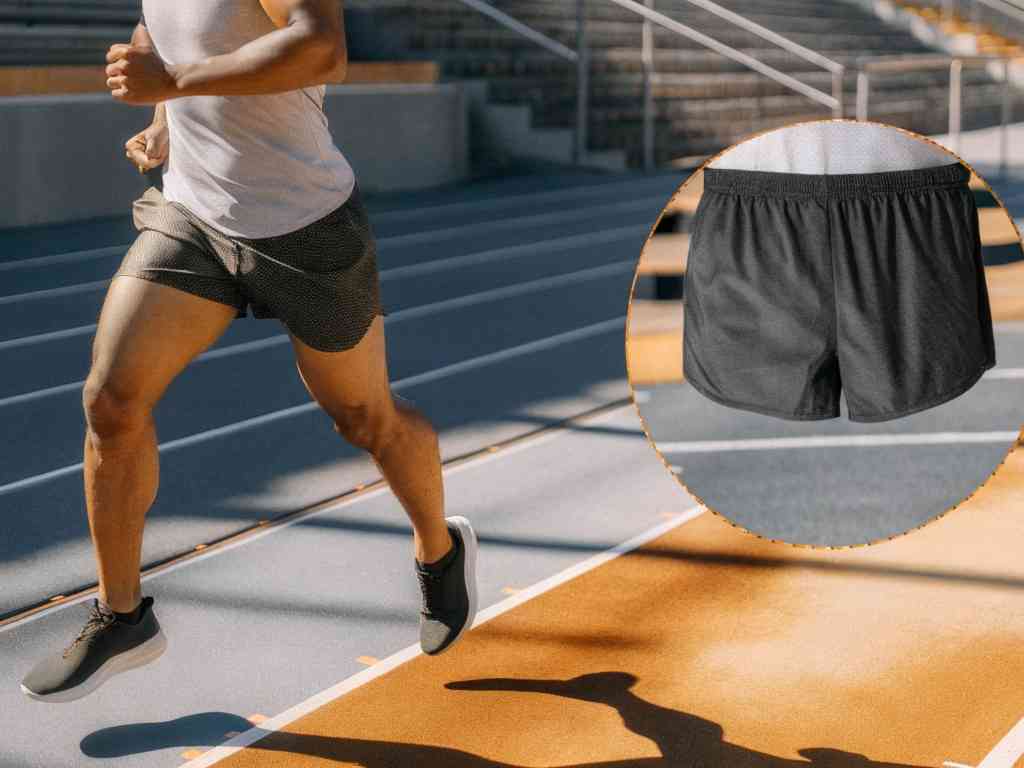
Not every running shorts style treats the liner the same way. The outer cut changes how much the liner actually needs to do.
Knowing these differences helps explain why two pairs of “lined” shorts can feel completely different on a run.
| Shorts Style | Typical Liner | Why It Works This Way |
|---|---|---|
| V-notch shorts | Brief-style | Lightweight cut favors minimal, breathable support |
| Split shorts | Brief-style or none | Open side seam already maximizes airflow and motion |
| 2-in-1 shorts | Compression | Built-in compression layer is the defining feature |
| Trail running shorts | Compression | Extra hold protects against pack straps and rough terrain |
V-notch shorts pair naturally with brief-style liners since the design already prioritizes a light, fast feel.
2-in-1 shorts go further than a simple liner. They build an entire compression short into the outer shell, which is why they often feel closer to tights underneath a loose shell.
Liner technology hasn’t stood still. Brands have shifted toward lighter mesh blends that dry noticeably faster than older liner fabrics from a few years back.
Anti-odor treatments are now common in mid-range running shorts, not just premium ones. Silver-ion and bamboo-based fibers show up more often inside 2026 liners.
Seam placement has also improved. Many brands now use bonded or laser-cut seams instead of stitched edges, which lowers the chance of seam-related chafing on long runs.
Brands are also offering more liner choices within the same shorts model. Some 7-inch and 9-inch running shorts now come in both brief-style and compression-liner versions of the identical outer shell.
Neither option is universally better. The right choice depends on what you already wear underneath and how your body responds to friction.
Here’s a side-by-side look at both styles.
| Feature | Lined Shorts | Unlined Shorts |
|---|---|---|
| Underwear needed | No | Optional |
| Chafing protection | Built-in | Depends on what’s worn underneath |
| Bulk | Minimal | Can add bulk with extra layers |
| Flexibility | Fixed liner type | Choose your own base layer |
| Best for | Daily training, long runs | Gym crossover, personal preference |
Lined shorts work best for daily training runs, long-distance sessions, and anyone who wants a grab-and-go setup. You put them on and you’re ready.
They also suit runners who’ve struggled with chafing in the past, since the built-in barrier removes the guesswork around what to wear underneath.
Unlined shorts make sense if you already prefer compression shorts or specific base layers. They let you control fit and support independently from the outer shell.
Gym-goers who alternate between running and lifting often prefer unlined shorts, since they can pair them with different base layers depending on the workout.
No, you generally don’t. The liner is designed to function as your only base layer, not as an extra layer on top of underwear.
Wearing both at once usually backfires. Two layers competing for the same space often create more bunching and friction than no liner at all.
If a liner feels insufficient on its own, that’s typically a sign the liner doesn’t fit well or lacks enough support for your body type. Trying a compression-liner style is often the better fix.
A jockstrap focuses purely on support, using a pouch and elastic straps with no fabric coverage around the legs. It’s built for impact sports, not distance running.
A running shorts liner covers more surface area and adds moisture-wicking and chafing protection on top of basic support. That’s a wider job than a jockstrap is designed to do.
Most runners don’t need both at once. Layering a jockstrap under a lined short usually adds bulk without adding real benefit.
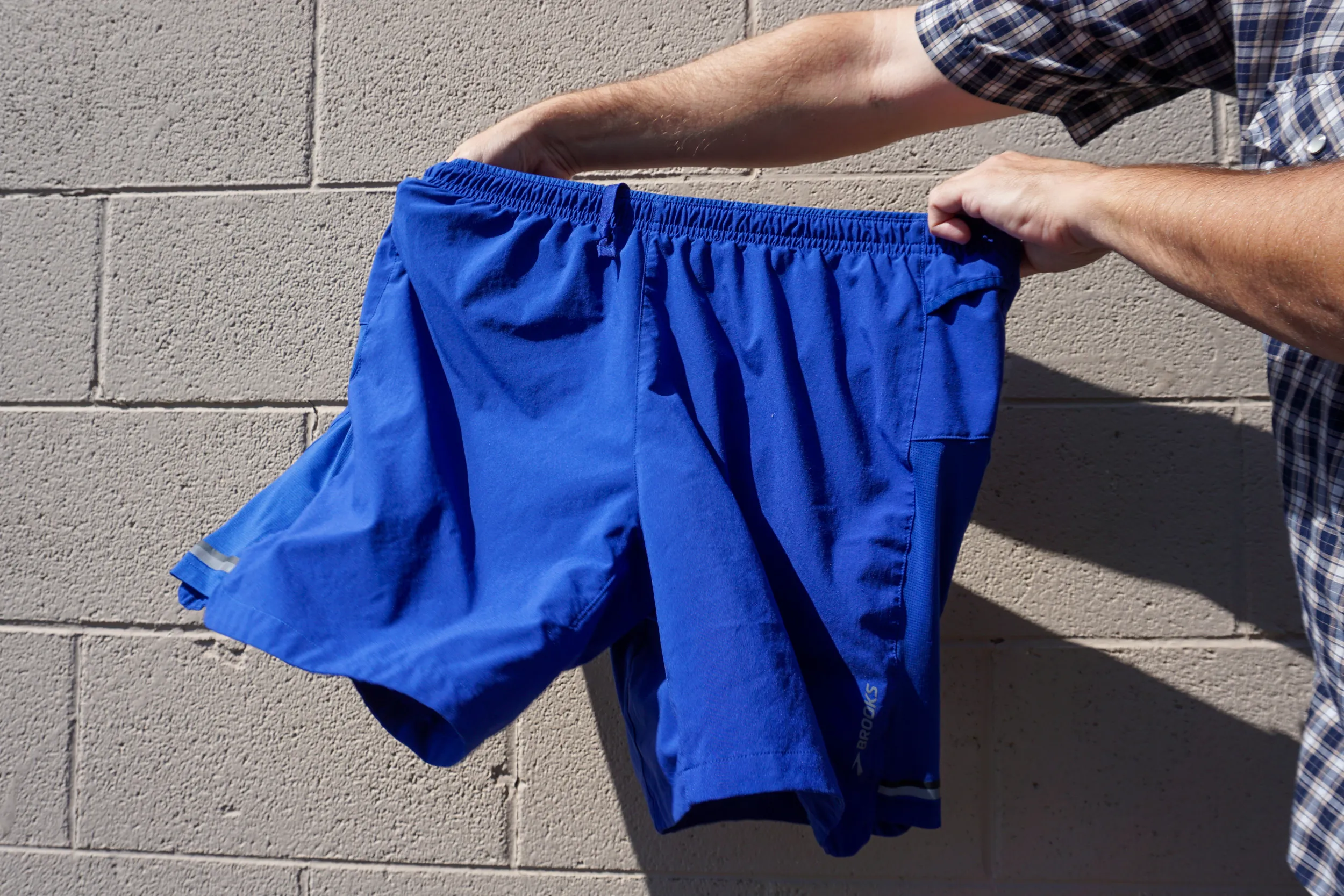
Picking a liner isn’t about finding the “best” one. It’s about matching the liner to how, where, and how far you actually run.
Short, fast runs usually pair well with brief-style liners. They’re light and don’t add unnecessary structure.
Long runs and trail sessions benefit more from compression liners, since the extra hold reduces fatigue and muscle bounce over time.
Hot, humid climates call for mesh liners with maximum airflow. Less structure means less heat trapped against skin.
Cooler climates can handle slightly heavier compression liners, which add a touch of warmth without sacrificing moisture control.
A liner that’s too loose won’t reduce bounce, and one that’s too tight can dig into the skin and create new friction points.
Try moving in the shorts before buying. Squat, lunge, or jog in place if you’re trying them on in a store.
Pay attention to the waistband too. A liner waistband that digs in or rolls down mid-run usually points to the wrong size rather than a bad liner design.
Liners wear out faster than the outer shell partly because of how they’re washed. A few small habits extend their life significantly.
| Do | Don’t |
|---|---|
| Wash in cold or warm water | Use hot water, which breaks down elastic fibers |
| Air dry when possible | Use high-heat dryer settings regularly |
| Turn shorts inside out before washing | Use fabric softener, which clogs wicking fibers |
| Wash after every run | Let sweat sit for days before washing |
Skipping fabric softener matters more than people expect. It coats the fibers and blocks the moisture-wicking properties the liner depends on.
Liners wear out long before the outer shell does. The elastic stretches, the fabric thins, and support quietly disappears.
Watch for these common warning signs.
Replacing a worn liner is far cheaper than dealing with weeks of avoidable chafing or discomfort.
Not every runner has the same priorities. Matching liner style to your typical training pattern usually beats chasing whatever liner is most popular.
New runners often do best with brief-style liners. They’re forgiving, comfortable for shorter distances, and don’t require getting used to a snug compression feel right away.
Compression liners tend to win out here. The extra hold reduces fatigue and chafing risk across the kind of mileage that builds up real friction over hours.
Trail runners benefit from compression liners paired with durable outer fabric. Pack straps, branches, and uneven footing all increase friction risk compared to road running.
Runners who also lift or do mixed training often prefer unlined shorts. This lets them pair the same shorts with different base layers depending on the workout.
A few small habits quietly cancel out everything a good liner is designed to do.
The first mistake is doubling up with underwear underneath, which adds bulk and increases friction instead of reducing it.
The second mistake is buying based on outer shell looks alone, while ignoring liner type, fit, and fabric entirely.
The third mistake is holding onto worn-out liners for too long, assuming the shorts themselves haven’t changed even though support has clearly faded.
The fourth mistake is choosing a liner style that doesn’t match typical run distance, like wearing a minimal brief liner on long trail runs that really call for more compression and hold.
A fifth, smaller mistake is ignoring liner color under light-colored shells. Darker liners show less through thin fabric, which matters more to some runners than others.
No, not all of them do. Many brands now sell both lined and unlined versions of the same shorts model.
In most cases, no, since liners are sewn directly into the construction. Some shorts use snap-in liners that can be removed.
Usually not. The liner is built to replace underwear, and wearing both often creates more bunching and friction.
Yes, as long as you wear compression shorts or another base layer underneath for support and chafing protection.
Some runners prefer choosing their own base layer, and skipping the liner gives them that flexibility and control.
Most liners use polyester, nylon, or spandex blends chosen for stretch, quick-drying, and moisture-wicking performance.
Compression liners can trap slightly more heat than mesh liners, but most modern liners are built specifically to stay breathable.
With regular use, most liners hold their support for about 6 to 12 months before elasticity starts to fade.
Neither is universally better. Compression liners suit long runs, while brief-style liners suit shorter, faster training sessions.
The core purpose is the same, but cut, support placement, and sizing differ to match each body type.
Men’s running shorts have liners for five clear reasons: support, chafing prevention, moisture control, convenience, and breathability. None of these are minor details.
Together, they decide whether a run feels comfortable or distracting from the very first mile. Choosing between brief-style, compression, or mesh liners comes down to your typical distance, climate, and personal comfort preferences rather than any single “correct” answer.
Lined shorts work well for runners who want a simple, grab-and-go setup, while unlined shorts suit those who already trust their own base layer underneath. Construction details like fabric blend, seam type, and waistband stitching also shape how long a liner stays comfortable across hundreds of training miles.
Whichever style you choose, paying attention to fit, washing habits, and replacing worn-out liners on time will keep chafing, bounce, and discomfort from ever becoming a problem on your next run, race, or training cycle.