
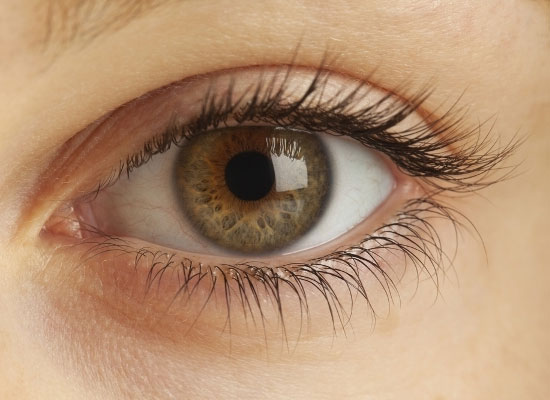
Why do we have eyelashes is a question most people never stop to ask — yet the answer reveals one of the most elegant protective systems the human body has ever evolved.
Eyelashes are far more than a cosmetic feature. They shield the eye from airborne particles, trigger a life-saving blink reflex, slow down evaporation of the tear film, and even reduce UV exposure.
Backed by peer-reviewed research from the Journal of the Royal Society Interface and confirmed across 22 mammal species, eyelashes perform critical protective work every second of every day.
Eyelashes are rows of modified hairs growing from the margins of the upper and lower eyelids. They grow from follicles embedded in the dermis layer of the eyelid — shallower than scalp hair follicles, which is why eyelashes are shorter and finer than head hair.
The upper eyelid typically carries 90 to 160 lashes arranged in 5 to 6 rows. The lower lid has 75 to 80 lashes in 3 to 4 rows. Upper lashes are longer, averaging 8 to 12 mm, while lower lashes average 6 to 8 mm.
Each lash is made of three layers. The outer cuticle consists of overlapping scales that protect the inner structure. The cortex contains keratin protein and melanin, which determine strength and color. The innermost medulla provides structural support to the entire shaft.
Eyelash anatomy at a glance:
| Structure | Description |
|---|---|
| Upper lash count | 90 – 160 lashes in 5–6 rows |
| Lower lash count | 75 – 80 lashes in 3–4 rows |
| Upper lash length | 8 – 12 mm average |
| Lower lash length | 6 – 8 mm average |
| Optimal protective length | One-third of eye width |
| Main protein | Keratin |
| Color determined by | Melanin in cortex |
| Follicle depth (upper lid) | ~2.4 mm |
| Follicle depth (lower lid) | ~1.4 mm |
The curved shape of eyelashes is not random. It results from asymmetric cell development inside the follicle — the inner (concave) side of the hair grows thicker than the outer side, producing the characteristic outward arc that is found in every ethnicity.
Every eyelash goes through a continuous three-phase growth cycle that replaces each lash roughly every 4 to 6 months. This cycle is shorter and moves faster than the growth cycle of scalp hair.
The anagen phase is the active growing phase. The hair follicle is firmly anchored to the dermal papilla, and cells in the hair bulb divide rapidly to push the lash outward. This phase lasts approximately 30 to 45 days for eyelashes.
At any given time, roughly 40% of upper lashes and 15% of lower lashes are in the anagen phase. Eyelashes grow at approximately 0.15 mm per day during this phase.
During catagen, the follicle stops producing new cells and the lash detaches from its blood supply. This phase is brief — lasting only 2 to 3 weeks — and marks the lash entering its final stage of its current life.
No lash extension or serum can meaningfully affect lashes already in catagen, since active follicle function has already ceased.
Telogen is the resting phase, lasting approximately 100 days. The old lash eventually sheds naturally and a new lash begins growing from the same follicle to take its place.
Losing 1 to 5 eyelashes per day is entirely normal and reflects the telogen phase completing for individual lashes across both eyes.
Eyelash growth cycle summary:
| Phase | Activity | Duration |
|---|---|---|
| Anagen | Active growth | 30 – 45 days |
| Catagen | Transition, detaching from blood supply | 2 – 3 weeks |
| Telogen | Resting and shedding | ~100 days |
| Full cycle | One complete lash replaced | 4 – 6 months |
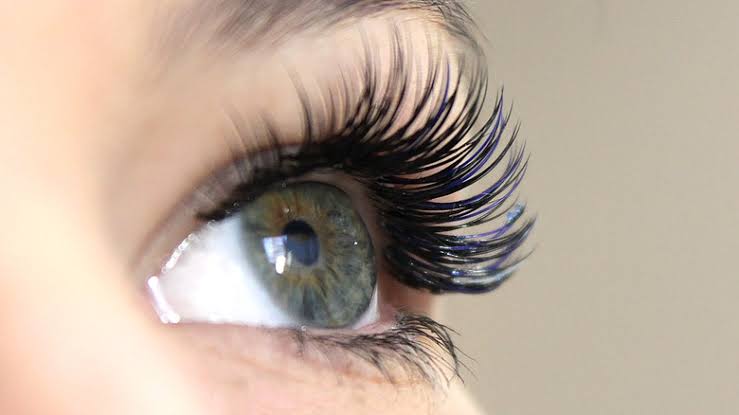
Research across ophthalmology, biomechanics, and evolutionary biology has identified seven distinct protective functions that eyelashes perform. Each is described in full below.
This is the most scientifically documented function, and the one that changed how researchers think about eyelashes entirely.
A landmark 2015 study published in the Journal of the Royal Society Interface by researchers at Georgia Institute of Technology used wind tunnel experiments to test how eyelashes interact with airflow. The study measured 22 mammal species and found something remarkable: eyelash length across all these species is consistently one-third the width of the eye opening — an optimal ratio that appeared to have evolved independently.
At this specific length, eyelashes create a boundary layer of still air just above the ocular surface. This layer acts as a buffer — slowing incoming air currents and preventing airborne particles (dust, pollen, bacteria, and debris) from being deposited onto the cornea and tear film.
When lashes are shorter than this optimal length, they fail to create an adequate buffer zone. When they are longer, they channel airflow toward the eye rather than away from it — actually making the problem worse. The one-third ratio is the precise sweet spot.
This study confirmed that eyelashes are not simple filters that catch particles mechanically. They are aerodynamic structures that redirect airflow to passively protect the eye — a beautifully efficient biological design.
Eyelashes also play a direct role in keeping the eye hydrated. The tear film is a thin, three-layered coating that covers the cornea at all times — it keeps the eye lubricated, clear, and protected from infection.
Evaporation is the tear film’s greatest enemy. Every breath of air that passes over the eye accelerates moisture loss. Eyelashes reduce this evaporation by slowing airflow directly above the eye surface.
A 2019 follow-up study, also published in the Journal of the Royal Society Interface, used computational fluid dynamics modeling to confirm that eyelashes at the one-third optimal length reduce tear film evaporation by up to 50% compared to having no lashes at all.
This has significant implications for dry eye disease — a condition affecting hundreds of millions of people globally. The loss of eyelashes (madarosis) has been directly linked to accelerated tear film breakdown and worsening dry eye symptoms.
Eyelashes are densely innervated. Each follicle is surrounded by nerve endings that are exquisitely sensitive to even the lightest touch — comparable in sensitivity to cat whiskers.
When an object — a dust particle, an insect, a fingertip, even a gust of air — makes contact with a single eyelash, these nerve endings fire instantly and trigger an involuntary blink reflex. The eyelid closes in approximately 150 to 400 milliseconds — fast enough to intercept most threats before they reach the cornea.
This sensory function is entirely automatic and does not require any conscious thought. You do not decide to blink when your lash is touched — your nervous system does it for you before you are even aware anything happened.
Without this reflex, foreign objects would reach the cornea far more frequently, significantly increasing the risk of corneal abrasion, infection, and permanent vision damage.
While the aerodynamic function diverts airborne particles, eyelashes also serve as a direct physical barrier during eye closure. When the eye closes fully — during sleep, a deliberate blink, or a protective reflex — the upper and lower lashes interlock to form a dense mesh curtain.
This mesh physically blocks larger particles: sand, grit, insects, splashing water, and other debris that might otherwise enter the eye during closure. The interlocked lashes create a barrier that is far more effective than bare eyelid skin alone.
This physical filtering function is why humans living or working in dusty, sandy, or high-debris environments (construction, desert regions, agricultural settings) are at significantly greater risk for eye problems if they lose their eyelashes.
Eyelashes help reduce the amount of direct sunlight reaching the cornea and retina. They do not provide meaningful UV protection on their own — that is primarily the role of the eyebrow ridge and the upper eyelid — but they do help reduce glare and the visual discomfort caused by bright light.
The curved outward shape of the lashes projects them into the visual field just enough to cast a partial shadow over the eye opening. This shadow effect reduces the intensity of bright overhead light and minimizes squinting in high-brightness environments.
This is an evolutionary adaptation most visible in mammals that evolved in open, sun-exposed environments. The eyelashes of animals living in low-light habitats tend to be shorter — consistent with reduced need for glare management.
When you sweat from physical activity or heat exposure, the lashes help slow the flow of sweat droplets toward the eye opening. This works in tandem with the eyebrow, which diverts larger sweat flows toward the temples.
The lashes catch and hold smaller sweat droplets long enough for them to evaporate or be cleared away by blinking, rather than falling directly into the eye. Sweat entering the eye carries dissolved salts that cause intense stinging and temporarily blur vision.
This function is modest compared to the eyebrow’s role in sweat management but provides an additional layer of protection, particularly relevant during intense physical exertion in warm conditions.
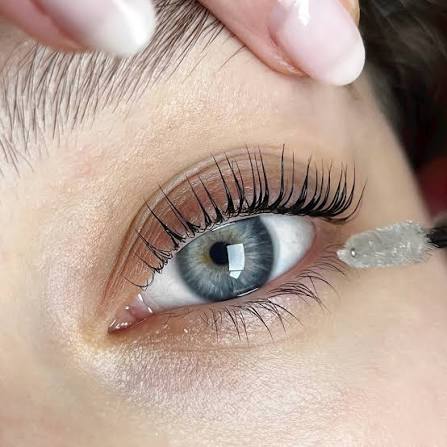
This function is evolutionary and behavioral rather than mechanical. Eyelashes amplify the visibility of the eye and make minute changes in eye expression far more readable to other people.
Research published in Scientific Reports (2023) studied eyelash length attractiveness across multiple ethnicities and found consistent cross-cultural preferences for longer eyelashes as a signal of youth and health. Longer, denser lashes have been associated with reproductive fitness signals across cultures, which may explain why cosmetic enhancement of lashes has been documented in ancient Egypt as far back as 4000 BC.
Facial muscles around the eye change expressions through blinking patterns, narrowing, widening, and combinations of these. Eyelashes make all of these changes visually exaggerated and more legible at greater distances — amplifying the communication value of every eye expression.
One of the most surprising findings from the 2015 Royal Society study was that the one-third optimal length ratio is not unique to humans. Researchers measured eyelash length and eye width across 22 mammal species — including horses, giraffes, camels, chimpanzees, and hedgehogs — and found the same consistent ratio in every species tested.
This convergent evolution — where the same feature evolves independently in unrelated species — is strong evidence that eyelash function is not incidental. It is a precisely optimized biological solution to the universal problem of protecting a large, exposed, moist ocular surface in an environment full of airborne particulate matter.
Eyelash-to-eye-width ratio across selected species:
| Species | Approximate Eye Width | Optimal Lash Length |
|---|---|---|
| Human | ~27 mm | ~9 mm |
| Horse | ~50 mm | ~17 mm |
| Giraffe | ~55 mm | ~18 mm |
| Camel | ~40 mm | ~13 mm |
| Chimpanzee | ~25 mm | ~8 mm |
| Domestic cat | ~18 mm | ~6 mm |
The camel deserves a special mention — living in some of the most dust-laden environments on Earth, camels have evolved particularly long, dense eyelashes that provide exceptional particle protection in desert conditions.
The medical term for eyelash loss is madarosis (from the Greek word “madao,” meaning “to fall off”). Understanding what happens when lashes are absent reinforces just how important their protective functions are.
Without eyelashes, the eye surface is exposed to far more airborne particles, experiences accelerated tear film evaporation, and loses its first-line early warning sensory system. People with madarosis frequently report more frequent eye infections, irritation, dryness, and discomfort.
Common causes of eyelash loss (madarosis):
| Category | Specific Conditions |
|---|---|
| Skin conditions | Chronic blepharitis, seborrheic dermatitis, contact dermatitis, ocular rosacea |
| Autoimmune conditions | Alopecia areata, scleroderma, sarcoidosis, lupus |
| Endocrine disorders | Hypothyroidism, hyperthyroidism, hypopituitarism |
| Infections | Staphylococcal blepharitis, herpes zoster, Demodex mite infestation |
| Physical causes | Trichotillomania (compulsive pulling), chemotherapy, radiation |
| Medications | Anticoagulants, valproic acid, propranolol, botulinum toxin overuse |
| Tumors | Basal cell carcinoma, sebaceous gland carcinoma, squamous cell carcinoma |
It is worth noting that sudden or patchy eyelash loss can be a red flag for systemic disease. Hypothyroidism classically causes thinning of the outer third of both the eyebrow and eyelash line. Alopecia areata can target the lashes in isolation. Any unexplained lash loss lasting more than a few weeks warrants a medical evaluation.
Trichiasis is a condition where eyelashes grow inward, toward the cornea, rather than outward. This turns a protective structure into a damaging one — the lashes continuously scratch the corneal surface with every blink.
Symptoms include constant eye irritation, redness, tearing, photosensitivity, and in severe cases, corneal scarring and vision loss. Common causes include chronic blepharitis, conjunctival scarring, trauma, and trachoma (a bacterial infection common in developing countries).
Treatment ranges from manual lash removal (epilation) to laser or electrolysis destruction of the misdirected follicles. Severe scarring cases may require surgical correction.
The relationship between eyelash health and dry eye disease is more significant than most people realize. Dry eye affects an estimated 344 million people globally as of 2026, and eyelash abnormalities play a role in many cases.
Blepharitis — chronic eyelid inflammation — is one of the most common eyelash-associated conditions and a leading cause of evaporative dry eye. When oil glands along the eyelid margin (Meibomian glands) become blocked or infected, the lipid layer of the tear film breaks down rapidly, increasing evaporation even further.
The lashes themselves can host Demodex mites — microscopic parasites that live in hair follicles across the skin. At low numbers, they are harmless. When they proliferate excessively in eyelash follicles, they cause inflammation, follicle damage, lash loss, and severe dry eye symptoms.
Eyelash extensions — artificial lashes bonded to natural lashes with adhesive — have become one of the most popular beauty treatments globally. But their impact on eye health deserves careful consideration.
A 2024 study published in the Journal of Clinical Medicine found that eyelash extensions can significantly worsen dry eye disease. The added weight and length of extensions may actually push lash length beyond the optimal one-third ratio, channeling airflow toward the eye rather than diverting it.
Extensions also increase the risk of allergic reactions to adhesive, follicle damage from repeated bonding and removal, and bacterial or fungal infection along the eyelid margin. Anyone with pre-existing dry eye, blepharitis, or sensitive eyes should discuss extension use with an eye care professional before proceeding.
Bimatoprost — originally developed as a glaucoma medication — was the first clinically proven eyelash growth stimulant. It works by extending the anagen (active growth) phase of the lash cycle, resulting in longer, thicker, and darker lashes.
The FDA approved bimatoprost (sold as Latisse in the United States) specifically for eyelash growth in 2008. It remains the only scientifically validated prescription eyelash growth treatment available.
Over-the-counter serums containing peptides, biotin, panthenol, and plant extracts can support lash health and reduce breakage, but they do not contain active ingredients that extend the anagen phase in the same clinically measurable way.
Eyelash characteristics vary across ethnic groups and change significantly with age. These variations affect both the cosmetic appearance and the functional protective value of the lashes.
Eyelash variation by ethnicity:
| Characteristic | Observations |
|---|---|
| Curvature | Most pronounced in individuals of African descent, followed by Caucasian, least in East Asian |
| Thickness | Generally greater in individuals of East Asian descent |
| Length variation | Individual variation within all groups is wide |
| Color | Determined entirely by melanin; white lashes indicate loss of pigment cells |
Eyelash changes with age:
As people age, eyelashes typically become thinner, shorter, lighter in color, and less dense. This is partly due to natural decline in hair follicle function and partly due to accumulation of years of mechanical stress from rubbing, makeup use, and repeated growth cycles.
Older adults with reduced lash density may experience more frequent eye irritation and dry eye symptoms, partly because the protective functions described above are diminished.
Given how important eyelashes are to eye health, their care deserves more attention than most people give it.
Daily habits that support eyelash health:
Keep eyelid margins clean. Gentle daily cleansing with warm water and a mild, fragrance-free cleanser removes debris, makeup residue, and microorganisms that accumulate along the lash line. This is the single most effective thing you can do to prevent blepharitis and keep follicles healthy.
Remove eye makeup completely before sleeping. Sleeping in mascara stiffens and dries out the lashes, makes them brittle, and blocks the Meibomian glands that produce the oil layer of the tear film. Over time, this contributes directly to both lash loss and dry eye.
Avoid rubbing the eyes aggressively. Mechanical friction from rubbing is a common cause of physical lash damage and premature shedding. It also introduces bacteria and other pathogens from the hands to the eye.
Eat a nutrient-rich diet. Lash growth depends on biotin (Vitamin B7), iron, zinc, Omega-3 fatty acids, and Vitamins A, C, and E. Deficiencies in any of these can slow the anagen phase and reduce lash density.
Nutrients that support eyelash health:
| Nutrient | Role | Food Sources |
|---|---|---|
| Biotin (B7) | Keratin synthesis and follicle strength | Eggs, nuts, seeds, sweet potato |
| Iron | Oxygen delivery to follicles | Red meat, lentils, spinach |
| Zinc | Cell division and follicle repair | Oysters, pumpkin seeds, chickpeas |
| Omega-3 fatty acids | Reduces follicle inflammation | Salmon, flaxseed, walnuts |
| Vitamin A | Regulates cell growth in follicles | Carrots, liver, sweet potato |
| Vitamin E | Antioxidant protection for follicles | Almonds, sunflower seeds, avocado |
Eyelashes and eyebrows are often discussed together, but they perform distinct and complementary protective functions.
Eyebrows are primarily designed to divert sweat and larger water flows away from the eye entirely. Their arched shape and inward-angled hairs channel moisture toward the temples and away from the visual field. They also serve a major role in facial expression and social communication.
Eyelashes focus on the close-range protection of the eye surface itself — managing airflow, particle control, tear film preservation, and triggering the blink reflex.
Together they form a layered defense: the eyebrows handle the outer perimeter while the eyelashes manage the immediate eye surface environment.
| Feature | Eyebrows | Eyelashes |
|---|---|---|
| Primary function | Sweat and water diversion | Airflow control, particle protection |
| Secondary function | Expression amplification | Blink reflex triggering |
| Location | Above the orbital ridge | Eyelid margin |
| Hair direction | Outward toward temples | Outward and slightly upward |
| Optimal length | Not specifically measured | One-third of eye width |
Eyelashes are not unique to humans — they are found across the mammalian family, and the consistent optimal length ratio across 22 species tells a clear evolutionary story.
The cornea is one of the most sensitive and vulnerable tissues in the body. It has no blood supply and depends entirely on the tear film for oxygen and nutrition. Any chronic irritation, infection, or desiccation can cause permanent scarring and irreversible vision loss.
Over millions of years, mammals with slightly longer, better-positioned lashes experienced fewer corneal injuries, fewer eye infections, and better vision — and therefore better survival outcomes. This drove the gradual optimization of lash length toward the one-third ratio observed today.
The fact that 22 species across vastly different environments all converged on the same ratio is not coincidence. It is evolution finding the same optimal engineering solution to the same biological problem, independently, again and again.
Eyelashes divert airflow away from the eye’s surface, reducing airborne particle deposition and tear film evaporation by up to 50%, as confirmed by research published in the Journal of the Royal Society Interface. They also trigger protective blink reflexes and physically block debris during eye closure.
Eyelashes protect the eye from airborne particles like dust, pollen, and bacteria, from excessive tear film evaporation, from sweat and moisture entering the eye, and from glare and bright sunlight. They also trigger the blink reflex to guard the cornea from incoming objects.
Research across 22 mammal species found that the optimal eyelash length is one-third of the eye’s width. At this length, lashes create a protective boundary layer that reduces both particle deposition and tear film evaporation by approximately 50%.
Yes. Eyelash loss (madarosis) removes the eye’s aerodynamic airflow barrier, accelerates tear film evaporation, eliminates the sensory early-warning system, and leaves the cornea more exposed to debris and infection. Persistent lash loss should be evaluated by a doctor.
Yes, individual lashes that shed naturally will regrow through the anagen-catagen-telogen cycle within 4 to 6 months. However, lash loss caused by scarring conditions, certain medications, or damage to the follicle itself may be permanent in affected areas.
Eyelashes stop growing because their anagen phase is genetically programmed to last only 30 to 45 days — far shorter than scalp hair. Once the anagen phase ends, growth stops and the lash eventually sheds. Scalp hair has an anagen phase of 2 to 7 years, which is why it grows so much longer.
No. Eyelash curvature is most pronounced in individuals of African descent, followed by Caucasian, and least in East Asian populations. Thickness and density also vary. However, the protective biological functions are identical regardless of ethnic variation in shape or length.
Common causes include hypothyroidism, alopecia areata, chronic blepharitis, Demodex mite infestation, trichotillomania, chemotherapy, and certain eyelid cancers. Sudden or patchy eyelash loss should always be investigated medically to rule out underlying systemic disease.
Yes. A 2024 study found that extensions can worsen dry eye disease by exceeding the optimal lash length and channeling air toward the eye. They also risk allergic reactions, follicle damage, and infection. Anyone with pre-existing eye conditions should consult an eye doctor before getting extensions.
Babies are born with eyelashes already present because they develop in the womb as early as the 7th to 8th week of fetal development, alongside other facial hair structures. This early development reflects how important their protective functions are from the earliest moments of life outside the womb.
Why do we have eyelashes is a question with a richer answer than almost anyone expects. These tiny rows of curved hair are precision-engineered aerodynamic structures that have evolved independently across 22 mammal species to the same optimal length ratio.
They divert airflow, cut particle deposition in half, preserve the tear film, trigger protective blink reflexes in under 400 milliseconds, physically block debris during eye closure, reduce glare, and amplify human facial communication.
When they are lost to disease, medication, or mechanical damage, the consequences are immediate and measurable — more irritation, faster tear film breakdown, and greater infection risk.
Taking care of your eyelashes is not a cosmetic concern. It is an act of genuine eye health maintenance, backed by decades of scientific research.