
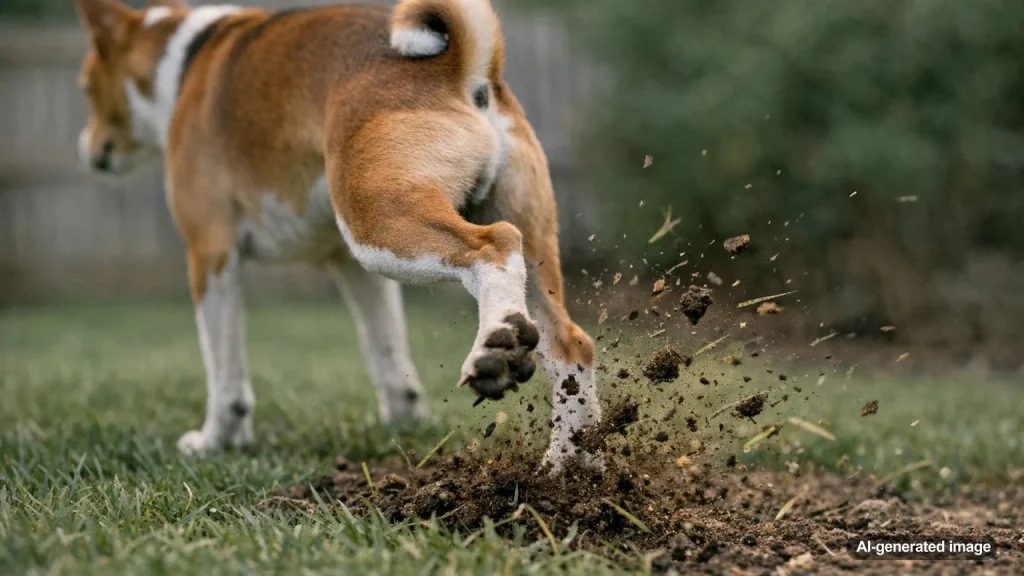
Why do dogs kick after pooping? If you have ever watched your dog finish their business and then furiously scratch the ground like a tiny bull, you are not alone in wondering what is going on.
It is a deeply wired instinct rooted in scent communication, territorial behavior, and ancient canine ancestry.
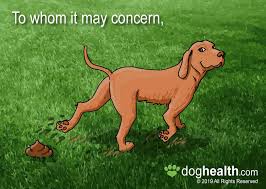
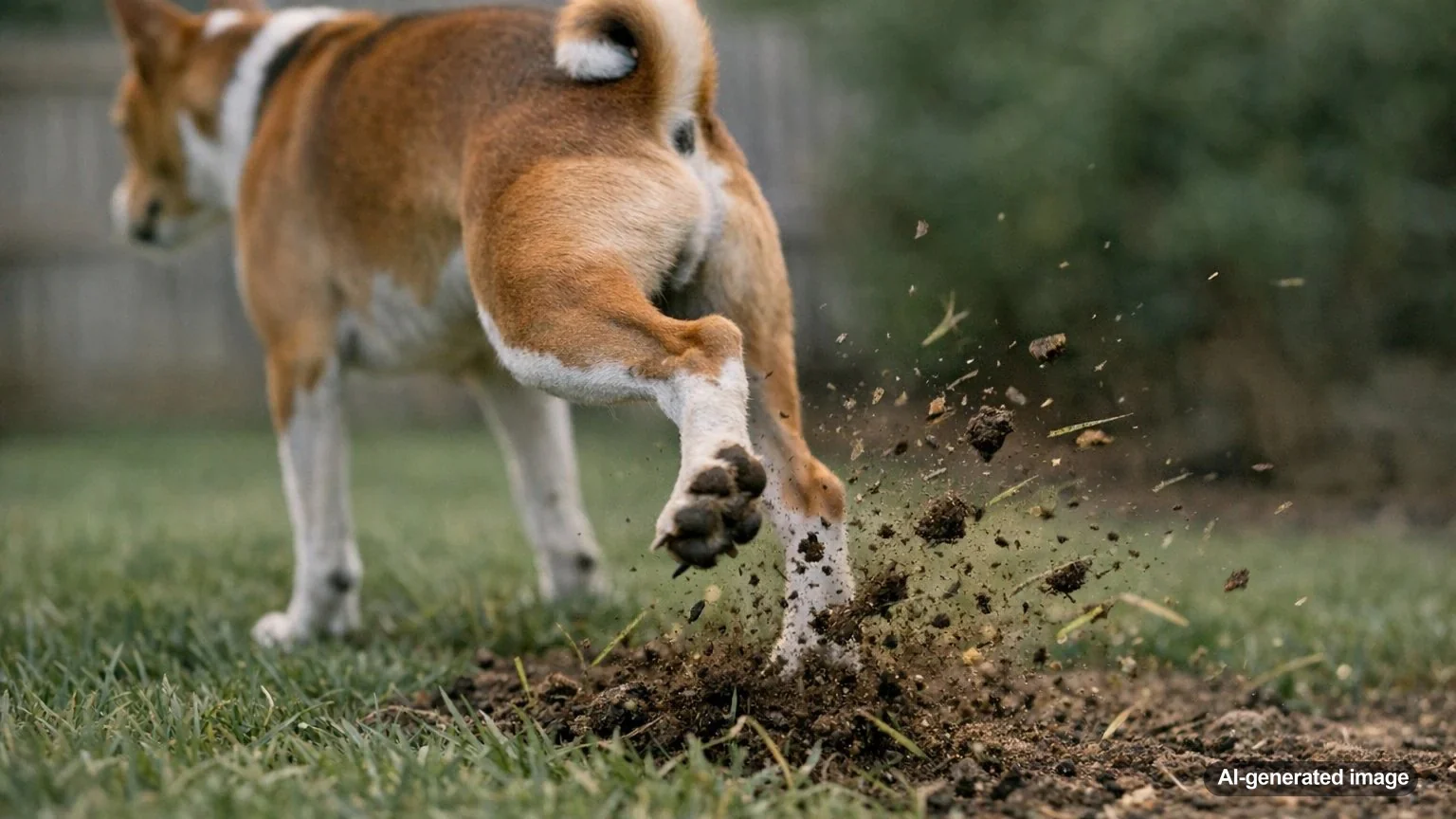
Ground-scratching is the term scientists and veterinarians use for the kicking behavior dogs display after eliminating. It involves the dog using its hind legs — and sometimes front legs — to scrape, scratch, or kick the ground near where it just pooped or peed.
This behavior is completely normal. It has been observed in domestic dogs as well as wild canids including wolves, coyotes, dingoes, and foxes. Veterinarians, ethologists, and animal behaviorists all agree: if your dog does this, there is nothing wrong with them.
Only about 10% of dogs do it regularly, but it is seen across all breeds, sizes, genders, and ages. Older dogs may actually do it more often than younger ones, according to studies on shelter dogs.
There is not one single reason. Ground-scratching is what scientists call a composite signal — it works on multiple levels at once. Your dog is communicating through smell, through sight, and through physical action all at the same time.
Here is a breakdown of every reason behind this behavior.
This is the most important reason, and the one that surprises most dog owners.
Dogs have two types of sweat glands in their paws: eccrine glands on the footpads (which help with grip and temperature regulation) and apocrine glands tucked between the toes. The apocrine glands produce secretions packed with pheromones — chemical signals unique to each individual dog.
When your dog kicks the ground after pooping, those interdigital glands press against the surface and deposit pheromones directly into the soil. This is called pedal scent marking, and researchers describe it as a low-energy, highly efficient way to communicate with other dogs without ever being in the same place at the same time.
Your dog’s poop already carries a scent message. The paw pheromones add a second, unique layer on top of it — like signing a letter with both your name and a fingerprint.
You may have noticed a faint popcorn or corn chip smell from your dog’s feet. Nicknamed “Frito feet”, this occurs when the natural bacteria on dog paws interact with sweat and pheromone secretions. That scent is part of what gets deposited during ground-scratching.
Dogs are territorial animals descended from wolves, and marking a territory is fundamental to how they interact with the world.
When your dog kicks the ground after pooping, they are essentially planting a flag. The combination of fecal scent, paw pheromones, and the physical disturbance of the ground creates a multi-layered message for any dog that passes through later.
That message can communicate a surprising amount of information. Research suggests a dog’s scent mark can signal their age, sex, health status, and reproductive condition to other dogs. It is like leaving a detailed profile at a specific location.
Studies have also found that ground-scratching happens more often near territorial boundaries. For pet dogs, this means the front yard, near the apartment entrance, or at a frequently visited park. Dogs are not randomly choosing where to kick — they are deliberately reinforcing boundaries.
The scent is invisible. The scratch marks are not.
When a dog kicks the ground, they tear up grass, gouge the dirt, and create a clearly visible disturbance. This is not accidental. Scientists believe those slash marks in the ground serve as a visual cue for other dogs — a sign that reads “another dog was here and marked this territory.”
A study by ethologist Marc Bekoff (1979) on free-ranging dogs found that ground-scratching occurred more frequently when other dogs were physically present. In those situations, the kicking behavior becomes a live performance — a bold, visible display directed at the other dog in real time.
Animal behavior expert Dr. R.F. Ewer documented that this behavior may also function as an intimidation display — essentially telling rival dogs “I am strong, I am present, and this is my territory.” Dogs have even been observed starting the behavior only after a new dog joined the household.
Your fluffy Labrador and the grey wolf that roams Yellowstone share more behavioral DNA than most people realize.
In the wild, wolves, coyotes, and other canids use ground-scratching for survival. Scattering their scent across a wide area helps them claim hunting grounds and warn off rival packs without direct confrontation. A wolf that sees scratch marks and smells pheromones may avoid an area entirely — meaning no dangerous encounter needs to happen.
Some wild canids also kick to help mask their own scent from prey, disrupting the odor signature they leave behind after eliminating. This “cover your tracks” instinct — avoiding detection while hunting — is thought to persist in domesticated dogs even though they have no predators or prey to worry about.
Thousands of years of domestication have not erased these instincts. When your dog kicks after pooping, they are running an ancient program written long before dog parks and leash laws existed.
Related to the above, some dogs instinctively try to disguise their presence.
In the wild, eliminating is a moment of vulnerability. A dog or wolf crouching to defecate cannot run or fight effectively. By disturbing the ground around the waste — spreading the scent further and making it harder to localize — an animal makes it more difficult for predators or rivals to pinpoint their exact location.
Dr. Brittany Jaeger, a veterinarian based in Tampa, has noted this “cover your tracks” theory as a plausible driver of the behavior in domestic dogs. Even though your dog faces no real predators, the instinct to scatter the signal after eliminating remains hardwired.
Not every behavior has a complex strategic purpose. Sometimes dogs just feel really good after pooping.
Defecation can be a moment of physical relief and release. For many dogs, the vigorous kicking that follows is a physical expression of that relief — a kind of celebratory burst of energy. Think of it as the canine equivalent of a fist pump.
Some animal behaviorists describe it as a form of emotional catharsis. The pent-up tension of finding the right spot, circling, and eliminating is released through the explosive energy of the kick. For high-energy dogs especially, you may notice this exuberance matches their overall personality.
A smaller, simpler reason that sometimes gets overlooked.
After pooping or peeing, a dog may kick the ground partly to wipe or clean their paws. This is more commonly observed on messy or muddy ground, where a dog wants to remove residue from their feet.
This cleaning function is secondary to the scent-marking purpose in most cases, but it adds another practical layer to a behavior that is anything but one-dimensional.
Ground-scratching is brilliant in its efficiency. Every single kick delivers a message through three channels simultaneously.
| Channel | What It Does |
|---|---|
| Fecal scent | Communicates identity, health, diet, reproductive status |
| Paw pheromones (pedal scent glands) | Adds a unique personal chemical signature to the area |
| Visual scratch marks | Leaves a physical signal visible to other dogs passing by |
No other single behavior allows a dog to communicate this much information this efficiently. It is the canine equivalent of posting a billboard, mailing a letter, and making a phone call all at once.
The behavior varies widely between individual dogs.
| Factor | What Research Shows |
|---|---|
| Prevalence | Approximately 10% of dogs do it regularly |
| Gender | Males and females do it in roughly equal numbers |
| Age | Older shelter dogs show it more than young dogs |
| Trigger | More likely when other dogs are present (Bekoff, 1979) |
| Location | More common near territorial boundaries and familiar areas |
| Consistency | Does not occur after every elimination — sometimes after sniffing alone |
Some dogs give one polite kick and walk away. Others go full rodeo, launching clods of dirt across the yard. Both are normal. The intensity often reflects the dog’s personality, confidence level, and how much they feel the need to assert their presence in that space.
According to Dr. Penny Coder, DVM, a senior veterinarian at Small Door Veterinary, there is no significant difference between male and female dogs when it comes to ground-scratching. Both genders exhibit the behavior, and it is not exclusively tied to testosterone-driven territorial instincts.
However, dogs that are naturally more dominant or territorial in personality — regardless of sex — tend to kick more frequently and more vigorously. It is more about individual temperament than biology.
Yes, indirectly. Dogs have anal sacs (also called anal glands) located near the anus, which produce a highly individual scent that is expressed during defecation. This scent is part of the chemical message the poop itself carries.
When a dog kicks after pooping, they are building on this anal gland scent — amplifying and extending the reach of the message using the pheromones from their paw glands as well.
If your dog is excessively scratching, scooting, or appears uncomfortable around the rear end, that is a different issue and may indicate anal gland problems. That warrants a vet visit. Normal post-poop kicking does not involve discomfort and is purely behavioral.
In the vast majority of cases, ground-scratching after pooping is healthy, natural, and harmless. However, there are a few situations where you should pay closer attention.
Excessive or compulsive kicking that seems distressed or uncontrollable may indicate anxiety or a behavioral issue worth discussing with a vet or certified dog trainer.
Visible discomfort during or after elimination — such as whimpering, straining, or repeatedly sniffing at their rear — is not related to normal ground-scratching and could point to anal gland problems, gastrointestinal issues, or skin irritation.
Injured paws or damaged nails from kicking hard surfaces like concrete or gravel repeatedly. Keep an eye on paw pad health, especially on rough terrain.
Property damage — torn-up flower beds, ruined lawns, scratched flooring — is a management issue, not a health one. It can be redirected with training (more on that below).
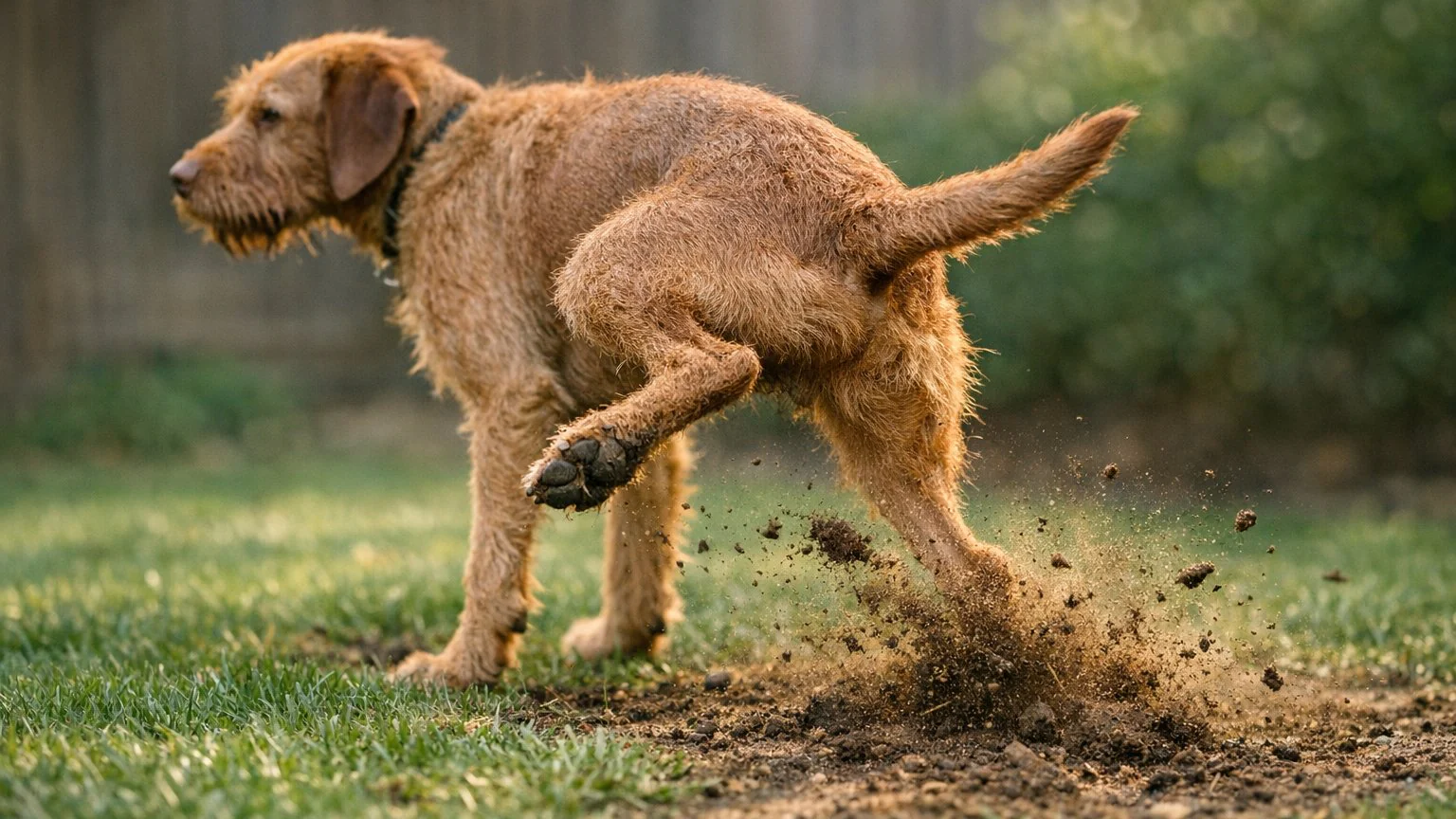
The short answer: not unless it is causing a problem.
Kicking after pooping is a natural, instinct-driven behavior. Suppressing it without cause can create frustration or anxiety in your dog. Veterinarians consistently advise letting dogs express natural behaviors wherever possible.
If the kicking is damaging your lawn, tearing up a neighbor’s garden, or scratching surfaces it should not, you have a few practical options.
Designate a specific bathroom area. Train your dog to eliminate in a particular part of the yard, and allow them to kick freely in that zone. This preserves the instinct while protecting the rest of the lawn.
Walk them before they reach the lawn. If your dog typically kicks after pooping, take them around the block first so the kick happens on public ground rather than your garden.
Redirect, do not punish. If they start kicking in an undesirable spot, calmly lead them to a more suitable area. Punishment after the fact does not work and can create negative associations with eliminating outdoors.
Check their paws regularly. If they frequently kick on hard surfaces, inspect the pads for wear, cuts, or cracking. Dogs that kick on concrete or pavement are at more risk of minor paw injuries than those kicking on soft ground.
Cat owners often ask — is this like when cats cover their litter? The answer is no, and the difference is telling.
Cats cover their waste to hide their scent — a prey-animal instinct to avoid detection by predators. Dogs do the opposite. They are amplifying and spreading their scent as widely as possible, projecting confidence and claiming territory. It is the behavioral inverse of what cats do.
This is why dogs kick away from the poop rather than toward it. They are not covering anything. They are broadcasting.
Studying wolves and coyotes helps explain why this behavior persists in domestic dogs after thousands of years.
Researchers studying free-ranging dogs and wild canids have documented that ground-scratching in wolves is closely tied to territorial boundary management. A wolf pack will scratch the ground near the edges of their home range — exactly the same pattern seen in domestic dogs, who do it more near the front of the house or familiar park territory.
The behavior is also more common in contexts of social competition — when other canids are around and the message needs to be clear. In this sense, your dog doing it at a busy dog park is using the same strategic logic as a wild wolf marking the edge of its territory.
| Reason | Explanation |
|---|---|
| Paw pheromone marking | Apocrine glands between toes release pheromones into the ground |
| Territory communication | Creates a multi-layered scent+visual boundary marker |
| Visual intimidation display | Physical scratch marks signal presence to rival dogs |
| Wolf ancestry | Inherited behavior from wild canid territorial strategy |
| Predator avoidance | Scatters scent to avoid localizing their presence |
| Emotional release | Celebratory burst of energy after defecation |
| Paw cleaning | Minor secondary function to wipe off residue |
If you have ever smelled your dog’s paws and noticed they smell like corn chips or popcorn, that is directly connected to this behavior.
The corn chip scent — widely known as “Frito feet” — is produced when sweat, bacteria, and yeast naturally present on dog paws interact and produce a distinctive odor. The same glands responsible for that smell are the ones depositing pheromones during ground-scratching.
So in a sense, when your dog kicks after pooping, they are leaving behind a scent that carries that distinctive signature — a personal chemical fingerprint as unique to your dog as a thumbprint is to you.
Ground-scratching is seen across all breeds. However, dogs with stronger territorial or herding instincts — such as German Shepherds, Border Collies, Huskies, and terriers — may exhibit it more vigorously.
Working dog breeds have historically been bred to patrol and protect specific areas, which means the territorial marking drive tends to be stronger. But even small companion breeds and mixed breeds engage in this behavior. It has never been bred out because it is too deeply wired into the canine behavioral system.
Dogs kick after pooping to spread pheromones from scent glands in their paw pads, marking territory and leaving a chemical message for other dogs. It is a natural, instinct-driven communication behavior.
Yes, completely normal. Veterinarians and animal behaviorists classify it as a healthy, instinctual behavior seen in domestic dogs and wild canids alike. No intervention is needed unless it causes injury or property damage.
No. Only about 10% of dogs do it regularly. The behavior varies by personality, temperament, and situation — it tends to occur more when other dogs are present or near territorial boundaries.
Yes. According to veterinary experts, both genders exhibit this behavior in roughly equal numbers. It is not driven by sex hormones but by individual temperament and territorial personality.
Dogs have apocrine glands between their toes that produce pheromone-rich secretions. When a dog kicks the ground, these glands press against the surface and deposit a unique chemical signature that other dogs can detect.
Not unless it is causing damage. It is a natural behavior, and suppressing it without reason can cause frustration. If it damages property, redirect the dog to a designated area rather than punishing the behavior.
Indirectly. Anal glands naturally express scent during defecation. Kicking after pooping adds a second layer of scent from paw glands. If your dog shows discomfort around the rear end, that is a separate issue requiring a vet check.
Because other dogs are present. Research by ethologist Marc Bekoff (1979) showed ground-scratching is significantly more common when other dogs are physically around — it becomes an active communication and display behavior directed at them.
On soft grass and soil, rarely. On hard surfaces like concrete, frequent kicking can wear down paw pads or damage nails over time. Check your dog’s paws regularly if they kick on rough terrain.
Because they are spreading scent outward and away from the waste, not covering it. The backward kick disperses pheromones from the paw glands across a wider area, maximizing the reach of the territorial message.
Why do dogs kick after pooping? Because they are doing something remarkable — leaving a detailed, multi-channel message that combines scent chemistry, visual markers, and ancient territorial instinct all in a few seconds.
What looks like a goofy, grass-destroying habit is actually one of the most sophisticated forms of canine communication we know of. Your dog is not making a mess. They are signing their name.
The behavior is inherited from wolves and wild canids. It is powered by specialized pheromone-producing glands between the toes.
It communicates identity, health, presence, and territorial confidence to every dog that passes through the area afterward.
In most cases it is completely harmless and requires no intervention at all.
If it ever becomes excessive, uncomfortable, or destructive, a quick conversation with your vet or a dog trainer is all it takes to find a practical solution.
Until then, let your dog kick — they are just doing what dogs have always done.