
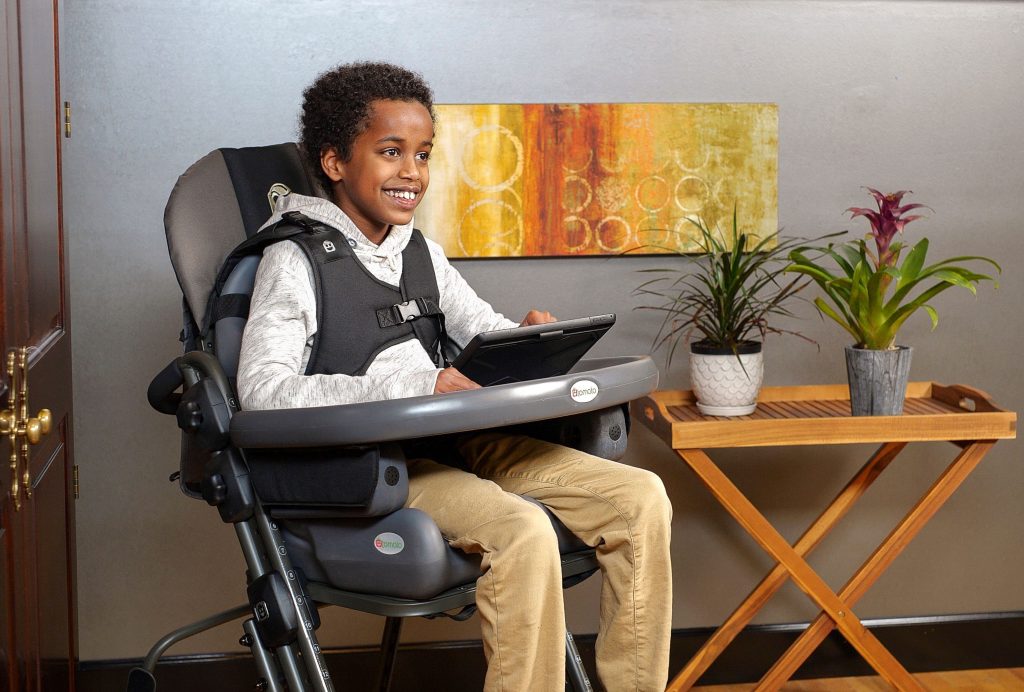
Sitting just right matters more than it might seem – especially when that seat helps a kid stay balanced and alert. Customized setups hold bodies steady, so little ones find calm instead of strain. Because alignment shifts everything, focus often grows without anyone saying a word. Tired muscles step back; engagement steps forward. In schools, treatment rooms, or living rooms – it’s not about fixing anything, it’s about opening space for doing, learning, being.
Right now, kids’ activity chairs matter more in learning and therapy spots. Though built differently, they keep children focused when playing, eating, sitting in class, or talking with others – yet also support correct posture and manage how they move.
How seating affects children
Slouched in the wrong chair, young bodies struggle to grow right. Because balance wobbles, talking feels harder than it should. A shaky base turns reading, reaching, or listening into heavy work. Without steady support, small efforts drain energy fast.
When posture works well, it helps with breath control, gut function, arm movement, sight tracking, and also balance across the whole body. Sitting in a relaxed way makes a child pay closer attention to what they’re doing, speak clearly, and take part without holding back.
Some kids struggle to sit well in regular chairs, especially when movement or senses are hard to manage. When seats do not fit right, slouching happens, bodies hurt, spots get sore, attention drops. A better kind of chair holds them steady, shaped just for how they sit best.
Body weight spreads more evenly thanks to adaptive seating setups, easing stress on tender spots. With padded supports in place, plus settings that shift as needed, tension in muscles tends to drop off. Alignment across the frame often settles into a better position when these adjustments stay within reach.
Comfort matters most when sitting for hours. A good seat keeps your spine where it should be instead of drifting out of place. Joints stay easier when they are not fighting poor posture all day. Skin problems often start from constant squeezing – a balanced position reduces that risk. When the body feels stable, movement becomes smoother without extra effort. Feeling settled supports mood just as much as muscles do. How you sit affects how you feel across the whole day.
Stability begins where the seat meets the spine, offering a foundation that eases strain. Because posture is supported, mental energy shifts toward thinking, speaking, connecting.
When kids sit in supportive chairs at school, teachers sometimes see them paying closer attention. Instead of fidgeting, they tend to join in on stories, writing tasks, talks, and work with classmates. A steady seat gives their arms and hands a better platform, which helps small muscle control grow stronger over time.
Some kids who struggle with sensory signals might feel better using special chairs designed for activity. These Adaptive Seating tools often include subtle rocking features instead of fixed bases. A slight sway throughout the day could lower stress levels while working on schoolwork. Positioning that holds the body gently tends to increase focus without drawing attention. Movement built into furniture sometimes makes it easier to stay calm when demands rise.
Sharper attention helps school performance – yet it builds self-assurance too, while quietly fostering autonomy through everyday moments.
Everyday things matter most when kids are growing. What they do each day shapes how they feel inside. Hanging out with friends means something real to them. Family moments stick deep, without needing words. Moving through the world on their own terms builds quiet strength.
When kids sit right, they join in better. Meals feel easier when their body is supported well. Classroom time opens up if posture isn’t a struggle. Art becomes reachable when hands are free to move. Games flow smoother with stable seating underneath. Therapy gains momentum without constant adjustments. Comfort changes how effort gets spent.
How Activity Chairs Affect Child Growth
Some kids sit better when they can move a little – that is where activity chairs come in. Built to help children stay engaged during school tasks, treatment sessions, or games. Movement happens naturally here because design allows wiggle without losing stability. Posture gets subtle support while freedom stays high. Not rigid like standard seats. Instead, balance comes through gentle resistance and shifting bases. Learning continues even when bodies fidget. Therapy goals meet comfort in one piece of furniture. Playtime includes structure now too.
Some kids need more than just a regular seat at school. These special Activity Chairs change shape to fit each child’s body and senses. Instead of staying stiff, parts can move up or down so helpers adjust them easily. A grown-up might tweak it one way today, then another tomorrow. The goal? Better sitting, less strain. What feels right differs per kid – so flexibility matters most.
Stability in how a student sits can quietly shape their focus, especially when wiggles or slouching fade into the background. Because of this shift, some classrooms see more hands raised, more eyes on task – often linked to chairs that actually support movement needs.
Stability through the upper body can help kids write more clearly, follow movement with their eyes, and express themselves. Feeling steady makes it easier to join class talks or work alongside others without holding back.
From classrooms to homes, different people work together – therapists included – to find seating that fits a child’s needs just right. Comfort and safety come first, so every learner gets a fair chance to take part without barriers.
Most times, therapists look at how someone sits, feels, moves, along with what they do each day when thinking about seat choices. Comfort matters a lot – so does whether it can change shape, stay steady, and work without hassle.
Throughout the day, think about where the seating setup fits into daily routines. For some kids, it matters most during school lessons. Other times, help is needed at mealtime, in therapy sessions, or when playing games. How often it’s used shapes what kind of support works best.
From tiny frames to taller kids, activity chairs shift shape over time. Different setups fit different needs. Growth happens. The chair keeps up. Options appear in surprising ways. Long use comes naturally when design thinks ahead. Change is built right in.
Some kids sit better when their chairs adjust just right. When posture gets the needed help, attention often follows along. Learning tends to go smoother once body position feels secure. Talking with others becomes easier under those conditions too. Even playtime gains something when balance is supported well. Social moments grow more within reach each day.
Resting well in a seat helps kids sit straighter, feel less tired, stay focused longer, while gaining confidence on their own. From living rooms to classrooms, even during treatment time, special seating opens doors for young ones to join activities they might otherwise struggle with.