
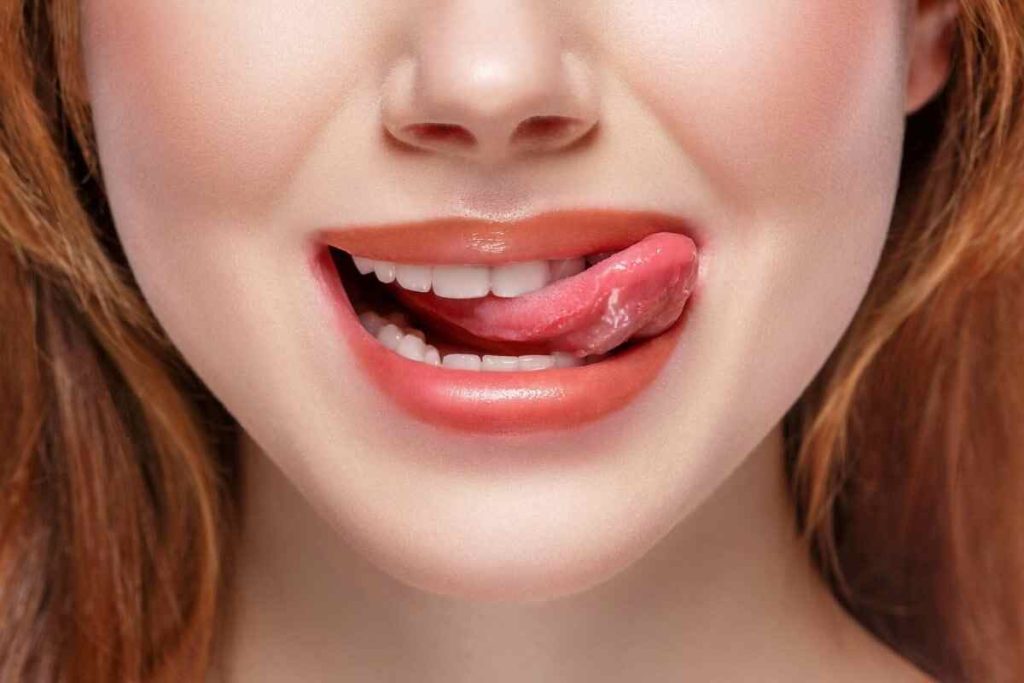
Why does the side of my tongue hurt? This is one of those questions that feels minor until the pain makes eating, talking, or even swallowing uncomfortable.
The sides of the tongue are among the most sensitive parts of the mouth.
They constantly press against teeth, move with every word you speak, and come into contact with everything you eat.
When something goes wrong — whether it is a small injury, an infection, or a nutritional gap — the pain shows up fast and hard to ignore.
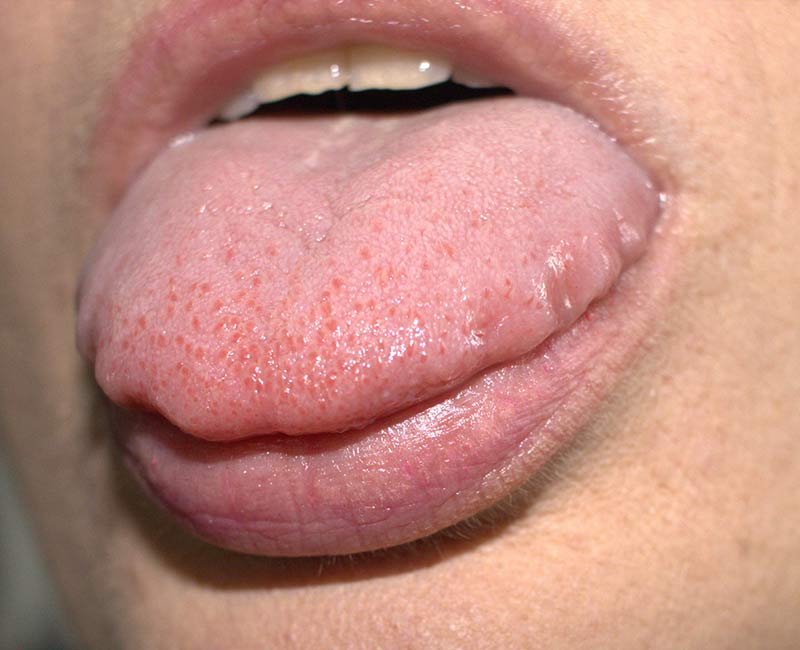
The lateral edges of the tongue — the sides — are the most exposed part of the organ. They sit right next to your upper and lower teeth on both sides.
Every time you chew, talk, or swallow, those edges brush against tooth surfaces. That constant contact means any sharp tooth, ill-fitting appliance, or inflamed tissue gets noticed immediately.
The tongue is also packed with taste buds, blood vessels, and nerve endings, which is why pain there can feel intense even from a small cause.
Accidentally biting the side of your tongue is probably the most common cause of sudden, sharp tongue pain. It happens in seconds — usually when eating quickly, talking while chewing, or during sleep.
The bite creates a small wound that swells slightly. That swelling then makes it easy to bite the same spot again, creating a frustrating cycle that can last several days.
The sore is usually red or purple, slightly raised, and very tender to touch or pressure. It heals on its own within 5 to 7 days with no treatment needed beyond gentle care.
Canker sores are small, round ulcers with a white or yellow center and a red border. They are one of the most frequent reasons the side of the tongue hurts, especially in teenagers and young adults.
They are not contagious and are not caused by a virus. Common triggers include stress, minor mouth injuries, hormonal changes, acidic foods, and nutritional deficiencies.
Most canker sores heal on their own within 7 to 14 days. Larger ones — called major aphthous ulcers — can take up to six weeks and may leave a small scar.
Common canker sore triggers:
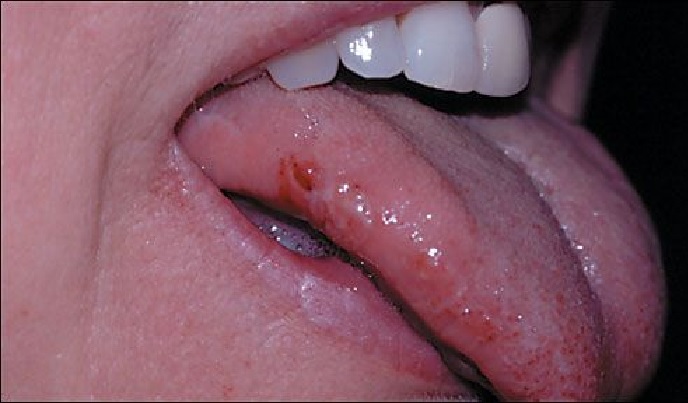
A chipped tooth, cracked filling, uneven crown, or poorly fitted denture can scrape against the same spot on the side of your tongue every single time you move your jaw.
This kind of repetitive mechanical irritation does not look like a typical bite wound. Instead, it creates a persistent sore or raw patch that never quite heals because the source of irritation is still there.
If your tongue pain seems to worsen during meals or talking and there is no other obvious cause, ask your dentist to check for sharp edges or appliances that need adjusting.
Oral thrush is a fungal infection caused by an overgrowth of Candida yeast inside the mouth. It is more common in people who use steroid inhalers, have taken a course of antibiotics recently, have diabetes, or have a weakened immune system.
It creates white, creamy patches on the tongue and inner cheeks that may feel sore or tender, especially along the sides of the tongue where the patches rub against teeth.
When the white patches are scraped away, the underlying tissue is red and may bleed slightly. Unlike a coated tongue from diet, thrush patches do not wipe off easily.
Bruxism means grinding or clenching the teeth, usually during sleep. Most people who grind their teeth are unaware of it until they are told by a partner or a dentist.
During grinding, the tongue can press firmly against the teeth on both sides. Over time, this pressure bruises and irritates the lateral tongue edges, causing chronic soreness that tends to be worst in the morning.
Many bruxism sufferers also notice jaw stiffness, morning headaches, and worn-down tooth surfaces alongside tongue pain.
Low levels of specific nutrients cause the tongue’s lining to break down, leaving it inflamed, sensitive, and prone to sores along the sides.
The most common nutritional gaps linked to tongue pain include:
| Nutrient | Effect on the Tongue |
|---|---|
| Vitamin B12 | Smooth, sore, red tongue (atrophic glossitis) |
| Iron | Pale, swollen, painful tongue |
| Folate (Vitamin B9) | Tongue inflammation, mouth ulcers |
| Zinc | Slow-healing sores, taste changes |
| Vitamin B6 | Sore tongue, cracked corners of the mouth |
Deficiency-related tongue pain often comes with other symptoms like fatigue, pale skin, or tingling in the hands and feet. A simple blood test can confirm the diagnosis.
Geographic tongue is a harmless but recurring condition where the tongue develops irregular red patches surrounded by white or gray borders, giving it a map-like appearance.
The patches can appear on the sides, top, or tip of the tongue. They tend to shift position over days or weeks — appearing in one area, fading, then reappearing somewhere else.
Some people with geographic tongue feel no pain at all. Others experience a burning or stinging sensation that gets worse when eating spicy, acidic, or salty foods. The condition has no cure but is not dangerous.
Burning mouth syndrome, also called glossodynia, causes a continuous burning or scalding sensation in the mouth — often concentrated along the sides and tip of the tongue.
There is no visible sore or wound, which makes it confusing. The pain can range from mild to severe and may come and go throughout the day. It tends to be worse in the afternoon and evening.
It is more common in women, particularly those who are postmenopausal or over 60. Possible causes include hormonal changes, dry mouth, nutritional deficiencies, nerve damage, anxiety, and certain medications.
Several infections cause painful sores or swelling specifically on the sides of the tongue.
Herpes simplex virus (HSV-1) causes cold sores inside the mouth during an outbreak, including on the tongue. These are small, fluid-filled blisters that burst and leave painful ulcers. Unlike canker sores, cold sores caused by herpes are contagious.
Bacterial infections can cause swelling, redness, a bad taste in the mouth, and pus if the tissue becomes infected. These are more likely after a tongue bite that was not kept clean.
Hand, foot, and mouth disease — a common viral illness in children — also causes painful sores on the tongue and inside the mouth.
A persistent sore or lump on the side of the tongue that does not heal within two weeks needs to be examined by a dentist or doctor. While most tongue pain has a benign cause, oral cancer most commonly appears on the lateral edges of the tongue.
The most common type is squamous cell carcinoma. Risk factors include tobacco use, excessive alcohol consumption, HPV infection, and prolonged UV exposure.
Warning signs that need urgent evaluation:
Early detection of oral cancer significantly improves outcomes. Adults 18 and older should receive an oral cancer screening as part of each routine dental checkup.
Oral lichen planus is a chronic inflammatory condition affecting the mouth’s lining. On the tongue, it appears as white lacy streaks or painful red patches. The cause is immune-related and it can flare up with stress or certain medications.
Glossitis means inflammation of the tongue. The entire tongue or parts of it become red, swollen, and sore. It can be caused by infections, allergic reactions, nutritional deficiencies, or irritants. A smooth, shiny, bright-red tongue is a classic sign.
Some people react to ingredients in toothpaste, mouthwash, chewing gum, or specific foods. Cinnamon, mint, and sodium lauryl sulfate are common oral irritants. The reaction causes tingling, redness, and soreness that often targets the sides of the tongue.
A tongue piercing that becomes infected or irritates nearby tissue can cause pain that runs along the sides of the tongue. Metal allergies or poor piercing placement are frequent culprits.
| Symptom | Most Likely Cause |
|---|---|
| Sharp pain after eating, spot is visible | Tongue bite or minor injury |
| White/yellow sore with red border | Canker sore |
| White patches that rub off with effort | Oral thrush |
| Red map-like patches that shift location | Geographic tongue |
| Burning with no visible sore | Burning mouth syndrome |
| Soreness worst in the morning | Bruxism / teeth grinding |
| Recurring sores with fatigue, pale skin | Nutritional deficiency |
| Sore that has not healed in 2+ weeks | Needs professional evaluation |
| Blister that broke open, contagious | Herpes simplex / cold sore |
| Lacy white streaks, no ulcer | Lichen planus |
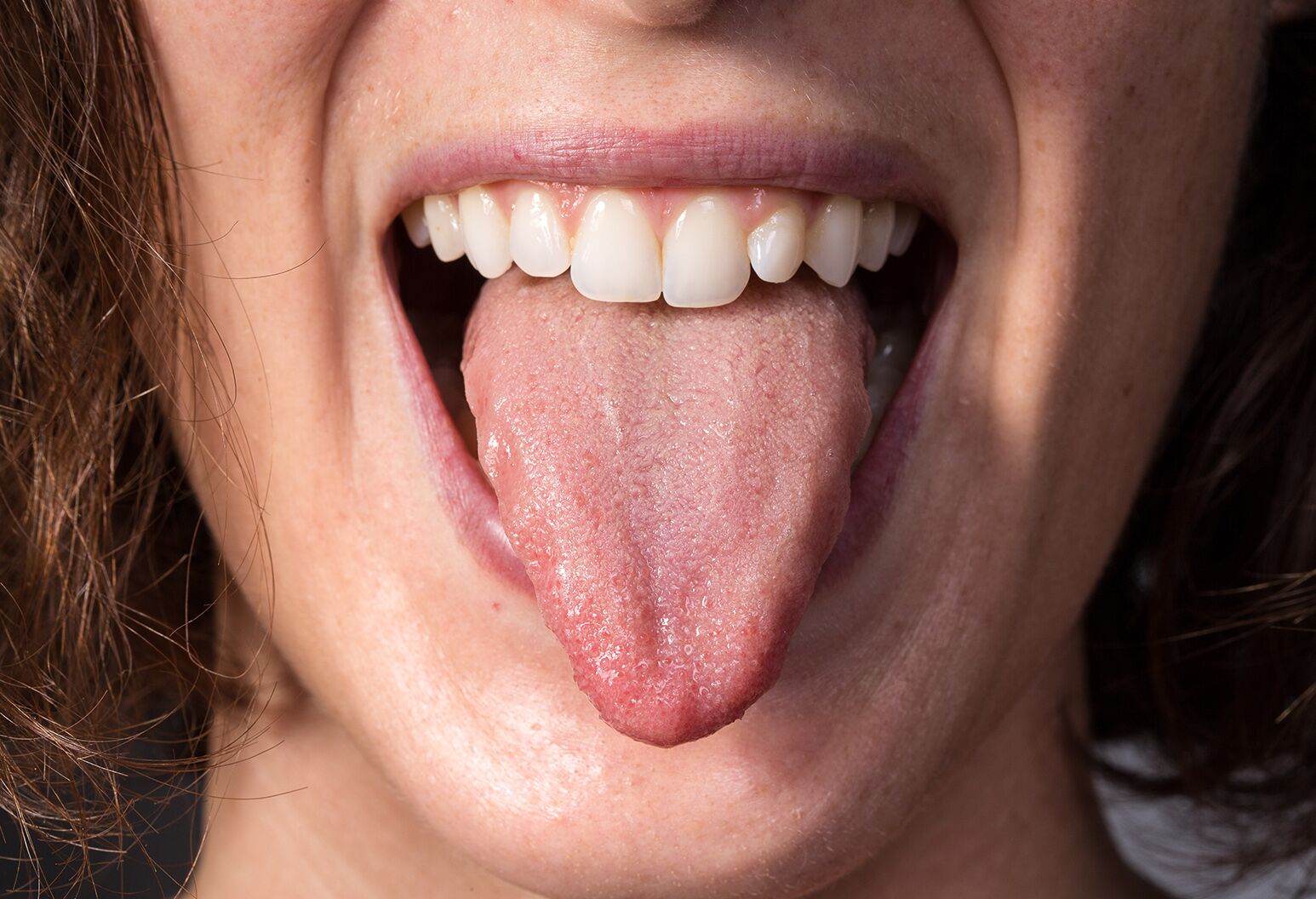
Mix half a teaspoon of table salt in a glass of warm water. Rinse gently for 30 seconds, two to three times a day. Salt water reduces inflammation, draws out fluid from swollen tissue, and kills bacteria that could cause a secondary infection.
It is the simplest and most effective home remedy for minor tongue sores and bite wounds.
Over-the-counter gels containing benzocaine are designed for mouth sores. Apply a small amount directly to the sore with a clean fingertip or cotton swab. The numbing effect lasts 15 to 30 minutes and makes eating and drinking much more comfortable.
Repeat up to four times a day as directed on the packaging.
Spicy, acidic, salty, and crunchy foods slow healing and make pain significantly worse. While a sore is healing, stick to soft, cool, or room-temperature foods such as yogurt, mashed vegetables, smoothies, oatmeal, and soup.
Avoid citrus juices, vinegar-based dressings, chips, and crackers until the soreness resolves.
Ibuprofen (400 mg with food) reduces both pain and inflammation in the tongue tissue. Acetaminophen controls pain if ibuprofen is not tolerated. Do not apply aspirin directly to a mouth sore — it causes a chemical burn.
Raw honey has natural antibacterial and anti-inflammatory properties. Applying a small amount directly to a canker sore or bite wound can speed healing and reduce pain. Manuka honey is especially studied for wound healing in oral tissue.
Mix baking soda with a few drops of water to form a thick paste. Apply it to the sore and leave it for one to two minutes before rinsing. Baking soda neutralizes acids that irritate the wound and may reduce healing time.
If your tongue pain is related to a nutritional deficiency, correcting the gap is the real treatment. A standard B-complex supplement covering B12, B6, and folate, combined with an iron supplement if needed, often resolves tongue soreness within two to four weeks.
Get a blood test first to confirm which deficiency is present before supplementing.
Holding cold water in your mouth or applying a small ice chip to the sore temporarily numbs the area and reduces inflammation. Do not apply ice directly for more than a minute at a time to avoid tissue irritation from extreme cold.
Most tongue sores from bites or canker sores heal within one to two weeks. Seek professional evaluation if:
A dentist will perform a visual exam, may take a swab for culture, run blood tests for deficiencies, or perform a biopsy if a lesion looks suspicious.
Prescription-strength mouth rinses with dexamethasone or tetracycline reduce inflammation and healing time for severe or recurring aphthous ulcers. Topical corticosteroids applied directly to the sore are also commonly used.
Antifungal medication such as nystatin suspension or fluconazole tablets clears the Candida infection. Treatment usually runs for 7 to 14 days. Improving oral hygiene and reducing sugar intake helps prevent recurrence.
A custom-fitted night guard from a dentist prevents the tongue from pressing hard against the teeth during sleep. Within a few weeks most patients notice reduced tongue soreness and jaw stiffness.
Your doctor may prescribe B12 injections for severe deficiency, especially when absorption from the gut is impaired. Oral supplements are effective for milder cases.
Treatment includes low-dose clonazepam, alpha-lipoic acid supplements, cognitive behavioral therapy for the anxiety component, and management of dry mouth with saliva substitutes.
Treatment depends on the stage and may include surgery to remove the tumor, radiation therapy, chemotherapy, or a combination of these. Early-stage tongue cancer has a significantly higher survival rate, which is why prompt evaluation of non-healing sores is critical.
Keeping the sides of your tongue healthy is largely about reducing chronic irritation and supporting your body’s ability to heal.
One-sided pain usually points to a localized cause — such as a bite injury, a sharp tooth rubbing on that side, or a canker sore. It can also be an early sign of tongue cancer if a sore on that side is not healing.
Yes. Stress weakens the immune system and triggers canker sore outbreaks. It also worsens bruxism, which causes the tongue to press against the teeth during sleep, leading to side soreness.
Minor bite wounds and canker sores typically heal within 7 to 14 days. Larger ulcers may take up to six weeks. Any sore lasting more than two weeks needs a professional evaluation.
Most are not. The vast majority of tongue sores are caused by biting, canker sores, or infections. However, a non-healing sore lasting more than two weeks, especially with a lump or bleeding, must be assessed by a dentist or doctor promptly.
Yes. Low levels of vitamin B12, iron, folate, or zinc can inflame the tongue and cause soreness along the sides. A blood test can confirm which nutrient is lacking and guide supplementation.
Geographic tongue causes map-like red patches on the tongue that shift over time. Some people feel no pain, while others experience a burning or stinging sensation — especially with spicy or acidic foods. It is harmless and has no cure.
Standard alcohol-based mouthwash can irritate an open sore and delay healing. Use a gentle saltwater rinse instead, or ask your pharmacist for an alcohol-free antiseptic mouth rinse designed for mouth ulcers.
Yes. During nighttime grinding, the tongue presses firmly against the teeth repeatedly. This causes bruising and soreness along both lateral edges of the tongue, often noticed upon waking in the morning.
Avoid spicy foods, citrus fruits, vinegar, salty snacks, and anything crunchy or hard. These irritate open tissue and significantly slow healing. Choose soft, cool, neutral foods until the pain subsides.
See a doctor or dentist if the sore has not improved after 10 to 14 days, if pain is worsening, if you notice a lump or patch that looks unusual, if you have a fever, or if the sore bleeds without any trauma.
Why does the side of my tongue hurt? In the vast majority of cases, the answer is something manageable — a small bite, a canker sore, an irritating tooth edge, a nutritional gap, or grinding your teeth at night.
These causes are painful but temporary, and most resolve with simple home care within one to two weeks.
What matters most is knowing when to take it seriously.
A sore that lingers past two weeks, a lump that does not go away, or a lesion that bleeds easily should never be ignored.
Tongue cancer most often appears on the lateral edges of the tongue and is highly treatable when caught early.
Start with saltwater rinses, soft foods, and OTC pain relief. If the pain does not improve or keeps coming back, book a dental or medical appointment.
Your tongue works hard every single day — take care of it, and it will take care of you.