
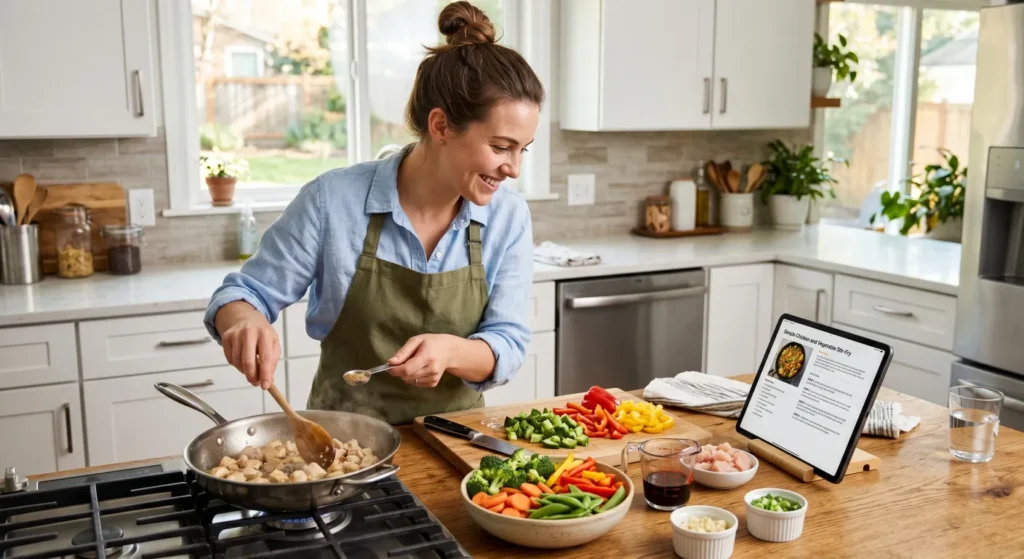
Why is a recipe important heartumental is a question that goes far deeper than kitchen instructions or ingredient lists.
A recipe is not just a written guide — it is a structured connection between your heart, your memories, your culture, and your daily life.
The word heartumental blends heart and instrumental, meaning something that is both emotionally meaningful and practically essential.
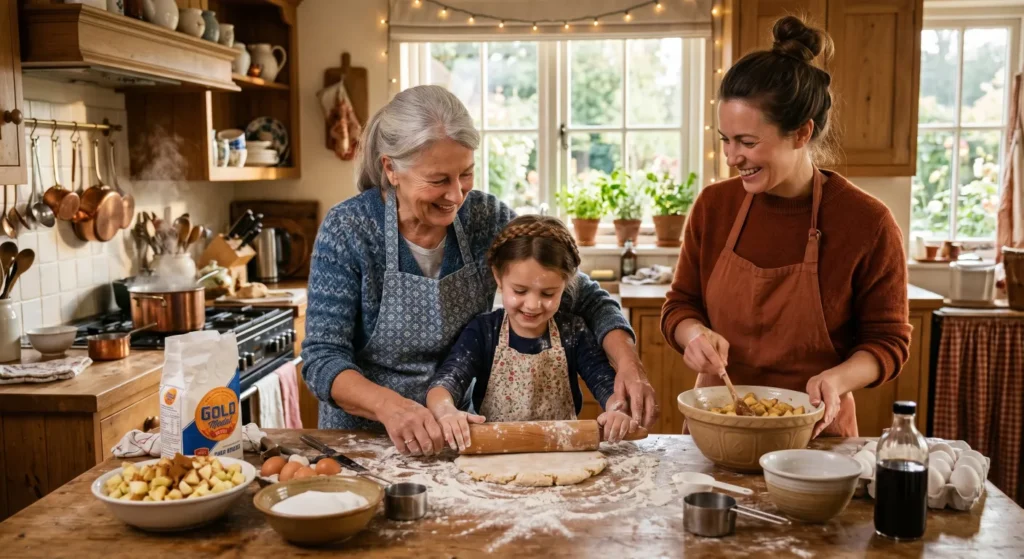
Heartumental is a blend of two powerful words — heart and monumental (or instrumental). It describes things that are both emotionally significant and functionally necessary at the same time.
When applied to recipes, the heartumental meaning is simple. A recipe is not just cooking directions. It is a tool that teaches skills, preserves traditions, builds confidence, and nurtures relationships all at once.
Most people treat recipes as task lists. The heartumental approach treats them as living documents — full of intention, memory, and cultural weight. This shift in perspective changes how you cook, how you share food, and how you pass it forward.
A recipe is a written guide explaining how to prepare a dish. It includes ingredients, measurements, preparation steps, cooking methods, timing, and serving suggestions.
But beyond those technical elements, a good recipe also contains context — the why behind the dish, the story behind the flavors, the hands that first made it.
Recipes act like maps. Without them, cooking becomes guesswork. With them, cooking becomes reliable, repeatable, and deeply personal. The best recipes are both practical roadmaps and emotional anchors.
| Recipe Element | Practical Function | Heartumental Function |
|---|---|---|
| Ingredient list | Guides what to buy | Connects to memory and culture |
| Measurements | Ensures accuracy | Honors the original creator |
| Steps | Builds structure | Teaches patience and presence |
| Cooking time | Prevents errors | Creates anticipation and ritual |
| Serving notes | Manages portions | Invites sharing and connection |
When you open a recipe from a worn notebook or a screen, you may see flour, eggs, and sugar. A cook who understands heartumental cooking sees more than that. Each ingredient is a sensory trigger that grounds you in a feeling of safety, love, or belonging.
The smell of browning butter or a specific blend of spices can transport you instantly. That is not nostalgia — it is the neurobiology of scent and memory working together.
The olfactory system — the part of the brain that processes smell — is directly linked to the hippocampus and amygdala, the areas responsible for memory and emotion. This is why a certain spice can bring back a vivid childhood memory faster than any photograph.
Recreating a heartumental recipe activates this system deeply. You are not just cooking. You are accessing stored emotion and bringing it into the present moment.
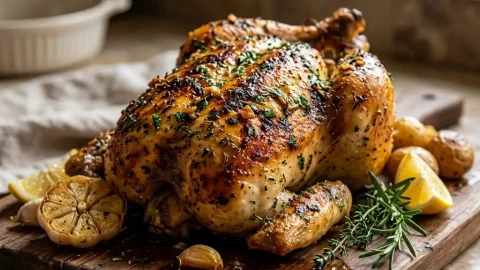
Culinary nostalgia is a powerful phenomenon where food acts as a time machine. It engages all five senses, not just taste. When you recreate a dish from your past, you are not just making food — you are experiencing a memory in real time.
This is exactly why a recipe is important heartumental. It preserves a sensory experience that cannot be captured any other way.
Recipes are among the most enduring forms of cultural transmission. They pass down not only flavors but also values, stories, and histories across generations.
A family’s dumpling recipe may trace its roots to a great-grandmother who survived hardship. A holiday stew could symbolize unity, migration, or survival. These dishes become edible heirlooms — tangible links between who we were and who we are.
Traditional recipes document regional ingredients, cooking techniques, and flavor profiles that might otherwise disappear. When younger family members learn to cook traditional meals, they are not just acquiring culinary skills.
They are participating in an act of cultural preservation. They are saying — this matters, and I want to carry it forward.
| Type of Recipe | Cultural Function | Heartumental Significance |
|---|---|---|
| Grandmother’s handwritten card | Preserves personal legacy | Most emotionally potent recipe form |
| Regional traditional dish | Documents local food identity | Connects to place and people |
| Holiday family meal | Marks time and ritual | Creates recurring shared memory |
| Immigrant family recipe | Preserves heritage across borders | Bridges two cultural identities |
| Adapted modern version | Shows cultural evolution | Honors origin while embracing change |
In multicultural communities, shared recipes become a bridge between traditions. The act of cooking and sharing food across cultural lines builds understanding in a way that few other practices can.
When a community preserves its recipes, it preserves its soul.
New cooks often feel overwhelmed. They worry about measurements, heat levels, and timing all at once. A clear recipe removes that fear immediately.
Step-by-step instructions create a path. Following that path successfully builds real, earned confidence. Every completed dish is proof that you can do this.
The first time you follow a recipe carefully and it works, something shifts. You start to understand why certain steps matter. You begin to see patterns across dishes. Over weeks and months, these small wins accumulate into real kitchen skill.
This is why recipes are important for beginners especially — they are a structured education disguised as dinner.
Families expect meals to taste familiar. Friends expect quality. Recipes make this possible by giving you a reliable framework you can return to every single time.
When you follow the same recipe, you get the same result. This consistency builds trust — trust in your own cooking and trust from the people you feed.
The difference between a good dish and a great one is often precision. The right ratio of salt to acid. The correct temperature for caramelization. The exact rest time for dough.
Recipes encode this precision so that quality is not a matter of luck but a matter of process.
A bread recipe teaches patience, kneading technique, and the importance of resting dough. A stir-fry recipe teaches high-heat cooking and the sequence of adding ingredients. A custard recipe teaches temperature control and the science of emulsification.
Each technique you learn through a recipe becomes a tool you carry into every future dish you make.
| Technique Learned | Recipe Type | Broader Application |
|---|---|---|
| Knife skills | Salads, stews | Every savory dish |
| Heat control | Sautéing, pan sauces | All stovetop cooking |
| Timing and sequencing | Roasts, bakes | Multi-element meals |
| Flavor balancing | Soups, marinades | Every cuisine type |
| Emulsification | Custards, dressings | Sauces and desserts |
Over time, these techniques become second nature. The recipe taught them — but the cook now owns them.
Recipes help people make healthier choices by making ingredient transparency possible. When you cook from a recipe, you manage sodium, sugar, fat, and portion sizes in a way that takeout or packaged food never allows.
This is particularly important for families managing dietary needs, allergies, or health conditions. A recipe gives you control that no restaurant menu can.
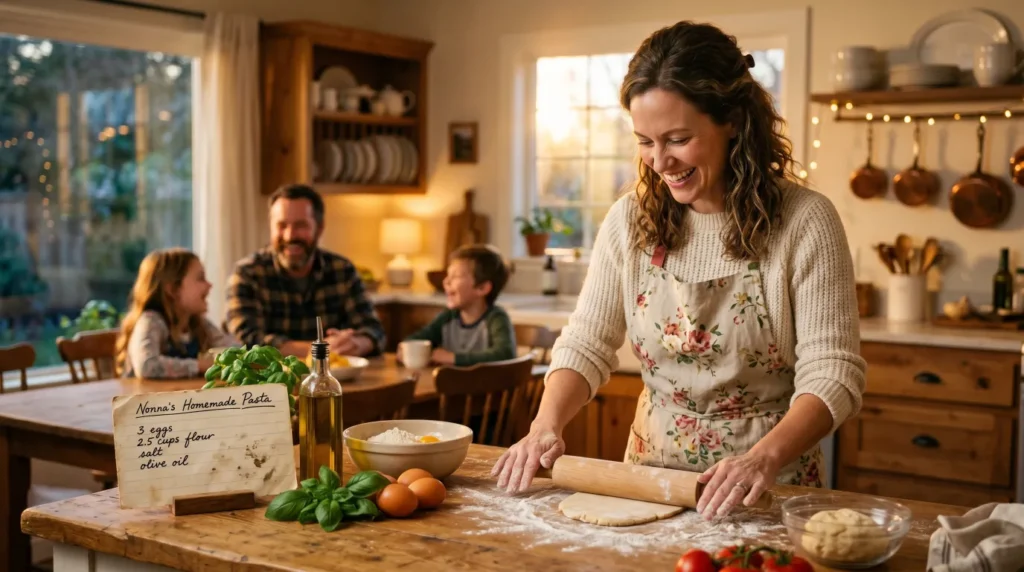
Planning weekly meals from recipes means you can balance macronutrients deliberately. You can include enough protein, adequate fiber, and appropriate portions without guesswork.
The heartumental approach to nutrition sees this as an act of care — cooking with awareness of what nourishes the people you love.
Cooking from a recipe engages multiple cognitive functions — measuring, timing, adjusting heat, tasting — all of which draw attention into the present moment. This is functional mindfulness.
Research shows that cooking activities promote a calm “flow state,” lowering cortisol levels and reducing anxiety. The structure of a recipe is part of what makes this possible.
When cooking without a recipe, it is easy to overbuy, overuse, or discard food that was not needed. Recipes solve this precisely because they specify exact quantities.
Knowing you need 200g of mushrooms means buying exactly that — not a bag you will only use half of.
| Cooking Style | Average Weekly Food Waste | Cost Impact |
|---|---|---|
| Cooking without recipes | High (30–40% of ingredients) | Significant extra spend |
| Cooking with recipes | Low (under 10% of ingredients) | Measurable savings |
| Meal planning with recipes | Minimal | Maximum budget efficiency |
Home cooking from recipes consistently saves money compared to eating out or buying convenience food. Over a year, the savings are substantial.
Recipes bring families together in the most immediate way possible. Parents teach children. Partners cook side by side. Grandparents pass on what their own parents taught them.
These moments are not just cooking lessons. They are emotional investments. The person learning a family recipe is also learning what that family values, how it expresses love, and how it marks time.
Studies on family mealtime consistently show that shared cooking and eating experiences strengthen emotional bonds, improve communication, and create a sense of belonging.
A heartumental recipe is at the center of this. It is the reason to gather, the shared activity, and the connection point all at once.
Simple recipes give children entry points into the kitchen. Measuring ingredients develops math skills. Following steps in order develops sequencing skills. Completing a dish develops pride and self-efficacy.
Cooking with recipes is one of the richest educational activities a family can do together.
Some people assume recipes limit creativity. The opposite is true. Recipes provide a foundation of knowledge. Once you understand the structure and science of a dish, you know which variables you can change and why.
Experienced cooks start with recipes. Then they experiment with confidence, because they understand the rules they are bending.
Changing a recipe to fit dietary needs, taste preferences, or available ingredients does not diminish its value — it evolves it. The heartumental essence lies in the act of caring and cooking with intention, not in culinary perfection.
Creating your own version of a family recipe is not disrespect. It is participation in a living tradition.
Cooking without any structure creates chaos — forgotten timers, missing ingredients, confused sequencing. Recipes bring order to all of this before you even light the stove.
Reading a recipe fully before starting means you know what tools to prepare, which ingredients to have at room temperature, and which steps overlap. This preparation is the difference between a stressful cooking experience and a smooth one.
The French cooking concept of mise en place — having everything in its place before cooking begins — is only possible because the recipe tells you what everything is. Recipes enable organization. Organization enables quality.
In the online food space, a well-tested, clearly written recipe is a trust signal. It shows that the creator respects their audience enough to provide accurate, reliable guidance.
This matters enormously for food blogs, cooking channels, and cooking platforms. A recipe that works exactly as written earns repeat visitors. A recipe that fails loses them permanently.
A heartumental recipe is not just functional — it is honest, contextual, and emotionally intelligent. It acknowledges where the dish came from, why it matters, and what the cook should notice along the way.
This standard raises the quality of cooking content across the entire food ecosystem.
For people managing diabetes, celiac disease, food allergies, or heart conditions, recipe precision is not just convenient — it is essential. Knowing exact ingredients and quantities allows safe, confident cooking for people who cannot afford mistakes.
A heartumental approach to special-diet cooking treats these recipes with the same emotional care and intention as any other. The restriction does not diminish the love.
| Dietary Need | What the Recipe Must Specify | Heartumental Approach |
|---|---|---|
| Gluten-free | Every ingredient source | Honor the dish while protecting health |
| Low-sodium | Exact salt quantities | Adapt without losing flavor identity |
| Diabetic-friendly | Sugar type and quantity | Preserve sweetness through intention |
| Vegan | All animal-derived ingredients | Reflect values through food choices |
| Allergen-free | Clear cross-contamination notes | Treat safety as an act of love |
Every time you recreate an old family recipe, you enter a silent meeting with the person who first created it. You move your hands the way they did. You aim for the taste they achieved. This creates a sense of shared presence that transcends time.
Recipes carry a piece of their creator’s soul. This is the heartumental philosophy in its purest form.
Following a recipe carefully is a radical act of presence in a world that prioritizes speed and efficiency. It says — I am here. I remember. I care.
The time spent measuring, stirring, and tasting is not just cooking. It is a form of mindfulness, attention, and love made visible.
Deciding what to cook without any recipe framework leads to decision fatigue, repeated meals, and impulse grocery shopping. Recipes make weekly meal planning specific, organized, and manageable.
With a set of recipes in hand, you know exactly what to buy, how long each meal takes, and how to distribute effort across the week. This reduces stress across the entire cooking routine.
| Meal Planning Approach | Outcome |
|---|---|
| No recipes, spontaneous cooking | Inconsistent meals, higher waste, more takeout |
| Recipes chosen weekly in advance | Balanced meals, reduced waste, lower cost |
| Recipe archive with seasonal rotation | Long-term healthy eating habits |
| Heartumental recipe planning | Nutritional balance + emotional connection |
Culinary therapy is a growing field that uses structured cooking — including recipe-following — as a tool for managing anxiety, depression, grief, and trauma. The combination of sensory engagement, measurable progress, and creative expression makes cooking uniquely effective.
Recipes provide the structure that makes this therapeutic process possible. Without a clear guide, cooking can feel overwhelming. With one, it becomes grounding.
When feeling anxious or disconnected, revisiting a recipe tied to a meaningful memory can serve as a powerful emotional anchor. The familiar smells, textures, and tastes activate comfort-associated memories and bring the nervous system back to baseline.
This is heartumental cooking at its most healing.
Understanding these mistakes reinforces why a recipe is important heartumental — each one is easily avoided with clear, tested guidance.
| Common Cooking Mistake | How a Recipe Prevents It |
|---|---|
| Wrong ingredient ratios | Precise measurements eliminate guesswork |
| Overcooked or undercooked food | Specific times and temperatures guide correctly |
| Missing a key ingredient mid-cook | Complete ingredient list allows advance prep |
| Inconsistent flavor | Standardized steps create reliable results |
| Wasted expensive ingredients | Clear method prevents costly errors |
Start by identifying dishes that carry emotional weight. Your grandmother’s soup. A holiday dessert. A meal that defined a trip or a relationship. These are your heartumental anchors.
Write them down as completely as possible — not just the ingredients but the context. Where did the recipe come from? Who made it? What did it mean?
Record your heartumental recipes with more than just measurements. Include stories, photographs, notes about substitutions, and memories. A recipe card that says “add extra cinnamon the way Mom always did” is far more valuable than a plain ingredient list.
A recipe kept only in your own kitchen serves one person. A recipe shared becomes a gift. Pass your heartumental recipes to family members, friends, and the next generation. The act of sharing is itself a heartumental gesture.
A standard recipe tells you what to do. A heartumental recipe tells you why it matters. It combines technical precision with emotional context, cultural awareness with personal expression.
| Component | Standard Recipe | Heartumental Recipe |
|---|---|---|
| Title | Dish name only | Dish name + origin story |
| Ingredients | List with quantities | List with notes on sourcing or significance |
| Steps | Task-based instructions | Instructions with sensory cues |
| Timing | Minutes and temperatures | Timing plus what to look and smell for |
| Serving notes | Portion sizes | Serving suggestions tied to occasion or tradition |
Heartumental blends heart and instrumental, describing recipes that are both emotionally meaningful and practically essential — tools that nourish the soul as well as the body.
Recipes give beginners clear steps, correct measurements, and reliable structure, removing the overwhelm of the kitchen and building confidence with every completed dish.
Yes. The sensory-rich, focused nature of recipe-following promotes a calm flow state, reduces cortisol levels, and pulls attention fully into the present moment.
Recipes carry the flavors, techniques, and stories of specific cultures, families, and regions — passing down identity and history in a form that is literally consumable.
Absolutely. Adapting a recipe to fit your needs or tastes honors its living nature. The heartumental value lies in caring intention, not rigid replication.
Recipes specify exact quantities, preventing overbuying and over-preparation. Meal planning with recipes consistently reduces household food waste by up to 30–40%.
Yes. For people managing allergies, diabetes, celiac disease, or heart conditions, precise recipes are essential for safe and confident cooking every single day.
Yes. A handwritten recipe card passed down through generations carries history, personality, and love — making it one of the most meaningful objects a family can preserve.
This usually reflects a misunderstanding. Recipes are foundations, not ceilings. Once you understand a recipe deeply, it gives you the knowledge to experiment freely and confidently.
Recipes activate sensory memory, create predictable positive outcomes, support family bonding, and provide therapeutic structure — all of which directly support emotional health and mental wellbeing.
Why is a recipe important heartumental comes down to this: a recipe is never just a list of ingredients.
It is a quiet promise of care, a thread connecting past to present, a ritual that calms the nervous system, and a gesture of belonging.
In 2026, we have more recipe access than any generation before us. Apps, video channels, digital cookbooks, and food blogs have made recipes universally available.
Yet the heartumental question is not about access — it is about intention. Do you follow a recipe as a task, or as an act of meaning?
The answer to that question changes everything.
It changes how you cook, how you experience food, and how you share it with the people around you.
A heartumental recipe carries history in every measurement, care in every step, and love in every serving. Start today — pull out a recipe that means something to you, make it slowly, and share it with someone.
That is not just cooking. That is the heartumental approach in action.