
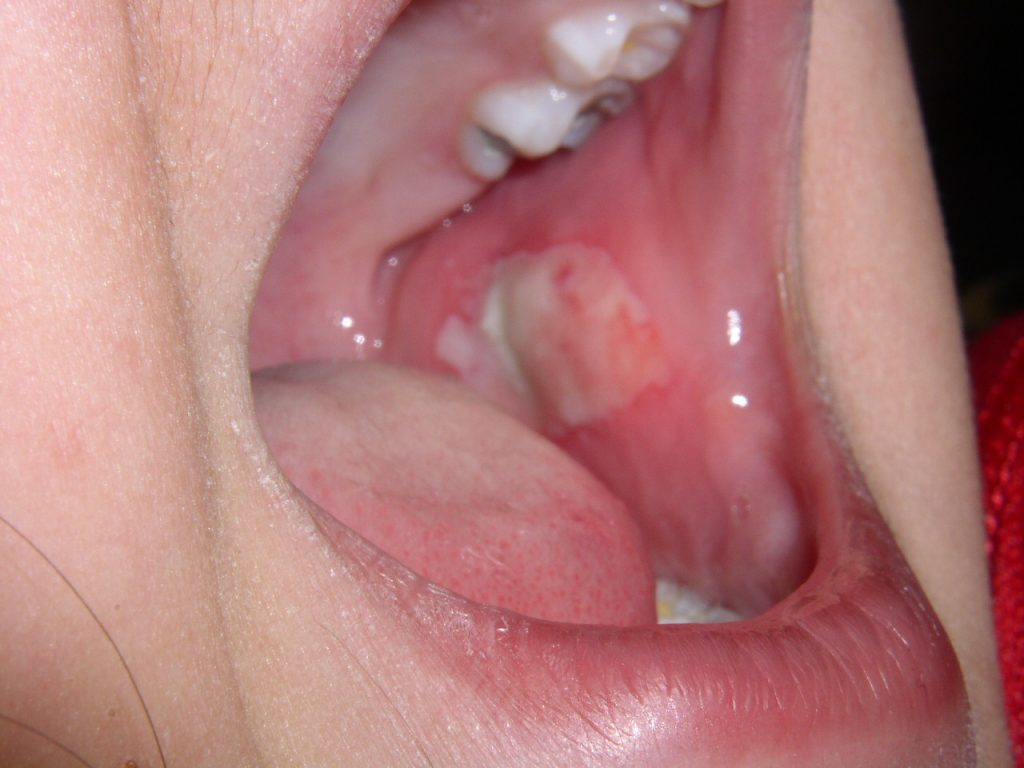
Why do I keep biting my cheek is a question more people ask than you might expect — and the answer is rarely simple.
Cheek biting can happen accidentally while eating, during sleep, or as a completely unconscious habit tied to stress or anxiety.
Some people barely notice it until they feel a sore developing. Others do it constantly without being able to stop.
Whether it is occasional or chronic, cheek biting has real dental and psychological causes.
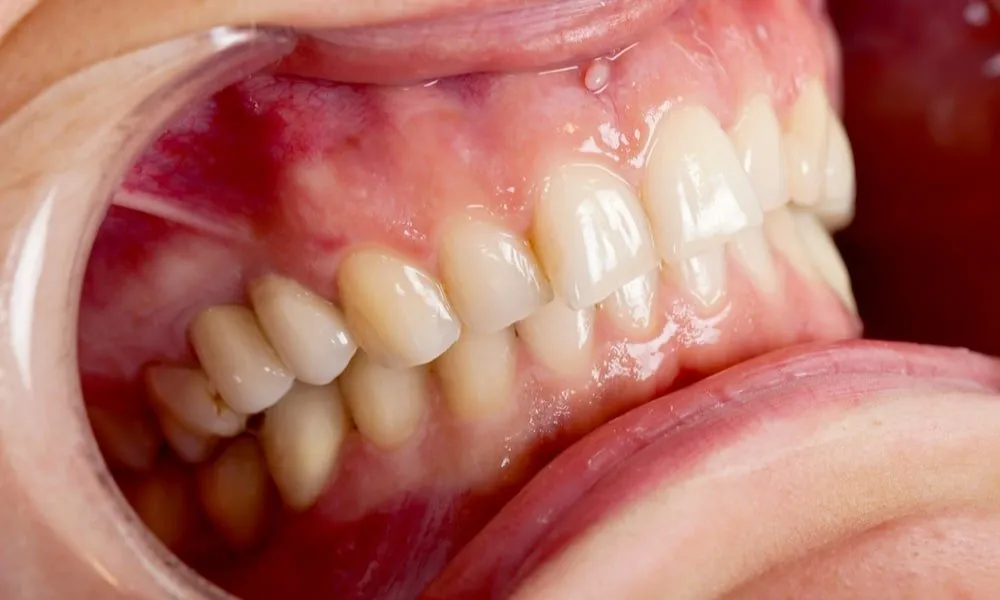
Cheek biting refers to repeatedly biting or chewing the soft inner lining of one or both cheeks. It can be completely accidental — a split second of distraction while chewing — or a deeply ingrained behavioral habit performed without conscious awareness.
When it happens occasionally, it is simply an accident. When it happens regularly, there is almost always an underlying cause that needs to be addressed, whether dental, psychological, or both.
Chronic cheek biting has a clinical name: morsicatio buccarum. It is a Latin term describing repetitive trauma to the buccal mucosa, which is the soft inner lining of the cheek inside the mouth.
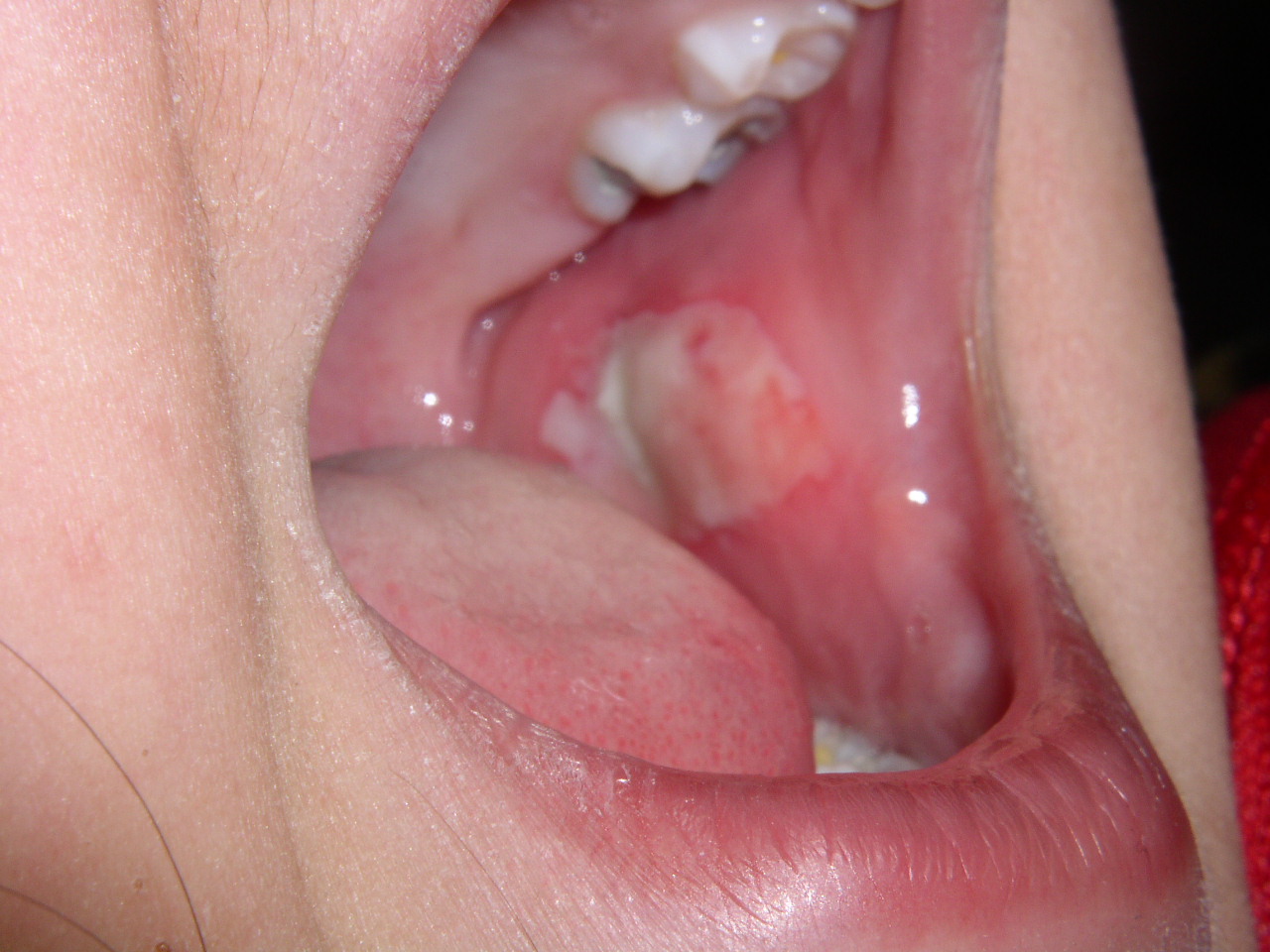
The lesions caused by morsicatio buccarum appear as thickened, ragged white patches along the occlusal plane — the line where the upper and lower teeth meet. Over time, these patches can develop into painful ulcers or scar tissue.
The DSM-5 classifies chronic cheek biting under “Other Specified Obsessive-Compulsive and Related Disorders” as a body-focused repetitive behavior (BFRB). This places it in the same category as nail biting, skin picking, and hair pulling.
Understanding which type of cheek biting you have is the first step toward finding the right solution.
| Type | Description | Primary Cause |
|---|---|---|
| Accidental | One-time or occasional bite while eating or talking | Distraction, eating too fast |
| Regular accidental | Repeated accidental bites in the same spot | Dental misalignment, bite issues |
| Sleep biting | Biting cheeks during sleep unknowingly | Bruxism, sleep disorders |
| Habitual | Subconscious biting during concentration or boredom | BFRB, anxiety, stress |
| Chronic (morsicatio buccarum) | Cannot stop despite wanting to | OCD-related BFRB, psychological triggers |
Here is a detailed breakdown of every major reason cheek biting keeps happening, from structural dental issues to deep-seated behavioral patterns.
Malocclusion is one of the most common physical causes of repeated cheek biting. When your upper and lower teeth do not align properly, certain areas of the inner cheek end up directly in the path of your biting surfaces.
Every time you chew, those misaligned teeth close unevenly and catch the soft tissue. This is why some people bite the same spot on their cheek repeatedly — the teeth are physically directing the bite there. An orthodontist can assess your bite and recommend braces, aligners, or other corrective treatments to resolve the problem.
One of the most frustrating cycles in cheek biting is the injury loop. You bite your cheek once. The tissue swells. Now the swollen tissue sits closer to your teeth. You bite it again. The swelling gets worse.
This self-reinforcing cycle is why a single accidental bite can turn into weeks of repeated biting in the exact same spot. The tissue cannot heal because the swelling keeps putting it back in harm’s way. Protecting the area and modifying your chewing habits gives the tissue time to recover and break the loop.
Stress is one of the most well-documented psychological triggers for cheek biting. When people face stressful situations — work deadlines, relationship problems, financial pressure — they often unconsciously engage in repetitive oral behaviors as a coping mechanism.
Research has linked cheek biting to elevated anxiety levels and emotional distress. A 2019 study also found an association between cheek biting and individuals with depression. The behavior provides a momentary feeling of relief or focus, which reinforces it over time even though it causes physical harm.
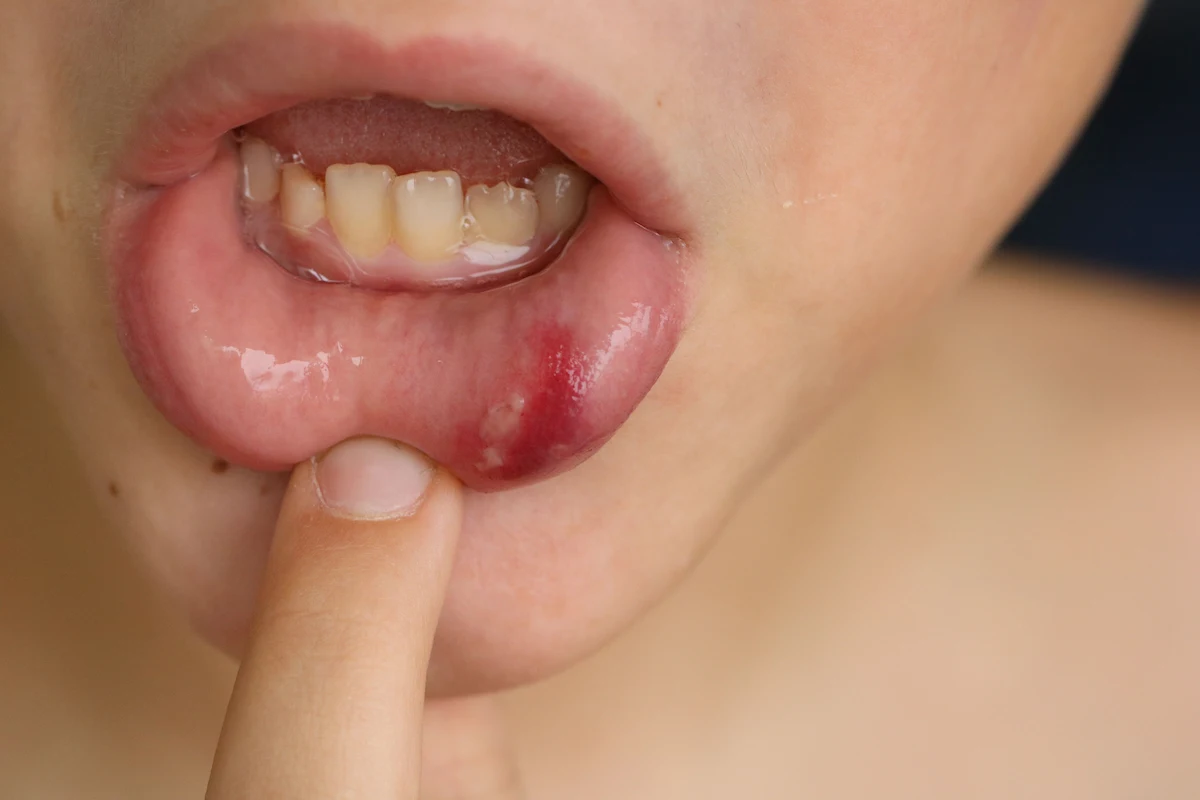
Habitual cheek biting is formally classified as a body-focused repetitive behavior (BFRB). BFRBs are repetitive, self-directed physical actions that result in tissue damage and often occur without full conscious awareness.
BFRBs can co-occur with anxiety, depression, OCD, ADHD, and autism. The Merck Manual notes that treatment for BFRB-related cheek biting typically includes cognitive behavioral therapy (CBT), habit reversal training (HRT), and in some cases medications such as SSRIs or N-acetylcysteine. The key feature is that people with BFRB-level cheek biting genuinely want to stop but find it very difficult to do so without structured support.
Bruxism is the habit of grinding or clenching teeth, most often during sleep. It creates significant jaw movement and muscle tension that can cause the cheeks to be caught between the teeth during the night.
People who grind their teeth often wake up with sore jaws, headaches, and unexplained bite marks on the inside of their cheeks. A custom night guard prescribed by a dentist creates a protective barrier between the teeth and the soft cheek tissue, dramatically reducing overnight injury.
When wisdom teeth begin to erupt, they shift the alignment of surrounding teeth and change the overall shape of the bite. These shifts can create new pinch points in the mouth where the cheek was previously safe.
Crowded or partially erupted wisdom teeth put nearby soft tissue at risk during normal chewing. In many cases, the dentist will recommend extraction to resolve the crowding and eliminate the trigger for repeated cheek biting.
New dental work — including crowns, fillings, bridges, braces, or retainers — can temporarily alter how the teeth fit together. A sharp or slightly raised edge on a new crown can repeatedly catch the inner cheek until the bite is adjusted.
If you have started biting your cheek frequently after a dental procedure, tell your dentist immediately. A simple bite adjustment or smoothing of the sharp edge can resolve the problem quickly.
The way you eat plays a significant role in how often you bite your cheek. Eating too fast, talking while chewing, or scrolling your phone during meals dramatically increases the likelihood of an accidental bite.
When your attention is divided, your jaw and tongue coordination can fall slightly out of sync. That split second of miscoordination is all it takes to catch the inner cheek between your molars. Slow, mindful eating is one of the most effective and immediate ways to reduce accidental cheek biting.
Habitually favoring one side of your mouth when you chew is another overlooked physical cause. When all chewing pressure is concentrated on one side, that side’s cheek tissue gets far more exposure to the biting surfaces.
This is especially common in people with tooth pain, dental work on one side, or jaw tenderness. Consciously alternating chewing sides distributes the bite pressure evenly and significantly reduces the risk to the inner cheek tissue.
Many people bite their cheeks when they are deeply focused on a task — studying, working at a computer, driving, or watching a screen. The repetitive oral stimulation seems to accompany concentration, much like people tapping their feet or twirling their hair while thinking.
Similarly, boredom can trigger cheek biting as a form of sensory seeking. The person is not stressed — they simply need oral stimulation. Over time, this can become an ingrained habit that happens without any emotional trigger at all.
Repeated cheek biting causes a very specific set of visible changes to the inner cheek lining.
| Appearance | What It Means |
|---|---|
| White or grayish thickened patches | Chronic morsicatio buccarum (hyperkeratosis) |
| Ragged or shredded tissue texture | Ongoing mechanical trauma from biting |
| Red or raw areas | Active ulceration or open sores |
| Swollen inner cheek | Recent bite, inflammation in progress |
| Scar tissue formation | Long-term repeated biting at the same spot |
These patches are caused by hyperkeratosis — the skin thickening as a defense response to repeated trauma. They are generally harmless, but because they look similar to other oral lesions, a dentist should evaluate persistent white patches to rule out other conditions.
Biting your cheek during sleep is particularly difficult to manage because you are completely unaware it is happening. You may wake up with soreness, fresh bite marks, or the familiar swollen patch without any memory of biting.
Sleep-related cheek biting is closely connected to bruxism (teeth grinding), stress-related jaw clenching, and certain sleep disorders. A custom night guard is the most effective protective solution.
A dentist can take impressions of your teeth and fabricate a fitted guard that holds the cheeks safely away from the biting surfaces all night. Some people see immediate improvement in soreness after just the first night of wearing one.
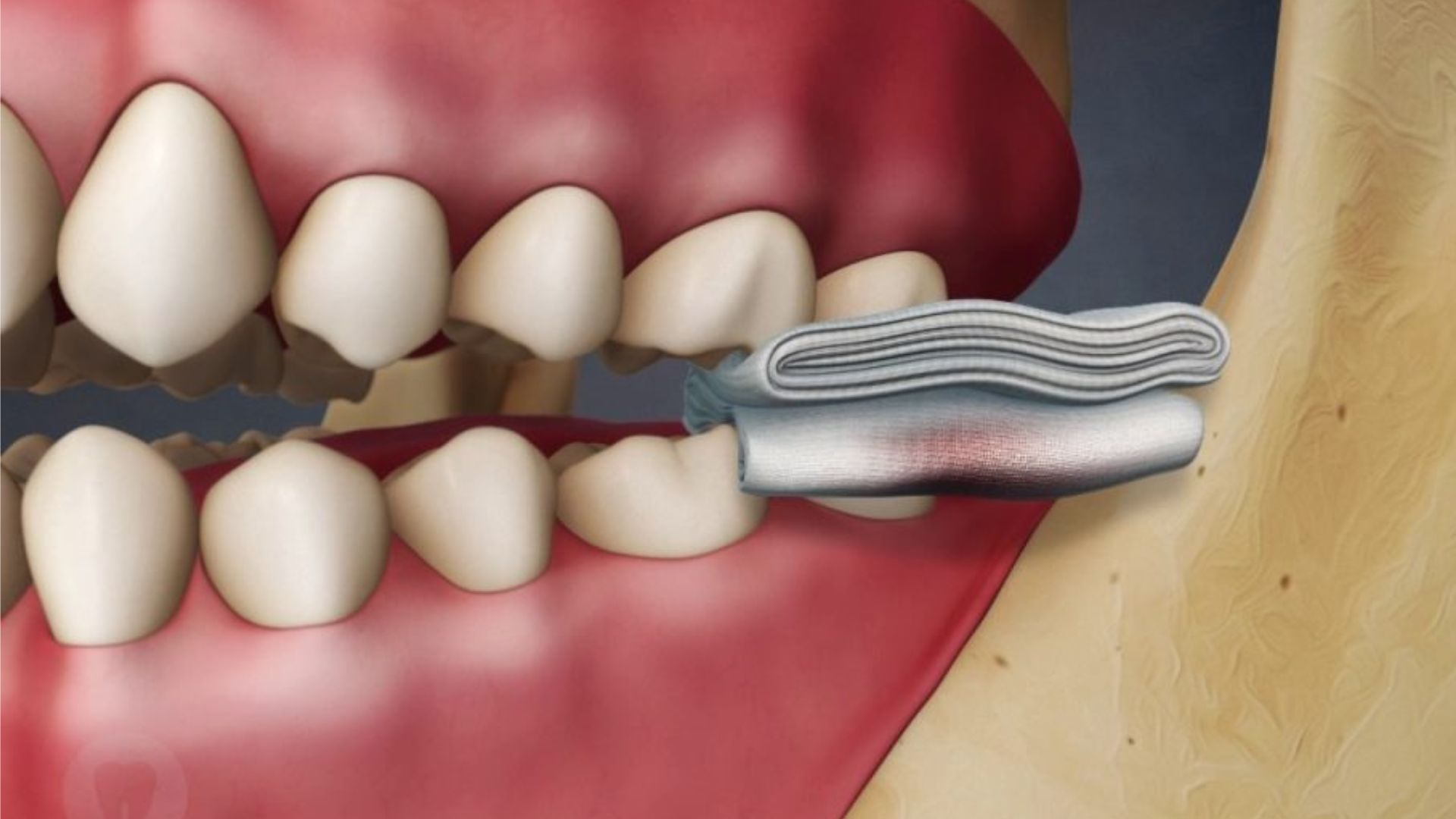
Occasional accidental bites are not a health concern. But chronic, repeated biting over weeks and months can cause real damage to your oral health.
Constantly reopening the same wound prevents the tissue from ever fully healing. This leads to persistent painful ulcers that make eating, drinking, and even talking uncomfortable.
These sores are also vulnerable to bacterial infections, especially if oral hygiene is not maintained carefully in the affected area.
Over time, the repeatedly traumatized area develops scar tissue. The tissue becomes thicker, less elastic, and sometimes even more prone to being caught by the teeth — which can perpetuate the biting cycle.
Severe or long-standing scar tissue may occasionally require minor dental or oral surgery to remove.
Habitual jaw clenching and abnormal chewing patterns associated with chronic cheek biting can place excessive stress on the temporomandibular joint (TMJ). TMJ disorders cause jaw pain, headaches, clicking or popping sounds when opening the mouth, and difficulty chewing.
Managing cheek biting early helps prevent the development of secondary TMJ problems.
When cheek biting is a BFRB, it often causes significant emotional distress beyond the physical symptoms. People may feel embarrassed, frustrated, or out of control. The cycle of biting, resolving to stop, and biting again can reinforce feelings of shame and anxiety.
This is why addressing the psychological component is just as important as any dental treatment.
If your cheek biting has a structural or dental cause, your dentist or orthodontist is the right first stop.
Braces, clear aligners, or retainers can correct dental malocclusion and give the cheeks the space they need to stay out of the bite path. Many people find that their habitual cheek biting stops naturally once their bite alignment is corrected.
An orthodontic consultation can identify whether misalignment is contributing to your cheek biting, even if your teeth look reasonably straight from the outside.
A custom-fitted night guard or occlusal splint is the most effective solution for sleep-related cheek biting. It creates a physical barrier between the teeth and the soft cheek tissue.
Night guards also protect against bruxism, reducing both tooth wear and the jaw muscle tension that contributes to unconscious biting during sleep. Over-the-counter options exist but a custom-fitted guard from your dentist provides far better protection and comfort.
If a sharp dental restoration, ill-fitting crown, or rough orthodontic bracket is causing the problem, your dentist can smooth or adjust it quickly. This simple fix can stop cheek biting that seemed mysterious and persistent almost immediately.
Regular dental checkups are valuable partly for this reason — small bite issues get caught and corrected before they become chronic problems.
When crowding or partially erupted wisdom teeth are the cause, extraction may be the most straightforward solution. Your dentist will take X-rays to assess the position of the wisdom teeth and recommend removal if they are creating bite disruptions or soft tissue trauma.
When cheek biting is driven by stress, anxiety, or habit, behavioral strategies are the most effective path forward.
Habit reversal training is an evidence-based behavioral therapy specifically designed to treat BFRBs including cheek biting. It involves three key steps: building awareness of when and why the behavior occurs, identifying the triggers and sensations that precede it, and practicing a competing response to replace the biting.
HRT has been shown to significantly reduce the frequency of BFRBs and is considered a first-line psychological treatment for morsicatio buccarum.
CBT helps individuals identify the thoughts, emotions, and situations that trigger cheek biting. A trained therapist helps the person develop healthier coping responses to stress, anxiety, or boredom that do not involve oral self-harm.
CBT is particularly effective when cheek biting co-occurs with anxiety disorders, OCD, or depression.
Regular mindfulness practice builds awareness of unconscious physical habits, including cheek biting. Even simple daily breathing exercises, progressive muscle relaxation, or short meditation sessions can reduce the baseline anxiety that triggers the behavior.
Yoga, journaling, and regular physical exercise are also effective at lowering chronic stress levels that drive habitual oral behaviors.
Since cheek biting often provides oral stimulation or a sensory outlet, replacing it with a safer alternative can be very effective. Sugar-free gum is one of the most commonly recommended substitutes — it satisfies the jaw movement urge without damaging the cheek tissue.
Other alternatives include chewing on crunchy vegetables, using a stress ball, or keeping your hands busy during activities that typically trigger the biting.
Tracking when the biting happens, what you were doing, and how you were feeling at the time helps identify specific triggers. Many people are surprised to discover they only bite their cheek during particular activities or emotional states.
Once the trigger is known, targeted strategies can be applied. For example, if you only bite while driving, keeping gum in the car eliminates the trigger environment for the habit.
Once the cheek has been bitten, the priority becomes healing the tissue quickly to break the re-injury cycle.
Mix half a teaspoon of salt in a cup of warm water and rinse gently for 30 seconds. Do this two to three times a day.
Salt water reduces inflammation, prevents bacterial infection in the open wound, and promotes faster healing of the mucosa.
Food-grade aloe vera gel can be applied directly to the sore area inside the mouth. It has natural anti-inflammatory and soothing properties that help calm irritated tissue.
Apply a small amount after meals and before bed for best results.
Pure honey has antimicrobial and healing properties. Applying a small amount to the inner cheek sore can reduce pain and help prevent infection.
Use raw or medical-grade honey for the best therapeutic effect.
Products containing benzocaine can temporarily numb the sore area and reduce the pain that makes biting more likely. They are available at most pharmacies without a prescription.
These gels do not address the cause of the biting but they make the healing period more comfortable and reduce the urge to probe the sore area with your teeth.
While the cheek heals, avoid spicy foods, acidic foods, very hot beverages, and hard or crunchy foods that abrade the sore area. Stick to soft, mild foods to give the tissue the best conditions to recover.
Most cheek bites heal in a few days without intervention. But certain signs indicate you need professional evaluation.
Children can also develop cheek biting habits, often connected to teething discomfort, newly erupted teeth, or anxiety. It is also commonly seen in children with ADHD or autism as a form of sensory regulation.
Parents should avoid shaming or punishing the behavior. Instead, consulting a pediatric dentist to rule out dental causes and working with a behavioral therapist for habit-related biting is the most effective approach.
Night guards designed for children are available and can be helpful for sleep-related cheek biting.
| Cause | Best Solution |
|---|---|
| Dental malocclusion | Orthodontic treatment (braces, aligners) |
| Sleep bruxism | Custom night guard |
| Stress and anxiety | CBT, stress management, mindfulness |
| BFRB / compulsive habit | Habit reversal training (HRT), therapy |
| Sharp dental restoration | Dental adjustment or repair |
| Wisdom teeth crowding | Dental evaluation, possible extraction |
| Eating too fast | Mindful eating, smaller bites |
| Post-bite swelling loop | Salt water rinses, soft diet, time |
| Boredom / concentration | Substitute habit (sugar-free gum) |
You keep biting the same spot because a previous bite causes swelling that pushes the tissue closer to your teeth. A dental alignment issue may also be directing your bite repeatedly to that exact location.
Yes, cheek biting is commonly linked to stress and anxiety. It is classified as a body-focused repetitive behavior (BFRB) and often acts as an unconscious coping mechanism during periods of emotional distress.
Morsicatio buccarum is the clinical name for chronic cheek biting. It describes repetitive trauma to the inner cheek lining that causes thickened white patches, ulcers, and scar tissue over time.
Sleep-related cheek biting is most often caused by bruxism (teeth grinding) or jaw clenching during sleep. A custom night guard from your dentist is the most effective way to protect the cheeks overnight.
Chronic cheek biting alone does not cause oral cancer. However, persistent white patches inside the mouth should always be evaluated by a dentist to rule out other conditions, including leukoplakia or early oral changes.
Habit reversal training (HRT) and cognitive behavioral therapy (CBT) are the most evidence-based methods for stopping unconscious cheek biting. Identifying your triggers, replacing the habit with gum or another activity, and building mindful awareness are effective first steps.
Accidental cheek biting usually resolves as the bite heals in a few days. Habitual or chronic cheek biting driven by dental issues or behavioral patterns does not go away on its own and requires targeted treatment.
The DSM-5 classifies chronic cheek biting as an “Other Specified Obsessive-Compulsive and Related Disorder” when it rises to the level of a body-focused repetitive behavior disorder. It can co-occur with OCD but is not the same as OCD itself.
A dentist can identify bite misalignment, adjust sharp dental restorations, fit a custom night guard, evaluate wisdom teeth, and refer you to an orthodontist or therapist depending on the underlying cause.
Yes. Since stress is a primary trigger for habitual cheek biting, reducing overall stress through mindfulness, exercise, breathing exercises, or therapy directly reduces the frequency of the behavior in many people.
Why do I keep biting my cheek is a question with many possible answers — and usually more than one factor is at play.
Whether the cause is a misaligned bite, a healing injury creating a swelling loop, stress-driven unconscious habit, or sleep bruxism, there are clear and effective solutions available for every scenario.
The most important first step is identifying which type of cheek biting applies to your situation.
Occasional accidental biting needs simple home care and mindful eating.
Structural dental causes need professional evaluation and possible orthodontic or restorative treatment.
Behavioral and stress-related biting responds well to habit reversal training, CBT, and stress management strategies.
Do not ignore chronic cheek biting. Left unaddressed, it can lead to painful ulcers, scar tissue, TMJ problems, and significant emotional distress.
A routine dental checkup is always a smart starting point — your dentist can rule out physical causes and point you toward the right support.
With the right combination of dental care and behavioral strategies, cheek biting is a habit that can absolutely be broken.