
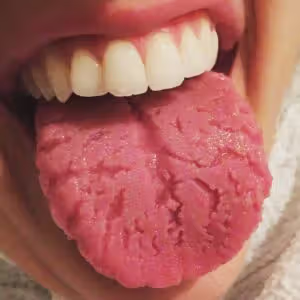
Why does my tongue have cracks is a question millions of people type into search engines every year, and the answer is almost always reassuring.
A cracked tongue, medically known as a fissured tongue or lingua plicata, is a benign condition that affects between 5% and 20% of the global population.
The grooves or fissures that appear on the tongue surface are typically harmless, painless, and not contagious.
However, understanding what causes them, when they need attention, and how to manage them properly is important for your long-term oral health.

A fissured tongue is a condition in which deep grooves, cracks, or furrows appear on the top surface of the tongue. These fissures can vary widely in depth, length, and pattern from person to person.
The condition goes by several names including fissured tongue, scrotal tongue, lingua plicata, and furrowed tongue. All of these terms describe the same benign condition.
Most people discover they have a fissured tongue by looking in the mirror or during a routine dental checkup. Many people live with it for years without ever knowing it has a name.
Yes, in most cases a cracked tongue is completely normal. It is considered a normal variation in tongue appearance, not a disease or disorder.
Estimates suggest between 2% and 20% of the global population has some degree of tongue fissuring. In the United States alone, approximately 5% of people have this condition.
A fissured tongue is not contagious, does not cause systemic illness, and does not increase cancer risk. For the vast majority of people, it simply looks different and requires no medical treatment whatsoever.
A cracked tongue typically has one or more grooves running along its top surface. The central crack is often the deepest, with smaller fissures branching off to the sides.
The depth of the cracks ranges from very shallow surface lines to deep grooves that can trap food particles and bacteria if oral hygiene is not maintained carefully.
The overall appearance can sometimes be described as wrinkled, ridged, or split. The color of the tongue itself is usually normal pink unless an underlying issue is also present.
Understanding the root cause of your cracked tongue helps you know whether it needs treatment or just routine monitoring. Here are the most well-documented causes.
The most common cause of a fissured tongue is simply genetics. If one or both of your parents have a fissured tongue, your chances of having one are significantly higher.
Tongue fissuring tends to run in families and is considered a hereditary trait in many cases. It is not caused by any lifestyle choice or dietary habit when genetics is the primary driver.
If other family members have similar tongue texture, the cause of your cracks is almost certainly genetic and entirely benign.
Fissured tongue becomes more common with age. Studies show that the prevalence increases consistently as people grow older, and many people develop fissures later in life even without a family history.
The tongue tissue naturally changes over decades, losing some elasticity and moisture-retaining capacity. This can contribute to the development or deepening of existing fissures.
Age-related tongue fissuring is not a sign of illness. It is a natural part of how oral tissue evolves over a lifetime.
Certain vitamin and mineral deficiencies have been associated with tongue changes, including the development or worsening of cracks. The most commonly linked deficiencies include B vitamins, particularly B6 and B12, as well as iron, zinc, and folic acid.
A deficiency in these nutrients can affect the health of the oral mucosa, making it more vulnerable to surface changes. A simple blood test can identify whether a deficiency is contributing to your tongue appearance.
Correcting these deficiencies through diet or supplementation often improves the overall appearance and comfort of the tongue over time.
Chronic dehydration and dry mouth, medically called xerostomia, can make tongue fissures worse. When the mouth lacks adequate saliva, the tongue surface dries out and existing grooves may deepen or become more irritated.
Saliva plays a critical protective role in oral health. It lubricates tongue tissue, neutralizes acids, and prevents debris from accumulating in the fissures.
Drinking enough water throughout the day and identifying any medication-related dry mouth are both important steps in managing fissure-related discomfort.
Geographic tongue is a condition that frequently co-occurs with fissured tongue. It causes smooth, red, map-like patches on the tongue surface where the papillae have worn away.
People with geographic tongue often also develop fissures, and the two conditions together are extremely common. Both are benign but can cause occasional burning or sensitivity with acidic or spicy foods.
If you notice irregular reddish patches alongside your cracks, it is worth mentioning to your dentist. The combination is well-documented and manageable with dietary adjustments.
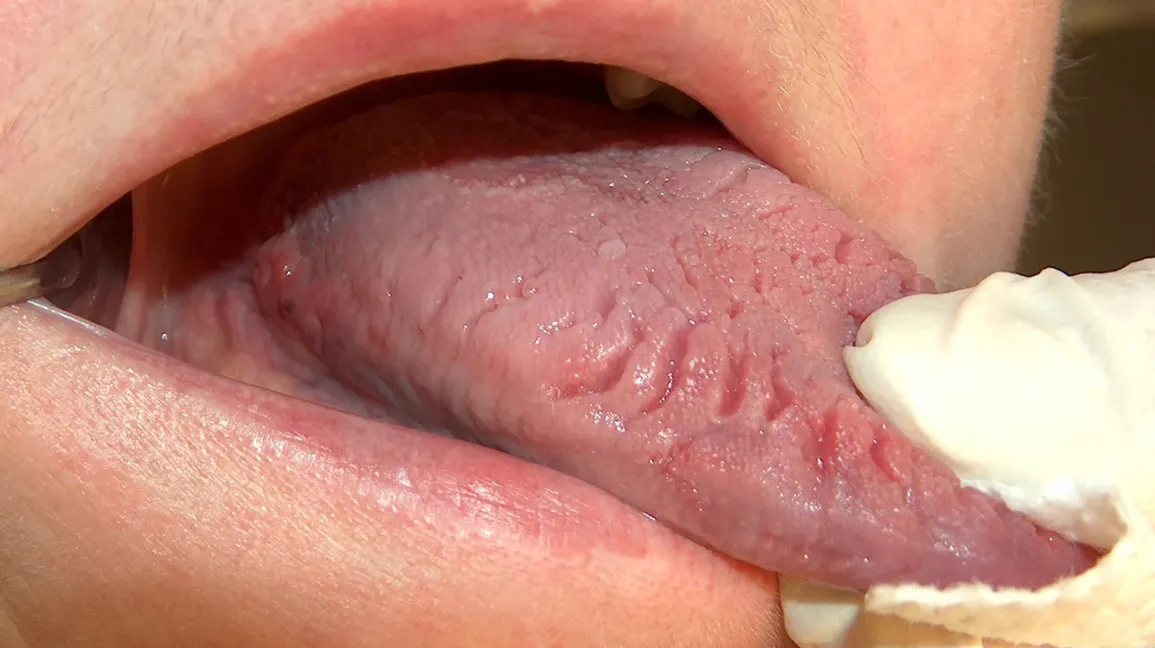
Melkersson-Rosenthal syndrome is a rare neurological disorder that presents with a triad of symptoms: recurrent facial swelling, facial nerve paralysis, and a fissured tongue. It affects approximately 0.08% of the general population.
This syndrome is significantly rarer than simple fissured tongue. The fissured tongue in this case appears alongside the other two major symptoms rather than in isolation.
If you have a cracked tongue along with unexplained facial swelling or episodes of facial weakness, a medical evaluation for this syndrome is worthwhile.
Individuals with Down syndrome have a higher prevalence of fissured tongue than the general population. The tongue in Down syndrome also tends to be larger than average, which contributes to the appearance of deeper grooves.
This association is well-established in dental and medical literature. Managing oral hygiene carefully is especially important in this population to prevent bacterial buildup in the fissures.
Regular dental visits and thorough tongue cleaning are the primary management strategies in this context.
Psoriasis, a chronic skin condition that causes red, scaly patches on the body, has been linked to oral manifestations including fissured tongue and geographic tongue. The tongue in psoriasis may show patterns similar to the skin lesions.
Researchers believe geographic tongue may actually be the oral equivalent of psoriasis in some individuals. The two conditions share similar inflammatory pathways.
If you have a confirmed psoriasis diagnosis and notice tongue changes, your dermatologist and dentist can coordinate on monitoring your oral health.
Sjögren’s syndrome is an autoimmune condition that primarily attacks the glands that produce saliva and tears. The resulting chronic dry mouth creates the perfect environment for tongue fissures to develop and worsen.
Without adequate saliva production, the tongue dries out persistently. This dryness leads to tissue breakdown and fissuring that would not occur with normal salivary flow.
People with Sjögren’s syndrome often need specialized oral care plans from their dentist to manage the effects of chronic dry mouth on their tongue and teeth.
Certain medications cause dry mouth as a side effect, which in turn can contribute to tongue fissuring. Common culprits include antihistamines, antidepressants, diuretics, and blood pressure medications.
If your cracks developed or worsened after starting a new medication, this connection is worth discussing with your prescribing doctor. Saliva substitutes and increased hydration can help offset medication-related dryness.
Never stop a prescribed medication without medical advice, but do flag the oral side effects so your care team can help manage them.
When deep tongue fissures trap food debris, they can become a breeding ground for Candida albicans, the fungus responsible for oral thrush. This is one of the most common complications of a fissured tongue.
A candida infection in the tongue cracks causes inflammation, burning, and sometimes a white coating in or around the fissures. It is treatable with antifungal medications prescribed by a doctor or dentist.
Preventing candida overgrowth is one of the main reasons why maintaining excellent tongue hygiene is so important when you have a fissured tongue.
Most people with a fissured tongue experience no symptoms beyond the visible grooves. However, some people do notice mild discomfort in certain situations.
| Symptom | When It Typically Occurs |
|---|---|
| Burning sensation | When eating acidic, spicy, or salty foods |
| Bad breath (halitosis) | When food debris accumulates in deep cracks |
| Mild irritation | When fissures become dry or irritated |
| Fungal infection signs | Persistent white coating or soreness in grooves |
| Taste changes | When papillae are affected by geographic tongue |
| Discomfort while eating | When cracks are deep and food gets trapped frequently |
Symptoms are almost always manageable with improved oral hygiene rather than medical intervention.
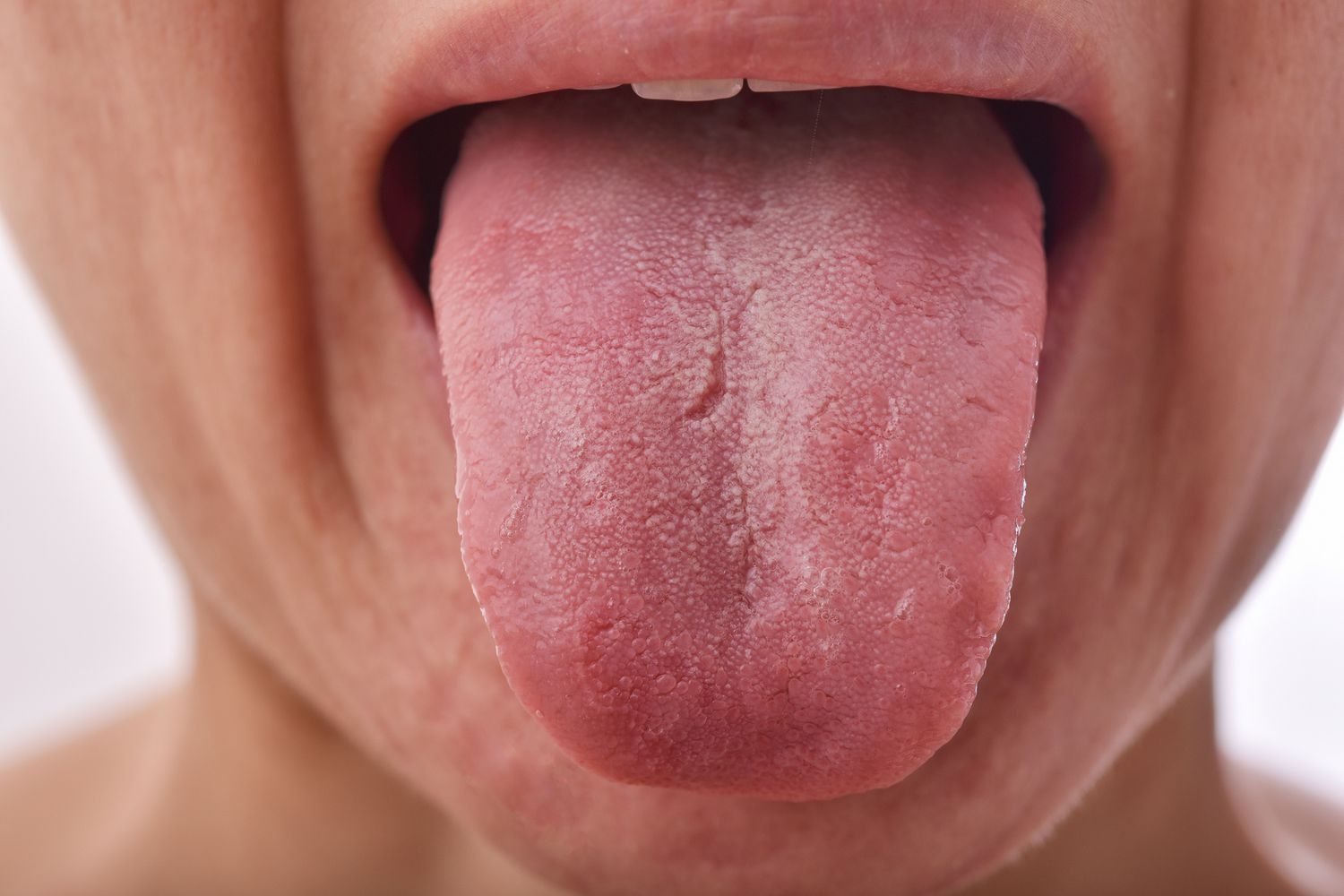
A fissured tongue on its own rarely requires urgent medical attention. However, certain accompanying signs should prompt a professional evaluation.
See your dentist or doctor if you experience persistent pain or burning that does not improve with improved oral hygiene, visible swelling of the tongue or surrounding areas, signs of infection such as redness, pus, or a persistent foul taste, or difficulty eating or speaking due to tongue discomfort.
You should also seek attention if the tongue changes appear suddenly and dramatically, if you have associated facial swelling or paralysis, or if you are concerned that a vitamin deficiency may be contributing.
Diagnosis is almost always made through a simple visual examination. A dentist or doctor looks at the tongue and identifies the pattern, depth, and location of the fissures.
No special tests are typically needed to diagnose a fissured tongue itself. However, your doctor may order a blood test if they suspect a nutritional deficiency is playing a role.
In cases where infection or an underlying condition is suspected, additional tests such as a fungal culture or imaging may be ordered. A biopsy is rarely needed but is occasionally performed to rule out other concerns.
The good news is that most fissured tongues require no formal treatment. Management focuses on prevention of complications rather than eliminating the fissures themselves.
The single most important thing you can do for a fissured tongue is maintain excellent oral hygiene. This means brushing your teeth twice daily and including your tongue as part of that routine.
Using a soft-bristled toothbrush or a dedicated tongue brush to gently clean the surface of the tongue removes food debris and bacteria from within the fissures before they can cause problems.
This simple habit prevents bad breath, reduces the risk of fungal or bacterial infection, and keeps the tongue surface as clean and healthy as possible.
A tongue scraper is a particularly effective tool for people with fissured tongues. It reaches into the grooves more efficiently than a toothbrush alone and removes accumulated debris with each stroke.
Research shows that combining tongue scraping with regular brushing significantly reduces bacterial load in the mouth and also decreases plaque buildup on teeth. It is a low-cost, high-impact addition to any oral care routine.
Use a tongue scraper once or twice daily, particularly in the morning when bacterial accumulation overnight tends to be highest.
Drinking adequate water throughout the day keeps saliva production high and prevents the tongue from drying out. This reduces irritation within the fissures and makes the tongue more comfortable overall.
Aim for at least 8 glasses of water daily, and more if you are taking medications that cause dry mouth. Avoiding excessive alcohol and caffeine also helps maintain oral moisture levels.
If dry mouth is severe, your dentist can recommend saliva substitutes, special mouthwashes, or other moisture-promoting products designed specifically for this issue.
Certain foods commonly trigger discomfort in people with fissured tongues. Identifying and limiting your personal triggers can significantly reduce burning or irritation.
Acidic foods like citrus fruits, tomatoes, and vinegar-based dressings are common irritants. Spicy foods, very salty snacks, and carbonated drinks can also cause burning in deeper fissures.
A food diary for one to two weeks can help you identify which specific foods cause the most discomfort so you can adjust your diet accordingly without eliminating unnecessarily broad food groups.
Rinsing with warm salt water is a simple and effective home remedy for keeping tongue fissures clean and reducing any mild inflammation. Salt has natural antimicrobial properties that help control bacterial and fungal growth.
Mix half a teaspoon of plain salt into a glass of warm water and rinse for 30 to 60 seconds once or twice daily. This is particularly helpful after meals when food particles are most likely to have lodged in the grooves.
Saltwater rinses are safe, inexpensive, and can be used long-term as part of a daily oral care routine without any side effects.
If Candida albicans has established itself in the tongue fissures, antifungal medication is needed to clear the infection. Common treatments include Nystatin oral suspension or Clotrimazole troches prescribed by your doctor or dentist.
Over-the-counter antifungal products are not typically strong enough to treat an established tongue infection. A proper diagnosis and prescription are necessary for effective resolution.
Once the infection is cleared, continuing strong oral hygiene practices helps prevent recurrence and keeps the fissures free of the conditions that allow fungal overgrowth to develop.
If blood tests reveal deficiencies in B vitamins, iron, zinc, or folic acid, addressing those deficiencies through diet or supplementation can improve tongue health. Foods rich in B12 include eggs, dairy, meat, and fortified cereals.
Iron-rich foods include leafy greens, legumes, red meat, and fortified grains. Zinc is found in nuts, seeds, shellfish, and whole grains. Folate is abundant in dark leafy vegetables, citrus, and beans.
Work with your doctor to determine the right supplementation approach for your specific deficiency. Taking supplements without confirmed deficiency is generally unnecessary and sometimes counterproductive.
When tongue fissuring is linked to an underlying condition such as Sjögren’s syndrome, psoriasis, or Melkersson-Rosenthal syndrome, treating the primary condition is the most effective way to manage the oral symptoms.
Your care team, including your dentist, primary care doctor, and any relevant specialists, should coordinate on a management plan that addresses both the root cause and the oral manifestations.
In these cases, the fissured tongue is one symptom among several and responds best when the broader condition is under good control.
While a fissured tongue is benign, neglecting oral hygiene can lead to avoidable complications that cause real discomfort and require treatment.
| Complication | Cause | How to Prevent |
|---|---|---|
| Oral thrush (Candida infection) | Fungal overgrowth in deep fissures | Regular tongue brushing and scraping |
| Halitosis (bad breath) | Food debris decomposing in grooves | Tongue cleaning after every meal |
| Bacterial infection | Bacteria multiplying in trapped debris | Daily thorough oral hygiene routine |
| Tooth decay | Bacteria spread from tongue to teeth | Complete twice-daily oral care |
| Irritation and burning | Acidic or spicy food in deep cracks | Dietary modification and hydration |
These complications are almost entirely preventable with consistent, thorough oral hygiene and a little awareness of your dietary triggers.
These two conditions are frequently confused and often co-exist, but they are not the same thing. Understanding the difference helps you communicate more accurately with your healthcare provider.
| Feature | Fissured Tongue | Geographic Tongue |
|---|---|---|
| Appearance | Deep grooves or cracks on surface | Smooth red patches with white borders |
| Location | Top surface of tongue | Top surface, sides, sometimes moves |
| Causes pain | Rarely, unless infected | Sometimes, especially with spicy foods |
| Pattern | Stable, consistent | Patches migrate and change shape |
| Treatment needed | Usually no | Usually no |
| Co-occurrence | Often seen together | Often seen together |
Both conditions are benign. Both are more common in people with vitamin deficiencies, certain autoimmune conditions, and psoriasis.
Fissured tongue can develop at any age, including in children. In younger patients, it is most commonly linked to genetics, Down syndrome, or geographic tongue that co-presents with fissuring.
Children with fissured tongues rarely experience any discomfort. Parents should focus on establishing good oral hygiene habits early, including gentle tongue cleaning as part of the daily routine.
If a child develops sudden, dramatic tongue changes alongside other symptoms such as facial swelling or skin rashes, a pediatric dentist or doctor should evaluate them to rule out associated conditions.
Hormonal changes during pregnancy affect many aspects of oral health, including tongue appearance. Some pregnant women notice new or worsened tongue fissures during pregnancy, often linked to nutritional demands of the growing fetus.
Pregnancy increases the need for B vitamins, iron, zinc, and folate significantly. If these nutrients are not adequately supplied, the oral tissues may show changes including increased tongue fissuring.
Prenatal vitamins and a nutrient-rich diet are important for oral health as well as overall maternal wellbeing. Any concerning oral changes during pregnancy should be discussed with an OB-GYN and dentist together.
If the fissuring is genetic, it cannot be cured or reversed. The grooves will remain throughout your lifetime. However, they can be managed extremely well with consistent oral hygiene.
If the fissuring is driven by a correctable cause such as a nutritional deficiency, treating that deficiency may improve the appearance over time. Infection-related worsening can be treated and resolved with appropriate medication.
The focus for most people should not be on eliminating the fissures but on keeping them clean, comfortable, and free of complications. With proper care, a fissured tongue causes no meaningful reduction in quality of life.
Building a consistent routine takes away most of the guesswork and keeps the fissures well-managed without much extra effort.
Brush your teeth and tongue twice daily using a soft-bristled toothbrush. Follow with a tongue scraper, moving from back to front across the surface of the tongue.
Rinse with a fluoride mouthwash or a saltwater rinse after brushing. Stay well hydrated throughout the day. Visit your dentist every six months for professional cleaning and monitoring of the fissure depth and any signs of infection.
The tongue is often called a mirror of the body because changes in its appearance can reflect what is happening internally. A cracked tongue is just one of many possible tongue presentations that provide oral health information.
A pale tongue may signal iron deficiency anemia. A bright red, swollen tongue may indicate a B12 deficiency or glossitis. A persistently white coating can signal poor hygiene, dehydration, or oral thrush.
Paying attention to your tongue as part of regular self-examination is a simple and free health habit. Changes that develop suddenly, persist, or cause discomfort are always worth mentioning at your next dental or medical appointment.
Sudden tongue cracks can result from dehydration, a new nutritional deficiency, a medication side effect, or the onset of dry mouth. If accompanied by other symptoms, see a dentist or doctor.
In most cases, no. A fissured tongue is a benign condition. It becomes a concern only when accompanied by signs of infection, facial swelling, or other systemic symptoms that suggest an underlying disorder.
Dehydration is not a direct cause of fissured tongue, but it worsens existing fissures and causes dryness that increases irritation. Drinking more water helps keep tongue tissue comfortable and less prone to burning.
Deficiencies in B vitamins, particularly B6 and B12, as well as iron, zinc, and folic acid, have been linked to tongue changes. A blood test can confirm whether a deficiency is a contributing factor.
If the cause is genetic, the fissures are permanent but manageable. If caused by a correctable deficiency or temporary condition, the tongue may improve once the underlying issue is addressed.
No, a fissured tongue is not contagious in any way. It cannot be passed from person to person through kissing, sharing utensils, or any other form of contact.
Yes, and you should. Gently brushing the tongue twice daily with a soft toothbrush, followed by tongue scraping, is the most effective way to keep the fissures clean and prevent bacterial and fungal buildup.
Not automatically. However, deep fissures that are not kept clean can develop a Candida albicans infection over time. Signs of infection include persistent white coating, burning, and soreness that does not improve with hygiene alone.
Yes, fissured tongue can appear at any age including in children. It is most common in children with Down syndrome or those with a genetic family history of the condition. It is generally harmless in children.
Cracks primarily on the sides of the tongue rather than the top surface warrant a dental evaluation, as the pattern and cause may differ. Side cracks can sometimes indicate trauma, ill-fitting dental appliances, or a different condition.
Why does my tongue have cracks is a question with a reassuring answer for the vast majority of people who ask it.
A fissured tongue is a benign, common, and manageable condition that affects millions of people worldwide.
Whether it is driven by genetics, age, nutritional gaps, dry mouth, or an associated condition like geographic tongue or Sjögren’s syndrome, the cracks themselves are rarely dangerous.
The key to living comfortably with a fissured tongue is consistent oral hygiene, adequate hydration, and awareness of the foods and conditions that trigger discomfort.
Regular dental checkups allow early detection of any complications before they become significant.
With the right daily habits, a cracked tongue requires very little intervention and causes no meaningful disruption to everyday life.
If you ever notice sudden changes, pain, or swelling alongside your tongue cracks, that is always worth a professional conversation.