
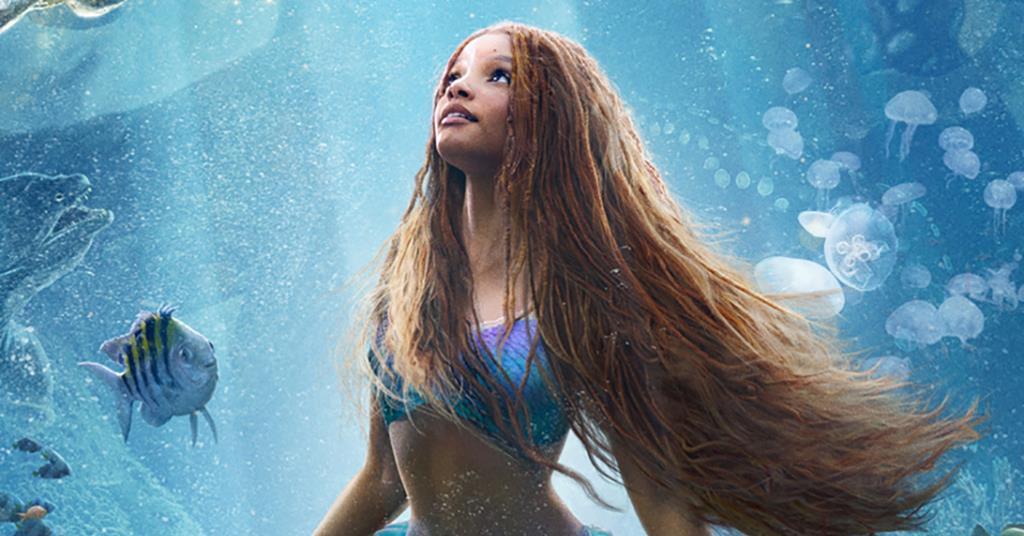
Why is The Little Mermaid Black? This is one of the most searched questions since Disney announced its live-action remake in 2019. The answer is straightforward — Disney cast Halle Bailey, a talented Black actress and singer, as Ariel after a wide-open audition process.
This decision sparked global conversations about representation, diversity in Hollywood, and the power of seeing yourself on screen.
In this article, we break down every real reason behind the casting, the controversy it caused, the impact it made, and why it matters in 2026.
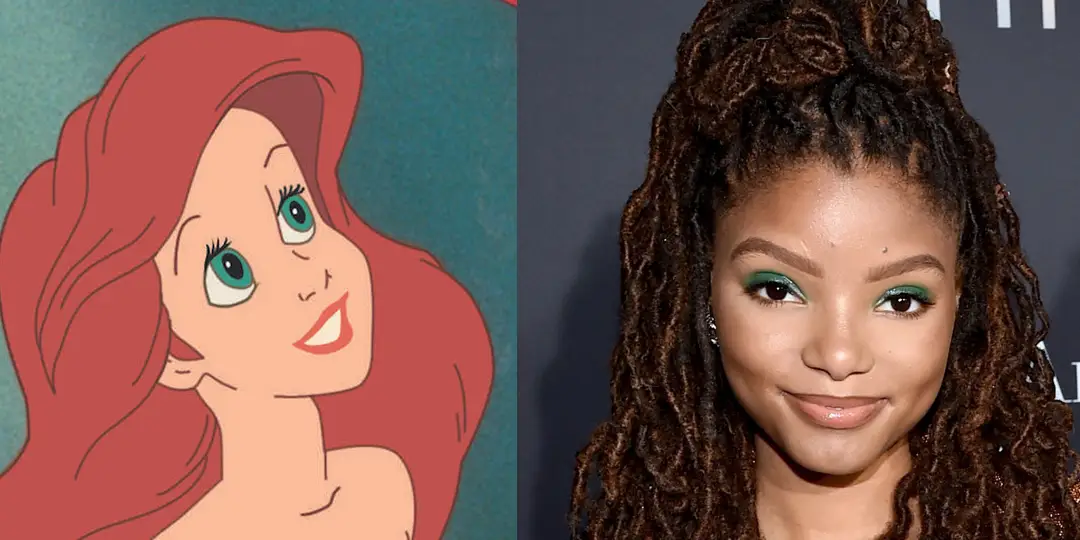
Halle Bailey is an American singer and actress, best known as one half of the Grammy-nominated R&B duo Chloe x Halle. She was born on March 27, 2000, in Atlanta, Georgia. At just 18 years old, she auditioned for the role of Ariel and outshone hundreds of competitors worldwide.
Bailey had a massive following before the casting news. She grew up watching The Little Mermaid herself, making her casting even more symbolic. Her audition performance of “Part of Your World” moved director Rob Marshall to tears.
In 2019, Disney officially announced that Halle Bailey would play Ariel in the live-action remake of The Little Mermaid. The news immediately went viral — for both positive and negative reasons.
Supporters celebrated the historic moment. Critics and online trolls launched the hashtag #NotMyAriel, claiming Bailey did not match the original animated character’s appearance. Disney stood firm behind its decision throughout all the noise.
This is the core question millions are asking. Here is the full, honest answer broken into key reasons.
Director Rob Marshall was crystal clear about the casting process. He stated there was “no agenda” to cast a woman of color. His team auditioned actors of every ethnicity before choosing Bailey.
Marshall told Entertainment Weekly: the goal was to find someone incredibly strong, passionate, beautiful, smart, clever, and with a great deal of fire and joy. Bailey had all of that — plus a voice that Marshall described as “ethereal.”
Marshall shared that Halle Bailey was actually the first person to audition for the role. He had spotted her performing at the Grammy Awards on television and immediately knew he wanted her to try out.
After Bailey sang “Part of Your World” in the audition room, Marshall said no one else who auditioned — across hundreds of candidates — could surpass her. The decision was clear from the very beginning.
Disney has been publicly committed to increasing diversity in its films for several years. The studio recognizes that its audience is global and increasingly diverse. Casting a Black actress as its first live-action princess was a natural progression of that commitment.
The story of Ariel — a curious, passionate young woman who dreams of a different world — is not tied to any specific race or ethnicity. Ariel is a fictional mermaid in a fantasy ocean kingdom. Her identity was always open to reinterpretation.
Hollywood as a whole has been slowly but meaningfully shifting toward more diverse casting. Films like Black Panther, Crazy Rich Asians, and In the Heights proved that diverse stories and casts draw massive audiences.
Disney saw an opportunity to make history while also staying true to what the story of The Little Mermaid is really about: belonging, identity, and the courage to follow your heart.
Colorblind casting — also called race-neutral casting — is the practice of casting actors without regard to their racial or ethnic background, when that background is not central to the character’s story.
Ariel is a fictional mermaid. Her story is about longing for a different world and finding where she belongs. None of those themes are tied to race. That is exactly why colorblind casting works perfectly here.
The table below summarizes the key arguments on both sides of this conversation:
| Argument For Colorblind Casting | Argument Against |
|---|---|
| Talent should be the only factor | Original character had a specific look |
| Fictional characters can be any race | Cultural continuity matters to some fans |
| Opens opportunities for diverse actors | Some argue it sidelines original Black stories |
| Representation inspires new generations | Creates disruption of childhood connections |
When the casting was announced, a wave of negative reactions flooded social media. The hashtag #NotMyAriel trended on Twitter. Critics claimed Ariel “needed” to be white because she was white in the 1989 animated film.
Some of the most ridiculous backlash included fake “scientific” arguments that mermaids couldn’t have melanin because they live underwater. These claims were widely mocked and debunked — especially since Ariel spends significant time out of the water in the sun throughout the film.
It is important to note that many of the #NotMyAriel tweets were later identified as coming from bots, not real audiences. Fans of Bailey quickly overtook the hashtag with positive messages.
Bailey handled the online harassment with remarkable grace. She later described the experience as “actually freeing,” telling The Independent that being in the middle of so many conflicting opinions taught her to listen to her own inner voice and block out the noise.
She had also been advised by Beyoncé early in her career: “I never read my comments. Don’t ever read the comments.” That advice proved invaluable.
While the backlash made headlines, something far more powerful was happening at the same time. Parents began filming their young Black daughters watching the teaser trailer for The Little Mermaid for the first time. The reactions were unforgettable.
Little girls burst into tears, squealed with joy, and pointed at the screen saying, “She looks like me!” These videos spread across TikTok, Twitter, and YouTube — racking up millions of views and moving audiences around the world to tears of their own.
Bailey responded to one of these videos saying: “I just sobbed watching this.” These moments became the emotional heart of the entire conversation around the film.
Research by the non-profit Common Sense has found that how people of color are represented in media directly influences how children feel about race as they grow up. When children see heroes who look like them, it shapes their sense of self-worth, possibility, and belonging.
For decades, the overwhelming majority of Disney princesses were white. Out of 60 Disney animated features released since Snow White, only 11 had featured non-white main characters before this film. That imbalance has real consequences for how children from diverse backgrounds see themselves.
Bailey described her feelings about playing Ariel in powerful terms. She said she was “overjoyed” to be a Black princess and to show children that they too can be seen on screen. She acknowledged that for her community, seeing yourself as a Disney princess has a meaning that goes far beyond entertainment.
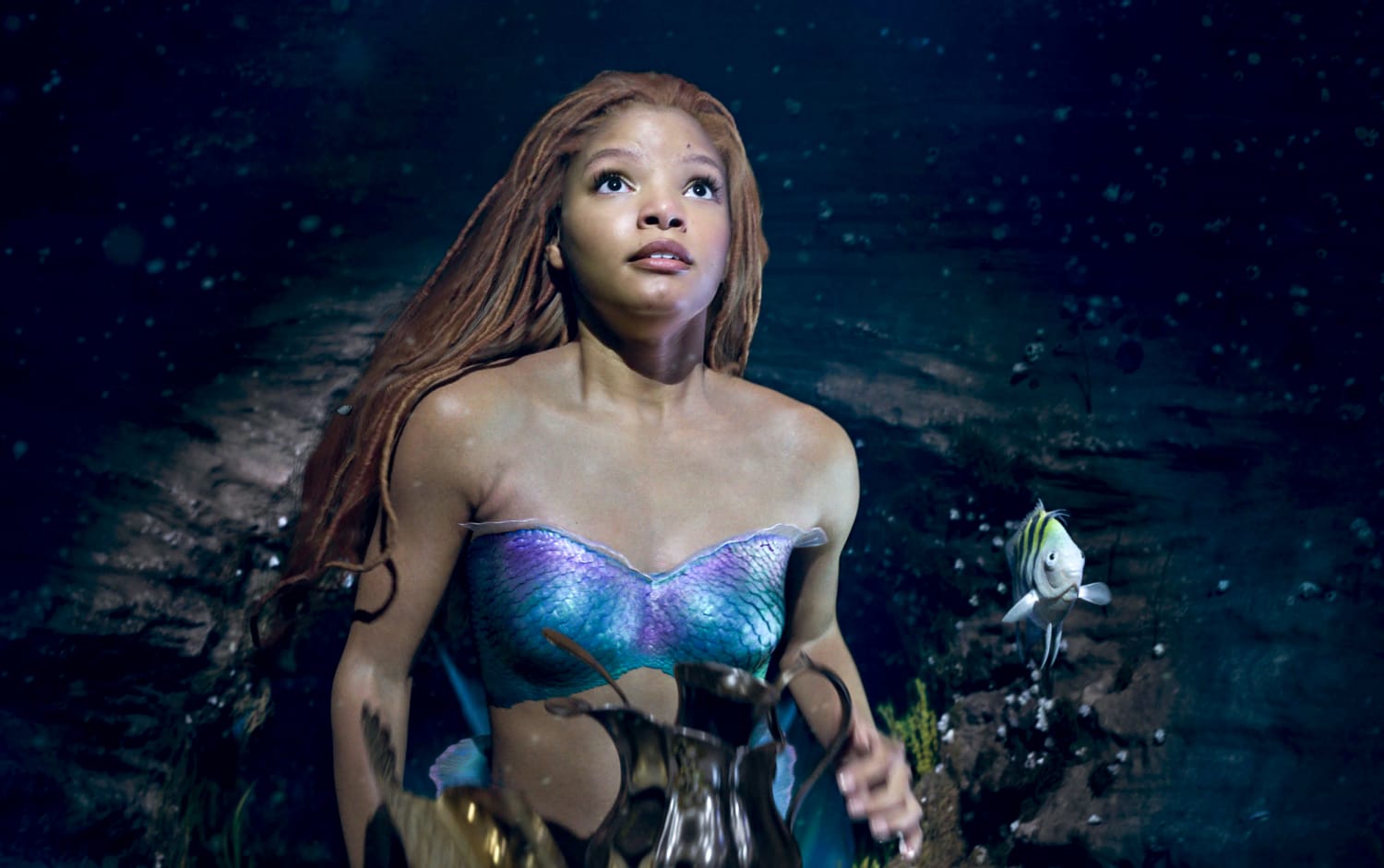
Despite the online noise, the film performed strongly at the domestic box office. It earned $118.6 million over its opening Memorial Day weekend, making it the fifth-highest-grossing Memorial Day opening in history.
The audience breakdown showed something remarkable. 35% of opening weekend ticket buyers were Black — significantly higher than normal for a Disney family film. White audiences made up 33%, Latino 23%, and Asian/other 9%.
The film earned a solid A CinemaScore from audiences, indicating strong positive reception from people who actually saw it. Critics praised Bailey’s performance widely.
| Box Office Metric | Result |
|---|---|
| Opening Weekend (Domestic) | $118.6 million |
| CinemaScore | A |
| Memorial Day Weekend Rank | 5th all-time |
| Black Audience Share | 35% |
| Female Audience Share | 68% |
The film struggled in certain international markets, particularly China and South Korea, where it earned only $3.6 million and $4.4 million respectively in its first 10 days. Industry analysts directly linked this underperformance to the racist backlash campaign against Bailey’s casting in those markets.
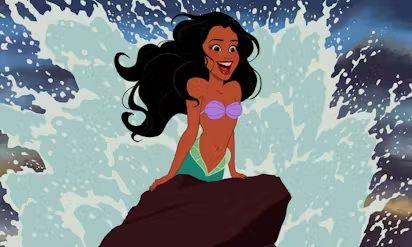
The Little Mermaid was not Disney’s first move toward diverse casting. The studio has been making this shift gradually across multiple projects. Here is a quick look at that progression:
| Year | Film | Diverse Casting Note |
|---|---|---|
| 2009 | The Princess and the Frog | First Black animated Disney princess (Tiana) |
| 2016 | Moana | Polynesian princess, Pacific Islander cast |
| 2021 | Raya and the Last Dragon | Southeast Asian-inspired story and character |
| 2023 | The Little Mermaid | First Black live-action Disney princess |
Each of these casting decisions faced some level of pushback. Each one also created new generations of children who finally saw themselves in a Disney story.
Some viewers argued that changing Ariel’s race changes her story. But does it? The core themes of The Little Mermaid have nothing to do with race. The story is about:
A young woman who feels like she doesn’t fit in her own world. She is fascinated by a world beyond her reach. She takes risks, makes mistakes, and ultimately finds belonging. These are universal human experiences that connect across every race, culture, and background.
Director Rob Marshall said it best when he called critics of the casting “small-minded.” He told Vanity Fair: “Being different — it’s very timely, especially when you see how divided the world has become. My hope is that this beautiful tale of a mermaid can remind us all that we are all one.”
Long before Disney, mermaids and water spirits appeared in African and Afro-Caribbean mythology. In many African cosmologies, water spirits called “Mami Wata” were revered figures — powerful, beautiful, and connected to transformation and desire. The idea of a Black mermaid is not a modern invention. It is deeply rooted in traditions that predate Disney by centuries.
This cultural context adds another layer of meaning to Bailey’s casting. For many Black audiences, seeing a Black Ariel was not just about Disney diversity. It was a reconnection with their own ancestral stories of women and the sea.
Now in 2026, the legacy of the 2023 Little Mermaid is clearer. Halle Bailey has spoken publicly about how the experience shaped her. She described it as “a beautiful experience” that taught her to trust herself and the people who truly support her.
The film opened doors. It proved that Black-led family films can draw massive, diverse audiences in North America. It inspired a new generation of young Black girls to see themselves as Disney princesses. And it kept the conversation about representation in Hollywood alive and urgent.
The answer, supported by everything we know, is yes — for the following clear reasons. The character is fictional and not ethnically defined. The best actress for the role was a Black woman. The impact on young Black audiences was profound and real. The story’s themes are universal. And the film earned strong reviews and a solid box office opening.
No credible argument against the casting holds up once you strip away racial bias. A mermaid is a fantasy creature. Ariel’s story is universal. Halle Bailey’s talent is undeniable.
Disney cast Halle Bailey, a Black actress and singer, after an open audition process where director Rob Marshall found her talent unmatched by any other candidate of any ethnicity.
No. Director Rob Marshall stated clearly there was no agenda to cast a woman of color and that his team auditioned hundreds of actors of every ethnicity before choosing Bailey purely on talent.
Marshall said: “We just were looking for the best actor for the role, period.” He added that Bailey’s extraordinary voice and emotional range made her the obvious choice from the very first audition.
Bailey handled the criticism with grace, later describing the experience as “actually freeing.” She said it taught her to block out the noise and listen to the positive voices around her.
Yes. The film earned $118.6 million in its opening Memorial Day weekend domestically, ranking as the fifth-highest Memorial Day opening in box office history and receiving an A CinemaScore.
Colorblind casting means selecting actors based purely on talent and suitability for the role, regardless of their race or ethnicity — especially when race is not a defining part of the character’s story.
Many of the #NotMyAriel tweets were later identified as coming from bots, not genuine audiences. The hashtag was also taken over by Bailey’s supporters who used it to share positive messages.
Yes. African and Afro-Caribbean traditions include powerful water spirits like Mami Wata, making the concept of a Black mermaid deeply rooted in real cultural history, not a modern invention.
Viral videos showed young Black girls reacting with pure joy to seeing Bailey as Ariel — saying things like “she looks like me!” — illustrating the deep emotional impact of the representation.
Disney has consistently moved in this direction since 2009, and the trend is expected to continue as the studio pursues inclusive storytelling for its global and increasingly diverse audience.
Why is The Little Mermaid Black? Because Halle Bailey was, without question, the best person for the role. Director Rob Marshall auditioned hundreds of actors across every ethnicity and found no one who came close to Bailey’s extraordinary combination of voice, presence, and emotional depth. Disney did not change Ariel to make a political statement — they cast the most talented performer they could find, and she happened to be a young Black woman.
The impact of that decision was far larger than any box office number. Millions of young Black girls saw themselves as a Disney princess for the first time. A new generation felt seen, valued, and worthy of fairy tales. The debate around the film revealed both how far society has come and how far it still has to go. In 2026, the legacy of the 2023 Little Mermaid is one of courage, talent, and the enduring power of representation. Halle Bailey did not just play Ariel. She became something entirely new — a symbol of belonging for children everywhere.