
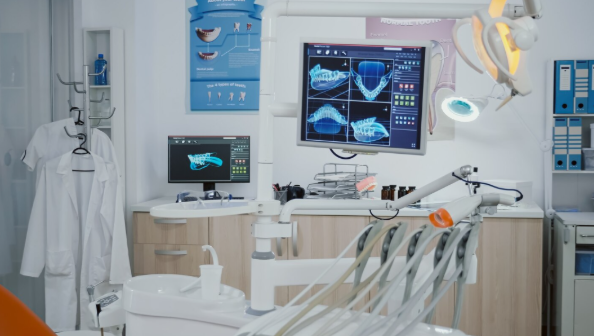
Healthcare facilities often face a difficult balance. On one side, there is a constant need to upgrade equipment and improve patient care. The healthcare equipment financing has become an important solution for medical providers seeking to access advanced technology without placing excessive pressure on operational budgets. On the other hand, there are financial limits that make large purchases challenging. In Singapore, where medical standards are high and technology evolves quickly, financing has become a practical way for clinics and hospitals to grow without slowing down operations.
Healthcare equipment financing is not just about managing costs. It plays a direct role in how medical facilities expand, improve services, and stay competitive.
This is important not just for operational efficiency but also for maintaining trust with patients who expect modern standards of care. Equally important is hiring medical staff who are well-trained, adaptable to evolving technologies, and committed to delivering high-quality patient experiences, ensuring healthcare organizations can consistently meet these expectations.
Healthcare equipment financing refers to structured payment solutions that allow medical providers to acquire equipment without paying the full cost up front.
This can include loans, leases, or hire purchase agreements. Each option allows the facility to spread payments over time while using the equipment immediately.
This approach is especially useful for high-cost equipment such as imaging systems, diagnostic tools, or specialised treatment machines.
One of the biggest advantages of financing is that it removes the need to wait until enough capital is available.
Without financing, a clinic may delay purchasing important equipment, which can limit services and reduce patient capacity.
With financing, facilities can move forward with expansion plans while managing payments over time. This helps maintain growth momentum instead of slowing it down.
Medical technology changes quickly, and newer equipment often provides better accuracy, efficiency, and patient outcomes.
Financing makes it easier for healthcare providers to upgrade to newer systems instead of relying on outdated equipment.
This is important not just for operational efficiency but also for maintaining trust with patients who expect modern standards of care.
Cash flow is critical for any healthcare facility. Expenses such as salaries, utilities, and supplies must be managed alongside equipment costs.
Financing helps spread large expenses into smaller, predictable payments. This allows facilities to allocate funds more effectively across different areas of the business.
It also reduces the risk of financial strain caused by large one-time purchases.
Healthcare equipment financing is not limited to large hospitals. Small clinics, specialist centres, and even new practices can benefit from it.
Different financing structures allow facilities to choose plans that match their size and financial capacity.
This flexibility makes it easier for smaller providers to compete and offer quality services without needing large upfront investments.
As facilities grow, they often expand into new services such as specialised treatments or diagnostic capabilities.
Financing allows them to acquire the equipment needed for these services without delaying expansion plans.
This not only increases revenue potential but also improves patient access to a wider range of treatments.
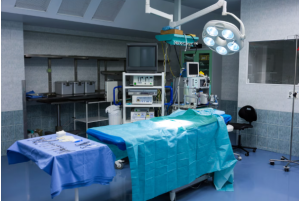
While financing offers many benefits, it is important to understand the long-term commitment involved.
Facilities should carefully review interest rates, repayment terms, and total cost over time.
It is also important to consider how quickly the equipment may become outdated. Choosing flexible financing options can help manage this risk.
One common mistake is focusing only on monthly payments without considering the total repayment amount.
Another is choosing financing without fully understanding contract terms, including penalties or additional fees.
Some facilities also overlook maintenance and servicing costs, which are separate but equally important.
Healthcare equipment financing plays a key role in helping medical facilities grow while maintaining financial stability. It allows clinics and hospitals to invest in modern equipment, expand services, and improve patient care without high upfront costs.
In Singapore’s competitive healthcare environment, financing provides the flexibility needed to keep up with evolving standards and patient expectations.
What is healthcare equipment financing?
It is a payment solution that allows medical facilities to acquire equipment without paying the full cost up front.
Is financing suitable for small clinics?
Yes, many financing options are designed for facilities of different sizes.
Does financing include maintenance costs?
Usually not, so these costs should be planned separately.
Can equipment be upgraded during financing?
Some financing plans allow upgrades, depending on the terms.