
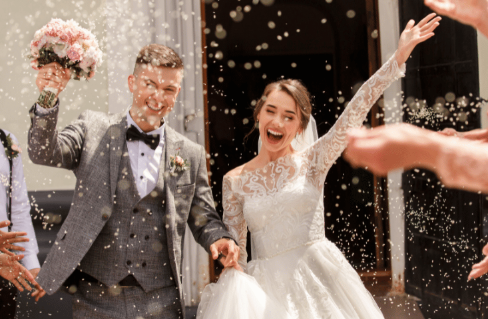
Luxury weddings have moved far beyond grand ballrooms, tall cakes, and matching chair covers. Today’s most memorable celebrations feel personal and beautifully considered. Couples still want elegance, but they also want atmosphere. They want guests to walk into a space and understand the mood immediately, from the florals and lighting to the textures on the table.
Modern wedding decor is less about following one fixed style and more about creating a complete visual experience. Some couples lean into quiet sophistication, while others prefer dramatic installations, sculptural flowers, or destination-inspired details. The best designs feel polished without feeling stiff.
For luxury lifestyle audiences, these trends offer more than wedding inspiration. They show how high-end entertaining is changing: more intentional, more sensory, and more connected to personal taste.
Flowers will always be central to wedding design, but the way they are being used has changed. Instead of neat, symmetrical arrangements on every table, modern luxury weddings are embracing florals as sculpture.
Think clouds of baby’s breath suspended over a dance floor, orchids arranged in sweeping lines, or low tablescapes that appear to grow naturally across the surface. These designs feel less like standard centerpieces and more like art installations.
The appeal is easy to understand. Sculptural florals create movement. They guide the eye around the room and help define key areas, such as the ceremony aisle, bar, cake display, or sweetheart table.
A few popular approaches include:
This trend works especially well when the flowers are supported by the right vessels and surfaces. A dramatic arrangement can lose impact if the base feels ordinary. Designers often use glass, ceramic, metal, or stone-inspired pieces to give floral displays more depth and structure.
In many modern weddings, the dining table is no longer just a place to serve food. It is one of the most important design features of the event.
Luxury tablescapes now include layers of texture, height, and carefully chosen details. Linens, chargers, glassware, candles, menus, and flowers all work together to create a mood. Even small decisions, such as the shape of a napkin fold or the finish of a candleholder, can affect the overall look.
Couples are also moving away from overly matched table settings. Instead, they are choosing pieces that feel collected and intentional. A table might feature neutral linens, smoked glassware, handmade-style plates, and floral arrangements in varied vessels. The result feels refined, but not overly formal.
Jamali Garden is often a natural fit in this type of design conversation because luxury wedding decor depends heavily on the quality of the finishing pieces. Vases, candleholders, planters, and decorative vessels can quietly shape the entire tablescape without taking attention away from the couple or the setting.
The strongest tablescapes usually follow one clear visual direction. That might be romantic and candlelit, modern and monochrome, garden-inspired, or coastal and relaxed. Once that direction is clear, every detail should support it.
One of the most defining decor trends in luxury weddings is the use of distinctive vessels. Vases are no longer treated as background items. They are part of the design language.
Couples, planners, and stylists looking for decorative pieces that support a refined floral concept can browse Jamali Garden for vase options that work across ceremony spaces, reception tables, lounge areas, and entry displays.
The key is to choose vessels that match the scale of the venue. A large ballroom can handle taller, more dramatic pieces. A private garden dinner may call for lower arrangements that allow guests to speak easily across the table. For a modern city wedding, clean-lined glass or ceramic pieces may feel more appropriate than ornate designs.
Vessels can also help connect different areas of the event. For example, the same vase style used at the ceremony can reappear on the bar, escort card table, or dessert station. This repetition creates a polished look without making the decor feel repetitive.
Luxury wedding color palettes are becoming more nuanced. Instead of choosing two obvious wedding colors, couples are building palettes with several related tones.
A neutral wedding, for example, may include ivory, sand, taupe, warm gray, and soft brown. A romantic palette might layer blush, mauve, wine, and cream. Even bold color schemes are being handled with more restraint, using deeper shades rather than overly bright combinations.
This approach gives the decor a more expensive feel because it adds depth. Rooms look more natural when colors are not perfectly flat or overly coordinated.
Some popular palette directions include:
Texture plays a major role here. If a wedding uses a very simple palette, the materials need to do more work. Velvet linens, ribbed glass, ceramic vases, stone-like surfaces, and layered candlelight can keep a neutral design from feeling plain.
The most successful palettes also consider the venue. A coastal property may suit pale blues, whites, and natural textures. A historic estate may call for richer tones. A rooftop wedding might benefit from sleek neutrals and reflective details.
Lighting has become one of the most important parts of luxury wedding decor. It affects how flowers look, how tables photograph, and how guests feel in the space.
Candlelight remains a favorite because it flatters almost every setting. Taper candles, votives, hurricanes, and lanterns can make a room feel intimate even when the guest list is large. For outdoor weddings, candles also help define pathways, dining areas, and lounge spaces.
Modern couples are also using lighting to shift the mood throughout the day. A ceremony may feel soft and natural, dinner may glow with warm candlelight, and the after-party may use more dramatic lighting around the dance floor.
Good lighting design is subtle. Guests may not notice every fixture, but they will feel the effect. Harsh overhead lighting can make even expensive decor look flat, while warm, layered lighting can make simple details feel luxurious.
Important lighting considerations include:
Luxury is often found in these quieter decisions. A beautiful room becomes far more memorable when the lighting supports the atmosphere.
Personalization is still a major part of modern weddings, but it has become more understated. Couples are moving away from novelty details and choosing design choices that reflect their story in a more elegant way.
This might include custom illustrations on menus, a signature scent at the entrance, flowers that reference a family garden, or table names inspired by meaningful places. The goal is not to cover the event with initials or logos. It is to make the celebration feel specific to the couple.
Luxury personalization often works best when it is woven into the guest experience. A handwritten-style note at each place setting, a curated welcome table, or a lounge area inspired by the couple’s home can feel intimate without being overly sentimental.
Food and drink displays are also becoming part of the decor. A champagne tower, espresso martini bar, dessert table, or late-night snack station can add personality while giving guests something to enjoy. When styled well, these moments become natural gathering points and photo opportunities.
The guiding rule is simple: personal details should feel connected to the overall design. If they look like afterthoughts, they can interrupt the flow of the event. If they share the same colors, materials, and mood as the rest of the wedding, they become part of the story.
Luxury wedding decor is no longer defined by excess alone. The most beautiful modern celebrations are thoughtful and deeply personal. They use flowers, lighting, color, texture, and decorative objects to create a setting that feels both elegant and emotionally connected.
For couples planning a high-end celebration, the best place to start is not with a trend list, but with a feeling. Decide how the day should look, sound, and feel for guests. From there, every design choice becomes easier.
Sculptural florals, refined tablescapes, distinctive vessels, softer color palettes, warm lighting, and personal details all have the power to shape a wedding. Used with care, they create more than a beautiful room. They create an experience guests remember long after the last candle has burned down.