

Why do people faint Is a question more people ask than you might expect — and the answer is more medically important than most realize.
Fainting, known medically as syncope, is a sudden and temporary loss of consciousness caused by reduced blood flow and oxygen to the brain.
It affects 1 in 3 people at some point in their lifetime. While most episodes are harmless, some signal serious heart or neurological conditions.
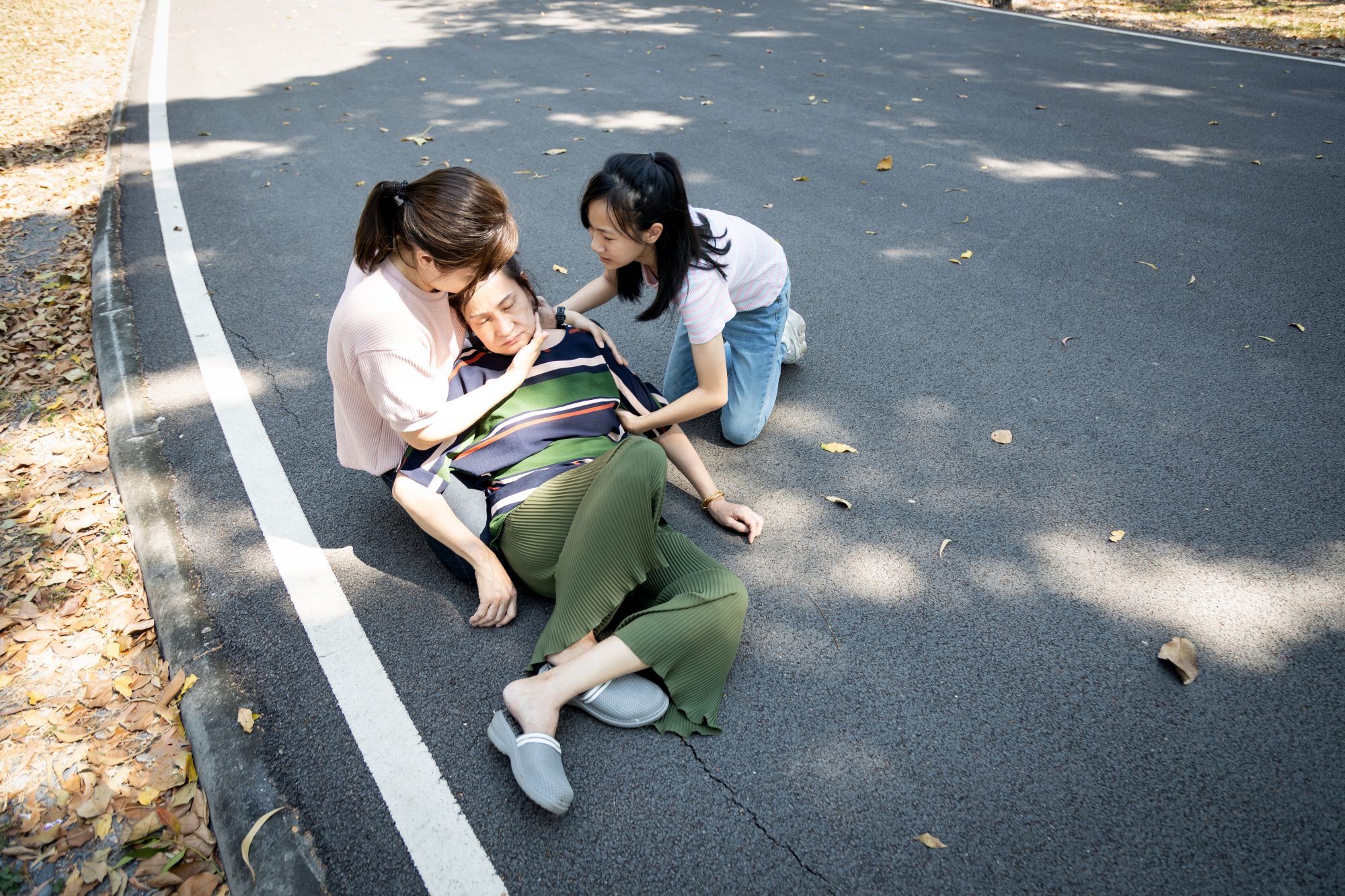
Fainting is a brief loss of consciousness, usually lasting only seconds to a few minutes. The medical term is syncope (pronounced SIN-ko-pee).
It happens when the brain does not receive enough oxygenated blood for a short time. The person typically slumps, falls, or becomes limp — and recovers shortly after lying flat because blood can flow more easily to the brain.
Syncope accounts for 1% to 3.5% of all emergency department visits and 6% of all hospital admissions in the United States each year.
Many people experience pre-syncope, also called near-syncope, without ever fully passing out.
Pre-syncope is defined as feeling like you are about to faint but not losing consciousness. Symptoms include dizziness, nausea, tunnel vision, and sudden weakness.
Both syncope and pre-syncope warrant medical attention because the underlying causes can be the same — and some of those causes are serious.
Understanding the type of fainting helps identify the cause and the right treatment.
| Type | What Happens | Common Triggers |
|---|---|---|
| Vasovagal (Reflex) Syncope | Nervous system overreacts, heart slows, blood pressure drops | Fear, pain, blood, heat, standing too long |
| Orthostatic Syncope | Blood pressure drops suddenly when standing | Dehydration, medications, prolonged bed rest |
| Cardiac Syncope | Heart rhythm or structural problem reduces blood to brain | Arrhythmia, aortic stenosis, heart attack |
| Neurological Syncope | Brain or nervous system condition disrupts blood flow | Seizure, TIA, carbon monoxide poisoning |
Every case of fainting comes down to one root cause: the brain is not getting enough oxygenated blood.
The brain needs a constant, steady supply of oxygen to function. When blood pressure drops, the heart rate slows abnormally, or blood vessels dilate too much, blood flow to the brain temporarily falls below the threshold needed to maintain consciousness.
The body then uses gravity to correct the problem. Falling or slumping positions the brain level with the heart, making it easier for blood to return — and consciousness is quickly restored.
Vasovagal syncope is responsible for the majority of all fainting episodes. It affects up to one-third of the population at least once in their lifetime.
It occurs when the vagus nerve — which connects the brain to the heart, lungs, and digestive system — becomes overstimulated. This triggers a sudden drop in both heart rate and blood pressure.
The autonomic nervous system malfunctions: blood vessels widen, the heart slows, and blood pools in the legs instead of circulating to the brain.
Most people feel warning signs 30 to 60 seconds before a vasovagal episode. Recognizing these signs and sitting or lying down immediately can prevent a full faint and the injuries that come with falling.

Orthostatic hypotension is the second most common cause of fainting. It happens when blood pressure drops significantly after a person moves from sitting or lying down to standing.
Normally, the body automatically tightens blood vessels when you stand to maintain pressure and keep blood flowing to the brain. When this reflex fails or is too slow, blood pools in the lower body and the brain is briefly starved of oxygen.
It is clinically defined as a drop of at least 20 mmHg in systolic blood pressure or 10 mmHg in diastolic blood pressure within three minutes of standing.
Cardiac syncope accounts for approximately 10% of all fainting cases — but it is the most dangerous type. It can be the first and only warning sign before sudden cardiac death.
It occurs when a heart rhythm disorder or structural heart problem reduces the amount of blood pumped to the brain. Unlike vasovagal syncope, cardiac fainting often happens suddenly with no warning signs at all.
Anyone who faints suddenly without warning, especially during exercise or physical exertion, should be evaluated for a cardiac cause immediately. This is a medical emergency until proven otherwise.
Some fainting episodes have a neurological origin rather than a cardiovascular one.
Seizures can mimic fainting — the person loses consciousness and may have brief jerking movements. Transient ischemic attacks (TIAs), sometimes called mini-strokes, can also cause brief loss of consciousness.
Carbon monoxide poisoning is a serious but underrecognized cause. When carbon monoxide fills an enclosed space, red blood cells carry far too little oxygen, which can cause fainting and, in high concentrations, death.
A specific form of reflex syncope is triggered by particular physical activities rather than emotions or triggers.
This is called situational syncope and it can occur during or immediately after actions such as intense coughing, urinating, defecating, laughing hard, or swallowing. These activities trigger a reflex response in the nervous system that temporarily lowers blood pressure.
It is most common in older adults and is usually benign when linked to a specific identifiable activity.
Dehydration is one of the most preventable causes of fainting — and one of the most overlooked.
When the body is significantly dehydrated, blood volume drops. Lower blood volume means the heart has less blood to pump, and blood pressure falls. The brain receives less oxygen and fainting becomes likely.
Even mild dehydration can cause pre-syncope symptoms like dizziness, lightheadedness, and sudden weakness — especially in hot weather or during physical activity.
Drinking adequate fluids — especially water and electrolyte-containing drinks during exercise or heat exposure — is one of the simplest ways to reduce fainting risk.
Low blood sugar, called hypoglycemia, is a frequently missed cause of fainting and pre-syncope.
When blood glucose drops too low, the brain does not have enough fuel to maintain normal function. This can cause sweating, confusion, trembling, and loss of consciousness in severe cases.
Diabetics, people who skip meals, and athletes who exercise intensely without adequate nutrition are most at risk. Hypoglycemia can mimic many of the warning signs of vasovagal syncope, which is why blood sugar testing is often included in a fainting evaluation.
Anemia reduces the oxygen-carrying capacity of the blood. When red blood cells are too few or hemoglobin levels are too low, even normal blood pressure and heart rate cannot deliver enough oxygen to the brain.
Chronic anemia can cause persistent dizziness, weakness, and frequent near-fainting. Severe or acute anemia — from internal bleeding, for example — can cause sudden loss of consciousness.
Iron deficiency anemia is the most common type worldwide and is a frequently overlooked contributor to recurrent fainting in women, especially during menstruation.
Postural Orthostatic Tachycardia Syndrome, known as POTS, is a condition in which standing causes the heart rate to increase by at least 30 beats per minute while blood pressure drops.
POTS primarily affects young women and is frequently underdiagnosed. Symptoms include dizziness, near-fainting, extreme fatigue, brain fog, and heart palpitations that appear or worsen when standing.
It is not life-threatening but can be significantly disabling. Diagnosis requires a tilt table test and careful evaluation of heart rate and blood pressure changes with position.
Many commonly prescribed medications have fainting as a potential side effect — especially when taken in combination.
| Medication Type | How It Can Cause Fainting |
|---|---|
| Blood pressure medications | Lower pressure too much, reducing brain blood flow |
| Diuretics (water pills) | Cause dehydration and low blood volume |
| Antidepressants | Some cause orthostatic hypotension |
| Antipsychotics | Can lower blood pressure and cause dizziness |
| Nitrates (heart medications) | Dilate blood vessels and drop blood pressure |
| Diabetes medications | Can cause hypoglycemia |
| Alcohol | Dilates blood vessels and dehydrates the body |
Anyone experiencing repeated fainting or dizziness after starting a new medication should contact their doctor without delay.

Your body almost always gives you warning signs before a full syncopal episode. Recognizing these signals and acting immediately can prevent you from falling and getting injured.
If any of these appear, sit or lie down immediately. Elevating the legs helps blood return to the brain faster. Do not try to stay upright — the most common injuries from fainting come from falling.
Most fainting episodes are benign. But specific circumstances require immediate emergency evaluation.
A first-ever fainting episode without a clear benign cause should always receive medical evaluation — even if recovery seems complete and normal.
Diagnosis begins with a detailed medical history, description of the episode, and physical examination including blood pressure in both lying and standing positions.
Depending on the suspected cause, doctors may order additional tests to confirm the diagnosis.
Prevention depends entirely on the underlying cause — but several strategies work across most types of fainting.
Responding correctly to someone who faints can prevent serious injury and may be lifesaving.
Lay the person flat on their back as quickly and safely as possible. Elevate their legs about 12 inches to help blood return to the brain.
Loosen any tight clothing around the neck or chest. Do not give them anything to eat or drink until they are fully conscious and alert.
If the person does not regain consciousness within two minutes, or if they stop breathing, begin CPR and call emergency services immediately.
Do not allow the person to stand up for at least 15 to 30 minutes after recovering — standing too soon frequently causes a second fainting episode.

Some groups face a higher statistical risk of fainting episodes than others.
Teenagers and young adults commonly experience reflex syncope due to rapid growth and nervous system changes. Women are more affected than men overall, due to naturally lower blood pressure, hormonal fluctuations, and a higher prevalence of POTS and anemia.
The elderly are at elevated risk from orthostatic hypotension, medication interactions, dehydration, and underlying heart disease. People with a personal history of fainting are significantly more likely to faint again.
Seeing blood triggers the vagus nerve to overreact, causing heart rate and blood pressure to drop suddenly. This is vasovagal syncope and it is the most common type of fainting.
Most fainting episodes are not dangerous on their own, but falling during a faint can cause serious injury. Cardiac-related fainting can be life-threatening and requires immediate medical evaluation.
Most syncopal episodes last only a few seconds to two minutes. If a person does not regain consciousness within two minutes, it is a medical emergency and you should call for help immediately.
Yes. Dehydration reduces blood volume, lowers blood pressure, and can cause fainting — especially when combined with heat, prolonged standing, or physical exertion.
Standing up rapidly causes blood to pool in the legs momentarily. If the body’s reflex to tighten blood vessels is too slow, blood pressure drops and the brain briefly loses its oxygen supply.
Yes. Severe anxiety or panic can trigger the vagus nerve, which slows the heart and drops blood pressure. This is a classic vasovagal response and fainting during extreme emotional stress is well documented.
Yes, if it is your first fainting episode, if you fainted during exercise, if you had chest pain, or if you were injured in the fall. A first-ever unexplained faint always warrants medical evaluation.
Yes. When blood glucose falls too low, the brain does not have enough fuel to function normally. This can cause sweating, confusion, and in severe cases, loss of consciousness.
Fainting involves brief, complete loss of consciousness followed by rapid, full recovery. Seizures often involve jerking movements, a longer recovery period, confusion afterward, and may cause loss of bladder control.
For vasovagal and orthostatic syncope, lifestyle changes manage and greatly reduce episodes for most people. Cardiac causes require specific treatment of the underlying heart condition, which may stop fainting entirely.
Why do people faint comes down to one fundamental problem: the brain is temporarily deprived of the oxygenated blood it needs to stay conscious.
The causes range from the harmless — a simple vasovagal reaction to standing in the heat — to the life-threatening, such as a dangerous heart rhythm disorder.
Recognizing the warning signs before a faint happens is one of the most protective things you can do. Dizziness, nausea, tunnel vision, and sudden weakness are your body’s signals to sit down immediately.
Most fainting episodes respond well to lifestyle changes including proper hydration, careful posture habits, and trigger avoidance.
However, any unexplained or repeated fainting, fainting during exercise, or fainting accompanied by chest pain demands urgent medical evaluation.
Knowledge of the causes and warning signs gives you the tools to act quickly, stay safe, and get the right care.