
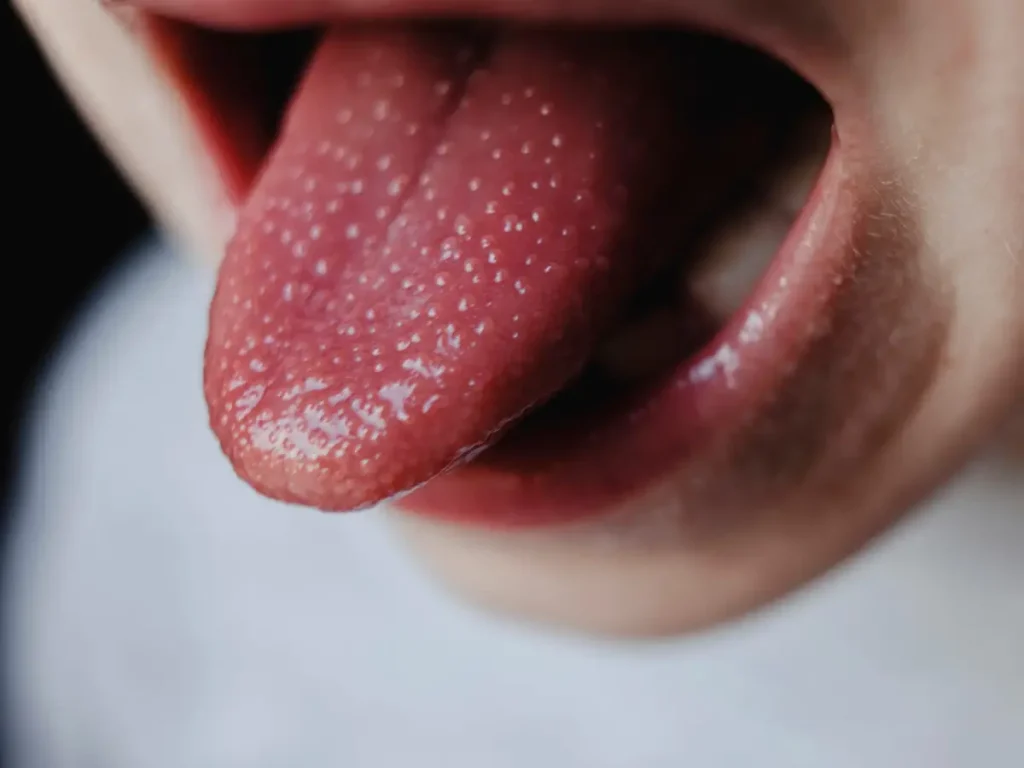
Why do I have bumps on my tongue? This is one of the most searched oral health questions online, and the good news is that most tongue bumps are harmless and heal on their own within days.
Tongue bumps can be caused by irritated taste buds, canker sores, infections, allergies, vitamin deficiencies, or in rare cases, something more serious.
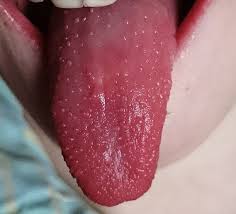
Before worrying about bumps, it helps to understand what a healthy tongue looks like.
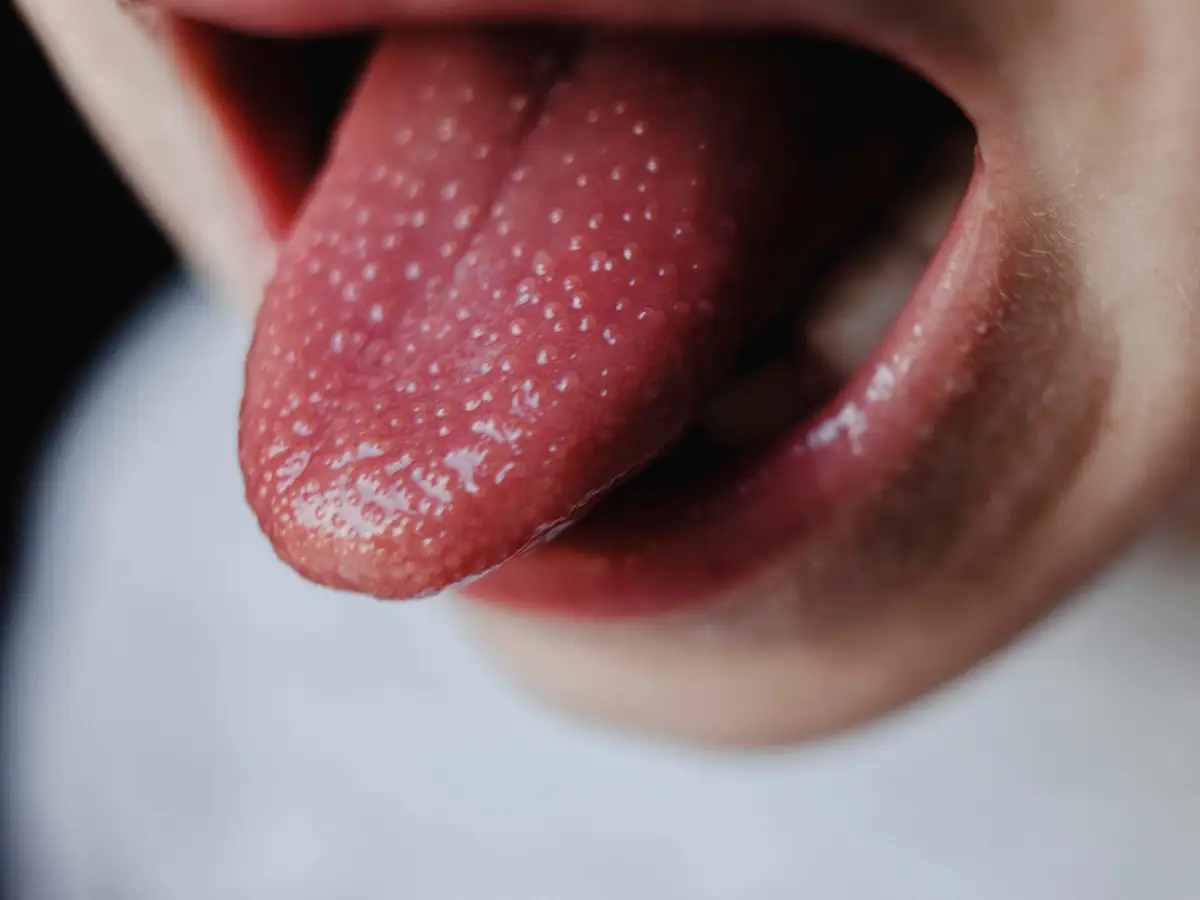
Your tongue is naturally covered in tiny projections called papillae. These are your taste buds, and they give your tongue its slightly rough texture. There are several types including fungiform papillae on the top and sides, circumvallate papillae at the back, and foliate papillae along the edges.
These normal papillae are the same color as your tongue, painless, and unnoticeable most of the time. Many people mistake enlarged or irritated papillae for something dangerous when they are simply reacting to a trigger.
There are more than a dozen known causes of bumps on the tongue. Most are minor and resolve without treatment.
Understanding which type you have helps you decide whether to wait it out at home or pick up the phone and call your dentist.
| Cause | Location on Tongue | Color | Typical Duration |
|---|---|---|---|
| Lie bumps (transient lingual papillitis) | Tip or sides | Red or white | 2–5 days |
| Canker sores | Anywhere, including underside | White/yellow with red border | 7–14 days |
| Oral thrush | Top surface, inner cheeks | White or yellowish patches | Needs treatment |
| Cold sores / oral herpes | Tip, edges | Fluid-filled blisters | 7–10 days |
| Allergic reaction | Anywhere, rapid onset | Swollen, red | Hours to days |
| Trauma or injury | Where bite/burn occurred | Red, swollen | 3–7 days |
| Vitamin deficiency | Anywhere | Red, smooth, sore | Weeks without treatment |
| Scarlet fever | All over tongue | Red, swollen, strawberry-like | With antibiotics |
| HPV / squamous papilloma | Variable | Soft, irregular, painless | Persists without treatment |
| Oral cancer | Sides, base | Red, white, or mixed | Does not heal |
About half of all people experience lie bumps at some point in their lives. Despite the funny name, they have nothing to do with telling lies.
Lie bumps are medically called transient lingual papillitis. They form when one or more of your fungiform papillae become irritated and inflamed.
They appear as small red or white bumps, usually on the tip or sides of the tongue. They can feel sore or tingly, especially when eating acidic or spicy foods. The good news is they almost always clear up within two to five days without any treatment.
The exact trigger is not always clear, but common causes include spicy or acidic foods, stress, hormonal changes, and minor trauma from biting the tongue.
Eating hard candies, crunchy foods, or anything with sharp edges can irritate the papillae enough to cause swelling. Some people also notice lie bumps appearing after a period of stress or poor sleep.
Because they are so common and so short-lived, lie bumps rarely need any medical attention unless they keep coming back frequently or grow unusually large.
Canker sores are one of the most painful types of tongue bumps, and they can appear anywhere inside the mouth including on, under, and around the tongue.
They typically look like small round ulcers with a white or yellow center surrounded by a red, inflamed border. Unlike cold sores, canker sores are not contagious and do not appear on the lips or outside the mouth.
Most canker sores heal on their own within one to two weeks. Larger canker sores or those that recur frequently may benefit from over-the-counter numbing gels or a dentist visit for prescription treatment.
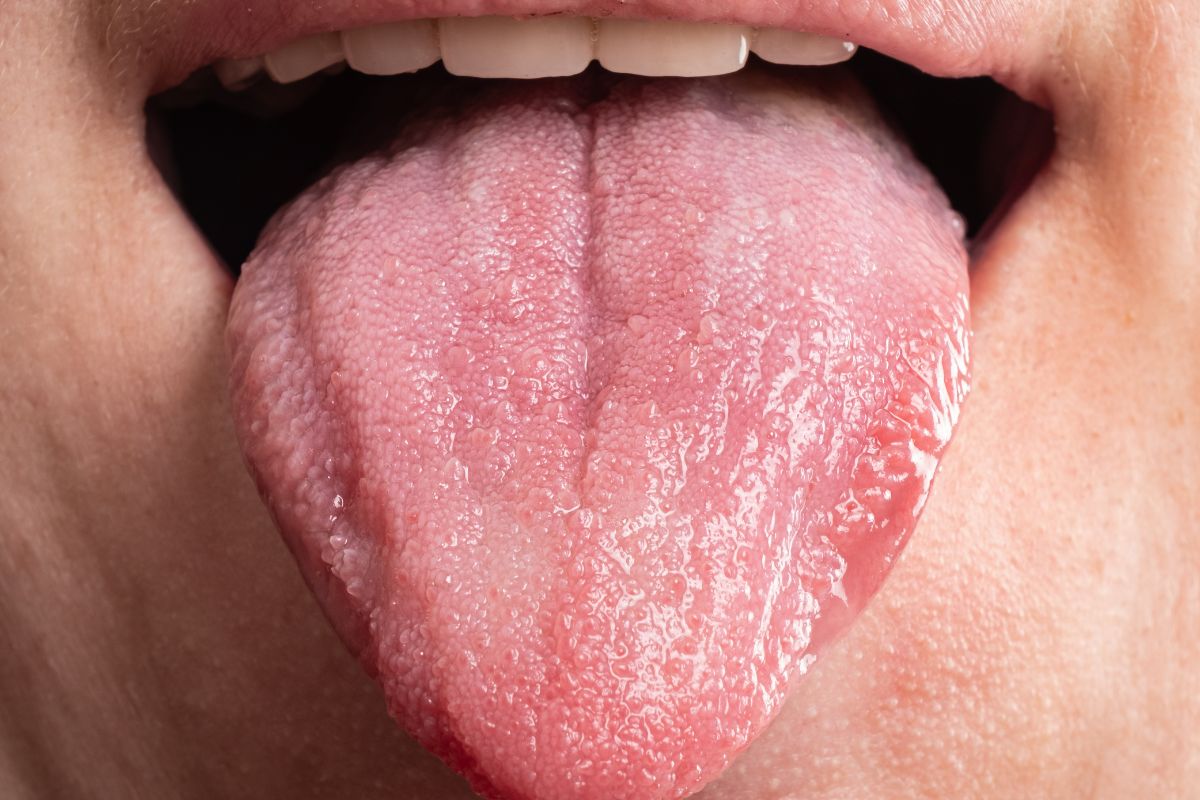
The exact cause of canker sores is still not fully understood, but several known triggers exist.
Stress is one of the most consistent triggers. Minor injuries from accidentally biting the tongue, wearing braces, or using rough dental appliances can also set them off. Vitamin deficiencies in B12, iron, folate, or zinc have been linked to recurring canker sores.
Certain foods including pineapple, citrus fruits, and tomatoes can trigger them in some people. Hormonal changes around menstruation have also been linked to outbreaks in some women.
Oral thrush is a fungal infection caused by an overgrowth of Candida yeast inside the mouth. It creates creamy white or yellowish patches and bumps across the tongue surface and inner cheeks.
Thrush is more common in people with weakened immune systems, those taking antibiotics, people who wear dentures, and infants whose immune systems are still developing. The patches may look like cottage cheese and can be wiped away, sometimes leaving a red or slightly bleeding surface underneath.
Unlike lie bumps or canker sores, thrush usually does not go away on its own and requires antifungal treatment prescribed by a doctor or dentist.
Cold sores caused by herpes simplex virus type 1 (HSV-1) can appear on or around the tongue and lips.
They typically start as a tingling or burning sensation before fluid-filled blisters develop. These blisters may break and form painful ulcers that take one to two weeks to heal.
Oral herpes is very common. According to most estimates, more than half of adults carry HSV-1. The virus stays dormant in the body and flares up during periods of stress, illness, or sun exposure. Antiviral medications can shorten outbreaks and reduce frequency.
One of the most straightforward causes of tongue bumps is simple physical injury.
Accidentally biting your tongue while eating is extremely common. The bite site can swell quickly into a painful bump that looks alarming but heals within a few days. Burns from hot drinks or food work the same way.
Rough dental appliances, ill-fitting dentures, and braces can also cause repeated irritation that leads to persistent bumps or sores along the sides of the tongue. Once the source of irritation is removed, the bump usually resolves on its own.
Sometimes bumps on the tongue are caused by an allergic reaction to a food, oral hygiene product, or medication.
Food allergies can cause rapid swelling of the tongue surface, creating a bumpy, itchy, or burning sensation. Common culprits include certain fruits, nuts, shellfish, and latex-cross-reactive foods.
If tongue swelling is sudden, severe, or comes with difficulty breathing or swallowing, this is a medical emergency. Seek emergency care immediately as this could indicate anaphylaxis.
Mild allergic reactions that cause minor bumps may resolve once the trigger is removed. Antihistamines can help manage mild swelling and discomfort.
What you eat directly affects the health of your tongue. Deficiencies in specific nutrients can cause the tongue to become sore, red, swollen, or bumpy.
| Nutrient Deficiency | Effect on Tongue |
|---|---|
| Vitamin B12 | Smooth, red, sore tongue (glossitis) |
| Iron | Swollen, pale, or red tongue |
| Folate (Vitamin B9) | Swollen, painful tongue |
| Niacin (Vitamin B3) | Bright red, swollen tongue |
| Zinc | Sore tongue, taste changes |
Glossitis, which is inflammation of the tongue, is often a sign of nutritional deficiency. The tongue may look unusually smooth because the papillae flatten or disappear, and new bumps or sores may form.
Correcting the underlying deficiency with dietary changes or supplements typically resolves tongue symptoms within several weeks.
Geographic tongue is a harmless condition where patches of papillae are missing from parts of the tongue, creating an irregular map-like appearance.
The areas without papillae look smooth and slightly sunken compared to the surrounding tissue. The pattern can shift in location, shape, and size from day to day or even hour to hour.
Geographic tongue is not contagious, not a sign of cancer, and usually does not require treatment. Some people experience mild sensitivity to spicy or acidic foods. The condition can come and go for years and is generally just a quirky feature of the tongue.
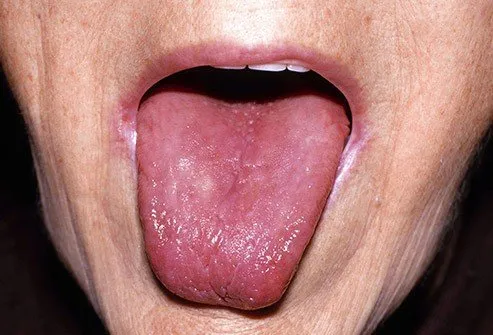
Scarlet fever is a bacterial infection caused by Group A Streptococcus, the same bacteria responsible for strep throat.
One of its signature symptoms is a strawberry tongue, where the tongue becomes bright red, bumpy, and swollen. This is often accompanied by a skin rash, high fever, and sore throat.
Scarlet fever is contagious and should be taken seriously, especially in children. It is treated with antibiotics and usually clears up fully without complications when caught early. Always see a doctor if you or your child has symptoms of scarlet fever.
Human papillomavirus (HPV) can cause a type of benign growth on the tongue called squamous papilloma.
These are usually soft, irregular, painless bumps that can appear anywhere in the mouth including the tongue. They tend to have a cauliflower-like surface texture. They are associated with certain strains of HPV transmitted through oral contact.
Squamous papillomas do not usually resolve on their own and may be removed surgically or with laser treatment. Because certain HPV strains are linked to oropharyngeal cancer, persistent unexplained bumps in the mouth should be evaluated by a healthcare provider.
Syphilis can cause painless sores called chancres to form in the mouth and on the tongue during the primary stage of infection.
During the secondary stage, white patches and bumps called mucous patches can appear inside the mouth. These are highly contagious.
Other sexually transmitted infections including gonorrhea can also cause oral sores and bumps. If you have engaged in unprotected oral sex and noticed new tongue bumps or sores, getting tested is important. Syphilis is easily treated with antibiotics in the early stages.
Black hairy tongue is an unusual-looking condition where the papillae on the tongue become overgrown and discolored, often appearing dark brown or black.
It is caused by an overgrowth of bacteria or yeast on the tongue surface, often triggered by antibiotics, poor oral hygiene, heavy coffee or tea drinking, smoking, or dry mouth. Despite its alarming appearance, it is not dangerous.
Treatment is straightforward: improve oral hygiene, brush the tongue twice daily, stop the trigger, and drink more water. The condition typically resolves within a few weeks.
Most tongue bumps are not cancer, but it is important to know the warning signs that warrant urgent attention.
Oral cancer most commonly develops on the sides of the tongue rather than the top. Cancerous lesions may appear as red patches, white patches, or a mix of both. They tend to feel firm or thickened to the touch, may bleed when touched, and most importantly do not heal after two weeks.
Risk factors for oral tongue cancer include tobacco use, heavy alcohol consumption, HPV infection, and sun exposure to the lips. Regular dental checkups help catch suspicious changes early when treatment outcomes are significantly better.
Do not wait and see if a bump that has been present for more than two weeks without healing. Book a dental appointment promptly.
While most tongue bumps are benign, certain symptoms should never be ignored.
See a doctor or dentist right away if you notice any of the following alongside tongue bumps:
These are not meant to cause alarm. They are simply checkpoints to help you act quickly if something unusual is happening.
For the majority of tongue bumps, simple home care is all that is needed.
Warm saltwater rinses are one of the most effective and well-supported home treatments. Dissolving half a teaspoon of salt in a glass of warm water and rinsing for 30 seconds helps reduce inflammation, kill bacteria, and speed up healing.
Staying well hydrated supports the mouth’s natural healing process. Avoiding spicy, acidic, and rough-textured foods while the bump is present prevents further irritation. Brushing gently and keeping the tongue clean reduces the bacterial load in the mouth.
Over-the-counter oral numbing gels containing benzocaine can provide short-term pain relief for canker sores and lie bumps.
When home care is not enough, a dentist or doctor can offer targeted treatments depending on the cause.
Antifungal medications are used for oral thrush. Antiviral medication shortens oral herpes outbreaks. Antibiotics treat bacterial infections like scarlet fever or syphilis. Corticosteroid gels or mouth rinses help manage persistent or severe canker sores.
Vitamin supplements such as B12, iron, or folate injections or oral doses address deficiency-related tongue conditions. For HPV-related growths or suspicious lesions, surgical excision, laser removal, or biopsy may be recommended.
Prevention is always better than treatment, and many types of tongue bumps are avoidable with simple lifestyle adjustments.
Maintaining a thorough oral hygiene routine including brushing the tongue every time you brush your teeth significantly reduces the risk of infection-related bumps. Using a tongue scraper can remove bacteria and food debris that irritate the papillae.
Eating a balanced diet rich in B vitamins, iron, and zinc protects against deficiency-related tongue issues. Managing stress through regular exercise, sleep, and relaxation techniques reduces the frequency of canker sores and lie bumps in susceptible people.
Avoiding tobacco in all forms, limiting alcohol, and getting the HPV vaccine if recommended by your doctor all reduce the long-term risk of more serious oral conditions.
The location of a bump on your tongue can give important clues about its cause.
| Location | Most Likely Causes |
|---|---|
| Tip of tongue | Lie bumps, trauma from biting, canker sores |
| Sides of tongue | Canker sores, trauma from teeth or braces, oral cancer warning zone |
| Back of tongue | Normal circumvallate papillae, oral thrush, infections |
| Underside of tongue | Canker sores, mucoceles, cysts |
| All over tongue | Geographic tongue, scarlet fever, glossitis, thrush |
If you have a persistent bump specifically on the side of your tongue that has not healed in two weeks, this location pattern warrants professional evaluation.
Children can get tongue bumps for many of the same reasons adults do, but a few causes are more common in younger age groups.
Eruptive lingual papillitis is a form of transient lingual papillitis that primarily affects children. It is likely caused by a viral infection and can be accompanied by fever and swollen lymph nodes. It is contagious among children and usually clears up within about one week without treatment.
Hand, foot, and mouth disease, a common viral illness in young children, also causes sores and blisters inside the mouth including on the tongue. It is usually mild and resolves in seven to ten days.
Oral thrush is particularly common in infants due to their still-developing immune systems and frequent exposure to yeast.
When you visit a dentist for a tongue bump, the evaluation is usually quick and straightforward.
The dentist will visually inspect the bump, noting its size, color, texture, location, and whether it has hardened edges. They may ask how long it has been present, whether it is painful, and if you have had similar bumps before.
For suspicious lesions, the dentist may take a biopsy, which involves removing a tiny sample of tissue for laboratory analysis. This is a simple in-office procedure and the only reliable way to rule out or confirm a serious diagnosis.
For infections, a swab test may be taken. Blood tests may be ordered if vitamin deficiency or systemic disease is suspected.
Recurring bumps are often caused by stress, hormonal changes, dietary triggers, or vitamin deficiencies. Keeping a food and stress diary can help identify your personal pattern.
Most common tongue bumps like lie bumps and canker sores are not contagious. However, oral herpes, scarlet fever, and eruptive lingual papillitis in children can be contagious.
Lie bumps clear up in two to five days, canker sores last seven to fourteen days, and cold sores heal in about one to two weeks. Any bump lasting longer than two weeks should be evaluated by a dentist.
Yes, stress is a well-known trigger for canker sores and lie bumps. Managing stress through sleep, exercise, and relaxation practices can reduce how often they appear.
Not necessarily. Most tongue bumps have everyday causes. However, syphilis and HPV can cause oral bumps, so testing is sensible if you have had unprotected oral contact and are unsure of your status.
Yes, deficiencies in B12, iron, folate, and zinc are directly linked to tongue inflammation, soreness, and bumps. A blood test can confirm whether a deficiency is contributing to your symptoms.
See a doctor or dentist if any bump has not healed after two weeks, feels hard or firm, bleeds when touched, or is accompanied by difficulty swallowing, numbness, or unexplained weight loss.
Yes, children commonly get eruptive lingual papillitis, hand, foot, and mouth disease, and oral thrush. Most resolve without treatment, but consult a pediatrician if a child has fever alongside mouth sores.
White bumps are commonly caused by canker sores, oral thrush, or lie bumps, most of which are harmless. Persistent white patches that cannot be wiped away and do not heal may warrant investigation for leukoplakia or other conditions.
No. Popping or squeezing a tongue bump can introduce bacteria, worsen inflammation, delay healing, and risk spreading infection. Leave bumps alone and let them heal naturally or seek proper treatment.
Why do I have bumps on my tongue is a question most people will ask at some point in their lives, and the answer is almost always reassuring.
The vast majority of tongue bumps are harmless and caused by everyday irritants like spicy food, stress, accidental biting, or a passing viral infection.
Lie bumps, canker sores, and minor oral thrush are the three most common culprits, and all three respond well to home care or simple treatment.
That said, your tongue is an important early warning system for your overall health. Persistent bumps, hard lumps, non-healing sores, and bumps that appear specifically on the sides of the tongue are signals worth taking seriously.
Oral cancer is rare but highly treatable when caught early.
The best thing you can do is stay informed, maintain good oral hygiene, eat a balanced diet, see your dentist regularly, and act quickly when something does not heal on schedule. Most of the time, a tongue bump is nothing more than a temporary annoyance.
But when in doubt, get it checked.