
Why ESR is high in female is one of the most common questions women ask after receiving a blood test report. ESR, or Erythrocyte Sedimentation Rate, is a simple blood test that measures inflammation in the body.
Women naturally have higher ESR values than men, and several factors unique to the female body can push those numbers even higher.
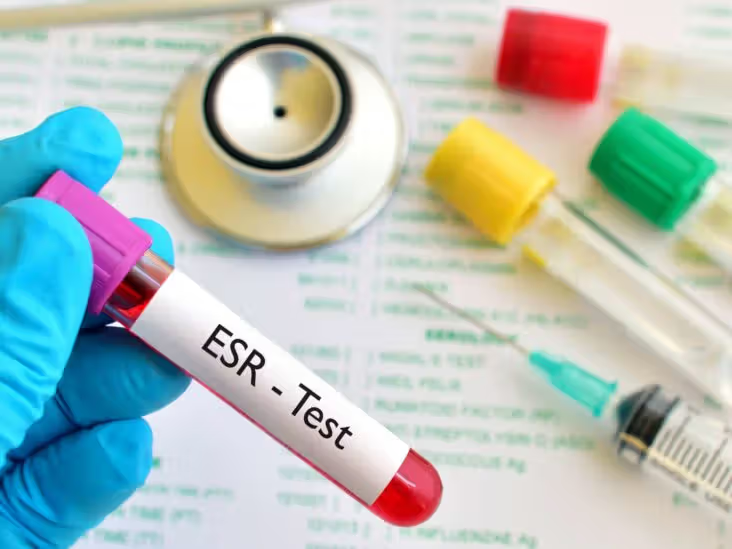
ESR stands for Erythrocyte Sedimentation Rate. It measures how fast red blood cells settle to the bottom of a test tube within one hour.
In a healthy person with no inflammation, red blood cells settle slowly. When inflammation is present, certain proteins in the blood cause red blood cells to clump together and sink faster. The faster they sink, the higher the ESR reading.
The result is reported in millimetres per hour (mm/hr). A higher number means more inflammation is likely present somewhere in the body.
Women have higher baseline ESR values than men as a physiological fact. This is not a sign of disease in itself.
Several factors explain this difference. Women have monthly hormonal fluctuations linked to menstruation, which influence inflammatory markers. Female blood composition also differs from male blood in ways that affect how red blood cells settle. Pregnancy dramatically raises ESR as a normal physiological response.
Understanding this baseline difference is important so that mild elevations in women are not misread as serious without clinical context.
Knowing the normal range is the starting point for interpreting any ESR result. Normal values in women vary with age and physiological status.
| Age and Status | Normal ESR Range |
|---|---|
| Young adult women (under 50) | 0 – 20 mm/hr |
| Women over 50 | 0 – 30 mm/hr |
| Pregnant women (1st trimester) | Up to 40 mm/hr |
| Pregnant women (3rd trimester) | 40 – 70 mm/hr |
| Elderly women | Up to 35 mm/hr |
ESR values slightly above these ranges may reflect physiological causes rather than disease. Values consistently above 50 mm/hr, or above 100 mm/hr, require medical investigation.
A high ESR in females is not a diagnosis. It is a signal — a flag that tells doctors something may be causing inflammation in the body.
ESR by itself does not point to any single disease. It is always interpreted alongside symptoms, medical history, and other blood test results. A slightly elevated ESR in a woman with no symptoms and no other abnormalities may be completely benign.
A persistently high ESR, especially above 50 mm/hr, and particularly above 100 mm/hr, requires further investigation to find the underlying cause.
The causes of elevated ESR in women fall into several distinct categories. Each one carries its own characteristics, associated symptoms, and diagnostic approach.
Bacterial, viral, and fungal infections are among the most common reasons for a raised ESR in women. When the immune system fights an infection, it triggers an inflammatory response that raises ESR.
Common infections that elevate ESR include urinary tract infections (UTIs), tuberculosis, pneumonia, tonsillitis, sinusitis, and pelvic inflammatory disease (PID). UTIs are particularly common in women due to anatomical differences.
In most cases, ESR returns to normal once the infection is treated and resolved. A persistently high ESR after treatment may indicate the infection has not fully cleared or has become chronic.
Autoimmune diseases are conditions where the immune system mistakenly attacks the body’s own healthy tissue. They cause chronic, sustained inflammation, which keeps ESR elevated for long periods.
Women are significantly more likely than men to develop most autoimmune diseases. This is one of the core reasons why high ESR is a particularly important marker in female health.
| Autoimmune Condition | How It Relates to ESR |
|---|---|
| Rheumatoid Arthritis (RA) | Causes joint inflammation; ESR is a key monitoring marker |
| Systemic Lupus Erythematosus (SLE) | Affects multiple organs; chronic elevation common |
| Sjögren’s Syndrome | Causes gland inflammation; frequently shows raised ESR |
| Multiple Sclerosis (MS) | Nervous system inflammation; elevated ESR in active phases |
| Polymyalgia Rheumatica (PMR) | Common in older women; ESR often very high (above 50) |
| Giant Cell Arteritis | Blood vessel inflammation; ESR above 100 is characteristic |
| Inflammatory Bowel Disease | Crohn’s or colitis; ESR reflects disease activity |
In autoimmune conditions, ESR is used not only for initial detection but also to monitor whether the disease is active or in remission. A rising ESR in a woman already diagnosed with an autoimmune condition often signals a flare-up.
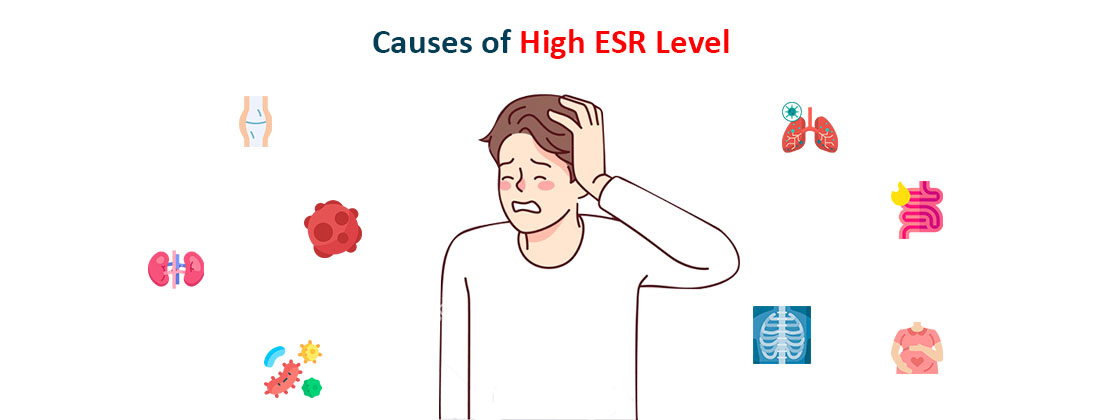
Hormonal shifts are among the most female-specific reasons for elevated ESR. These are physiological causes, not disease states, but they do influence test results significantly.
Menstruation can cause a mild, temporary rise in ESR during or just after a period. The monthly hormonal fluctuation in estrogen and progesterone affects inflammatory markers.
Pregnancy raises ESR significantly, particularly in the second and third trimesters. ESR during pregnancy can reach 40 to 70 mm/hr and is considered normal due to the increase in fibrinogen and other plasma proteins.
Menopause and perimenopause are associated with declining estrogen levels. Estrogen has anti-inflammatory properties, so its reduction during menopause can lead to a mild but measurable increase in chronic low-grade inflammation and ESR.
Hormonal contraceptives and hormone replacement therapy (HRT) can also elevate ESR as a side effect of the hormonal changes they introduce.
Anaemia is extremely common in women, particularly iron-deficiency anaemia caused by heavy menstrual periods, pregnancy, or poor dietary iron intake.
When a woman is anaemic, red blood cells are altered in shape, size, or concentration. These changes affect how cells settle in the ESR test tube, often producing a falsely elevated reading.
This means a high ESR in an anaemic woman may not directly reflect inflammation. However, anaemia and inflammation frequently coexist, making it important to test for both simultaneously with a complete blood count (CBC).
Symptoms of anaemia that may accompany a high ESR include fatigue, dizziness, pale skin, shortness of breath, and a rapid heart rate.
Both hypothyroidism (underactive thyroid) and hyperthyroidism (overactive thyroid) are significantly more common in women than in men. Thyroid disorders trigger systemic inflammation that raises ESR.
Autoimmune thyroid conditions such as Hashimoto’s thyroiditis and Graves’ disease are among the most common autoimmune diseases in women worldwide. Both involve immune-mediated inflammation of the thyroid gland.
A woman with a high ESR and symptoms like fatigue, weight changes, hair loss, cold intolerance, or menstrual irregularity should have thyroid function tested alongside ESR monitoring.
Polycystic Ovary Syndrome (PCOS) is one of the most common hormonal disorders in women of reproductive age. It involves chronic low-grade inflammation as part of its underlying pathophysiology.
Research has found that women with PCOS have higher levels of inflammatory markers including ESR and CRP compared to women without the condition. The insulin resistance and metabolic dysfunction associated with PCOS contribute to this ongoing inflammatory state.
A raised ESR in a woman with irregular periods, weight gain, skin changes, or known PCOS is a recognized combination that should be assessed together.
Chronic kidney disease (CKD) and nephrotic syndrome affect ESR in two ways. Kidney disease impairs the body’s ability to clear inflammatory proteins from the blood. These proteins accumulate and cause red blood cells to clump and settle faster.
Women with conditions like diabetic nephropathy, lupus nephritis, or other forms of kidney disease frequently show persistently elevated ESR. This is one reason why ESR is part of monitoring panels for women with known kidney conditions.
Symptoms that may accompany kidney-related high ESR include ankle swelling, reduced urine output, fatigue, and high blood pressure.
Certain cancers are associated with significantly elevated ESR, particularly when the value is very high. ESR above 100 mm/hr in particular raises concern for malignancy.
Cancers that are specifically associated with high ESR in women include breast cancer, ovarian cancer, lymphoma, and multiple myeloma. The cancer process itself triggers chronic inflammation and increases fibrinogen and immunoglobulin levels, both of which raise ESR.
According to research, among patients with ESR above 100 mm/hr, about 33% were found to have malignancy. This does not mean that a high ESR indicates cancer — the vast majority of elevated ESR cases have other causes — but very high levels require thorough investigation.
A high ESR alone is never used to diagnose cancer. It is one signal among many that prompts further testing.
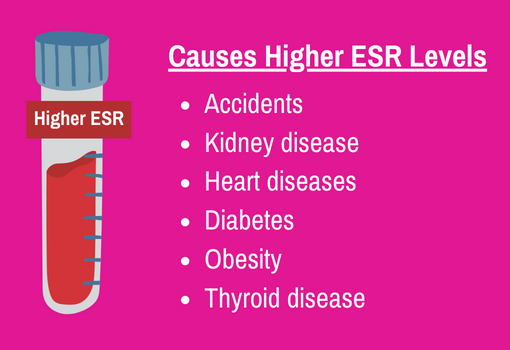
Several chronic conditions cause sustained low-grade inflammation that keeps ESR elevated over time.
Inflammatory bowel disease (IBD), including Crohn’s disease and ulcerative colitis, causes gut inflammation. ESR is used alongside other markers to track disease activity in IBD.
Polymyalgia rheumatica (PMR) almost exclusively affects women over 50. It causes pain and stiffness in the shoulders, neck, and hips. ESR is characteristically very elevated, often above 50 mm/hr, in active PMR.
Chronic fatigue syndrome and fibromyalgia are conditions more common in women that are associated with persistent systemic inflammation, sometimes reflected in mildly elevated ESR.
Obesity contributes to chronic low-grade systemic inflammation. Adipose (fat) tissue produces inflammatory cytokines. Women with higher BMI tend to have modestly higher baseline ESR values.
Many women report elevated ESR in the weeks and months following recovery from significant infections. This includes recovery from COVID-19, severe influenza, and other systemic infections.
Post-COVID ESR elevation is well-documented and generally temporary. The immune system remains in a heightened inflammatory state during recovery even after the active infection is cleared.
This is a recognized, usually self-limiting cause of temporarily elevated ESR. In most cases, levels normalize within weeks to months of recovery.
Chronic psychological stress triggers hormonal and immune pathways that increase systemic inflammation. Women who experience persistent high stress may show mildly elevated ESR as a result.
Poor diet — particularly high in refined carbohydrates, processed foods, sugar, and trans fats — promotes chronic inflammation. Sedentary lifestyle and insufficient sleep also independently contribute to inflammatory markers.
These causes are important because they are modifiable. Addressing them through lifestyle changes can bring mild ESR elevations down without medication.
High ESR itself does not cause symptoms. It is a laboratory marker, not a direct clinical sign. However, the underlying conditions that raise ESR do produce symptoms.
Common symptoms that may accompany a high ESR in women include:
| Symptom | Possible Related Cause |
|---|---|
| Persistent fatigue | Anaemia, autoimmune disease, thyroid, cancer |
| Joint pain or morning stiffness | Rheumatoid arthritis, lupus, polymyalgia rheumatica |
| Unexplained weight loss | Infection, cancer, thyroid disease |
| Low-grade fever | Infection, autoimmune disease, IBD |
| Swollen lymph nodes | Infection, lymphoma |
| Heavy or irregular periods | PCOS, hormonal imbalance, thyroid |
| Shortness of breath | Anaemia, kidney disease, heart involvement |
| Pale skin | Anaemia |
| Frequent infections or UTIs | Immune dysfunction, kidney disease |
| Muscle pain and stiffness | Polymyalgia rheumatica, fibromyalgia |
If you are experiencing several of these symptoms alongside an elevated ESR, medical evaluation is important.
Not all ESR elevations carry the same weight. Context determines concern level.
| ESR Level | What It Generally Suggests |
|---|---|
| 20 – 40 mm/hr | Mildly elevated; often physiological (hormones, mild infection, anaemia) |
| 40 – 70 mm/hr | Moderate elevation; investigate if persistent; common in pregnancy |
| 70 – 100 mm/hr | Significantly elevated; likely a clinical cause; further testing needed |
| Above 100 mm/hr | Seriously elevated; strong indicator of significant disease including cancer, severe autoimmune, or severe infection |
An ESR of 50 mm/hr or above in a non-pregnant woman with symptoms should be evaluated promptly. An ESR above 100 mm/hr warrants urgent medical investigation.
ESR is a starting point, not a conclusion. Doctors use a systematic approach to find the underlying cause.
Medical history and physical examination comes first. The doctor looks for signs of infection, autoimmune involvement, or systemic disease through the patient’s symptoms, examination findings, and history.
Repeat ESR testing is done to confirm the elevation is persistent rather than transient. A single mildly elevated ESR may not require extensive investigation.
Complete blood count (CBC) checks for anaemia, infection signs, and other blood cell abnormalities.
C-reactive protein (CRP) is often tested alongside ESR. CRP rises and falls more quickly than ESR and provides complementary information about acute inflammation.
Autoimmune panels including ANA (antinuclear antibody), anti-dsDNA, rheumatoid factor (RF), and anti-CCP are ordered when autoimmune disease is suspected.
Thyroid function tests check for hypothyroidism or hyperthyroidism as a contributing cause.
Iron studies and ferritin assess for iron deficiency anaemia.
Kidney function tests and urinalysis evaluate for kidney disease or urinary tract infection.
Imaging including X-rays, ultrasound, or MRI may be ordered depending on what the clinical picture suggests.
Both ESR and CRP are inflammation markers, but they behave differently and provide different information.
| Feature | ESR | CRP |
|---|---|---|
| Rise speed | Slow (over days) | Fast (within hours) |
| Fall speed | Slow | Fast |
| Specificity | Non-specific | Slightly more specific |
| Best used for | Chronic conditions, monitoring | Acute infection, rapid changes |
| Affected by non-inflammatory factors | Yes (anaemia, hormones, age) | Less so |
Doctors commonly order both tests together to get a fuller picture of the inflammatory state. A raised ESR with normal CRP may suggest a non-inflammatory cause of the ESR elevation, such as anaemia or hormonal factors.
There is no treatment for high ESR itself. The treatment is directed at whatever underlying condition is causing the elevation.
Infections are treated with appropriate antibiotics, antivirals, or antifungals depending on the type. ESR normalizes once the infection resolves.
Autoimmune diseases are managed with anti-inflammatory drugs, disease-modifying antirheumatic drugs (DMARDs), corticosteroids, or biologic therapies depending on the specific condition.
Anaemia is treated by addressing the underlying cause — iron supplementation for iron deficiency, dietary changes, or treating the source of blood loss.
Thyroid disease is managed with thyroid hormone replacement (hypothyroidism) or medications that reduce thyroid hormone production (hyperthyroidism).
PCOS management includes lifestyle changes, hormonal therapy, and medications for insulin resistance.
Kidney disease is managed based on cause and stage, including blood pressure control, dietary modification, and treating the primary disease.
Cancer, if detected, is managed through oncology referral and appropriate therapy.
Lifestyle modifications can help reduce mild chronic inflammation and support the body’s return to normal ESR levels, particularly when the cause is lifestyle-related.
Anti-inflammatory diet rich in vegetables, fruits, whole grains, oily fish, olive oil, nuts, turmeric, and ginger helps reduce systemic inflammation. Refined carbohydrates, sugar, processed meats, and trans fats should be minimized.
Regular moderate exercise is one of the most effective anti-inflammatory interventions. Walking, yoga, swimming, and cycling all reduce inflammatory markers over time.
Adequate sleep is essential. Sleep deprivation independently raises inflammatory markers including ESR and CRP.
Stress management through practices like meditation, breathing exercises, and counselling reduces the hormonal and immune pathways that drive inflammation.
Hydration supports kidney function and blood viscosity, both of which influence ESR.
These changes support overall health and reduce inflammation but do not replace medical diagnosis and treatment of underlying conditions.
| Factor | Top Competitor Average |
|---|---|
| Content Length | 1,500 – 3,200 words |
| Keyword in First Sentence | Yes (100%) |
| H2/H3/H4 Headings Used | 8 – 15 per post |
| FAQ Section | Present in 75% of posts |
| Tables Used | Present in 30% of posts |
| Readability Level | Grade 7–9 |
| Keyword Repetition | 10 – 18 times |
| LSI/NLP Keywords | ESR normal range female, erythrocyte sedimentation rate, autoimmune disease, inflammation marker, anaemia, rheumatoid arthritis, lupus, PCOS, thyroid disease, CRP, fibrinogen, CBC |
Why ESR is high in female comes down to a combination of factors that are unique to the female body. Women naturally have higher baseline ESR values due to hormonal fluctuations, monthly cycles, and the physiological changes of pregnancy. Beyond these normal variations, elevated ESR in women most commonly points to infections, autoimmune diseases, anaemia, thyroid disorders, PCOS, kidney disease, or chronic inflammatory conditions. A high ESR is not a diagnosis — it is a signal that prompts further investigation. Mild elevations are often benign and temporary. Persistent or significantly elevated ESR, especially above 50 or 100 mm/hr, requires a full medical workup. Addressing the underlying cause is the only effective treatment. Lifestyle changes including an anti-inflammatory diet, exercise, and stress management can support the process. Always consult a qualified doctor to interpret your ESR result in the full context of your health.
Women have naturally higher ESR due to hormonal changes, menstruation, pregnancy, and a higher prevalence of autoimmune diseases. These factors cause red blood cells to settle faster than in men.
For women under 50, normal ESR is 0–20 mm/hr. For women over 50, it is 0–30 mm/hr. Pregnant women can have ESR up to 40–70 mm/hr, which is still considered normal.
An ESR of 50 mm/hr is moderately elevated and warrants investigation. It may indicate an infection, autoimmune disease, anaemia, or another inflammatory condition and should be evaluated by a doctor.
Yes. Estrogen and progesterone fluctuations during menstruation, pregnancy, menopause, and from hormonal medications all influence ESR levels in women.
No. A mildly elevated ESR in women is often physiological and not dangerous. However, values above 50 mm/hr with symptoms or above 100 mm/hr require urgent medical evaluation.
Yes. Iron deficiency anaemia, which is common in menstruating and pregnant women, alters red blood cell properties and can falsely elevate ESR independent of actual inflammation.
Rheumatoid arthritis, systemic lupus erythematosus (SLE), Sjögren’s syndrome, multiple sclerosis, polymyalgia rheumatica, and Hashimoto’s thyroiditis are the most common autoimmune causes of elevated ESR in women.
Yes. PCOS involves chronic low-grade inflammation as part of its pathology. Women with PCOS typically show higher levels of inflammatory markers including ESR and CRP.
ESR rises and falls slowly and is affected by many non-inflammatory factors. CRP rises and falls more quickly and is slightly more specific. Doctors use both together for a complete inflammation picture.
An anti-inflammatory diet, regular moderate exercise, good sleep, stress management, and staying hydrated all help reduce chronic inflammation. However, natural measures only support the process — the underlying medical cause must be treated by a doctor.