

Why am I not ovulating but having periods is one of the most confusing and common reproductive health questions women ask in 2026.
Your period arrives on schedule every month, yet ovulation tests stay blank or your fertility specialist confirms no egg was released. This feels contradictory because most people assume a period means ovulation happened.
It does not always work that way.
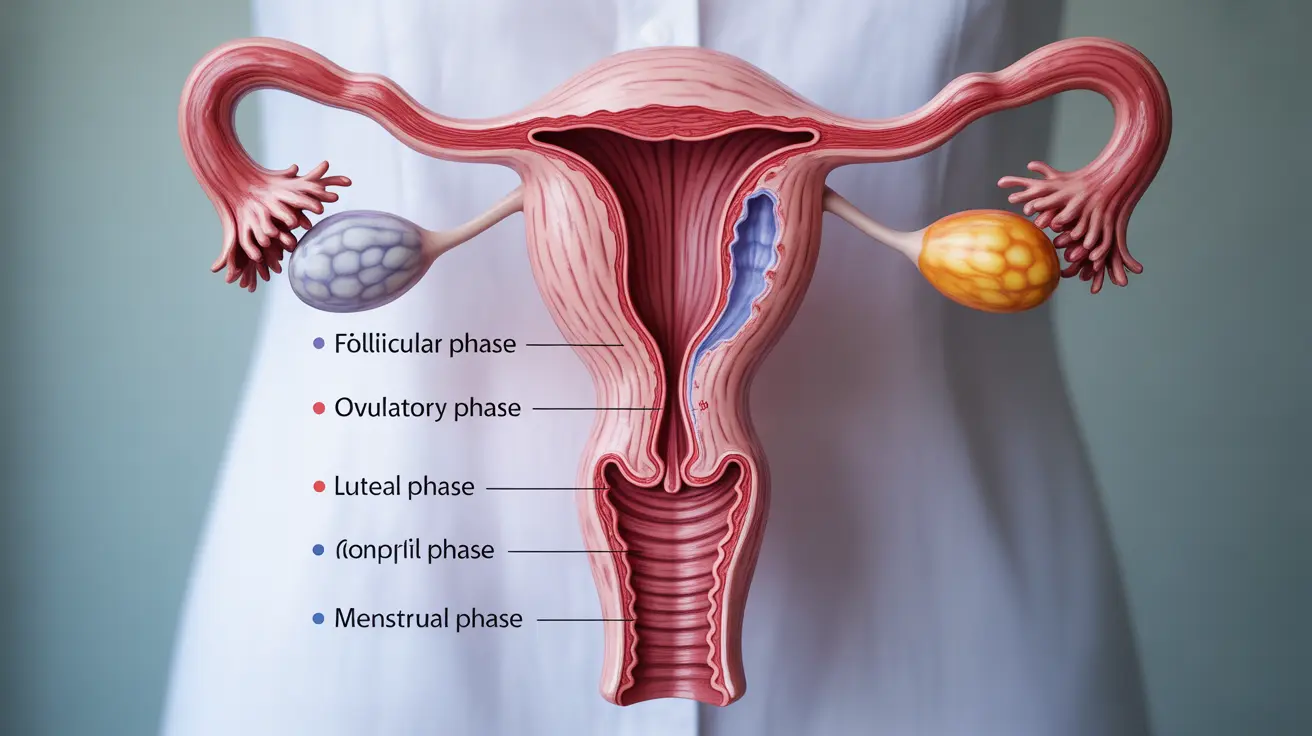
Anovulation means your ovaries did not release an egg during your cycle. You can still experience bleeding even without ovulation, and this is one of the most misunderstood facts in reproductive health.
This bleeding is called anovulatory bleeding or abnormal uterine bleeding. It is not true menstruation in the medical sense, even though it looks and feels very similar.
Here is why it still happens. Estrogen continues to build up the uterine lining even without ovulation. When estrogen levels drop suddenly, the lining sheds and you bleed. No egg release, no progesterone surge — just estrogen-driven bleeding that mimics a normal period.
Understanding a normal cycle makes it easier to understand what goes wrong in anovulation.
In a healthy cycle, the hypothalamus releases gonadotropin-releasing hormone, which signals the pituitary gland to produce FSH (follicle-stimulating hormone) and LH (luteinizing hormone). FSH stimulates a follicle in the ovary to mature. The mature follicle releases an egg — this is ovulation. After ovulation, the empty follicle becomes the corpus luteum, which produces progesterone to prepare the uterine lining for a potential pregnancy.
If no pregnancy occurs, progesterone drops, the lining sheds, and you get your period. If any step in this chain is disrupted, ovulation does not happen — but bleeding can still follow from the estrogen-driven lining buildup.
PCOS is the single most common cause of anovulation worldwide. It creates a hormonal imbalance where androgen levels (male hormones) are elevated, which disrupts the normal follicle maturation process.
In PCOS, follicles begin to develop but do not mature fully, so no egg is released. Multiple small, immature follicles collect on the ovaries, visible on ultrasound as cysts.
Women with PCOS can have periods that appear relatively regular, especially in the early years, while quietly not ovulating. This is one of the key reasons so many women do not discover anovulation until they try to conceive.
Both an underactive thyroid (hypothyroidism) and an overactive thyroid (hyperthyroidism) interfere with ovulation. Thyroid hormones play a direct role in regulating the hormones that trigger egg release.
Hypothyroidism is especially linked to anovulation. Low thyroid hormone slows metabolic processes, disrupts FSH and LH signaling, and can raise prolactin levels — all of which suppress ovulation.
The frustrating part is that thyroid issues are often subtle. Many women with mild hypothyroidism have periods that feel normal for years before a diagnosis is made.
Prolactin is a hormone primarily associated with milk production. When prolactin levels are too high in a woman who is not breastfeeding, it suppresses the hormones needed for ovulation.
High prolactin can be caused by a small non-cancerous tumor on the pituitary gland called a prolactinoma, by thyroid disease, by certain medications, or by chronic stress.
Women with hyperprolactinemia often notice changes in their cycles — lighter periods, irregular timing — but may not realize ovulation has stopped because some form of bleeding continues.
Chronic stress is a significantly underestimated cause of why women are not ovulating but still having periods. When stress is prolonged, the body produces high levels of cortisol.
Elevated cortisol suppresses the hypothalamus, which reduces GnRH production. Without adequate GnRH, the FSH and LH signals that trigger ovulation are weakened or absent.
In extreme cases, this leads to functional hypothalamic amenorrhea — a condition where periods stop entirely. In less severe cases, ovulation is suppressed while some form of irregular bleeding continues.
Body fat plays a critical role in estrogen production. When body fat drops too low — whether from restrictive eating, an eating disorder, or extreme athletic training — estrogen production falls below the threshold needed for ovulation.
The body interprets very low body fat as a survival state, and reproduction is deprioritized accordingly. The hypothalamus reduces or stops GnRH production.
Anovulatory bleeding can still occur at low body weights because there is just enough estrogen to build some uterine lining. This makes the situation harder to recognize.
Excess body fat creates the opposite hormone problem. Adipose (fat) tissue produces estrogen. Too much of it leads to chronically elevated estrogen without the progesterone counterbalance that only comes after actual ovulation.
This can suppress the LH surge that triggers egg release. The uterine lining continues to build and shed in an irregular pattern, producing bleeding that resembles periods.
Research published in Fertility and Sterility found that a BMI above 30 increases the risk of anovulation by around 300 percent compared to a healthy weight. Weight management is therefore a front-line treatment recommendation.
High-intensity exercise for more than seven hours per week can disrupt hormone production enough to suppress ovulation. This is especially common in endurance athletes and competitive sportswomen.
The issue is not exercise itself — moderate exercise supports hormone health. The problem is when caloric expenditure greatly exceeds caloric intake, creating a state of low energy availability that signals the brain to suppress reproductive function.
Female athletes who stop ovulating but continue to have irregular bleeding are sometimes unaware of the problem for months or years, especially if they are not trying to conceive.
Premature ovarian insufficiency, previously called premature ovarian failure, occurs when the ovaries stop functioning normally before age 40. The ovaries produce less estrogen and fewer eggs than expected for a woman’s age.
Women with POI may still have irregular periods for some time as the ovaries intermittently attempt to function. Ovulation can still occasionally occur in POI but becomes increasingly rare.
POI affects roughly 1 in 100 women under 40. It can be caused by autoimmune conditions, chromosomal abnormalities, or cancer treatments, though in many cases no cause is found.
In the years leading up to menopause, which can begin as early as the late thirties, hormonal fluctuations become more pronounced. FSH rises as the ovaries become less responsive, but ovulation becomes irregular and eventually stops.
Bleeding continues during perimenopause because estrogen is still present, even though ovulation is increasingly absent. This is one of the reasons why perimenopausal women still experience periods for years before menopause is confirmed.
If you are in your late thirties or forties and asking why you are not ovulating but having periods, perimenopause is a very real possibility to discuss with your doctor.
Several common medications suppress ovulation as a side effect or primary mechanism. Hormonal birth control is the most obvious example — it works by preventing ovulation intentionally.
Other medications that can suppress ovulation include antidepressants, antipsychotics, corticosteroids, and chemotherapy drugs. Some of these effects are temporary and reverse when the medication is stopped; others, such as certain chemotherapy agents, can cause permanent ovarian damage.
If you recently started a new medication and noticed changes in your cycle or ovulation signs, this is worth discussing with your prescribing doctor.

Many women do not know they are not ovulating because the external signs are subtle. Here is what to look for.
| Sign | What It Means |
|---|---|
| No LH surge on ovulation test | Egg was not triggered to release |
| No basal body temperature rise mid-cycle | Corpus luteum not formed, no progesterone rise |
| No cervical mucus changes | Fertile window hormones absent |
| Very light or very heavy periods | Estrogen-only driven bleeding pattern |
| Irregular cycle length (varies by more than 7 days) | Hormonal disruption across cycles |
| No mid-cycle cramping or Mittelschmerz | Ovulation did not occur |
| Difficulty conceiving after 6–12 months of trying | Ovulation likely absent or infrequent |
| Absent or mild PMS symptoms | Progesterone levels too low to cause normal PMS |
Most anovulatory cycles happen without dramatic symptoms. This is why tracking tools are so important for detection.
If you are asking why you are not ovulating but having periods, the first step is to confirm what is actually happening in your cycle.
Ovulation Predictor Kits (OPKs): These urine tests detect the LH surge that happens 24 to 36 hours before ovulation. If you test daily from day 10 of your cycle and never see a positive result across multiple cycles, anovulation is likely.
Basal Body Temperature (BBT) Charting: Your resting temperature rises by 0.2 to 0.5 degrees Celsius after ovulation due to progesterone. A flat BBT chart with no sustained rise after mid-cycle indicates no ovulation occurred.
Cervical Mucus Monitoring: Around ovulation, cervical mucus becomes clear, stretchy, and egg-white in consistency. If this change never appears, the hormonal events of ovulation likely did not occur.
Progesterone Blood Test: A blood test taken on day 21 of a 28-day cycle (or 7 days before expected period) measures progesterone levels. A result below 3 ng/mL suggests anovulation; a result above 10 ng/mL confirms ovulation occurred.
Pelvic Ultrasound: A follicle tracking ultrasound monitors whether a dominant follicle is developing and whether it collapses after ovulation. This is the most direct confirmation method available.
When you visit a doctor about not ovulating but having periods, expect a thorough workup. Here is what the evaluation typically includes.
| Test | What It Checks |
|---|---|
| FSH and LH blood test | Whether hormonal signals to ovaries are functioning |
| Estradiol (estrogen) blood test | Baseline estrogen levels and follicle activity |
| Progesterone test (day 21) | Whether ovulation occurred in the previous cycle |
| AMH (Anti-Müllerian Hormone) | Ovarian reserve and egg supply |
| TSH and thyroid panel | Thyroid function |
| Prolactin level | Whether high prolactin is suppressing ovulation |
| Androgen panel (testosterone, DHEAS) | PCOS screening |
| Pelvic ultrasound | Ovarian morphology, follicle count, uterine lining thickness |
| Fasting glucose and insulin | Insulin resistance screening linked to PCOS |
Your doctor may not order all of these at once. Testing is typically guided by your symptoms, age, and cycle history.
The right treatment depends entirely on what is causing the anovulation. Here is a complete overview of options available in 2026.
Lifestyle changes are often the first and most effective intervention for anovulation caused by weight, stress, or exercise.
Reaching and maintaining a healthy weight — not too high and not too low — restores hormonal balance in many cases. Even a 5 to 10 percent reduction in body weight in overweight women with PCOS has been shown to restore ovulation.
Reducing high-intensity exercise, improving caloric intake, and managing chronic stress through sleep, mindfulness, or therapy can restart ovulation within a few months for women with functional hypothalamic anovulation.
Clomiphene citrate is one of the most prescribed medications for inducing ovulation. It works by blocking estrogen receptors in the hypothalamus, which tricks the brain into producing more FSH.
More FSH stimulates follicle development and egg maturation, which can trigger the LH surge and ovulation. Clomid is typically taken for 5 days at the beginning of the cycle.
It is most effective in women with PCOS and functional anovulation. Success rates for ovulation induction with Clomid range from 70 to 85 percent, though not every induced ovulation leads to pregnancy.
Letrozole is an aromatase inhibitor originally developed for breast cancer treatment. It has become a preferred alternative to Clomid for ovulation induction, particularly in women with PCOS.
It works by lowering estrogen levels temporarily, prompting the pituitary to release more FSH. Studies show letrozole produces better live birth rates than Clomid in women with PCOS.
Letrozole is taken for 5 days per cycle and typically produces fewer side effects such as mood changes and cervical mucus thinning compared to Clomid.

Metformin is a diabetes medication that reduces insulin resistance. In women with PCOS, high insulin levels contribute to excess androgen production, which suppresses ovulation.
By reducing insulin resistance, metformin lowers androgen levels and can restore more regular ovulation. It is often used alone or in combination with letrozole or Clomid.
Metformin is not a fast fix — it typically takes 3 to 6 months to show its full effect on cycle regularity and ovulation.
If thyroid disease is causing anovulation, treating the thyroid condition typically restores ovulation. Hypothyroidism is treated with synthetic thyroid hormone (levothyroxine), and ovulation often resumes within a few months of achieving normal TSH levels.
High prolactin is treated with dopamine agonists such as cabergoline or bromocriptine. These medications reduce prolactin levels effectively and restore ovulation in most women with hyperprolactinemia.
Both of these conditions are among the most straightforward to treat once properly diagnosed.
For women who do not respond to Clomid or letrozole, injectable gonadotropins (FSH injections) are the next step. These directly stimulate the ovaries to develop follicles.
Gonadotropins require careful monitoring with ultrasound and blood tests to reduce the risk of ovarian hyperstimulation syndrome and multiple pregnancies. They are administered in fertility clinic settings.
This approach is more involved, more expensive, and carries more risk than oral medications, but it achieves ovulation in most women who respond to nothing else.
In vitro fertilization bypasses natural ovulation entirely. Eggs are retrieved directly from the ovaries after stimulation, fertilized in a lab, and transferred as embryos.
IVF is typically considered when other treatments have failed, when there are additional fertility factors involved, or when a woman has diminished ovarian reserve. It is not the first step for anovulation alone.
For many women with anovulation, ovulation induction with oral medications is highly effective and IVF is not necessary.
Alongside medical treatment, several evidence-supported lifestyle and nutritional strategies can improve hormonal balance and support ovulation.
Balanced Nutrition: A diet rich in whole foods, healthy fats, lean protein, and complex carbohydrates supports hormone production. Reducing refined sugar and processed foods helps manage insulin levels, which is especially important in PCOS.
Inositol Supplements: Myo-inositol and D-chiro-inositol have been studied extensively for PCOS-related anovulation. They improve insulin sensitivity and have been shown to restore ovulation in women with PCOS at doses of 2 to 4 grams daily.
Vitamin D: Vitamin D deficiency is common in women with PCOS and anovulation. Supplementing to adequate levels has been associated with improved menstrual regularity and ovulation rates.
Omega-3 Fatty Acids: Found in fatty fish and fish oil supplements, omega-3s reduce inflammation and have been linked to improved ovarian function and hormone balance.
Stress Reduction: Yoga, mindfulness meditation, adequate sleep, and therapy all reduce cortisol levels. Lower cortisol supports the hypothalamic function needed for normal GnRH and ovulation.
Moderate Exercise: Aim for 150 to 300 minutes of moderate-intensity exercise per week. This supports insulin sensitivity and hormone balance without triggering the suppression that excessive training causes.
Not ovulating but having periods is not just a fertility issue. Chronic anovulation carries health risks that go beyond conception.
Endometrial Hyperplasia: Without progesterone to balance estrogen, the uterine lining can grow too thick. This abnormal thickening, called endometrial hyperplasia, can in rare cases progress to endometrial cancer.
Osteoporosis: Long-term low estrogen or low progesterone affects bone density. Women with chronic anovulation are at higher risk of developing bone loss over time.
Metabolic Health: Anovulation linked to PCOS is associated with insulin resistance, higher risk of type 2 diabetes, and cardiovascular risk factors. Addressing anovulation is also addressing long-term metabolic health.
Infertility: Anovulation is one of the most common causes of female infertility. Without treatment, the chance of natural conception drops significantly. The earlier anovulation is identified and treated, the better the reproductive outcomes.
You do not need to wait for a formal fertility problem to seek help. Here is a clear guide on when to act.
| Situation | Recommended Action |
|---|---|
| Under 35, trying to conceive, no pregnancy after 12 months | See a reproductive specialist |
| Over 35, trying to conceive, no pregnancy after 6 months | See a reproductive specialist |
| Any age with confirmed absent LH surge across 3+ cycles | See a gynecologist or endocrinologist |
| Irregular cycles varying by more than 7–10 days regularly | Evaluation for hormonal imbalance |
| Signs of PCOS (irregular periods, acne, excess hair, weight gain) | PCOS workup without delay |
| Recent unexplained weight changes with cycle disruption | Hormonal evaluation |
| Not trying to conceive but cycles are very irregular | Evaluation to rule out long-term risks |
You do not need to be trying to get pregnant to care about whether you are ovulating. Ovulation is a marker of overall hormonal health, not just fertility.
Your body can produce enough estrogen to build and shed the uterine lining without releasing an egg. This is called anovulatory bleeding and is different from true menstruation.
Yes, PCOS is the most common cause of anovulation. It disrupts the hormonal signals needed for egg release while still allowing irregular or regular-appearing bleeding to occur.
The most reliable methods are a day-21 progesterone blood test, BBT charting with no mid-cycle temperature rise, and ovulation predictor kits showing no LH surge across multiple cycles.
No, pregnancy requires a released egg to be fertilized. Without ovulation, natural conception cannot occur. Treatment to induce ovulation is the first step toward pregnancy.
Yes. Chronic high stress elevates cortisol, which suppresses the hypothalamic signals needed for the LH surge and ovulation. Reducing stress can restore ovulation in some women within a few months.
Yes. Very low body fat reduces estrogen production below the threshold needed for ovulation. The brain interprets low body weight as a survival state and suppresses reproductive function.
Letrozole is now commonly preferred for women with PCOS, while clomiphene citrate (Clomid) remains widely used. The choice depends on the cause of anovulation and individual response.
Yes. Both hypothyroidism and hyperthyroidism disrupt the hormonal chain needed for ovulation. Treating the thyroid condition typically restores ovulation within a few months.
In most cases, no. Anovulation caused by PCOS, thyroid disease, stress, weight, or lifestyle factors is treatable and ovulation can be restored. Premature ovarian insufficiency and post-menopause are exceptions.
Long-term anovulation increases the risk of endometrial hyperplasia, bone density loss, metabolic problems, and — if trying to conceive — infertility. Treatment at any age protects long-term health.
Why am I not ovulating but having periods is a question that deserves a clear, honest answer — and the answer is that it happens more often than most people realize.
Anovulatory cycles affect a significant percentage of women across all age groups and are caused by a wide range of treatable conditions including PCOS, thyroid disorders, elevated prolactin, stress, and weight-related hormonal disruption. The bleeding you experience is real, but it is not always true ovulatory menstruation.
The most important thing you can do is track your cycle actively using ovulation tests, BBT charting, and cervical mucus monitoring so you have data to bring to a healthcare provider.
Early identification of anovulation leads to faster diagnosis, faster treatment, and better outcomes whether you are trying to conceive or simply protecting your long-term hormonal health.
With the right support — lifestyle changes, targeted medication, or both — the vast majority of women with anovulation can restore regular ovulation. You do not have to navigate this alone, and you do not have to accept unexplained irregular cycles as normal. The solutions exist and they work.