
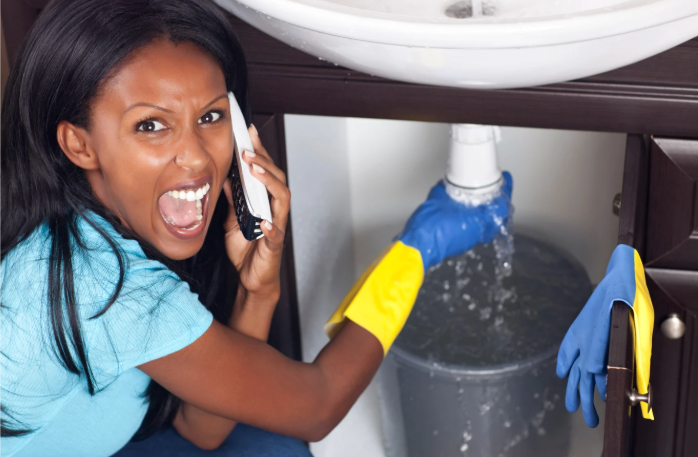
A plumbing emergency rarely happens at a convenient time. Burst pipes, overflowing toilets, sudden water heater leaks, backed-up drains, or a sewer line issue can cause damage fast, sometimes within minutes. The first few decisions matter. Shutting off the right water valve, limiting water spread, and knowing when a problem needs immediate professional help can prevent a costly repair from becoming a major restoration project. According to the Insurance Information Institute, water damage and freezing are among the most common causes of homeowner insurance claims, which shows how quickly plumbing problems can escalate.
Not every plumbing problem is an emergency, but some should never wait until morning. That is where reliable Emergency Plumbing Services Littleton CO become part of protecting the home, not just fixing a pipe. Fast response can reduce structural damage, prevent mold growth, and restore essential plumbing before the disruption spreads to other parts of the house.
Drain Terrier provides 24/7 emergency plumbing services in Littleton and the greater Denver metro area. This guide explains what qualifies as a plumbing emergency, what to do in the first few minutes, what service typically costs, and how homeowners can respond calmly when a plumbing issue turns urgent.
Regardless of what is wrong, your first move is the same: shut off the water. Every homeowner should know where their main water shutoff valve is before an emergency happens.
Where to find your shutoff:
Turn it clockwise to close. Once the water is off, the damage stops. This single step can prevent thousands of dollars in water damage while you wait for a plumber to arrive.
If you can isolate the problem to one fixture, the shutoff valve under that sink or behind that toilet is a faster option. But when in doubt, use the main.
Not every plumbing problem needs a 2 a.m. call. The test is simple: if leaving it alone until morning will cause structural damage, create a health hazard, or leave your household without water, it is an emergency.
Call immediately for:
Can usually wait until business hours:
Emergency plumbing costs more than scheduled work. That is not a surprise. What surprises people is how much more.
After-hours rates:
According to Angi, the national average for emergency plumbing service is around $200 per hour, with most emergency calls landing between $150 and $500 for the total invoice, not counting parts.
Typical repair costs by problem type:
| Problem | Average cost range |
| Burst or leaking pipe | $500 to $5,000 |
| Clogged drain or toilet (emergency) | $300 to $800 |
| Sewer line backup | $500 to $3,800 |
| Gas leak repair | $615 to $1,200 |
| Water heater replacement | $800 to $3,000 |
| No hot water repair | $150 to $750 |
Most companies also charge a separate emergency trip fee or dispatch fee of $150 to $250 on top of the hourly rate. Ask about this when you call.
Ask for a temporary fix first. If you don’t have time to collect multiple quotes, ask the plumber to do the minimum needed to stop the damage safely. Then get multiple quotes for the full permanent repair during regular business hours, when rates are lower.
Call during business hours when possible. If the issue is not actively spreading water or posing a health risk, an early morning call at 7 a.m. versus midnight can save you 50% or more on labor.
Have your shutoff location memorized. A plumber who arrives at a flooded room spends more time than one who arrives to a dry room with the water already off. Less billable time means a smaller invoice.
Document everything for insurance. Homeowner’s insurance typically covers sudden and accidental water damage from burst pipes. It does not cover slow leaks that develop over time. Take photos and video before any cleanup begins. Call your insurer at the same time you call the plumber.
The more clearly you describe the situation, the faster they can send the right technician with the right equipment.
Have this information ready:
You do not need to diagnose the problem. That is the plumber’s job.
A legitimate emergency plumber follows this sequence:
If a technician skips the assessment and immediately starts naming repair costs without inspecting the problem, ask them to slow down and explain what they found. Rushed diagnosis on emergency calls is a source of unnecessary upsells.
Annual plumbing maintenance is the most reliable way to avoid emergency call rates.
Practical prevention steps:
A $125 drain cleaning prevents a $500 to $2,000 emergency sewer backup. That ratio makes preventive maintenance one of the most cost-effective plumbing decisions you can make.