
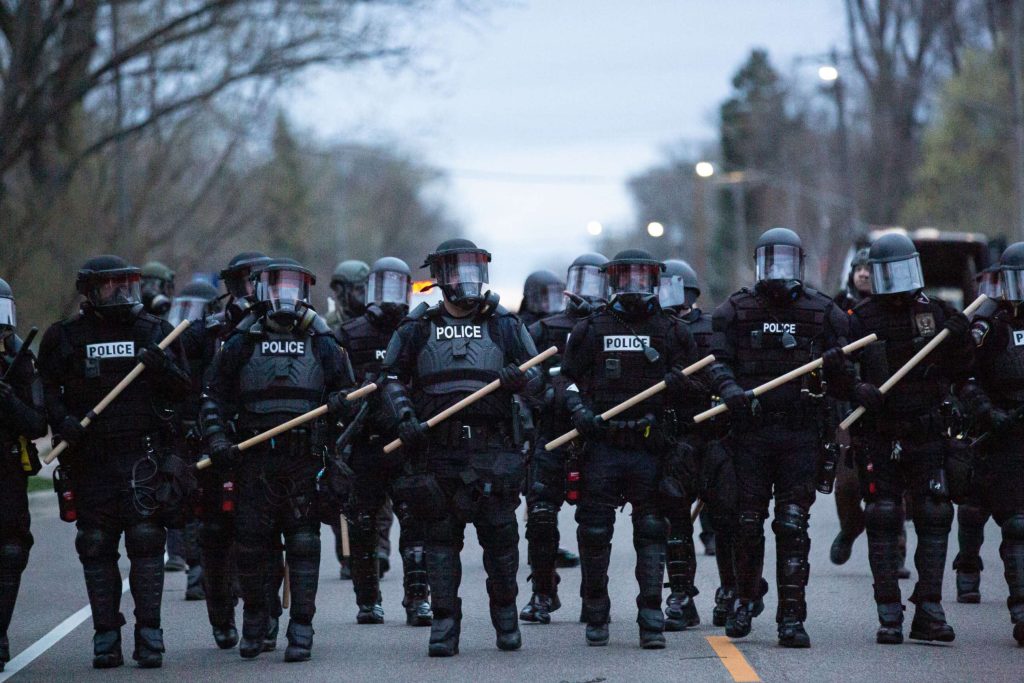
Why are police called 12 is one of the most searched slang questions in American culture today. The term pops up in rap lyrics, protest signs, social media captions, and everyday street conversation.
Yet most people who use it or hear it have no idea where it actually came from. Is it a radio code? A TV show reference? An anti-police acronym? The answer is surprisingly layered, deeply rooted in American history, and connected to hip-hop, law enforcement culture, and decades of street language evolution.
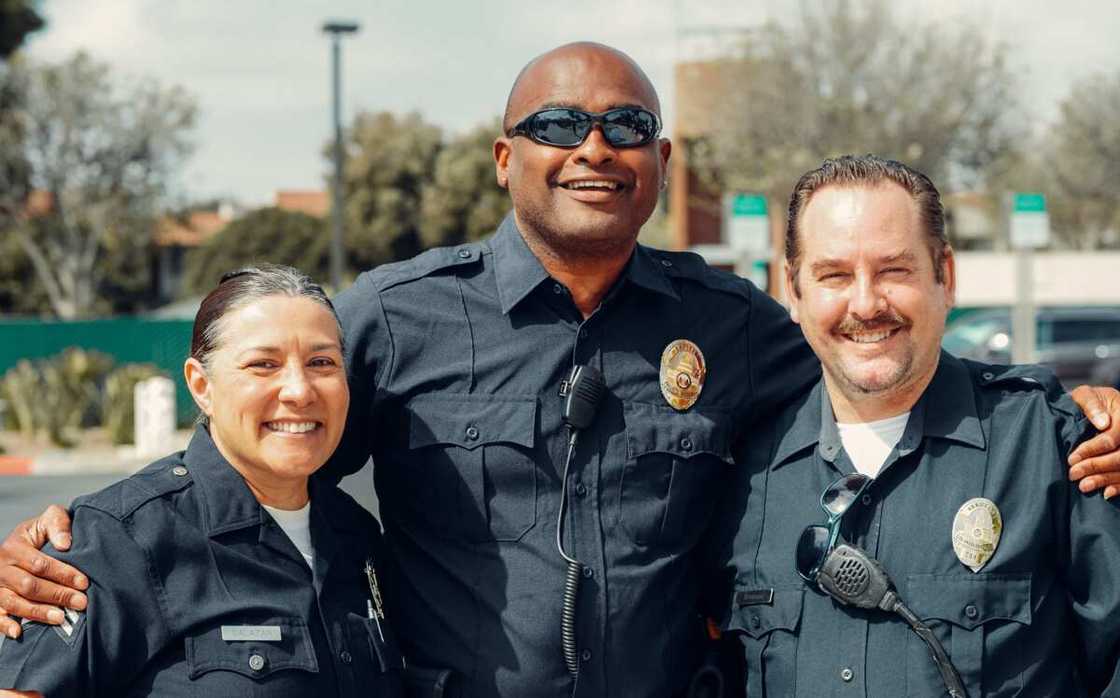
The number 12 is slang for police officers or law enforcement in general.
When someone shouts “12!” or says “watch out for 12,” they are warning others that police are nearby. It functions as a coded alert — a fast, short signal passed between people to communicate law enforcement presence without spelling it out openly.
The term is used both neutrally and with hostility depending on context. In casual hip-hop lyrics, it simply means cops. In protest settings, it often carries a harder anti-police edge.
There is no single confirmed answer to why police are called 12. Most researchers, linguists, and cultural historians point to a combination of overlapping origins that reinforced each other over decades.
Here are the four most widely discussed theories.
| Theory | Origin Era | Credibility Rating |
|---|---|---|
| Police Radio Code 10-12 | 1960s–1970s | Very High |
| TV Show Adam-12 | 1968–1975 | Very High |
| Atlanta Narcotics Unit Numbers | 1970s–1980s | High |
| ACAB / 1312 Acronym | 1970s–2014 | Moderate |
The strongest and most widely cited origin of why police are called 12 is the police radio code system, specifically the code 10-12.
Police departments across the United States have used 10-codes since the late 1930s. The Association of Police Communications Officers developed these brevity codes to keep radio transmissions fast and clear on crowded channels.
The code 10-12 specifically meant: “Visitors or bystanders are present.” Officers would use it to signal to each other that civilians or potentially dangerous individuals were in the area. It was a way to communicate caution without alerting anyone listening nearby.
People living in high-crime neighborhoods in the 1960s and 1970s listened to police scanners regularly. These scanners let anyone tune into police radio frequencies and follow officer communication in real time.
When listeners heard officers broadcast “10-12,” they understood it as a signal that police were moving into the area. Over time, communities began using “12” as a shorthand warning — the same message, but flipped in meaning. Instead of it telling officers that civilians were present, it now told civilians that officers were present.
Shouting “12!” became the street version of the police radio alert. Fast, coded, and understood by anyone who needed to know.
This theory is considered highly credible because it directly explains the functional purpose of “12” as a warning term. The word was not invented as an insult. It was repurposed as a practical alert system borrowed from the very people it was meant to track.
The second major theory for why police are called 12 comes from one of the most popular television programs of the late 1960s.
Adam-12 was a police procedural drama that premiered on NBC on September 21, 1968. It was created by Jack Webb, who also created Dragnet, and ran for seven seasons until May 20, 1975.
The show starred Martin Milner as Officer Pete Malloy and Kent McCord as Officer Jim Reed. They patrolled the streets of Los Angeles in their black-and-white squad car, identified on the radio as “1-Adam-12.”
In the LAPD’s phonetic alphabet system of that era, “Adam” was the code word for the letter A, which designated a two-officer patrol unit. “12” was the specific unit number assigned to their car within that patrol division.
Every episode opened with a dispatcher calling the unit: “1-Adam-12, 1-Adam-12, see the man…” The phrase was repeated throughout every episode, drilling the number into the memory of millions of viewers week after week for seven years.
Adam-12 was one of the most-watched programs of its era. For many Americans, especially younger viewers in urban areas, it was their first real exposure to police radio communication, patrol unit numbers, and the internal language of law enforcement.
The theory holds that “12” stuck as informal shorthand for cops because of how deeply embedded “1-Adam-12” became in pop culture memory.
The strongest argument in favor of the Adam-12 theory is the near-identical origin of another piece of police slang: “5-0” or “Five-O.”
The slang term “five-oh” for police comes directly from the TV show Hawaii Five-O, which also premiered in 1968 and ran until 1980. If a TV show could give America an enduring police nickname that survives over 50 years, the same logic cleanly applies to Adam-12 giving America “12.”
Both shows aired in the same television era. Both featured iconic radio call signs. Both produced lasting slang that is still in everyday use today.
| TV Show | Aired | Call Sign | Resulting Slang |
|---|---|---|---|
| Adam-12 (NBC) | 1968–1975 | 1-Adam-12 | “12” |
| Hawaii Five-O (CBS) | 1968–1980 | Hawaii Five-O | “5-0” or “Five-O” |
The parallel is almost too clean to ignore.
The third theory is geographically specific and closely tied to the culture of Atlanta, Georgia — the city most strongly associated with the term “12” in modern usage.
According to this theory, the Atlanta Police Department’s narcotics enforcement division was assigned radio designations and unit numbers beginning with “12” during the 1970s and 1980s.
Drug dealers and people involved in the illegal drug trade in Atlanta came into regular contact with these narcotics officers. When they spotted them on the street, they would warn others by calling out “12!” — shorthand for the unit designation of the officers they feared most.
The term started as a very specific warning about a specific type of officer — the narcotics cop, not the general patrol officer. Over time, the specificity faded and “12” became shorthand for any law enforcement presence.
Atlanta is the birthplace of trap music and one of the most influential cities in American hip-hop history. When Atlanta’s street culture develops a term, that term travels through music, through social networks, and through migration patterns into the rest of the country.
Artists who grew up in and around Atlanta carried the term “12” into their lyrics and interviews. Their audiences picked it up, repeated it, and spread it nationally. The geographic concentration of “12” as slang in the South — especially Georgia — supports this theory’s claim to the term’s regional origin.
The fourth theory is more politically charged. It connects “12” to an anti-police acronym that has been used by protest movements for decades.
ACAB stands for “All Cops Are Bastards.” The phrase originated in British protest culture and spread through punk scenes in the 1970s and 1980s before reaching the United States.
The phrase appears frequently in protest contexts, graffiti, and subculture messaging. It expresses blanket opposition to law enforcement institutions.
Some activists and protest communities began encoding ACAB numerically using alphabetical positions: A=1, C=3, A=1, B=2. This gives the code 1-3-1-2, or 1312.
Under this theory, people began shortening 1312 to simply “12” as quick anti-police slang. The usage allegedly grew alongside protest movements and spread into broader street culture from there.
Several linguistic researchers who study police slang consider the 1312-to-12 theory the least convincing of the four major explanations.
The math does not hold cleanly. If 1312 encodes ACAB, then “12” would represent only “AB” — not the full phrase. A clean abbreviation of ACAB numerically would more logically produce “1312,” not just “12.”
Most credible analysis treats 1312 as a parallel and reinforcing usage that gained traction during the 2014 Ferguson protests and the 2020 Black Lives Matter demonstrations — not as the original source of the “12” slang term.
The protest era amplified “12” to new audiences. It did not invent it.
Before going further, one extremely common internet theory deserves to be directly debunked.
Some people claim that “12” comes from adding the digits of the emergency number 911: 9 + 1 + 1 = 12.
This is mathematically incorrect. 9 + 1 + 1 = 11, not 12.
The theory has been shared thousands of times on social media, repeated in comments sections, and cited in low-quality articles. It has no basis in fact, history, or basic arithmetic. It is included here only because it circulates so widely that people searching for the real answer frequently encounter it first.
Regardless of which theory best explains the original source of “12,” there is no debate about what spread the term from regional street slang into nationwide American vocabulary: hip-hop music, specifically Atlanta rap.
In June 2013, Atlanta rap group Migos released a mixtape called Y.R.N. (Young Rich Niggas). The project included a track using “12” to mean police officers and DEA agents — used in the direct context of a narcotics raid, with lyrics referencing throwing drugs away because the police were outside.
The song went viral. Migos was already a rising force in hip-hop at the time, and their use of “12” in a vivid, specific narrative gave millions of listeners outside Atlanta immediate, clear context for the term.
Listeners across the country adopted “12” as police slang almost overnight. Other artists from the South reinforced the term throughout their own discographies in the same period.
In August 2014, the killing of Michael Brown in Ferguson, Missouri, sparked widespread protests across the United States. Demonstrators used “12” on signs, in chants, and in graffiti as both a warning and a political statement.
“Fuck 12” appeared on protest signs, painted on car windows, and spray-painted on walls across multiple cities. The phrase had already been in heavy hip-hop circulation for over a year, which is precisely why it was ready to serve as protest language. Hip-hop had already primed the cultural audience.
The Ferguson protests introduced “12” to older mainstream audiences — news viewers, journalists, and communities far removed from Southern hip-hop — who had never encountered the term before.
The 2020 protests following the death of George Floyd brought a second surge in visibility for “12.” The hashtag “fuck12” spread across Twitter and Instagram. The phrase appeared on signs carried by demonstrators in cities from New York to Portland.
By 2020, “12” had completed its transformation from neighborhood street slang into a nationally recognized and politically loaded term. People who had never set foot in Atlanta or listened to trap music knew exactly what it meant.
Police slang is not uniform across the United States. Different regions have their own preferred terms, shaped by local history, television culture, and community dynamics.
| Region | Common Police Slang |
|---|---|
| Atlanta and the South | 12 |
| West Coast / Hawaii | 5-0, Five-O |
| Baltimore and Mid-Atlantic | 5-0, Knockers |
| New York City | One-time, Po-Po, Boys in Blue |
| United Kingdom | Feds, Bill, Bobby, The Old Bill |
| Nationwide (general) | Cops, Pigs, The Fuzz, The Heat, Po-Po |
“12” is strongest in Atlanta, Georgia, and surrounding Southern states. Its reach has expanded nationally through music and social media, but regional preferences for “5-0” and other terms persist in other parts of the country.
Understanding why police are called 12 is easier when you compare it to the origins of other well-known police nicknames.
“The Fuzz” dates to 1960s Britain. The most commonly cited origin is the fuzzy appearance of the static on police radio transmissions of that era.
“Pigs” as police slang dates back to 19th century England, where it was used as a general insult for anyone considered greedy or morally corrupt. The term narrowed specifically to police over time and exploded in usage during the social upheaval of the 1960s in the United States.
As established above, this comes directly from the TV show Hawaii Five-O (1968–1980). It is the closest parallel to the Adam-12 theory for “12.”
“Po-Po” likely originated as a doubling of the first syllable of “police” — a common linguistic pattern in African American Vernacular English. It has been in widespread use since at least the 1980s.
“The Heat” is classic American slang referring to the pressure or danger that comes with police presence. The term appears in crime fiction and street culture dating back to at least the 1930s and 1940s.
In the United Kingdom, police officers are still called “bobbies” — a nickname derived from Sir Robert Peel, the British Home Secretary who founded the Metropolitan Police in 1829.
| Nickname | Origin | Region |
|---|---|---|
| 12 | Radio code / Adam-12 TV show / Atlanta | USA (South) |
| 5-0 / Five-O | Hawaii Five-O TV show | USA (West Coast) |
| The Fuzz | Radio static, 1960s Britain | UK, USA |
| Pigs | 19th century British insult | UK, USA |
| Po-Po | Phonetic doubling of “police” | USA |
| Bobby | Sir Robert Peel, founder of Met Police | UK |
| The Heat | Pressure/danger metaphor, 1930s–40s | USA |
| One-Time | Single pass warning in street code | USA (NYC) |
This question draws a range of opinions depending on who you ask.
Within the communities where “12” originated and spread, the term is often used neutrally — the same way someone might say “cops” or “officers.” It is a functional word that communicates a simple fact: law enforcement is present.
Many hip-hop artists who use “12” in lyrics are not necessarily expressing hostility. They are using the language of their community and their cultural environment.
Opinions among police officers vary. Some officers consider “12” and related terms like “Five-O” to be standard street slang that does not particularly bother them.
Others, particularly in the context of “Fuck 12” as a protest slogan, find the usage more directly hostile and reflective of broader community tensions with law enforcement.
Officer Alicia Chen of the Oakland Police Department described it plainly: “Call me whatever you want. I know who I am. But it does make you wonder what’s behind the choice to use a term like that. It’s not just slang. It’s a message.”
Language researchers who study police slang consistently note that coded nicknames for authority figures are as old as organized society. Every era and every community develops its own terminology for law enforcement, and that terminology almost always reflects the power dynamics and tensions of the time.
“Slang spreads not because it’s accurate,” one cultural analyst observed, “but because it helps people identify with a group. It’s about feeling like you belong.”
Using “12” is not illegal in the United States. It is protected speech under the First Amendment, regardless of the speaker’s intent or tone.
| Year | Event |
|---|---|
| Late 1930s | 10-codes developed by Association of Police Communications Officers |
| 1968 | Adam-12 premieres on NBC; Hawaii Five-O also premieres |
| 1968–1975 | Adam-12 airs; “1-Adam-12” call sign embedded in pop culture |
| 1970s–1980s | Atlanta PD narcotics units reportedly use “12” designations; street use develops |
| 1970s–1980s | ACAB phrase spreads through British punk and protest culture |
| 1980s–2000s | Hip-hop artists in the South begin using “12” in lyrics and conversation |
| June 2013 | Migos release Y.R.N. mixtape; “12” goes national through hip-hop |
| August 2014 | Ferguson protests; “Fuck 12” appears on signs and in chants nationwide |
| May 2020 | George Floyd protests; “12” and “Fuck 12” trend globally on social media |
| 2026 | “12” is a permanent fixture of American street slang and pop culture vocabulary |
The term “12” is used millions of times daily across social media, music, and conversation. But a huge portion of the people using it have never looked into where it came from.
Young people who grow up hearing “12” in rap lyrics accept it as part of the language of their generation. Older people who encounter it in protest settings or news coverage often have no context for it at all.
The question trends repeatedly because the slang has traveled far outside the communities that created it. Its reach now spans generations, geographic regions, and cultural backgrounds that were never part of the original Atlanta street scene or the 1960s television landscape.
The fact that no single, clean, documented answer exists also keeps the question alive. The murky origins invite debate and research, and every new person who hears the term for the first time eventually goes looking for an explanation.
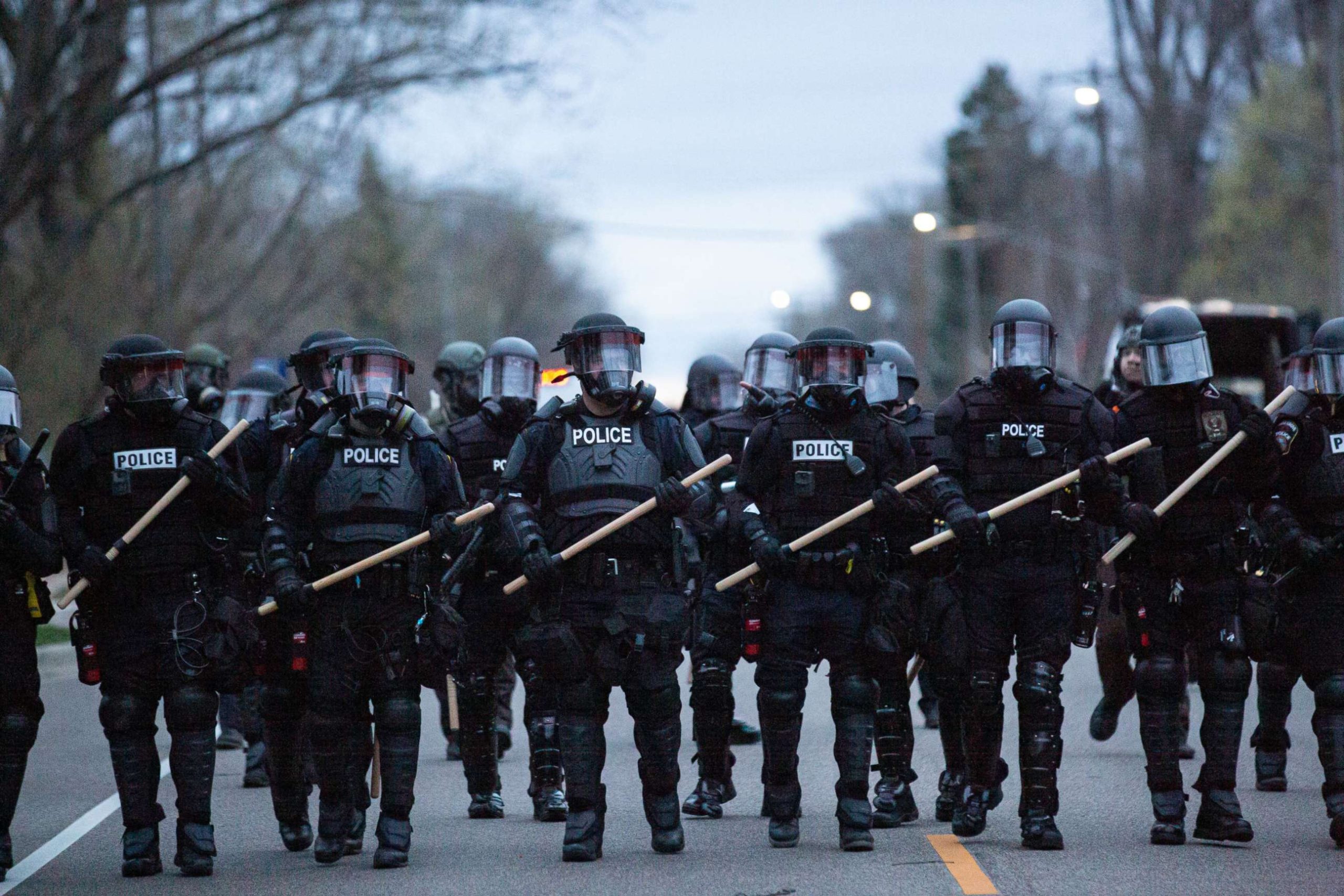
The story of why police are called 12 is really a story about how language travels.
A radio code heard on a police scanner. A TV show opening that repeated a number for seven years. A narcotics unit in Atlanta that street-level drug dealers needed to identify fast. A protest acronym that got numerically encoded. A rap group from Gwinnett County that put all of it into a song that went viral.
None of these threads was intended to create a piece of slang that would be used from Atlanta to Oslo. But language does not follow intention. It follows repetition, utility, and cultural power.
“12” survived because it was short, easy to say, easy to understand in context, and embedded in one of the most globally powerful cultural forces of the past century: American hip-hop music.
Police are called 12 most likely because of the police radio code 10-12, which signals that civilians are in the area, and the TV show Adam-12, which aired from 1968 to 1975. Both origins trace to the 1960s and the term spread through Atlanta street culture and hip-hop.
In slang, 12 means police officers or any law enforcement agent. It is used as a quick verbal warning that cops are nearby, telling others to be alert or leave the area.
The term most likely started in the 1960s through the police radio code 10-12 and the TV show Adam-12. It developed into street slang through Atlanta’s narcotics street culture and was spread nationally by hip-hop music, especially by Migos in 2013.
The police radio code 10-12 means “visitors or bystanders are present.” Officers used it to alert each other that civilians were in the area. Street communities repurposed it as a warning that police were present.
Adam-12 was a police procedural drama that aired on NBC from 1968 to 1975. It followed two LAPD officers whose patrol unit was called 1-Adam-12. The show embedded the number 12 into pop culture the same way Hawaii Five-O produced the police slang “5-0.”
It depends on context and tone. In hip-hop and everyday street culture, it is often used as a neutral term similar to “cops.” In protest settings, it carries a sharper anti-police edge. It is not illegal to use the term in the United States.
ACAB stands for All Cops Are Bastards. In numeric code, it becomes 1312. Some people shortened 1312 to “12” as protest slang. Most experts consider this a secondary or reinforcing origin rather than the primary source of the term.
Migos, an Atlanta rap group, brought “12” to national attention in 2013 through their mixtape Y.R.N. The term then spread widely during the 2014 Ferguson protests and again during the 2020 George Floyd demonstrations.
No. This theory claims 9+1+1 adds up to 12, but 9+1+1 equals 11, not 12. This explanation is completely false and has been widely debunked despite circulating heavily on social media.
Common police slang includes 5-0, pigs, the fuzz, po-po, the heat, Bobby, one-time, knockers, Johnny Law, and boys in blue. Each term has its own distinct origin, regional usage pattern, and cultural history.
Why are police called 12 does not have one single clean answer — and that is precisely what makes the story so interesting. The term draws from at least three legitimate and overlapping origins: the police radio code 10-12, the iconic TV show Adam-12, and Atlanta’s local narcotics unit culture from the 1970s and 1980s.
Each of these threads fed into the others over decades, building a piece of street slang with deep historical roots. Hip-hop then carried “12” from neighborhood shorthand into national vocabulary, and protest movements in 2014 and 2020 transformed it into a cultural statement recognized from coast to coast.
Today, “12” sits permanently alongside “5-0,” “pigs,” and “the fuzz” as part of a long American tradition of giving law enforcement unofficial names — names that always reveal more about society’s relationship with authority than they do about any radio code or television show.