
Why do my feet smell — even after washing? You are not alone. Foot odor, medically called bromodosis, is one of the most common hygiene concerns worldwide. It affects teenagers, adults, athletes, and even people with excellent hygiene habits.
The smell does not come from sweat itself. It comes from bacteria feeding on that sweat and releasing foul-smelling acids. Understanding the exact cause is the first step toward fixing it for good.
Bromodosis is the medical term for foot odor. It is a very common condition caused by a buildup of sweat and bacteria on the feet.
Your feet contain over 250,000 sweat glands — more per square inch than any other part of the body. When sweat gets trapped inside shoes and socks, bacteria thrive and produce organic acids that smell unpleasant.
The good news is bromodosis is almost always treatable at home with the right routine.
Sweat itself is odorless. The smell comes from bacteria breaking down sweat, dead skin, and oils on your feet.
Different bacteria produce different odors. Here is a quick breakdown:
| Bacteria / Organism | Smell Produced | Location |
|---|---|---|
| Brevibacteria | Sulfur / cheesy smell | Between toes, sole |
| Staphylococcus epidermidis | Isovaleric acid (sour smell) | Skin surface |
| Propionibacteria | Propionic acid (vinegar smell) | Sweat glands |
| Kyetococcus sedentarius | Volatile sulfur compounds (rotten egg) | Feet of heavy sweaters |
| Fungi (Athlete’s Foot) | Musty / yeasty smell | Between toes, under nails |
Understanding which bacteria or fungus is causing your odor helps you choose the right remedy.
Bacteria live naturally on your skin. When feet sweat inside enclosed shoes all day, bacteria multiply rapidly.
They feed on the sweat and dead skin cells, producing fatty acids and sulfur compounds that cause a foul odor. The more sweat, the more bacteria, and the worse the smell.
Hyperhidrosis is a medical condition that causes abnormally high levels of sweating even without physical activity or heat.
People with plantar hyperhidrosis (sweaty feet) create a constantly moist environment that bacteria and fungi love. This leads to persistent, severe foot odor that basic hygiene may not fully control.
Athlete’s foot is a fungal infection caused by Trichophyton rubrum. It thrives in warm, damp places like locker rooms, public showers, and sweaty shoes.
Symptoms include itching, flaking skin, redness between the toes, and a musty or cheesy odor. If untreated, it spreads and worsens foot smell significantly.
Simply rinsing feet in the shower is not enough. Water alone does not remove the bacteria colonies living between your toes and under your nails.
Without scrubbing with soap daily, dead skin builds up and becomes a food source for bacteria, creating a cycle of worsening odor.
Shoes absorb massive amounts of sweat over time. A single pair worn every day never gets a chance to fully dry out.
The damp interior becomes a breeding ground for odor-causing bacteria and fungi. Rotating two or more pairs gives each shoe 24 to 48 hours to dry completely.
Socks made from polyester or nylon trap moisture against the skin. Shoes made from plastic or synthetic materials block airflow entirely.
Cotton, merino wool, and bamboo socks absorb sweat and allow the skin to breathe. Leather or mesh shoes ventilate better than rubber or plastic ones.
Hormones directly affect how much you sweat. Teenagers going through puberty and pregnant women often experience a significant increase in sweating.
This hormonal sweat surge feeds bacteria more than usual, causing stronger and more frequent foot odor. Managing hygiene more aggressively during these periods helps control the smell.
Emotional stress triggers the body’s sweat response through the eccrine glands. Your feet, palms, and underarms are especially reactive to stress-related sweating.
During a stressful event — like an exam or job interview — your feet may sweat noticeably more, making foot odor worse even if you washed them earlier that day.
Dead skin cells accumulate on the soles, heels, and between the toes. This dead skin is a direct food source for odor-causing bacteria.
Up to 78% of people develop some form of hyperkeratosis — thickened skin from calluses and heel fissures — that traps moisture and bacteria underneath it.
Certain foods like garlic, onions, and spicy dishes contain sulfur compounds that are expelled through sweat.
Some prescription medications, including antidepressants and hormone therapies, can increase sweating as a side effect. If your foot odor worsened after starting a new medication, speak with your doctor.
Different odors can indicate different root causes. Here is a helpful guide:
| Smell | Likely Cause |
|---|---|
| Cheesy or sour | Brevibacteria or Staphylococcus bacteria |
| Vinegar-like | Propionibacterium breaking down sweat |
| Rotten eggs / sulfur | Kyetococcus sedentarius (heavy sweaters) |
| Musty or yeasty | Athlete’s foot fungal infection |
| Ammonia-like | High-protein diet combined with bacterial activity |
| Corn chip smell | Mix of common skin bacteria (very common, normal) |
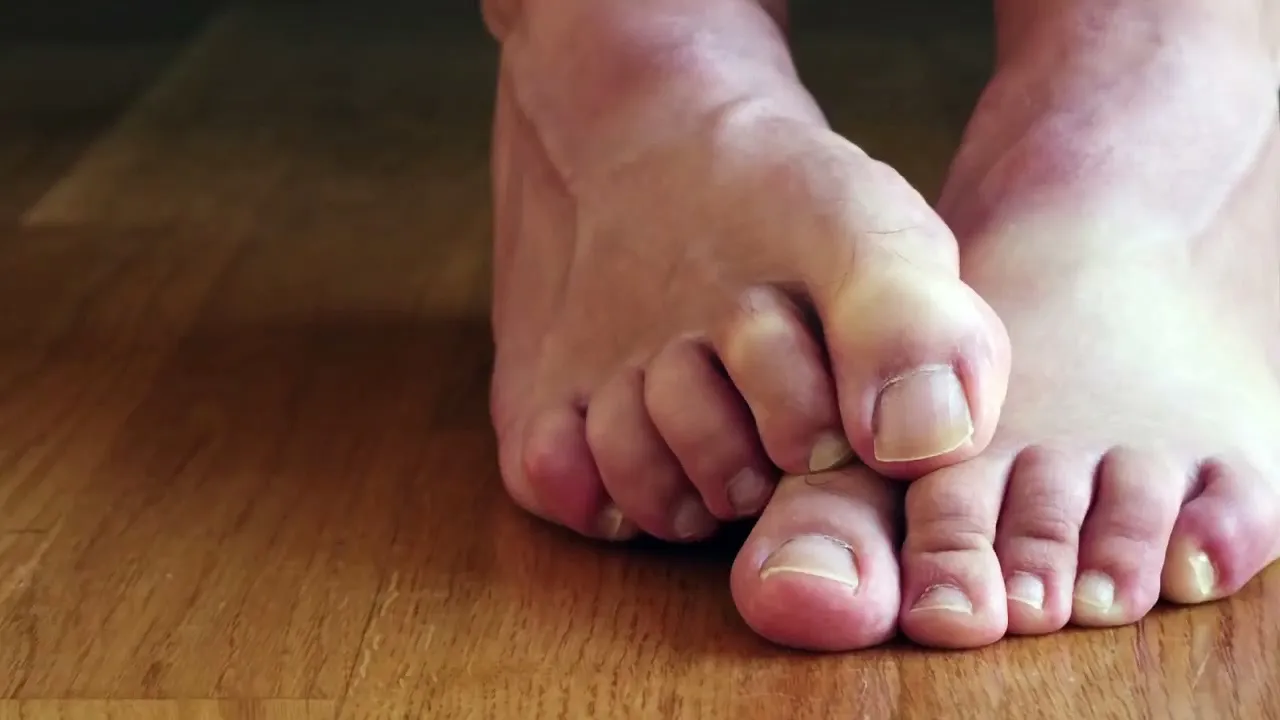
Wash your feet every single day with mild antibacterial soap. Pay close attention to the spaces between your toes — that is where bacteria concentrate the most.
Always dry your feet completely after washing, especially between the toes. Moisture left behind creates the exact conditions bacteria need to multiply.
Foot soaks are one of the most effective home treatments for smelly feet. Here are the best options:
| Soak Type | How to Prepare | Soak Time | Benefit |
|---|---|---|---|
| Epsom Salt Soak | ½ cup Epsom salt in warm water | 15–20 minutes | Draws out moisture, reduces bacteria |
| Vinegar Soak | 1 part vinegar + 2 parts warm water | 15–20 minutes | Creates acidic environment hostile to bacteria |
| Baking Soda Soak | 1 tbsp baking soda per liter of water | 15 minutes | Neutralizes odor, softens skin |
| Black Tea Soak | 2 tea bags in warm water | 20 minutes | Tannins close pores and reduce sweating |
| Salt Water Soak | 1 tsp sea salt per cup of water | 10–15 minutes | Kills surface bacteria |
Do not soak your feet if you have open wounds, sores, or active skin infections without first consulting a doctor.
Switch to moisture-wicking socks made from natural fibers. Cotton, merino wool, and bamboo are all breathable and absorb sweat away from the skin.
Change your socks at least once daily. If you sweat heavily, carry an extra pair and change them midday. Never wear the same pair of socks two days in a row without washing them.
Never wear the same shoes two days in a row. Rotating between at least two pairs gives each one enough time to fully air out and dry.
If you must wear one specific pair daily for work, use a UV shoe sanitizer or spray the insides with a disinfectant spray and let them dry completely overnight.
Sprinkle antifungal foot powder or plain baking soda inside your shoes each morning. This absorbs excess moisture before it builds up through the day.
Cornstarch is another excellent option. It is gentle, affordable, and very effective at keeping feet dry throughout the day.
Regular underarm antiperspirant works on feet too. Apply it to clean, dry feet before putting on socks.
Look for products containing aluminum chloride hexahydrate — these are the strongest over-the-counter options for reducing sweating. Apply at night for best results.
If you notice itching, flaking, or redness between your toes, treat it immediately with an over-the-counter antifungal cream, powder, or spray.
Common antifungal treatments include clotrimazole, miconazole, and terbinafine. Continue treatment for the full recommended duration even after symptoms improve to prevent recurrence.
Use a pumice stone or foot scrub once or twice a week to remove dead skin from your heels and soles. Dead skin feeds bacteria — removing it reduces their food supply.
After exfoliating, apply a urea-based moisturizer to keep the skin barrier healthy without trapping moisture. Avoid lotions with heavy fragrances as these can irritate broken skin.
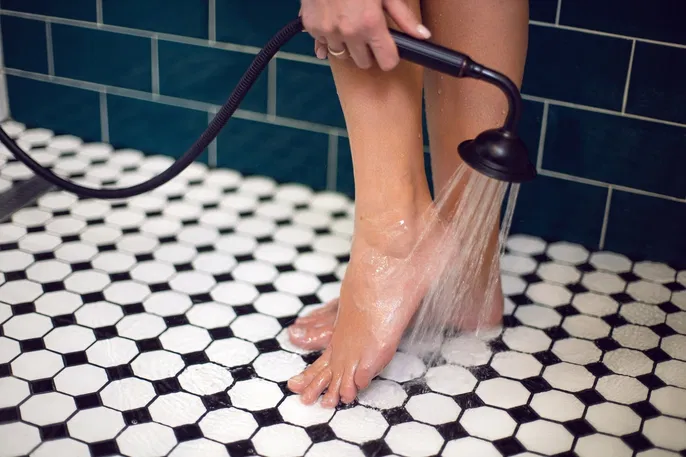
Dirt, bacteria, and fungi accumulate under toenails. Clean under them regularly with a soft nail brush during your daily wash.
Keep nails trimmed to a moderate length — not too long and not too short. Overly long nails trap debris; cutting them too short risks painful ingrown toenails.
Allow your feet to breathe by going barefoot or wearing open sandals indoors when possible. Fresh air dramatically reduces moisture and slows bacterial growth.
Airing out your feet for even one or two hours a day can make a noticeable difference in odor over time.
Tea tree oil has strong natural antimicrobial and antifungal properties. Mix a few drops with a carrier oil like coconut oil and apply to clean feet.
Do a small patch test first, as some people’s skin is sensitive to essential oils. Never apply undiluted tea tree oil directly to broken or irritated skin.
Apple cider vinegar creates an acidic environment on the skin that is hostile to odor-causing bacteria. Add one part ACV to two parts warm water and soak for 15 minutes.
It also helps balance the skin’s pH level, which can reduce bacterial overgrowth over time with consistent use.
Baking soda is a natural deodorizer that neutralizes acidic odor compounds. Sprinkle it inside shoes overnight to absorb smells, or use it in a foot soak.
You can also make a paste of baking soda and water, apply it to your feet for five minutes, and rinse off for a quick deodorizing treatment.
Activated charcoal insoles absorb odor and moisture from inside your shoes. They are inexpensive and widely available online and in pharmacies.
Replace them every few months for best results. They work best in combination with good foot hygiene rather than as a standalone fix.
Lavender oil has mild antifungal and antibacterial properties alongside a pleasant scent. Add a few drops to your foot soak or apply diluted to the soles of your feet.
It is one of the gentler essential oils and is generally well-tolerated by most skin types.
Most cases of foot odor respond well to home treatment within one to two weeks. However, there are situations where professional help is needed.
See a doctor if you notice:
A podiatrist can prescribe stronger treatments including prescription-strength antiperspirants, topical antibiotics, or antifungals. For severe hyperhidrosis, options include iontophoresis (mild electrical stimulation to block sweat glands) or Botox injections.
Preventing foot odor is much easier than treating it. Build these habits into your daily routine:
| Prevention Habit | How Often | Why It Works |
|---|---|---|
| Wash feet with soap | Daily | Removes bacteria and dead skin |
| Change socks | Daily (or twice daily) | Prevents moisture buildup |
| Rotate shoes | Every other day | Allows full drying time |
| Trim toenails | Weekly | Reduces bacteria hiding spots |
| Exfoliate feet | 1–2 times per week | Removes dead skin that feeds bacteria |
| Air out feet at home | Daily | Reduces moisture and bacterial growth |
| Apply foot powder | Daily | Absorbs sweat throughout the day |
| Deep soak feet | Weekly | Kills odor-causing bacteria |
Consistency is key. One good wash will not fix chronic foot odor. It requires daily habits maintained over weeks.
Children have fewer sweat glands on their feet than adults, which is why adult foot odor is generally worse. However, children can still develop bromodosis — especially active kids in sports shoes all day.
For children, focus on daily washing, clean socks, and breathable shoes. Avoid antifungal medications in young children without a doctor’s recommendation.
Adults over 40 may notice worsening foot odor due to hormonal changes, reduced skin elasticity, and slower skin cell turnover. A more thorough hygiene routine and weekly exfoliation become increasingly important with age.
| Footwear Type | Odor Risk | Why |
|---|---|---|
| Leather shoes | Low | Breathable, absorbs moisture |
| Mesh sneakers | Low | High airflow, dries quickly |
| Rubber/plastic shoes | Very High | No breathability, traps moisture |
| Synthetic fabric sneakers | High | Traps sweat, holds odor |
| Open sandals | Very Low | Maximum airflow |
| Boots (worn daily) | High | Enclosed, warm, minimal ventilation |
| Cotton canvas shoes | Medium | Breathable but slow to dry when wet |
If you wear boots for work, use moisture-wicking insoles and change your socks during the day when possible.
What you eat directly affects how your body smells. Foods that influence foot odor include:
Foods that worsen foot odor: Garlic, onions, red meat, spicy foods, alcohol, and refined sugar all increase bacterial activity or sulfur compounds expelled through sweat.
Foods that improve foot odor: Drinking plenty of water, eating green vegetables, consuming probiotic-rich foods like yogurt, and reducing processed sugar can all reduce bacterial overgrowth on the skin over time.
Staying hydrated also dilutes sweat, making it less of a concentrated food source for bacteria.
Why do my feet smell even after washing?
Simply rinsing feet in the shower does not scrub away bacteria colonies. You need soap, a washcloth, and thorough drying — especially between the toes.
In most cases, no. However, it can sometimes signal athlete’s foot, hyperhidrosis, or a bacterial infection that needs medical treatment.
A cheesy smell is caused by Brevibacteria and Staphylococcus epidermidis, the same bacteria used to make certain strong cheeses like Limburger.
A vinegar smell is caused by Propionibacterium breaking down your sweat and producing propionic acid as a byproduct.
Yes. Stress activates the eccrine sweat glands, causing extra sweating on your feet, which feeds more bacteria and intensifies odor.
Moisture-wicking socks made from merino wool, bamboo, or cotton are best. Avoid polyester and nylon, which trap sweat against the skin.
Yes. Baking soda neutralizes odor-causing acids and absorbs moisture. Use it in a foot soak, sprinkle it in shoes, or make a paste to apply directly.
Yes. Garlic, onions, spicy food, and alcohol contain sulfur compounds that are expelled through sweat, directly worsening foot odor.
With consistent daily hygiene, most people see a significant improvement within five to seven days. Persistent cases linked to infections may take two to four weeks.
See a doctor if odor does not improve after two weeks, if you see signs of infection, or if excessive sweating is affecting your daily life.
Why do my feet smell? The answer almost always comes down to one thing: bacteria feeding on sweat in a warm, enclosed environment.
It is a common, manageable condition that millions of people deal with every day. By washing your feet properly, rotating your footwear, wearing breathable socks, and using targeted remedies like Epsom salt soaks or antifungal treatments, you can eliminate foot odor in just a few days to weeks.
The key is consistency. Good foot hygiene is not a one-time fix — it is a daily habit. Whether you are dealing with mild odor after a long day or chronic smelly feet that embarrass you socially, the solutions are simple, affordable, and effective.
Start with the basics today and build a routine that keeps your feet fresh, healthy, and confident all year long. If home remedies do not work after two weeks, do not hesitate to consult a podiatrist for professional guidance.