
Cannabis shoppers often look for clear effects and reliable quality. Sativa strains attract attention for their uplifting and active traits. Product labels, aroma, and source all play a role in the choice. A few practical steps can make the selection easier.
Many shoppers in Colorado start by learning the origin of a strain. Green Sativa in Colorado often appears in product descriptions and menus across dispensaries. Lineage details can hint at expected aroma, flavor, and general effect. This background helps set realistic expectations before purchase.
Breeders combine parent strains to highlight certain characteristics. Some sativa-dominant varieties lean toward citrus notes, while others carry earthy tones. These traits may help improve the overall experience for different preferences. Knowledge of the strain family adds useful context during selection.
Labels usually show THC and CBD percentages along with other testing details. These numbers offer a general idea of potency and expected intensity. Higher THC levels may suit experienced consumers, while balanced ratios may feel milder and more manageable. Clear labeling supports more informed choices and helps compare products side by side.
Other compounds, such as minor cannabinoids, can appear in lab reports. These elements may influence how a strain feels overall. Terpene content often works alongside cannabinoids to shape the profile. Lab testing in Colorado helps confirm product accuracy.
Terpenes create aroma and may affect the overall feel of a strain. Common sativa-related terpenes include limonene, pinene, and terpinolene. Citrus or pine scents often signal these compounds. Aroma can guide expectations before use.
Dispensaries sometimes list terpene highlights on packaging. This detail helps match a product to personal preference. Certain terpene blends may help improve alertness or creativity. Scent and flavor form a large part of the experience.
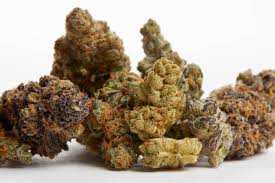
Visual cues offer clues about product care. Quality flower often shows vibrant color and visible trichomes. These crystal-like structures contain key compounds. A healthy look can suggest proper cultivation.
Texture also matters during inspection. Buds that feel slightly springy may indicate a correct moisture balance. An overly dry or damp texture may affect quality. Careful handling and storage play a role in Colorado dispensaries.
Knowledgeable staff can share useful insights about options. They often know which batches feel more energizing or balanced. This conversation helps narrow choices without guesswork. Clear questions support better recommendations.
Points to discuss may include:
These details help staff suggest suitable products. Personal feedback can guide future selections. Colorado dispensary teams often rely on customer input.
Growing methods affect final product quality and overall consistency. Indoor, greenhouse, or outdoor cultivation each has distinct traits that influence aroma, density, and appearance. Controlled environments may help maintain steady light, temperature, and humidity levels. Source transparency supports trust in what is purchased and clarifies how the plant was raised.
Local cultivation in Colorado also shapes strain availability across different regions. Regional growers often follow strict testing standards set by state guidelines. This oversight helps confirm purity, accurate labeling, and basic safety measures. Knowledge of origin, growing style, and producer reputation adds another layer to the decision process.
Green Sativa in Colorado offers a wide range of strain types, profiles, and strengths. Careful review of labels, terpene details, and cultivation source can guide a more confident selection. Staff input and visual checks add further insight. These combined steps help consumers choose a premium sativa option that aligns with personal preferences and expectations.