Jan 01, 1970
0 years old
Miriam Wilcox stands as a symbol of quiet strength and resilience in the face of overwhelming health challenges.
As the eldest daughter of renowned British broadcaster Dame Esther Rantzen and late documentary filmmaker Desmond Wilcox, Miriam was born into a world of media prominence and public service.
However, her life took an unexpected turn at age 14 when she was diagnosed with myalgic encephalomyelitis (ME/CFS), a debilitating chronic illness that would reshape her entire existence.
Unlike her siblings who pursued careers in television, Miriam chose a different path—one marked by privacy, personal recovery, and dignified silence.
Her story, though largely untold by her own voice, speaks volumes about courage, family support, and the power of choosing one’s own narrative in an age of constant public scrutiny.
| Attribute | Details |
|---|---|
| Full Name | Miriam Wilcox (born Emily Wilcox) |
| Date of Birth | 1978 |
| Age | 47 years old (as of 2026) |
| Birthplace | London, United Kingdom |
| Parents | Dame Esther Rantzen (mother), Desmond Wilcox (father, deceased 2000) |
| Siblings | Rebecca Wilcox (sister, born 1980), Joshua Wilcox (brother, born 1981) |
| Known For | Battle with ME/CFS, daughter of Esther Rantzen |
| Health Condition | Myalgic Encephalomyelitis (ME/CFS) |
| Diagnosis Age | 14 years old (1992) |
| Nationality | British |
| Marital Status | Private/Undisclosed |
| Children | No public information available |
| Education | Academically gifted; some sources mention M.S.Eng and CQE qualifications |
| Career | Private; limited public information |
| Public Profile | Extremely private, rare public appearances |
| Spiritual Practice | Kabbalah |

Miriam Wilcox is the eldest daughter of Dame Esther Rantzen and the late Desmond Wilcox. She was originally named Emily at birth but later changed her name to Miriam.
Born in 1978, she grew up in one of Britain’s most prominent media families. Her mother founded ChildLine and became a household name through the BBC program “That’s Life!”
Her father was an award-winning documentary filmmaker known for compelling human interest stories. The Wilcox family represented excellence in British broadcasting and charitable work.
Miriam’s life trajectory changed dramatically during adolescence. What began as a bright academic future was interrupted by severe chronic illness.
She is now 47 years old and has spent over three decades navigating life with ME/CFS. Her story is one of survival, adaptation, and remarkable personal strength.
Unlike her siblings who followed their parents into television careers, Miriam chose privacy. This decision has protected her dignity while allowing her to focus on health and recovery.
Miriam Wilcox was born in London in 1978 to parents already established in media. Her early childhood was filled with creativity, storytelling, and public service values.
Her mother, Esther Rantzen, was building her reputation as a fearless journalist. Esther’s work on “That’s Life!” brought consumer advocacy and social issues to millions of viewers.
Her father, Desmond Wilcox, was a respected documentary producer and filmmaker. He received the prestigious Grierson Lifetime Achievement Award for his contribution to documentary filmmaking.
Growing up, Miriam experienced an unconventional but loving household. Dinner parties included celebrities, artists, and influential public figures who became extended family.
She shared her childhood with younger siblings Rebecca and Joshua. The three children grew up understanding both privilege and responsibility that came with their family name.
Miriam was academically gifted and showed promise in her studies. Teachers recognized her intelligence, sensitivity, and potential for future success.
Her early years were marked by normal childhood experiences despite famous parents. The family maintained privacy boundaries while being in the public eye.
The Wilcox household valued education, creativity, and social responsibility. These principles shaped all three children, though they expressed them differently in adulthood.
Dame Esther Rantzen is one of Britain’s most respected broadcasters and social campaigners. Born June 22, 1940, she revolutionized consumer journalism through her work.
Her 21-year tenure presenting “That’s Life!” made her a television icon. The program tackled everything from faulty products to serious social issues with humor and heart.
Esther founded ChildLine in 1986, creating the UK’s first national helpline for children. This achievement alone has impacted millions of young lives over nearly four decades.
She also established The Silver Line in 2012 to combat loneliness among elderly people. Her charitable work earned her OBE, CBE, and ultimately Dame status.
Desmond Wilcox was born in 1931 and became one of British television’s pioneering documentary makers. His work combined emotional depth with journalistic integrity and creative storytelling.
He produced award-winning documentaries that captured human experiences with compassion. His career spanned decades and influenced generations of documentary filmmakers.
Esther and Desmond’s relationship began as a workplace affair in 1968. After several complicated years, they married in December 1977 when Esther became pregnant.
Their 23-year marriage was marked by creative collaboration and mutual respect. Desmond passed away in September 2000 from a heart attack, leaving Esther to raise their family alone.
Both parents instilled strong values in their children regarding public service and compassion. Their influence shaped Miriam’s character even as illness limited her public participation.
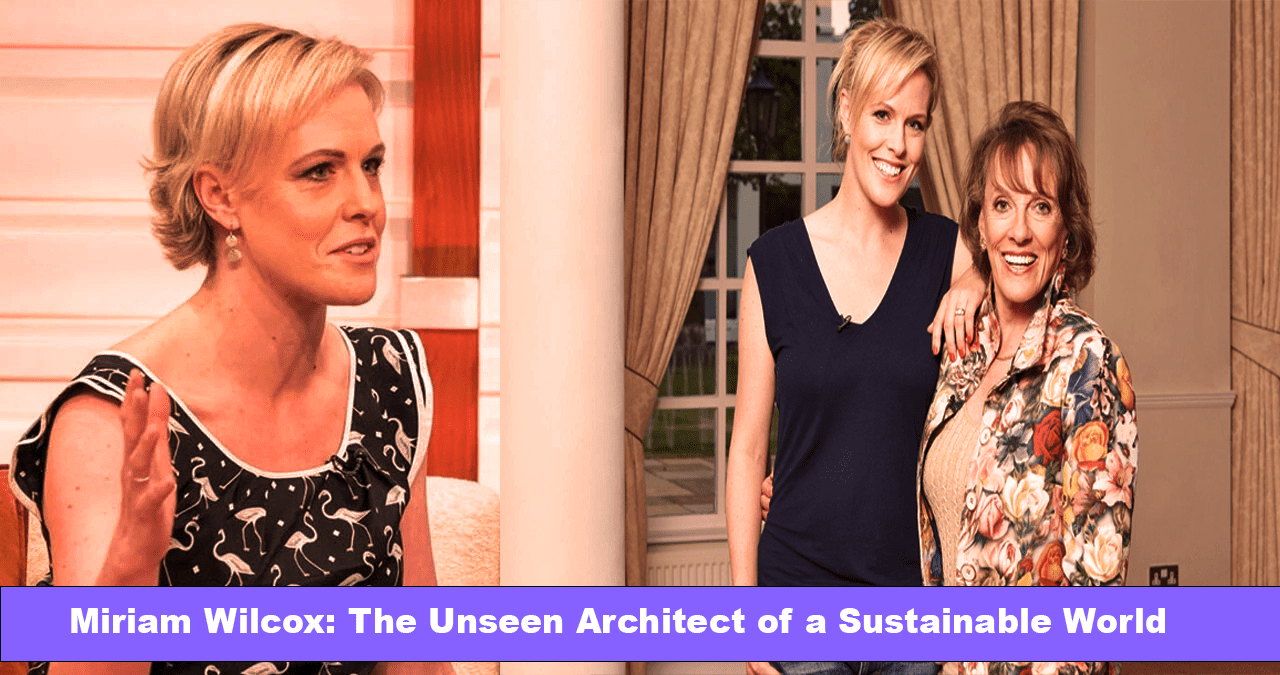
Rebecca Wilcox, born January 10, 1980, is Miriam’s younger sister. She followed her parents into broadcasting and became a successful television presenter.
Rebecca graduated from Somerville College, Oxford, with a degree in English Language and Literature. She started as a researcher before moving into on-camera presenting roles.
She co-presents BBC’s “Watchdog” and has worked on various other programs. Rebecca married auditor James “Jim” Moss in September 2009 and has two sons.
In 2024, Rebecca became Deputy President of ChildLine, preparing to succeed her mother. She has trained as a volunteer counselor to better understand the organization’s mission.
Joshua Wilcox, born in 1981, is the youngest of the three siblings. He chose a medical career and works as a physician in London.
Joshua has maintained the most privacy among the siblings. Limited public information exists about his personal or professional life beyond his medical work.
The three siblings share close bonds despite their different life paths. They regularly support each other and their mother through various family challenges.
Rebecca has spoken publicly about the family’s experiences with Miriam’s illness. She credits these challenges with strengthening family unity and compassion.
All three siblings are now navigating their mother’s terminal cancer diagnosis together. This shared experience has brought them even closer during difficult times.
When Miriam Wilcox was 14 years old, her life changed forever. What initially appeared as glandular fever evolved into something far more serious.
She was diagnosed with myalgic encephalomyelitis, commonly known as ME or chronic fatigue syndrome. This neurological condition would dominate the next decades of her life.
ME/CFS is characterized by severe, disabling fatigue that doesn’t improve with rest. Patients often experience pain, cognitive difficulties, and post-exertional malaise.
At the time of Miriam’s diagnosis in the early 1990s, medical understanding was limited. Many doctors dismissed ME as psychological or even imaginary.
The illness struck during crucial teenage years when peers were planning futures. Miriam’s academic promise and social development were suddenly interrupted.
Her condition was severe enough to leave her largely bedridden. Simple activities that others took for granted became impossible challenges.
The diagnosis devastated the entire Wilcox family. Parents who could advocate publicly for others felt helpless watching their daughter suffer.
Esther Rantzen later described Miriam’s illness as a “sticky web that slowly paralysed her.” This vivid metaphor captured the progressive, entrapping nature of ME/CFS.
The lack of effective treatments or even medical recognition made the situation worse. Families like the Wilcoxes faced not just illness but also skepticism and isolation.
ME/CFS transformed every aspect of Miriam Wilcox’s daily existence. The condition brought severe physical limitations that redefined what “normal” meant for her.
She experienced crushing fatigue that made even basic self-care exhausting. Tasks like showering, dressing, or eating required careful energy management.
Cognitive symptoms known as “brain fog” affected her ability to concentrate and think clearly. Reading, watching television, or holding conversations became challenging.
Pain was a constant companion, affecting muscles, joints, and various body systems. Sleep disturbances meant she rarely felt rested despite spending much time in bed.
The illness kept her confined to home for extended periods. Social isolation compounded the physical suffering, cutting her off from peer relationships.
Her condition was unpredictable, with good days and terrible days. Planning anything became impossible when energy levels fluctuated without warning.
Post-exertional malaise meant that any activity could trigger severe worsening of symptoms. Even minor exertions could lead to days or weeks of increased debilitation.
The invisible nature of ME/CFS added another layer of difficulty. People couldn’t see her suffering, leading to misunderstanding and lack of support.
Miriam faced her illness largely outside public view. She chose not to become a poster child for the condition despite opportunities through her mother’s platform.
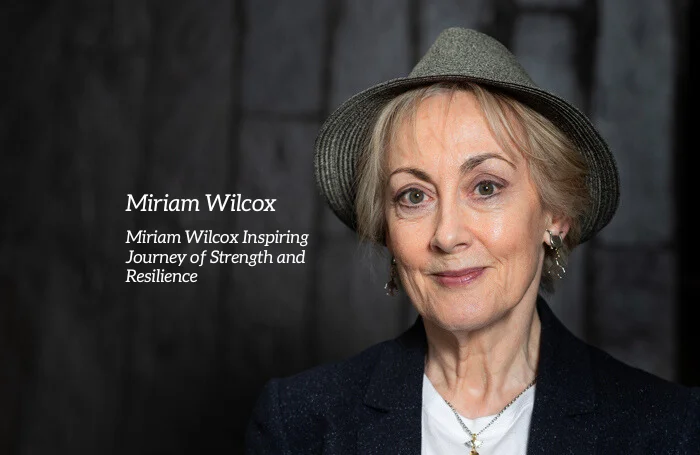
Esther Rantzen used her public platform to raise awareness about ME/CFS. Watching her daughter suffer galvanized her into action on behalf of all patients.
She spoke openly in interviews about Miriam’s condition and its devastating impact. This publicity helped legitimize an illness many still dismissed as psychological.
Esther’s advocacy contributed to increased research funding for ME/CFS. Her celebrity status brought attention that individual patients couldn’t achieve alone.
She challenged medical professionals who dismissed or minimized the condition. Her efforts helped shift conversations within the healthcare establishment.
Through media appearances and campaigns, Esther educated the public about invisible illnesses. She highlighted how devastating chronic conditions could be for young people.
Her work helped create support networks and resources for ME/CFS patients. Families facing similar challenges found validation and practical assistance.
Esther balanced advocating publicly while protecting Miriam’s privacy. She shared enough to raise awareness without exploiting her daughter’s suffering.
The advocacy work showed Esther’s dual nature as both public campaigner and protective mother. She fought systemic battles while supporting her daughter personally.
Miriam became an inadvertent symbol of ME/CFS struggles through her mother’s work. Yet she maintained personal agency by choosing to remain privately out of the spotlight.
Recovery for Miriam Wilcox did not follow a linear path. Progress came in tiny increments measured over years rather than weeks or months.
She gradually moved from being completely bedridden to using a wheelchair. This transition represented months or years of effort and small victories.
Eventually, she progressed to walking with assistance. Each physical milestone was accompanied by emotional triumph and renewed hope.
The recovery timeline spanned decades rather than years. Patience became essential as improvement occurred at an agonizingly slow pace.
Good days provided hope while setbacks tested resilience and determination. Managing expectations became crucial for mental health and continued progress.
Her recovery required tremendous discipline in pacing activities. Learning to balance rest and activity without triggering relapses took years of trial and error.
Emotional and psychological recovery paralleled physical improvements. Reclaiming identity beyond illness required conscious effort and support.
Family support proved crucial throughout the recovery process. Esther and her siblings provided encouragement during the darkest moments.
Miriam’s recovery demonstrates that improvement is possible even with severe ME/CFS. However, it also highlights the reality that full recovery may not always occur.
Miriam Wilcox made a conscious decision to live privately despite family prominence. This choice reflects strength and self-awareness rather than hiding or shame.
Unlike her siblings who embraced public careers, Miriam chose a different path. Her decision to avoid the spotlight was deliberate and deserving of respect.
She has made only handful of public appearances over the years. These were typically connected to family events or her mother’s charitable causes.
Her absence from social media and public platforms is notable in our current era. She maintains complete control over her personal narrative by sharing nothing publicly.
Privacy allows her to focus on health and wellbeing without external pressure. She doesn’t owe the public explanations or updates simply because of her parentage.
This boundary-setting demonstrates maturity and clear personal values. Miriam chose quality of life over potential fame or public sympathy.
Her private life stands in contrast to modern expectations of constant sharing. She proves that meaningful existence doesn’t require public documentation.
Photos of Miriam rarely appear in media coverage. When they do, she’s typically in the background at family gatherings, never center stage.
Her choice to remain private has been consistently respected by her family. They protect her boundaries while managing their own public profiles.

One of the most frequently asked questions about Miriam Wilcox concerns her marital status. As of 2026, there is no confirmed public information about whether she is married.
She has maintained complete privacy regarding romantic relationships throughout her life. No interviews, public records, or family statements address this aspect of her personal life.
It’s entirely possible that Miriam is married privately. However, nothing has been publicly verified or announced by her or her family.
Her health challenges may have influenced decisions about relationships and partnerships. Managing a chronic illness creates unique considerations for romantic involvement.
The demands of severe ME/CFS during crucial young adult years likely impacted dating opportunities. Energy limitations and social isolation made conventional relationship building difficult.
Some sources speculate about possible relationships, but these remain unconfirmed rumors. Respecting her privacy means accepting that this information may never become public.
Her siblings have married and built families publicly documented in media. Rebecca’s marriage to Jim Moss and their two sons are well-known facts.
Miriam’s choice to keep relationships private contrasts with her siblings’ openness. Each family member has the right to determine their own comfort level with public sharing.
Whether single, married, or in a relationship, Miriam deserves privacy in this deeply personal area. Her relationship status doesn’t define her value or the significance of her story.
Similar to questions about marriage, many wonder whether Miriam Wilcox has children. Currently, there is no confirmed public information indicating that she has any children.
The absence of information doesn’t confirm she is childless. She may have chosen to keep children completely out of public view if they exist.
Her health journey may have influenced family planning decisions. The physical demands of pregnancy and childcare could be challenging with severe ME/CFS.
Some women with ME/CFS choose not to have children due to health concerns. Others successfully navigate motherhood despite chronic illness with appropriate support.
Miriam’s decision regarding children, whatever it may be, is entirely personal. She doesn’t owe anyone explanations about such intimate life choices.
Her mother Esther has five grandchildren from Rebecca and Joshua. These grandchildren bring joy to the family and continue the Wilcox legacy.
If Miriam has chosen not to have children, this is equally valid. Fulfillment and meaning don’t require traditional family structures or parenting roles.
Her impact on ME/CFS awareness through her mother’s advocacy affects many families. This indirect influence touches countless lives regardless of her personal family status.
Whatever her family situation, Miriam maintains close relationships with her siblings and mother. These bonds provide love, support, and connection throughout her life.
Before her illness, Miriam Wilcox showed exceptional academic promise. Teachers and family recognized her intelligence and potential for future success.
Her formal education was disrupted when ME/CFS struck at age 14. Traditional schooling became impossible as her condition worsened and confined her to bed.
Despite these challenges, some sources suggest she eventually pursued higher education. References to an M.S.Eng degree and CQE certification appear in limited sources.
If accurate, these qualifications suggest engineering focus and quality control expertise. Achieving such credentials while managing chronic illness demonstrates remarkable determination.
However, specific details about her educational journey remain scarce and unverified. The lack of information may reflect her commitment to privacy.
Her career path is similarly private and largely undocumented publicly. Unlike her siblings’ visible media careers, Miriam’s professional life remains unknown.
Some sources mention involvement in medical device safety and compliance work. If true, this would represent meaningful contribution to healthcare improvement.
Whether she pursued traditional career paths or found alternative ways to contribute is unclear. Chronic illness often requires non-traditional approaches to work and purpose.
Her achievements may be measured differently than conventional career success. Survival, recovery, and personal growth represent significant accomplishments given her challenges.
Miriam Wilcox has explored spiritual practices including Kabbalah. This ancient Jewish mystical tradition offers paths to understanding life’s deeper meanings.
Kabbalah emphasizes personal spiritual development and connection to divine wisdom. Its teachings may have provided comfort and framework during her health struggles.
Her engagement with spirituality highlights her thoughtful, seeking nature. Finding meaning beyond physical suffering required inner resources and philosophical foundations.
Spiritual practice can be particularly important for those facing chronic illness. It provides hope, purpose, and community when physical limitations create isolation.
Whether Kabbalah remains central to her life or was a phase of exploration is unknown. Her private nature extends to spiritual beliefs and practices.
Beyond spirituality, her other interests and hobbies remain largely undocumented. The family has protected these details as part of respecting her privacy.
Chronic illness often reshapes how people spend time and find enjoyment. Activities must be adapted to energy limitations and physical capabilities.
Reading, gentle creative pursuits, or quiet contemplation may be preferred activities. These can be managed within energy constraints while providing fulfillment.
Her personal interests, whatever they may be, contribute to her quality of life. They provide joy and meaning beyond the identity of “chronic illness patient.”
Miriam Wilcox has made only rare public appearances throughout her life. These moments are few and deliberately chosen, reflecting her privacy values.
Most appearances connect to her mother’s charitable work or awareness campaigns. She has occasionally supported causes related to ME/CFS understanding and research.
Media coverage of Miriam typically occurs in context of her mother’s story. Articles about Esther Rantzen’s life often mention Miriam’s illness and its impact.
Photos of Miriam are scarce and usually show her at family gatherings. She appears in the background rather than as the focus of attention.
Her absence from social media is complete and intentional. She has no public Instagram, Twitter, Facebook, or other social platform accounts.
This digital absence is unusual in 2026 but represents conscious choice. She has opted out of the constant connectivity that defines modern life.
When Esther Rantzen announced her terminal cancer diagnosis, Miriam’s support was mentioned. However, she did not personally speak to media or make statements.
The family’s recent navigation of Esther’s illness has brought Miriam’s name into news. Coverage respects her privacy while acknowledging her role as devoted daughter.
Her limited public presence makes her more intriguing to some observers. However, curiosity doesn’t create an obligation to share more than she chooses.
The bond between Miriam Wilcox and her mother Esther is profound and multifaceted. Shared experiences of illness struggles created unique understanding between them.
Esther’s advocacy work was directly inspired by watching Miriam suffer. This transformed personal tragedy into public good for countless ME/CFS patients.
Their relationship involves both typical mother-daughter dynamics and role reversals. Esther provided care while Miriam required extensive support through difficult years.
Now, with Esther facing terminal lung cancer, roles have shifted again. Miriam supports her mother through this final health challenge alongside her siblings.
Esther’s decision to join Dignitas and pursue assisted dying affects all her children. Miriam must navigate complicated emotions about potentially losing her mother prematurely.
The family faces the possibility of Esther traveling to Switzerland for assisted death. This creates difficult decisions about accompanying her and legal consequences.
Throughout everything, mutual respect and deep love characterize their relationship. Esther has protected Miriam’s privacy while sharing enough to help others.
Miriam has allowed her story to be told through her mother’s advocacy. This suggests trust in Esther’s judgment about balancing privacy and public good.
Their relationship demonstrates how chronic illness affects entire families, not just patients. Caregivers and loved ones experience their own versions of suffering and triumph.
Miriam shares close bonds with both her younger siblings despite very different life paths. The three Wilcox children support each other through family challenges.
Rebecca has spoken publicly about growing up with Miriam’s illness. She credits these experiences with developing empathy and appreciation for health.
The sisters maintain connection despite Rebecca’s public career and Miriam’s private life. Family loyalty transcends differences in public profiles and career choices.
Joshua’s medical career may have been influenced by Miriam’s health struggles. Growing up witnessing chronic illness could inspire interest in healing professions.
The siblings experienced their father’s death in 2000 together. This shared loss strengthened bonds during their young adulthood.
They now face their mother’s terminal cancer as a united front. All three children support Esther while managing their own grief and complicated emotions.
Family gatherings reportedly include all three siblings when possible. These moments provide connection and continuity despite busy lives and health challenges.
Rebecca’s sons know their Aunt Miriam, though details of their relationship remain private. Extended family connections exist even when not publicly documented.
The sibling relationship demonstrates that family bonds transcend public recognition or career success. Love and support matter more than fame or conventional achievement.
Desmond Wilcox passed away in September 2000 at age 69. His death from a heart attack occurred at St. Mary’s Hospital in London.
He left behind a remarkable legacy in documentary filmmaking. His work influenced the genre and inspired generations of storytellers.
Desmond received the prestigious Grierson Lifetime Achievement Award in 2001 posthumously. This recognized his extraordinary contribution to documentary television.
His approach combined journalistic rigor with emotional storytelling. He captured human experiences with compassion and technical excellence.
For Miriam, losing her father at age 22 was devastating. She had already faced years of illness and now lost a parent during young adulthood.
Desmond had supported her through the difficult early years of ME/CFS. His death removed an important source of emotional support and understanding.
His legacy lives on through his children’s lives and choices. All three absorbed lessons about storytelling, empathy, and public service.
Miriam carries his influence even in her private life. The values he instilled continue guiding her choices and character.
Esther has spoken about losing her husband, mother, and dog in close succession. She noted that the dog had the most humane death, inspiring her assisted dying advocacy.
As of 2026, Miriam Wilcox is 47 years old. She continues living privately, away from media attention and public scrutiny.
Her current health status with ME/CFS is not publicly documented. The condition varies greatly among individuals and over time.
She may have achieved significant recovery or may still manage ongoing symptoms. Without her own statements, assumptions would be inappropriate and disrespectful.
Her geographic location remains private, though she likely lives in the UK. Proximity to family, especially during her mother’s illness, seems probable.
The family is currently focused on supporting Esther through terminal cancer. Miriam’s role as devoted daughter takes precedence during this difficult time.
Esther’s decision to join Dignitas affects all her children profoundly. Miriam must process the potential of her mother choosing assisted death.
This family crisis occurs against backdrop of decades spent managing chronic illness. The Wilcox family has faced more than their share of health challenges.
Miriam’s daily life likely involves careful energy management and self-care. Living well with chronic illness requires ongoing attention and adaptation.
She maintains relationships with family and presumably close friends. Quality connections matter more than quantity when energy is limited.
Whatever her current circumstances, Miriam deserves respect for her choices. Her life has value and meaning regardless of public documentation or achievement.
Through her mother’s advocacy, Miriam Wilcox indirectly influenced ME/CFS awareness significantly. Her suffering catalyzed Esther’s campaign for recognition and research funding.
Esther’s public platform brought attention to a condition previously dismissed or ignored. Medical professionals and policymakers began taking ME/CFS more seriously.
Increased research funding followed greater awareness and legitimization. Scientists could study the condition with resources previously unavailable.
Patient support networks grew as more people understood they weren’t alone. Families dealing with ME/CFS found validation and practical resources.
The conversation around invisible illnesses expanded beyond ME/CFS specifically. Miriam’s story helped people understand all chronic conditions more compassionately.
Her choice to remain private while allowing advocacy showed dignified approach. Patients don’t owe the world their stories to deserve recognition and help.
The impact demonstrates how one person’s experience can create ripples of change. Miriam never sought to be an advocate, yet her life influenced thousands.
Her legacy in the ME/CFS community exists whether or not she actively participates. Simply living with the condition with grace creates meaning and impact.
Future ME/CFS patients benefit from the awareness her family’s advocacy created. Research, funding, and medical recognition continue improving over time.
Being Esther Rantzen’s daughter comes with unique pressures and expectations. The public assumes they know you based on your parent’s celebrity.
Miriam grew up with a mother who was a household name. Family life included recognition everywhere they went and constant public interest.
Her siblings chose to leverage family connections into their own media careers. Rebecca particularly embraced the broadcasting world like her parents.
Miriam’s decision to step away from this legacy shows independent thinking. She refused to let family fame dictate her path or choices.
The pressure to be inspirational or public about illness must have been intense. Many would have expected her to become a spokesperson or campaigner.
Her refusal to do so demonstrates autonomy and self-determination. She chose her own relationship with illness and public life.
Family fame can be both resource and burden. Access to medical care and support came easier, but privacy became nearly impossible.
Growing up Wilcox meant understanding public service and giving back. However, service takes many forms, not all of them public.
Miriam shows that you can honor family values while creating your own path. Legacy doesn’t require publicity or following in exact footsteps.
Miriam Wilcox’s life offers profound lessons about resilience and personal choice. Her journey demonstrates strength that doesn’t require public recognition.
Chronic illness can strike anyone, even those with privilege and resources. Health challenges don’t discriminate based on family status or opportunities.
Recovery is possible but not guaranteed or linear. Patience and realistic expectations become essential for mental and emotional wellbeing.
Privacy is a valid choice even when publicity could help others. Personal boundaries deserve respect regardless of potential public good.
Family support proves crucial during long-term health challenges. The Wilcox family’s unity helped Miriam survive her most difficult years.
You don’t need public platforms to make a difference. Indirect influence through others’ advocacy can create significant positive change.
Siblings can take vastly different paths and still maintain close bonds. Love transcends differences in lifestyle, career, and public profile.
Living well with limitation requires acceptance and adaptation. Miriam found meaning and purpose despite constraints most people can’t imagine.
Dignity can be maintained in any circumstance through personal choices. How we respond to challenges defines us more than the challenges themselves.
The Wilcox family faces one of their most difficult chapters in 2026. Esther Rantzen’s terminal lung cancer diagnosis has united the family in grief and support.
Esther has been remarkably open about her condition and mortality. She has joined Dignitas and advocates publicly for assisted dying rights.
Rebecca serves as Deputy President of ChildLine, preparing to succeed her mother. She balances this responsibility with her own family and supporting Esther.
Joshua continues his medical work while supporting his mother. His expertise may provide both professional and personal perspective during this time.
Miriam’s role during her mother’s illness remains private but undoubtedly significant. She has spent decades being cared for and now can provide support in return.
The family includes five grandchildren who bring joy during difficult times. These younger generation members represent hope and continuation of family legacy.
Esther has expressed wanting to spend quality time with her children and grandchildren. These relationships provide meaning and motivation during her final chapter.
The family must navigate complex emotions about Esther’s assisted dying plans. Supporting her choice while facing potential legal consequences creates impossible dilemmas.
Through it all, the Wilcox family demonstrates love, loyalty, and respect. They face challenges together while honoring individual needs and choices.
Miriam Wilcox is the eldest daughter of Dame Esther Rantzen and late filmmaker Desmond Wilcox. She’s known for her battle with ME/CFS since age 14 and choosing private life despite family fame.
Miriam Wilcox has myalgic encephalomyelitis (ME/CFS), also called chronic fatigue syndrome. She was diagnosed at 14 years old after what began as glandular fever, and has managed this debilitating neurological condition for over 30 years.
Miriam Wilcox was born in 1978, making her 47 or 48 years old in 2026. She is the eldest of three children born to Esther Rantzen and Desmond Wilcox.
Miriam Wilcox’s marital status and whether she has children remain private and unconfirmed. She maintains strict privacy about her personal relationships and has never publicly shared this information.
Miriam shares a deep bond with her mother Esther, who became an advocate for ME/CFS awareness after witnessing Miriam’s suffering. They now navigate Esther’s terminal cancer together, with roles somewhat reversed as Miriam provides support.
Miriam was born Emily Wilcox but changed her name to Miriam. The specific reasons for this name change have not been publicly disclosed, respecting her privacy choices.
Rebecca Wilcox is a BBC television presenter and Deputy President of ChildLine, while Joshua Wilcox works as a physician in London. Both siblings have maintained closer public profiles than Miriam.
Miriam Wilcox made gradual progress over decades, moving from bedridden to wheelchair to walking with assistance. Her current health status is private, as ME/CFS recovery varies greatly and complete recovery isn’t always possible.
Miriam chose privacy to focus on health, wellbeing, and living life on her own terms. This conscious decision demonstrates strength and autonomy rather than hiding, allowing her to reclaim narrative control.
While remaining private herself, Miriam’s experience inspired her mother Esther’s advocacy work. This indirectly increased research funding, medical recognition, and public understanding of ME/CFS significantly, helping thousands of patients.
Miriam Wilcox’s story is one of quiet courage and dignified resilience in the face of overwhelming challenges. Born into a family of prominent broadcasters and public servants, she could have chosen to leverage that platform for personal recognition.
Instead, she made the brave decision to live privately, focusing on health, recovery, and personal wellbeing rather than public sympathy or fame. Her 30-plus year journey with ME/CFS has been marked by gradual progress, tremendous patience, and unwavering family support.
Through her mother Esther Rantzen’s advocacy, Miriam has indirectly contributed to increased awareness and understanding of chronic invisible illnesses, improving lives for countless patients.
Now at 47 years old, she stands as an example that strength doesn’t always require a public voice, and that choosing privacy in an age of constant sharing is its own form of courage.
Macron wife age difference is approximately 24 years, with Brigitte...

The most beautiful porn stars of 2026 are redefining beauty...