
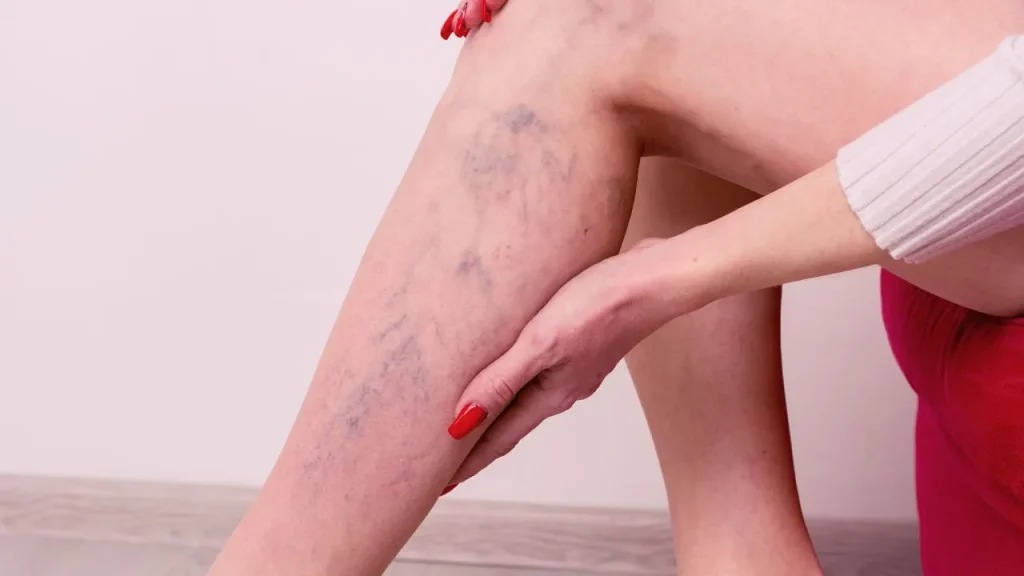
Spider veins are a common cosmetic concern that many people face, often appearing as small, web-like structures on the skin’s surface. While they are generally harmless, they can cause self-consciousness and discomfort. At Metro Vein Center, we understand the importance of finding effective and suitable treatment options tailored to each individual’s needs.
In this text, we’ll explore various treatment methods for spider veins, helping you make a well-informed choice about your options.
Spider veins, medically known as telangiectasia, are small, dilated blood vessels that are close to the skin’s surface. They are often red, blue, or purple in color and can appear in clusters that resemble spider webs or tree branches. While primarily a cosmetic issue, they can sometimes cause itching or discomfort.
Understanding what leads to the development of spider veins can help us minimize their appearance. Common causes include:
Before seeking professional treatment, exploring lifestyle changes and home remedies can be beneficial. These include:
Compression stockings are designed to apply pressure to the legs, promoting blood circulation. They can be an effective non-invasive option, especially for those who experience discomfort or swelling due to spider veins. Available in various styles and compression levels, they can be easily integrated into our daily routine.
One of the most popular treatments for spider veins is sclerotherapy, which involves injecting a solution directly into the affected veins. This solution irritates the blood vessel lining, causing it to collapse and fade from view. Patients generally see significant improvement within weeks, and multiple sessions may be necessary for optimal results.
Laser therapy is another effective option for treating spider veins. This method utilizes focused light beams to target and destroy the vein without damaging surrounding tissue. It is particularly beneficial for smaller veins and can be performed quickly with minimal downtime.
Radiofrequency ablation is a minimally invasive technique that uses thermal energy to close off larger veins. While typically utilized for varicose veins, it can also be effective for some spider veins. The recovery time is minimal, making it an appealing option for many patients.
In rare cases where spider veins are symptomatic or associated with other venous conditions, surgical intervention or vein grafting may be recommended. This involves removing the problematic veins, which can provide immediate relief for the patient.
Choosing the appropriate treatment for spider veins often begins with consulting a specialist. A qualified healthcare professional will assess our condition and discuss the best options tailored to our needs and preferences. During this evaluation, we can expect to review our medical history, symptoms, and lifestyle for a comprehensive understanding.
When deciding which treatment is right for us, several factors come into play:
To conclude, spider veins are a common issue that many of us face, but fortunately, numerous treatment options are available. From conservative measures like lifestyle changes and compression stockings to advanced medical treatments such as sclerotherapy and laser therapy, we have several pathways to explore. Eventually, the best course of action begins with a consultation with a specialist who can guide us through our options based on our unique needs. By understanding our choices, we can take proactive steps toward healthier, clearer skin.