
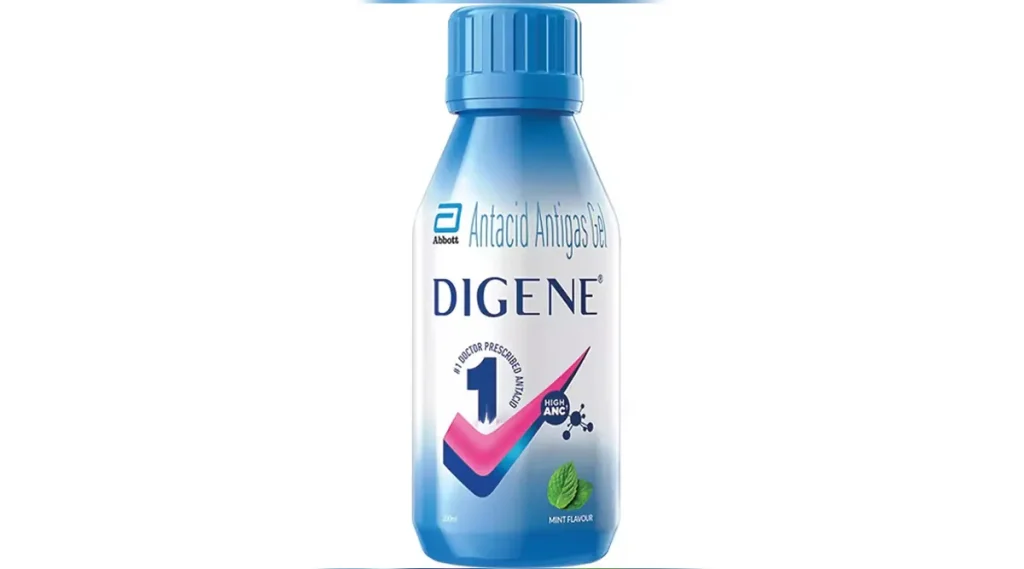
For millions of Indians, heartburn and acidity are as common as a cup of tea. Late dinners, festive indulgences, and spicy food are part of our culture — but they also contribute to digestive discomfort. During winter, digestion slows naturally as the body conserves energy, leading to frequent acidity, bloating, and reflux. Thankfully, medicines like Gelusil, Digene, and Pantocid can help. However, not all antacids are the same. Understanding which one to use — and when to see a doctor — is key to managing acidity safely and effectively.
Acidity occurs when stomach acid escapes the stomach and irritates the lining of the oesophagus. This results in the burning sensation known as heartburn. Over time, frequent acidity can lead to GERD (Gastroesophageal Reflux Disease), a chronic condition requiring long-term management. Common triggers include overeating, lying down after meals, smoking, excessive coffee, alcohol, and prolonged fasting.
In India, winter adds another dimension. We eat richer foods, sleep later, and are less active — all of which slow digestion and increase acid reflux risk.
Antacids like Gelusil and Digene offer quick, short-term relief by neutralising stomach acid. They act within minutes and help relieve symptoms like burning, heaviness, and gas. These are suitable for occasional discomfort after meals or heavy eating.
Pantocid, on the other hand, belongs to the proton pump inhibitor (PPI) class. It reduces acid production at the source and provides longer-lasting control. PPIs are preferred when acidity is frequent or when diagnosed GERD requires daily prevention.
Pharmacists can guide patients based on symptom pattern, frequency, and lifestyle:
For mild or occasional acidity:
For persistent acidity or GERD:
Pharmacists should explain that PPIs are not for instant relief; they require consistent use for several days to show full effect.
Pharmacists are often the first point of contact for acidity complaints. Effective counselling helps patients avoid misuse.
Key points to communicate include:
Patients often misunderstand acidity as a simple nuisance, leading to improper medicine use. Common mistakes include:
Pharmacists should gently correct these errors to ensure safe and effective treatment.
Medicines work best when combined with simple lifestyle adjustments:
In India’s winter months, digestion slows down. Consuming warm, easily digestible foods like khichdi, soup, and herbal teas can help prevent acid build-up.
Pharmacists should educate patients that recurring acidity may indicate an underlying condition such as gastritis or GERD. Immediate medical consultation is needed if:
These could signal ulcers, infections, or cardiac issues requiring further evaluation.
Pharmacies like Apollo Pharmacy serve as the first line of digestive care for countless Indians. By recommending appropriate antacids, ensuring correct dosing, and recognising red flags, pharmacists help reduce complications. Apollo’s trained pharmacists can differentiate between short-term acidity and long-term reflux, guiding patients toward appropriate treatment and lifestyle modifications.
Antacids such as Gelusil and Digene offer quick comfort for occasional acidity, while PPIs like Pantocid manage chronic reflux effectively. The difference lies in duration, purpose, and usage. Pharmacists play a vital role in bridging this understanding, ensuring that patients use each medicine appropriately.
With proper lifestyle management, professional guidance, and access to authentic medicines through Apollo Pharmacy, acidity can be managed effectively — without overdependence on quick fixes.