
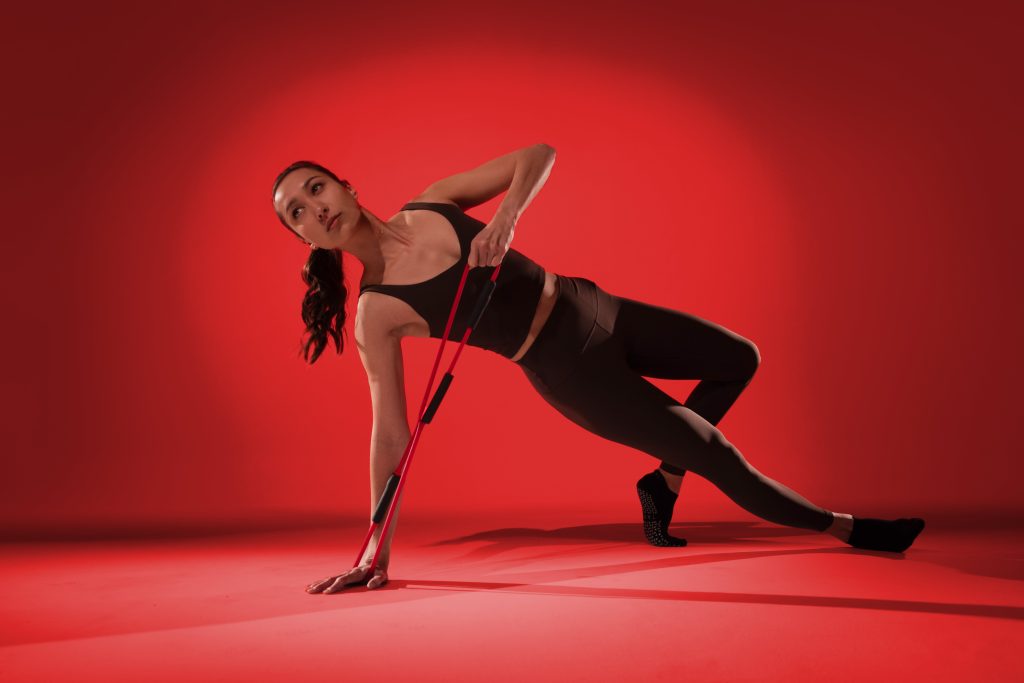
Why Pure Barre doesn’t work for so many people comes down to a gap between marketing promises and what a low-impact isometric workout can realistically deliver. Pure Barre is marketed as the fastest, safest way to transform your body in just 10 classes, using small ballet-inspired movements at a barre.
For some, that promise never materializes into visible fat loss, muscle gain, or lasting strength. The workout itself is not the problem. The mismatch between expectations, nutrition, progressive overload, and training variety is usually what causes plateaus and frustration.
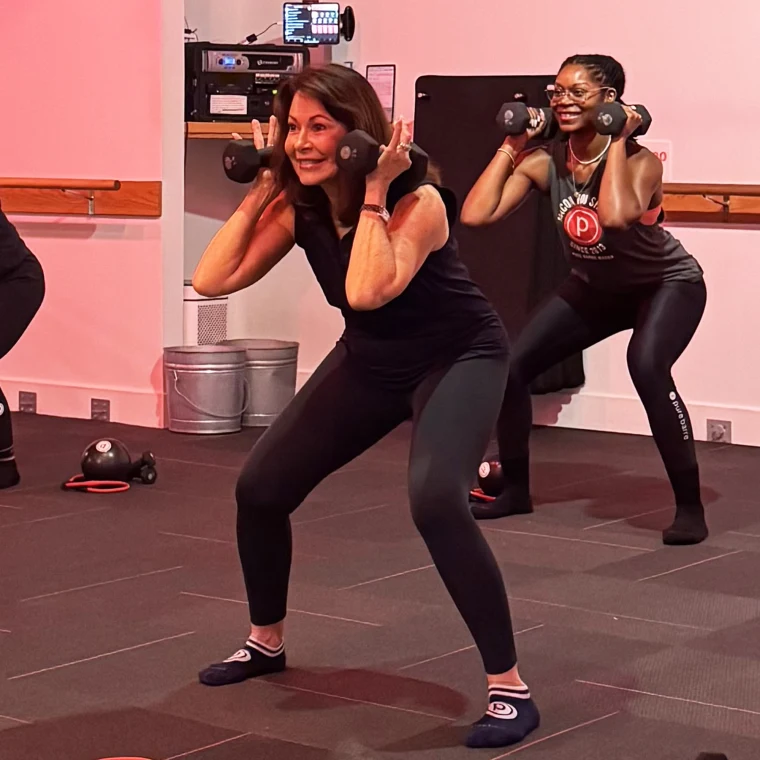
Pure Barre is a low-impact fitness format that blends elements of ballet, Pilates, and strength training around a ballet barre.
Classes typically last around 55 minutes and focus on small, isometric pulses rather than large, dynamic movements.
The workout targets the seat, thighs, abdominals, and arms using light weights, resistance bands, and body weight.
Because it avoids jumping or bouncing, Pure Barre is often marketed as joint-friendly and accessible to most fitness levels.
Pure Barre studios often advertise that clients will see results in just 10 classes and describe the format as the fastest way to change your body.
This messaging sets an expectation of rapid, visible transformation that few workout programs of any kind can consistently deliver.
Real fitness results depend on multiple factors working together, not a single class format practiced a few times a week.
When results are slower than advertised, many people assume the workout has failed rather than recognizing the marketing overpromised.
Progressive overload means gradually increasing the challenge on your muscles over time to keep stimulating growth and strength gains.
Pure Barre relies heavily on very light weights, often one to three pounds, and body weight resistance throughout.
Without steadily increasing resistance, reps, or difficulty, your muscles eventually adapt and stop being challenged further.
This plateau effect is one of the most common reasons people feel Pure Barre stops producing visible results after the first few months.
Pure Barre choreography is often refreshed only quarterly, meaning the same movement patterns repeat for weeks at a time.
Repeating identical exercises can lead to the body adapting quickly, reducing the calorie burn and muscle stimulus per session.
Variety in exercise selection is one of the key drivers of continued fat loss and muscle development over time.
Without cross-training or mixing in other movement patterns, progress commonly stalls within a few months of starting.
Pure Barre is primarily a muscle endurance and isometric strength format, not a significant cardiovascular workout.
Heart rate during a typical class often stays in a low to moderate zone, which limits calorie burn compared to higher-intensity cardio.
People expecting substantial fat loss from barre alone are often missing the cardiovascular component needed to create a larger calorie deficit.
Pairing Pure Barre with running, cycling, or interval training often produces far more noticeable fat loss results.
No workout format, including Pure Barre, can outperform a calorie surplus or an inconsistent diet.
Fat loss and muscle definition depend heavily on protein intake, total calories, and consistency in eating habits.
Many people attending Pure Barre several times a week see minimal changes simply because their nutrition hasn’t shifted to match their goals.
Tracking food intake alongside workouts often reveals the missing piece behind stalled physical changes.
Every person’s body responds differently to the same workout due to genetics, hormone levels, and starting fitness level.
Some people are naturally more responsive to isometric, endurance-style training, while others need heavier resistance to see visible change.
As people get fitter, the rate of visible improvement naturally slows as they approach their personal genetic ceiling.
This means two people doing identical Pure Barre classes can have very different results after the same number of months.
Fitness results depend on consistency over weeks and months, not sporadic attendance around a busy schedule.
Attending Pure Barre once a week is unlikely to produce the same results as attending three to four times weekly.
Many people underestimate how much inconsistent scheduling undermines the cumulative effect that builds visible strength and toning.
Setting a realistic, sustainable class schedule matters more than attending a single “perfect” session occasionally.
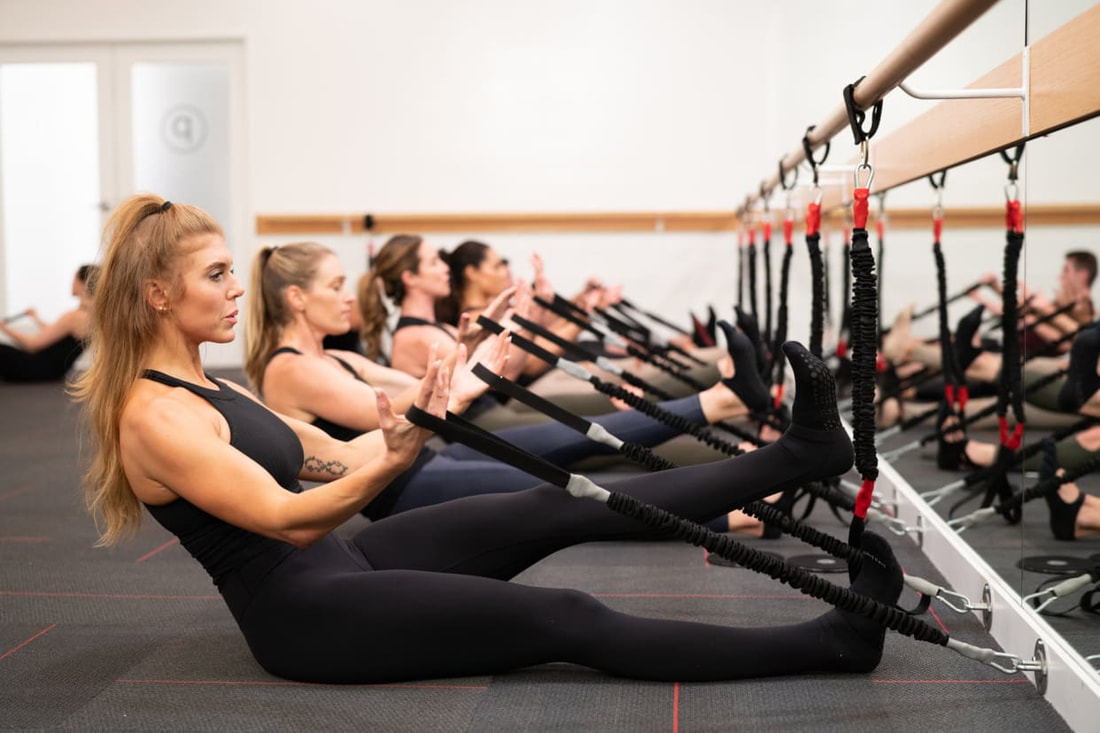
Pure Barre relies on very precise, small movements, and incorrect form can significantly reduce the muscle activation intended by each exercise.
Rushing through pulses or skipping the recommended range of motion lowers the intensity of the isometric hold.
New participants often need several classes with instructor feedback before they perform movements with full effectiveness.
Without correction, people can go through months of classes without engaging the target muscles as intended.
Marketing language promising “long, lean muscles” or a “lifted seat” can create expectations that don’t match how muscle physiology actually works.
Muscles do not lengthen through exercise; they grow, tone, or shrink based on training stimulus and body fat levels.
Visible muscle definition also requires a reduction in body fat percentage, which barre alone cannot guarantee without dietary changes.
Understanding this helps participants set achievable, realistic goals instead of comparing results to marketing imagery.
| Reason | Core Issue | Fix |
|---|---|---|
| No progressive overload | Weights stay too light too long | Increase resistance, reps, or holds |
| Limited variety | Same choreography repeats | Cross-train, change formats |
| Insufficient cardio | Low heart rate elevation | Add running, cycling, or HIIT |
| Poor nutrition | Calorie or protein mismatch | Track intake, adjust diet |
| Genetic variation | Different response rates | Adjust expectations, be patient |
| Inconsistent attendance | Sporadic scheduling | Commit to 3-4 classes weekly |
| Incorrect form | Reduced muscle activation | Get instructor feedback |
| Unrealistic expectations | Marketing overpromises | Set realistic, personal goals |
Pure Barre can build muscular endurance and modest strength, particularly for beginners or those returning to exercise after time off.
However, the light weights and isometric holds typically used in class are not enough to build significant muscle mass for most people.
Those looking for noticeable muscle growth usually need heavier resistance training alongside or instead of standard barre classes.
Pure Barre Define, a newer weight-focused format from the brand, was created specifically to address this strength-training gap.
A single Pure Barre class typically burns a moderate number of calories, generally less than a high-intensity interval or running session.
Fat loss ultimately depends on maintaining a consistent calorie deficit through both exercise and nutrition over time.
Pure Barre can contribute to that deficit, but it is rarely sufficient as the sole driver of significant fat loss on its own.
Combining barre with cardio and a mindful eating plan produces noticeably better fat loss outcomes than barre alone.
| Workout Type | Primary Focus | Best For |
|---|---|---|
| Pure Barre | Isometric strength, endurance | Toning, joint-friendly training |
| Running or cycling | Cardiovascular endurance | Calorie burn, heart health |
| Weightlifting | Progressive strength, muscle growth | Building visible muscle mass |
| HIIT | Combined cardio and strength | Time-efficient fat loss |
| Pilates | Core strength, flexibility | Posture, mobility, low intensity |
Pure Barre tends to work best for beginners, people returning to fitness, or those recovering from higher-impact injuries.
It also suits people who want a joint-friendly workout that improves posture, core strength, and mind-body coordination.
Those already very fit or seeking significant muscle or fat loss changes often need to combine it with other training types.
Understanding your own starting point helps set realistic expectations for what barre alone can and cannot achieve.
Increasing the weights used in class, even slightly, helps maintain a progressive overload stimulus over time.
Adding two to three days of dedicated cardio or strength training each week complements the muscular endurance focus of barre.
Tracking nutrition, particularly protein intake, ensures your diet supports whatever body composition goal you are working toward.
Being consistent with attendance, ideally three to four classes weekly, allows cumulative adaptations to actually take hold.
| Sign | What It May Mean |
|---|---|
| No change after 3+ months | Possible plateau, needs added overload |
| Classes feel too easy | Time to increase weight or intensity |
| Weight loss stalled | Nutrition likely needs adjustment |
| Same soreness pattern weekly | Little variety in exercise stimulus |
| Motivation dropping | Schedule or goal mismatch |
Adding two heavier strength sessions per week can address the muscle-building gap that pure isometric training leaves open.
Compound lifts like squats, deadlifts, and presses provide the progressive overload that barre’s light weights often lack.
This combination allows people to keep the joint-friendly, toning benefits of barre while still building meaningful strength.
Many fitness professionals recommend this hybrid approach for clients who feel barre alone has plateaued.
Muscles adapt and grow during rest, not during the workout itself, making recovery an essential part of any results plan.
Overtraining with daily barre classes without adequate rest can blunt progress and increase injury risk over time.
Sleep quality and stress management both influence how effectively the body recovers and responds to consistent training.
Balancing rest days with active training days supports steadier, more sustainable long-term results.
Pure Barre genuinely improves core strength, balance, posture, and mind-muscle connection for most regular participants.
Its low-impact nature makes it a safe entry point for people with joint pain or those new to structured exercise.
The community and class structure often improves workout consistency, which is itself a major driver of long-term success.
Recognizing these real benefits helps separate what the format does well from what it was never designed to do.
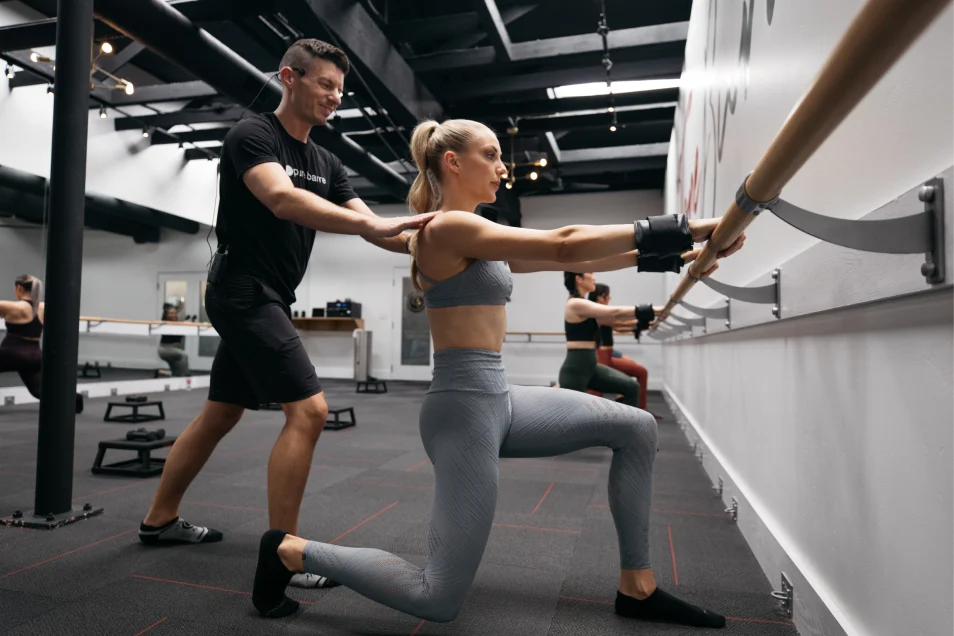
Pure Barre now offers several signature formats, including classic barre, a weight-based strength class, an interval-style class, and a restorative stretch format.
Sticking to only one format, especially the classic class, can limit the variety needed to keep progressing over time.
The weight-based Define format was introduced specifically to address complaints that traditional barre lacked enough resistance for real strength gains.
Rotating between formats throughout the week can help prevent the plateaus commonly linked to repetitive classic-only attendance.
The classic format focuses on isometric pulses, light weights, and stretching, and remains the most recognizable version of Pure Barre.
It builds muscular endurance and improves mind-muscle connection but offers the least amount of progressive resistance.
This format works best as a foundation rather than the sole tool for ongoing strength or fat loss goals.
Many long-time members eventually find they need to add other formats or workouts once this class starts feeling too easy.
Interval-based barre classes incorporate faster-paced segments designed to elevate heart rate more than the classic format.
These classes can help address the cardiovascular gap that pure isometric training often leaves unaddressed.
Adding one or two interval-focused sessions weekly can meaningfully increase weekly calorie expenditure.
This format is often recommended for members who feel their fat loss progress has stalled on classic barre alone.
While Pure Barre is marketed as low-impact and joint-friendly, repetitive small movements can still create overuse strain in the hips, knees, or lower back.
Poor form, especially in tucked pelvis positions, can place unwanted stress on the lumbar spine over time.
Attending daily classes without rest days increases the risk of repetitive strain, particularly in the hip flexors and calves.
Listening to the body and allowing recovery days helps prevent overuse injuries that can derail consistent attendance.
Pure Barre studio memberships are often priced at a premium compared to general gym memberships, reflecting boutique-style class sizes and instruction.
Value depends heavily on how consistently a member attends and whether the format matches their specific fitness goals.
For beginners prioritizing joint-friendly strength and community support, the cost can be well justified by adherence and enjoyment alone.
For those chasing significant fat loss or muscle growth, supplementing with lower-cost cardio or home strength training may offer better value.
Comparing personal results to heavily marketed transformation stories can create a sense of failure even when real progress is happening.
Non-scale improvements, like better balance, posture, and core strength, are often overlooked when only chasing visible body changes.
Setting measurable, realistic goals beyond appearance, such as strength benchmarks or class endurance, can shift the perception of “not working.”
Recognizing gradual improvement, rather than expecting dramatic change every few weeks, helps sustain long-term motivation.
Measuring inches around the waist, hips, and thighs can reveal muscle toning changes that the scale alone won’t show.
Taking progress photos every few weeks under consistent lighting often highlights subtle changes missed day to day.
Recording how many reps or how long you can hold a position provides a clear measure of strength improvement over time.
Combining these markers with occasional check-ins on energy, sleep, and mood gives a fuller picture of whether Pure Barre is truly working.
Most people notice improved core strength and posture within the first two to four weeks of consistent attendance.
Visible muscle toning changes generally take six to twelve weeks, depending on starting fitness level and nutrition habits.
Significant fat loss or body composition changes usually require three months or longer, paired with dietary adjustments and added cardio.
Setting expectations around these more realistic timelines helps prevent the frustration that comes from comparing progress to 10-class marketing claims.
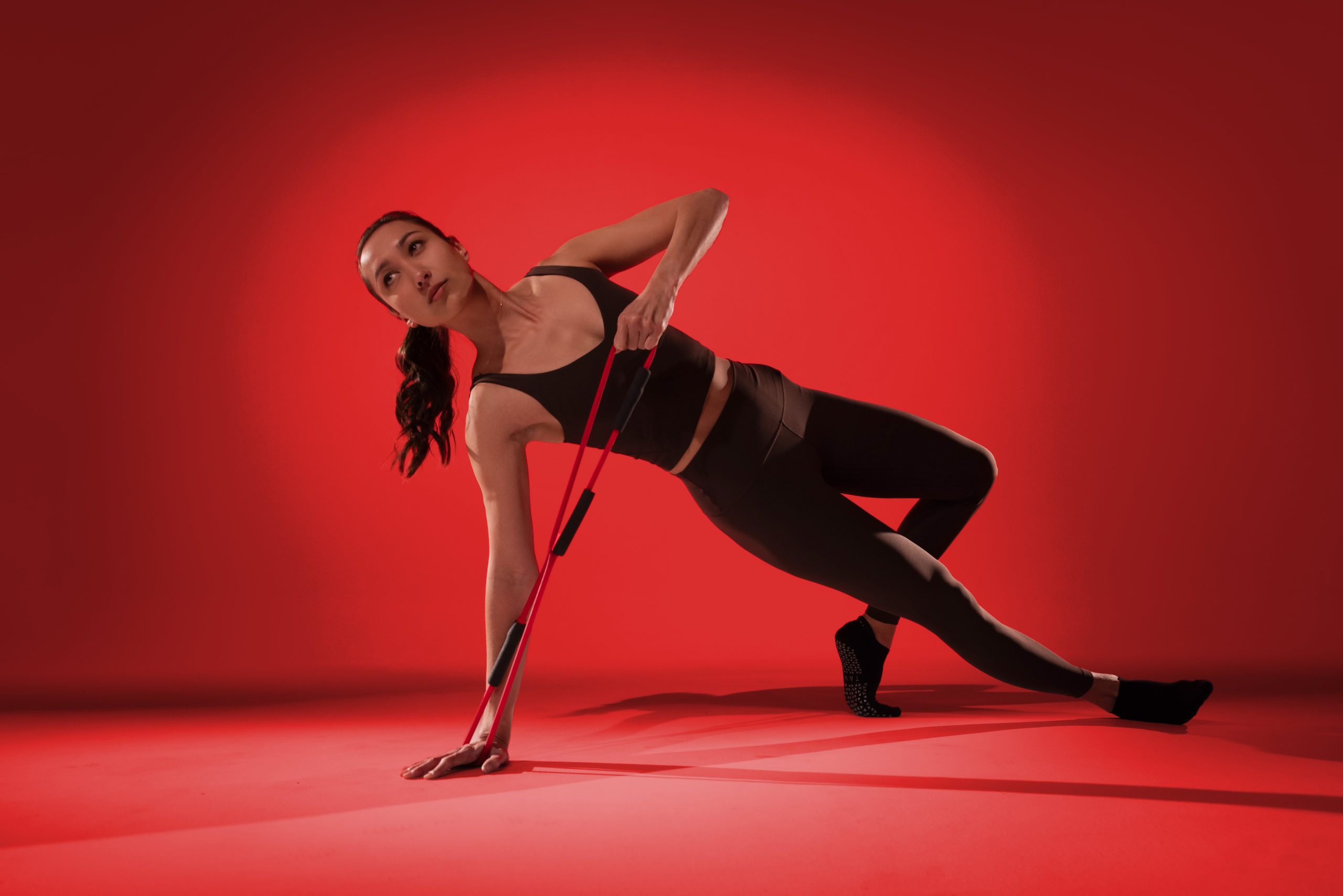
Plateaus usually stem from a lack of progressive overload, limited variety, or nutrition not matching your goals.
Increasing weights, adding cardio, and tracking food intake often restart visible progress.
Pure Barre can improve muscle tone and posture but does not change bone structure or “lengthen” muscles.
Visible shape changes depend heavily on reducing body fat through diet and added cardio.
No, Pure Barre offers real benefits for core strength, balance, and joint-friendly conditioning.
It becomes less effective only when used as the sole method for major fat loss or muscle gain goals.
Most instructors recommend three to four classes weekly for noticeable strength and endurance improvements.
Fewer sessions can still help but typically produce slower, less consistent progress.
Yes, but only as part of a broader plan that includes a calorie deficit and additional cardio.
Barre alone rarely burns enough calories to drive significant weight loss on its own.
Individual genetics, starting fitness level, nutrition, and consistency all influence how much visible change occurs.
Two people attending identical classes can have very different outcomes based on these factors.
For beginners, yes, it provides a foundational strength and endurance base worth building on.
For advanced trainees, heavier resistance training is usually needed to continue building muscle.
Barre uses light weights and high reps, which typically builds endurance rather than significant muscle bulk.
This often creates a toned appearance, especially when combined with lower body fat levels.
Soreness reflects muscle fatigue, not necessarily fat loss or visible muscle growth.
Without progressive overload and dietary changes, soreness alone won’t translate into visible transformation.
Not necessarily; adjusting weights, adding cardio, and improving nutrition often revive stalled progress.
Combining it with other training types is usually more effective than quitting altogether.
Pure Barre doesn’t fail because the workout itself is flawed; it fails to meet expectations set by marketing that promises rapid, dramatic transformation. The real barriers to results are usually a lack of progressive overload, limited exercise variety, insufficient cardio, inconsistent nutrition, or irregular attendance.
Genetics and individual starting points also play a meaningful role in how quickly changes appear. Pure Barre remains a genuinely effective, joint-friendly way to build core strength, balance, and muscular endurance, especially for beginners.
To see continued progress, increase resistance over time, add cardio or heavier strength training, track your nutrition, and stay consistent with attendance. When paired with a well-rounded fitness and nutrition plan, Pure Barre can absolutely become part of a working, sustainable routine rather than a workout you feel is failing you.