
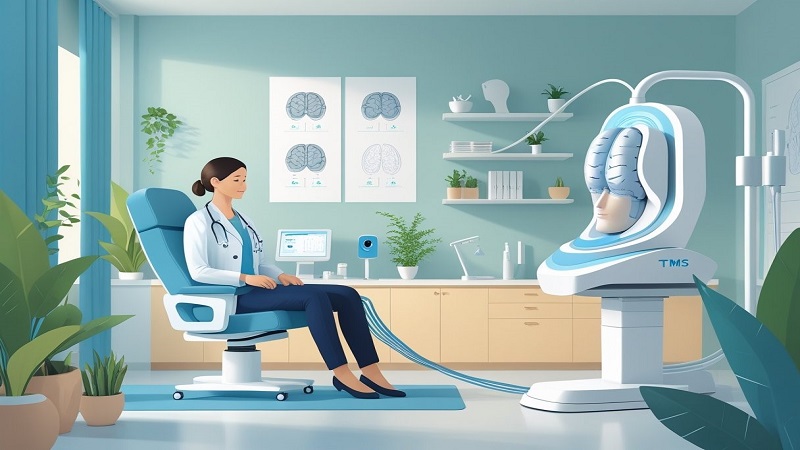
When seeking treatment for depression or other mental health conditions that haven’t responded to traditional therapies, patients face an important decision about where to receive care. Patients increasingly choose dedicated TMS therapy clinics because these specialized facilities offer focused expertise, comprehensive support throughout treatment, and staff specifically trained in transcranial magnetic stimulation protocols. The choice of clinic can significantly impact treatment outcomes and the overall patient experience.
TMS therapy represents a non-invasive, FDA-approved option for individuals with treatment-resistant depression or those who cannot tolerate medication side effects. The treatment uses magnetic pulses to stimulate specific brain regions, offering an alternative when antidepressants and psychotherapy have not provided adequate improvement. Understanding what sets dedicated TMS clinics apart helps patients make informed decisions about their mental health care.
The level of specialization and support a clinic provides shapes every aspect of treatment, from initial consultation through follow-up care. Dedicated facilities focus exclusively on delivering transcranial magnetic stimulation, allowing them to refine their processes and maintain staff expertise in this specific therapeutic approach.
Why Patients Choose a Dedicated TMS Therapy Clinic
Patients seeking transcranial magnetic stimulation select specialized clinics based on customized care approaches, clinical expertise, and access to advanced technology. These factors directly influence treatment outcomes and patient experiences throughout the TMS therapy process.
Personalized Treatment Plans for Optimal Results
Dedicated TMS clinics develop individualized protocols based on each patient’s specific condition, medical history, and response patterns. Treatment specialists adjust parameters such as pulse frequency, intensity, and session duration to target the precise brain regions associated with depression, OCD, or other conditions.
A personalized treatment plan typically includes initial diagnostic assessments, symptom tracking throughout TMS sessions, and ongoing protocol modifications. Clinicians monitor patient progress using standardized measurement tools and adjust stimulation parameters when needed. This tailored approach differs significantly from one-size-fits-all protocols.
Patients with treatment-resistant depression often receive customized combinations of repetitive TMS (rTMS) or deep TMS based on their neurological profiles. The frequency of sessions may vary from daily treatments over several weeks to modified schedules that accommodate individual needs. Clinical teams factor in previous medication responses, symptom severity, and lifestyle considerations when designing these protocols.
Expertise and Qualifications of Clinical Teams
Specialized TMS clinics employ psychiatrists, neurologists, and technicians trained specifically in transcranial magnetic stimulation delivery and management. These professionals undergo certification programs and maintain current knowledge of FDA-approved treatment protocols for various conditions.
Clinical staff at dedicated facilities possess extensive experience administering thousands of TMS sessions. They understand proper coil positioning, recognize appropriate treatment responses, and identify potential side effects requiring intervention. This expertise proves particularly valuable when treating complex cases or patients who have not responded to standard approaches.
The qualifications of clinical teams extend beyond technical proficiency to include psychiatric evaluation skills and patient support capabilities. Staff members conduct comprehensive mental health assessments, coordinate with referring physicians, and provide education about what patients should expect during treatment.
State-of-the-Art TMS Technology and Treatment Options
Specialized clinics invest in the latest TMS technology, including advanced coil designs and precision targeting systems. Modern equipment offers improved comfort, reduced treatment times, and enhanced stimulation accuracy compared to older generation devices.
Patients gain access to multiple FDA-approved treatment modalities, including:
Dedicated facilities maintain their equipment according to strict protocols and regularly update systems to incorporate technological advances. This commitment ensures patients receive treatment using devices calibrated for optimal safety and effectiveness. Advanced targeting software helps clinicians map individual brain anatomy for precise coil placement during each session.
Comprehensive Care and Patient Support in TMS Clinics
Dedicated TMS clinics provide coordinated mental health treatment that extends beyond the magnetic stimulation sessions themselves. These facilities integrate multiple treatment approaches, specialize in addressing conditions that haven’t responded to standard interventions, and create environments designed around patient needs.
Integration with Medication Management and Talk Therapy
TMS treatment works most effectively when coordinated with other mental health interventions. Many clinics employ psychiatrists who adjust medication regimens while patients undergo TMS sessions, ensuring that pharmaceutical treatments complement the neural stimulation rather than interfere with it.
Talk therapy remains a valuable component of comprehensive TMS care. Patients often continue psychotherapy sessions during their treatment course, addressing cognitive patterns and behavioral responses while TMS targets the underlying neurological components of their condition.
The combination approach addresses depression from multiple angles simultaneously. Medication management stabilizes brain chemistry, talk therapy develops coping strategies, and TMS directly stimulates underactive brain regions. This coordinated effort typically produces better outcomes than any single intervention alone.
Focus on Treatment-Resistant Depression and Other Complex Conditions
TMS clinics specialize in cases where standard treatments have failed. Treatment-resistant depression, defined as depression that hasn’t improved after at least two medication trials, represents the primary condition for which TMS serves as an FDA-approved treatment.
Patients with complex psychiatric histories often find dedicated support at specialized facilities. These clinics understand the frustration of multiple failed treatments and approach each case with appropriate expertise. Staff members recognize that treatment-resistant conditions require different protocols than standard depression cases.
The FDA has also approved TMS for obsessive-compulsive disorder, and many clinics offer protocols for both conditions. Some facilities provide extended treatment courses when initial six-week protocols don’t produce sufficient improvement, recognizing that complex cases may require longer intervention periods.
Accessible, Supportive, and Patient-Centered Environments
TMS clinics design their physical spaces and scheduling systems around patient convenience. Sessions occur on weekdays, typically lasting 10-40 minutes depending on the protocol, allowing patients to maintain work and family commitments during treatment.
Staff training emphasizes patient experience at every touchpoint. From initial consultations through follow-up appointments, clinic personnel understand that patients arrive after experiencing significant treatment failures. This awareness shapes how teams communicate, schedule appointments, and address concerns throughout the treatment process.
Insurance verification and financial support services help remove barriers to accessing care. Many insurance plans now cover TMS for depression, and clinics typically handle the authorization process directly with insurers to reduce administrative burden on patients.