

Why is my period 5 days late is one of the most common questions people search the moment their cycle doesn’t arrive on schedule. A short delay can spark instant worry, especially if pregnancy feels possible or unlikely at the same time.
The truth is, a five-day delay is common and often has nothing to do with pregnancy at all. Stress, diet changes, exercise, illness, and hormonal shifts can all push your cycle off track.
Before worrying about a late period, it helps to know what counts as normal. Most cycles range from 21 to 35 days, counted from the first day of one period to the first day of the next.
A cycle that varies by a few days from month to month is common and not usually a red flag. Stress, travel, and minor lifestyle shifts can all nudge the timing slightly.
Doctors generally consider a period “late” once it passes 5 to 7 days beyond your expected date. Beyond that point, it becomes more useful to look closely at possible causes.
Pregnancy is often the first thought when a period doesn’t arrive. A five-day delay alone, though, is usually too early to draw firm conclusions from symptoms.
If an egg is fertilized, the uterine lining stays in place instead of shedding, which stops your period from starting. This is the underlying reason pregnancy causes a missed cycle.
Breast tenderness, mild cramping, fatigue, nausea, and a heightened sense of smell can appear in early pregnancy. These symptoms often overlap heavily with regular PMS, though.
Home pregnancy tests work by detecting hCG, a hormone that rises after implantation. Testing on the day of your expected period, or a few days after, usually gives more reliable results.
Yes, a five-day delay can be an early pregnancy sign, but it is not definitive on its own for everyone. Cycle length naturally varies from person to person, so a short delay does not confirm anything without a test.
Stress is one of the most frequent non-pregnancy reasons for a delayed period. It can be surprisingly powerful in disrupting your hormonal rhythm.
The brain region that manages your stress response also plays a role in regulating reproductive hormones. High cortisol levels can interfere with the signals needed to trigger ovulation.
Work pressure, grief, major life changes, and even physical stress like illness or travel can all delay ovulation. The body treats emotional and physical stress in a similar way hormonally.
Most stress-related delays resolve within one cycle once the stressful period passes. If delays continue for multiple months, it is worth speaking with a doctor.
A stress-related delay often comes with other signs like disrupted sleep, tension headaches, or changes in appetite. Symptoms typically ease as your stress levels come down.
Beyond pregnancy and stress, several other factors can shift your cycle by days or even weeks. Understanding these helps you rule out unnecessary worry.
Rapid weight loss or weight gain can disrupt the hormones responsible for ovulation. Even a noticeable change over a few weeks can be enough to delay a period.
High-intensity training, especially with low body fat, can suppress ovulation. This is common among athletes and people who increase workout intensity quickly.
Being sick around the time of ovulation can delay the hormonal signals needed to start a new cycle. Periods usually return to normal once you recover.
The thyroid gland plays a direct role in regulating the menstrual cycle. Both an overactive and underactive thyroid can cause irregular or late periods.
PCOS is a hormonal condition that commonly causes irregular ovulation and delayed or missed periods. It often comes with other symptoms like acne or excess hair growth.
Beginning or discontinuing birth control can temporarily throw off your natural cycle. It can take a few months for your body to settle into a new rhythm.
For women in their late 40s or early 50s, hormonal shifts leading up to menopause commonly cause irregular timing. Cycles may become longer, shorter, or less predictable overall.
Breastfeeding raises prolactin levels, which can suppress ovulation and delay the return of regular periods. This effect is strongest in the first few months after childbirth.

<br>
| Possible Cause | Typical Delay Length | Common Extra Signs | Confirmed By |
|---|---|---|---|
| Pregnancy | 5 days or more | Nausea, breast tenderness, fatigue | Home pregnancy test |
| Stress | A few days to 1-2 weeks | Poor sleep, tension, appetite change | Symptom improves with less stress |
| Weight change | Days to weeks | Noticeable weight shift | Weight stabilizes, cycle returns |
| Intense exercise | Days to weeks | Low body fat, high training load | Reduced training, cycle returns |
| Thyroid issues | Weeks, recurring | Fatigue, weight change, hair thinning | Blood test (TSH) |
| PCOS | Weeks, often recurring | Acne, excess hair growth | Ultrasound, hormone panel |
| Birth control changes | 1-3 months | Spotting, cycle adjustment | Cycle stabilizes over time |
| Perimenopause | Variable, irregular | Hot flashes, mood shifts | Age and symptom pattern |
<br>
Since pregnancy and stress can produce overlapping symptoms, it helps to compare them side by side before assuming either one.
Pregnancy symptoms often appear alongside a missed period and tend to intensify over the following weeks. Stress symptoms typically improve as the stressful period fades.
Pregnancy-related breast tenderness is often more persistent and paired with nausea. Stress-related discomfort tends to come and go with your general mood and sleep pattern.
A home pregnancy test remains the most reliable way to distinguish between the two. Testing after a missed period gives the clearest answer.
If your symptoms don’t clearly fit pregnancy or stress, another underlying cause like thyroid imbalance or PCOS may be involved. A doctor visit can help identify the exact reason.
Timing matters when it comes to getting an accurate pregnancy test result. Testing too early can lead to a false negative.
Most modern home tests can detect pregnancy on the day your period was expected. Sensitivity varies slightly between brands.
Waiting a few extra days after your missed period increases hCG levels and improves test accuracy. This is especially useful if your first test was negative but your period still hasn’t arrived.
Testing first thing in the morning gives the most concentrated urine sample. This improves the chances of an accurate result, especially in early pregnancy.
If the test is negative and your period still doesn’t arrive within another week, retesting or seeing a doctor is the next step. A negative test alongside other symptoms is worth discussing with a healthcare provider.
While most late periods resolve on their own, certain patterns and symptoms call for professional evaluation.
A delay stretching past two weeks, especially with a negative pregnancy test, is worth a doctor’s visit. It could point toward a hormonal or thyroid-related cause.
If your cycle is consistently irregular month after month, this pattern deserves medical attention. Conditions like PCOS often show up as a repeating delay.
Intense pelvic pain or unusually heavy bleeding when your period does arrive should not be ignored. These symptoms can sometimes indicate a condition needing prompt care.
Pregnancy symptoms combined with sharp, one-sided abdominal pain need urgent evaluation. This combination can occasionally indicate a complication that requires immediate care.
Unexplained hair loss, excessive hair growth, or sudden weight changes alongside a missed period point toward a hormonal condition. A blood panel can usually identify the cause.

Small, consistent habits can help keep your cycle predictable over time. These changes support overall hormonal balance.
Regular relaxation practices, adequate sleep, and downtime can help lower cortisol and support a more regular cycle. Even small daily changes add up over time.
Avoiding rapid weight loss or gain helps keep reproductive hormones stable. Gradual, sustainable changes are gentler on your cycle.
If you train intensely, balancing workouts with adequate rest and nutrition helps protect ovulation. This is especially important for endurance athletes.
Poor sleep quality disrupts the same hormonal pathways involved in your menstrual cycle. Prioritizing consistent, quality sleep supports more predictable timing.
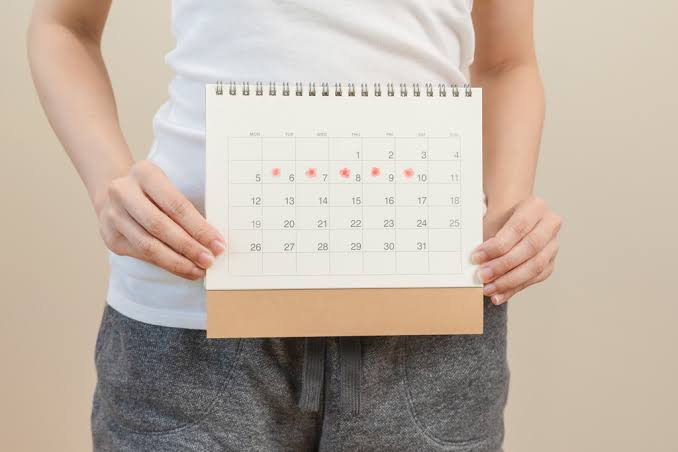
Using a period tracking app or calendar makes it easier to notice patterns and catch irregularities early. This also helps you communicate clearly with a doctor if needed.
A few misconceptions can lead to unnecessary worry or the wrong response. Clearing these up helps you react more calmly.
Pregnancy is only one of many possible causes. Stress, illness, weight changes, and hormonal conditions are just as common in most cases.
A negative test rules out pregnancy but does not rule out other causes like thyroid imbalance or PCOS. Persistent irregularity still deserves attention even with a negative result.
Slight variation from month to month is completely normal for most people. Only a repeated pattern of significant irregularity is considered a concern.
Sperm can survive inside the body for several days, so pregnancy is still possible outside the exact ovulation window. This is one reason unprotected sex earlier in the cycle can still lead to a missed period later.
Cycle regularity naturally shifts across different life stages. Recognizing where you are in this timeline helps put a late period into context.
In the first few years after periods begin, irregular timing is extremely common as the body adjusts. Cycles usually become more predictable within a few years.
This stage of life typically brings the most consistent cycle timing for most people. Late periods during these years are more often linked to lifestyle factors like stress or exercise.
As the body approaches menopause, cycles often become longer, shorter, or unpredictable. Hot flashes, mood changes, and sleep disruption commonly accompany this shift.
After childbirth, especially while breastfeeding, periods can take months to return to a regular rhythm. This is a normal part of hormonal recovery after pregnancy.
Paying attention to accompanying symptoms can help you and your doctor narrow down the cause more quickly.
Noting sleep quality, stress levels, appetite changes, and any pain can reveal useful patterns over time. This log becomes especially helpful if you need to consult a doctor.
Apps that track cycle length, symptoms, and mood can flag irregular patterns automatically. Many also offer reminders for testing or predicted ovulation windows.
Bringing a record of your last few cycle lengths and any symptoms speeds up the diagnostic process. This information helps your doctor decide which tests, if any, are needed.
What you eat can influence hormone production more than many people expect. A few dietary patterns are worth understanding.
Consuming too few calories, whether intentionally or not, can signal the body to conserve energy by delaying ovulation. This is a common cause of late periods in people who diet aggressively.
Low iron, low vitamin D, or insufficient healthy fats can all affect hormone regulation. A balanced diet supports more consistent cycle timing over time.
High caffeine or alcohol intake can place additional stress on the body’s hormonal systems. Moderating intake may help support a more regular cycle.
Switching diets abruptly, such as starting a very restrictive eating plan, can shock the body enough to delay a period. Gradual dietary changes tend to be gentler on your cycle.
Changes in environment can also throw off cycle timing, even without added emotional stress. These effects are usually temporary.
Crossing multiple time zones disrupts your body’s internal clock, which can delay ovulation and shift your period timing. Cycles typically return to normal within a cycle or two.
Moving to a very different climate or altitude can place extra physical stress on the body. This is a lesser-known but real contributor to short-term cycle changes.
Moving to a new city, starting a new job, or other major life changes can act as a form of stress that delays your period. These effects usually fade as you settle into the new routine.
Yes, a five-day delay can be an early pregnancy sign, though it is not conclusive alone. A home pregnancy test taken after the missed date gives a clearer answer.
Doctors generally consider a period late after 5 to 7 days past the expected date. A delay of two weeks or more is considered significant and worth medical evaluation.
Yes, stress is one of the most common causes of a short delay like this. Cortisol changes can disrupt the hormonal signals needed to trigger your period on time.
Testing on the day of your missed period is usually accurate enough for most home tests. If the result is negative but you’re still unsure, retesting a few days later improves accuracy.
Yes, weight changes, illness, intense exercise, thyroid issues, PCOS, and even travel can all delay a period. These causes are common and often resolve on their own once the underlying factor is addressed.
Not usually, since normal cycles can vary by several days from month to month. A pattern of irregularity is only concerning if it happens repeatedly or exceeds seven to nine days.
Persistent nausea, breast tenderness, and fatigue that steadily intensify over several days lean more toward pregnancy. Stress-related symptoms, on the other hand, tend to ease naturally once the stressful period passes.
Yes, starting or adjusting hormonal birth control can shift your natural cycle temporarily. It usually takes a few cycles for timing to stabilize.
See a doctor if your period is more than two weeks late, occurs irregularly every month, or comes with severe pain. A blood test can help identify hormonal causes like thyroid issues or PCOS.
Yes, intense or excessive exercise, especially when combined with low body fat, can delay or suppress ovulation entirely. Balancing training intensity with adequate rest and nutrition often helps restore more regular timing over the following cycles.
A period that is five days late is common and, in most cases, not an immediate cause for alarm. Pregnancy is one possible explanation, but stress, weight changes, intense exercise, illness, thyroid issues, PCOS, diet, and even travel are just as likely to be behind the delay.
The most reliable way to rule pregnancy in or out is a home pregnancy test taken on or after your missed period date, ideally first thing in the morning for the most accurate result. If your period remains absent for more than two weeks, keeps arriving late every month, or comes with severe pain or heavy bleeding, it is time to speak with a doctor.
Tracking your cycle, managing stress, and maintaining stable weight and exercise habits all support more predictable timing going forward. Understanding these patterns puts you in a much better position to respond calmly the next time your period doesn’t show up exactly on schedule.