
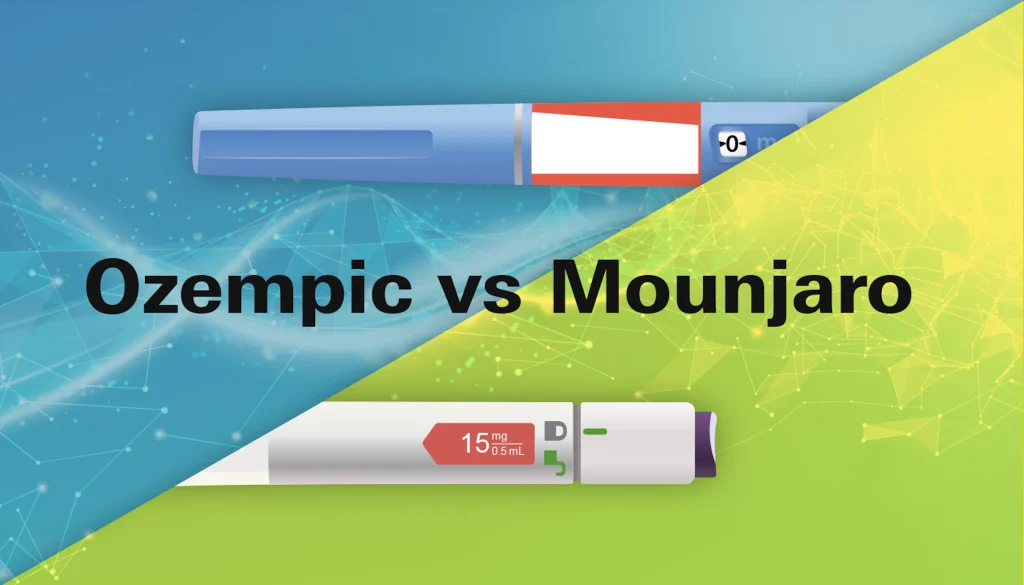
Why is Mounjaro better than Ozempic is one of the most searched questions in 2026 among people managing type 2 diabetes or trying to lose weight. Mounjaro (tirzepatide) and Ozempic (semaglutide) are both FDA-approved weekly injections, but they work differently.
Mounjaro targets two hormones — GLP-1 and GIP — while Ozempic targets only one.
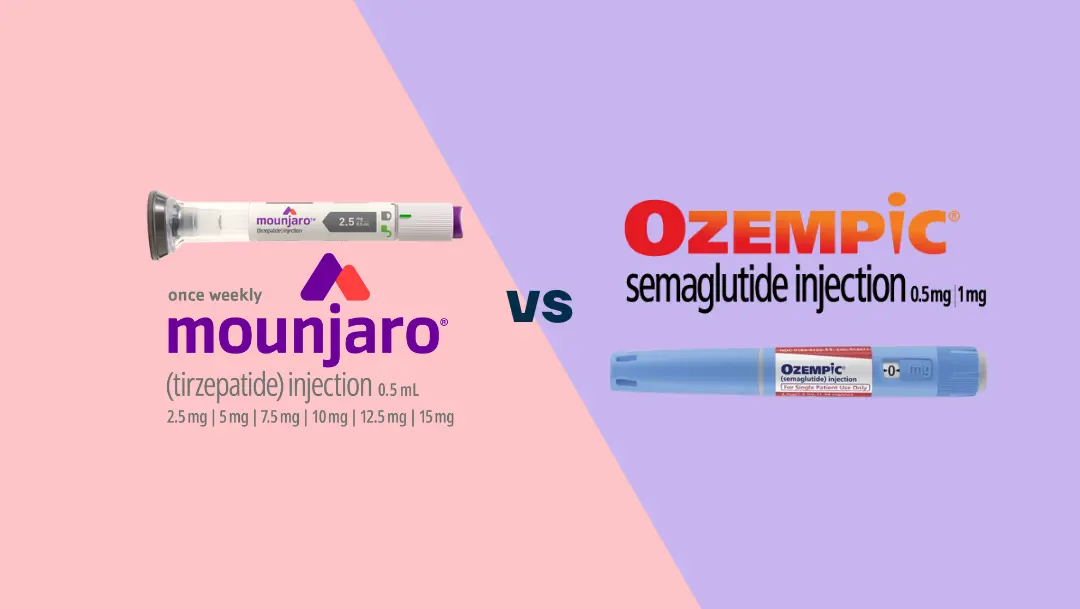
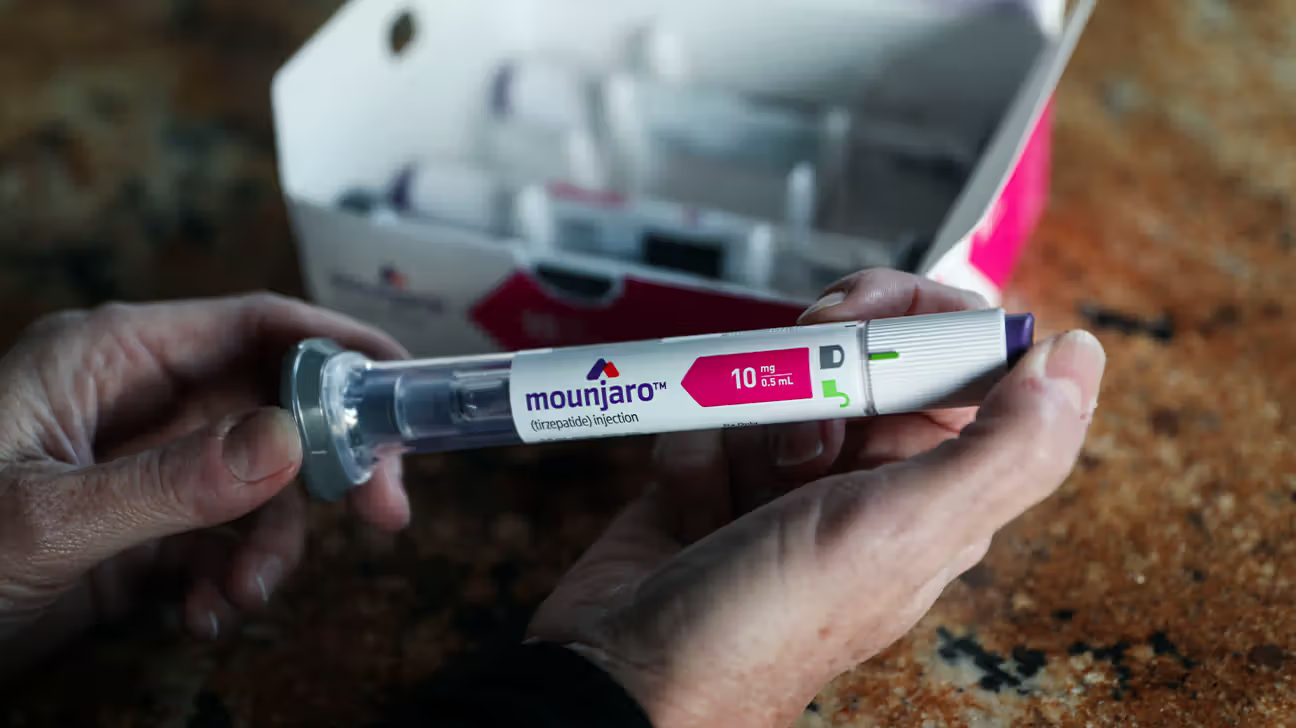
Mounjaro contains tirzepatide, made by Eli Lilly. It was FDA-approved in 2022 for type 2 diabetes.
It acts as a dual GIP and GLP-1 receptor agonist. This means it mimics two natural gut hormones simultaneously — glucose-dependent insulinotropic polypeptide (GIP) and glucagon-like peptide-1 (GLP-1).
This dual action increases insulin release, slows gastric emptying, reduces liver glucose production, and suppresses appetite more powerfully than a single-hormone drug.
Ozempic contains semaglutide, made by Novo Nordisk. It was FDA-approved in 2017 for type 2 diabetes.
Ozempic is a GLP-1 receptor agonist only. It binds to GLP-1 receptors, stimulates insulin, slows digestion, and reduces appetite.
Ozempic also holds FDA approval for reducing the risk of heart attacks and strokes in people with type 2 diabetes and cardiovascular disease — a benefit Mounjaro does not yet have.
| Feature | Mounjaro (Tirzepatide) | Ozempic (Semaglutide) |
|---|---|---|
| Drug Class | Dual GIP/GLP-1 Agonist | GLP-1 Agonist |
| Manufacturer | Eli Lilly | Novo Nordisk |
| FDA Approval (Diabetes) | 2022 | 2017 |
| Starting Dose | 2.5 mg/week | 0.25 mg/week |
| Max Dose | 15 mg/week | 2 mg/week |
| Average Weight Loss | Up to 20–22.5% | Up to 13–15% |
| Cardiovascular Approval | Not yet approved | FDA-approved |
| Injection Frequency | Once weekly | Once weekly |
| Weight Loss Drug Version | Zepbound | Wegovy |
Mounjaro produces significantly greater weight loss than Ozempic in both clinical trials and real-world studies. This is the core reason most people ask why is Mounjaro better than Ozempic.
The SURMOUNT-5 trial published in the New England Journal of Medicine (May 2025) directly compared the two drugs. Participants using tirzepatide lost an average of 20.2% of their body weight versus 13.7% with semaglutide over 72 weeks.
Clinical trials showed Mounjaro users can lose up to 22.5% of body weight at maximum doses, compared to roughly 15% with Ozempic at maximum doses.
A large JAMA Internal Medicine study of 18,386 matched patients found striking differences in outcomes between the two drugs.
At 3 months, Mounjaro users lost 5.9% of body weight versus 3.6% for Ozempic. At 6 months, the gap widened to 10.1% versus 5.8%. At 12 months, Mounjaro users lost 15.3% compared to 8.3% for Ozempic users.
Patients on Mounjaro were 1.8x more likely to achieve 5% weight loss, 2.6x more likely to achieve 10%, and 3.2x more likely to achieve 15% weight loss compared to those on Ozempic.
A July 2024 retrospective electronic health record (EHR) study of 41,222 adults confirmed these findings in a large real-world population.
81.8% of Mounjaro users lost at least 5% of their weight within one year, versus 66.5% of Ozempic users. The difference in weight loss between the two drugs at 12 months was 6.9%, clearly favoring Mounjaro.
The answer lies in the dual mechanism. GLP-1 reduces appetite and slows digestion. GIP, working alongside GLP-1, enhances feelings of fullness further.
GIP also reduces visceral (belly) fat accumulation and actually helps reduce the nausea that GLP-1 drugs sometimes cause. This means patients can more comfortably reach higher Mounjaro doses.
Higher doses mean greater appetite suppression and more weight loss — giving Mounjaro a compounding advantage over time.
Blood sugar control is another key reason why is Mounjaro better than Ozempic for people with type 2 diabetes.
In head-to-head studies, Mounjaro lowered hemoglobin A1C levels more than Ozempic at every comparable dose. A1C measures average blood sugar over 2–3 months — lower is better for diabetes management.
Real-world data from the Healthcare Integrated Research Database showed tirzepatide users achieved A1C reductions of 1.3% versus 0.9% for semaglutide users among GLP-1 naive patients at 12 months. Among non-naive patients, the reduction was 0.9% vs 0.6% — again favoring Mounjaro.
| Timeframe | Mounjaro (Tirzepatide) A1C Drop | Ozempic (Semaglutide) A1C Drop |
|---|---|---|
| 12 months (GLP-1 naive) | −1.3% | −0.9% |
| 12 months (non-naive) | −0.9% | −0.6% |
The target A1C for most type 2 diabetes patients is below 7%. Mounjaro reaches this goal more consistently and at lower doses compared to Ozempic.
Understanding dosage helps explain why Mounjaro delivers stronger results — its maximum dose is far higher relative to its starting point.
Mounjaro starts at 2.5 mg weekly and increases in 2.5 mg steps: 5 mg, 7.5 mg, 10 mg, 12.5 mg, and finally 15 mg. The dose increases every four weeks.
Ozempic starts at 0.25 mg weekly and increases to 0.5 mg, then 1 mg, and a maximum of 2 mg. The narrower dose range limits Ozempic’s ceiling effects.
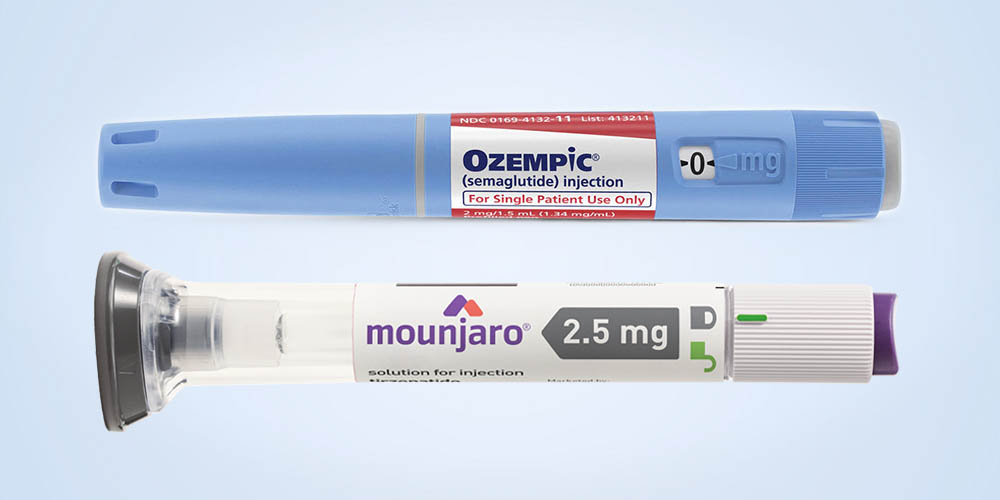
Both drugs are self-injected under the skin once a week using pre-filled pen injectors — making them equally convenient to use at home.
Both drugs share similar side effects because they both activate the GLP-1 receptor. The most common side effects include nausea, vomiting, diarrhea, and constipation.
However, Mounjaro at higher doses carries a slightly higher risk of nausea and vomiting compared to Ozempic. Studies show the 15 mg dose of tirzepatide had the highest risk for nausea (risk ratio 3.57) and vomiting (risk ratio 4.35) versus placebo.
The good news: GIP’s presence in Mounjaro actually helps reduce nausea compared to GLP-1 alone at lower doses, making dose escalation more tolerable for many patients.
Both medications carry a black box warning about a potential risk of thyroid C-cell tumors based on animal studies. Neither drug should be used in people with a personal or family history of medullary thyroid carcinoma.
| Side Effect | Mounjaro | Ozempic |
|---|---|---|
| Nausea | Common (especially at high doses) | Common |
| Vomiting | More likely at 15 mg | Less likely |
| Diarrhea | Common | Common |
| Constipation | Common | Common |
| Thyroid tumor risk | Black box warning | Black box warning |
| Gastroparesis | Reported | Reported |
| Pancreatitis | Rare | Rare |
It would not be fully accurate to say Mounjaro wins in every category. Ozempic holds some important advantages that matter for specific patients.
Ozempic is FDA-approved to reduce the risk of major cardiovascular events — heart attack, stroke, and cardiovascular death — in adults with type 2 diabetes and existing heart disease. Mounjaro is still being studied for this benefit and does not currently carry this indication.
Ozempic is also FDA-approved to reduce the risk of worsening kidney disease in adults with type 2 diabetes and chronic kidney disease. Again, Mounjaro lacks this approval as of 2026.
For patients whose primary concern is heart or kidney protection, Ozempic may still be the better clinical choice. Doctors must weigh these factors alongside weight and blood sugar goals.
Cost is a major factor when comparing why is Mounjaro better than Ozempic, but also why Ozempic may be more accessible for many patients.
In the United States, both Mounjaro and Ozempic are brand-name drugs with no generic versions available as of 2026. Without insurance, both cost approximately $800–$1,000 per month.
With insurance coverage for type 2 diabetes, costs can vary widely. Manufacturer savings programs (Lilly’s savings card for Mounjaro, Novo Nordisk’s program for Ozempic) can reduce costs significantly for eligible patients.
In Australia, Ozempic and Wegovy are available on the Pharmaceutical Benefits Scheme (PBS) for as low as $8–$35/month. Mounjaro costs between $345–$645/month in Australia as it is not yet on the PBS.
Understanding official FDA approvals helps clarify when each drug is appropriate.
Mounjaro is FDA-approved for type 2 diabetes in adults and children 10 years and older. Its sister drug Zepbound (same tirzepatide active ingredient) is FDA-approved specifically for chronic weight management.
Ozempic is FDA-approved for type 2 diabetes in adults, reducing cardiovascular risk in diabetes patients with heart disease, and reducing the risk of kidney disease progression. Its sister drug Wegovy (same semaglutide active ingredient) is FDA-approved for weight loss.
Doctors may prescribe both Mounjaro and Ozempic off-label for weight loss, though this practice is less common now that Zepbound and Wegovy exist as dedicated weight loss medications.
Mounjaro is likely the better choice for patients who need maximum blood sugar reduction, are prioritizing significant weight loss, have not responded well to Ozempic, or want to target visceral belly fat specifically.
It is also a strong option for patients who can tolerate or comfortably escalate to higher doses, and for those without existing cardiovascular or kidney complications requiring Ozempic’s specific protective benefits.
Always consult your doctor before starting or switching any diabetes or weight management medication.
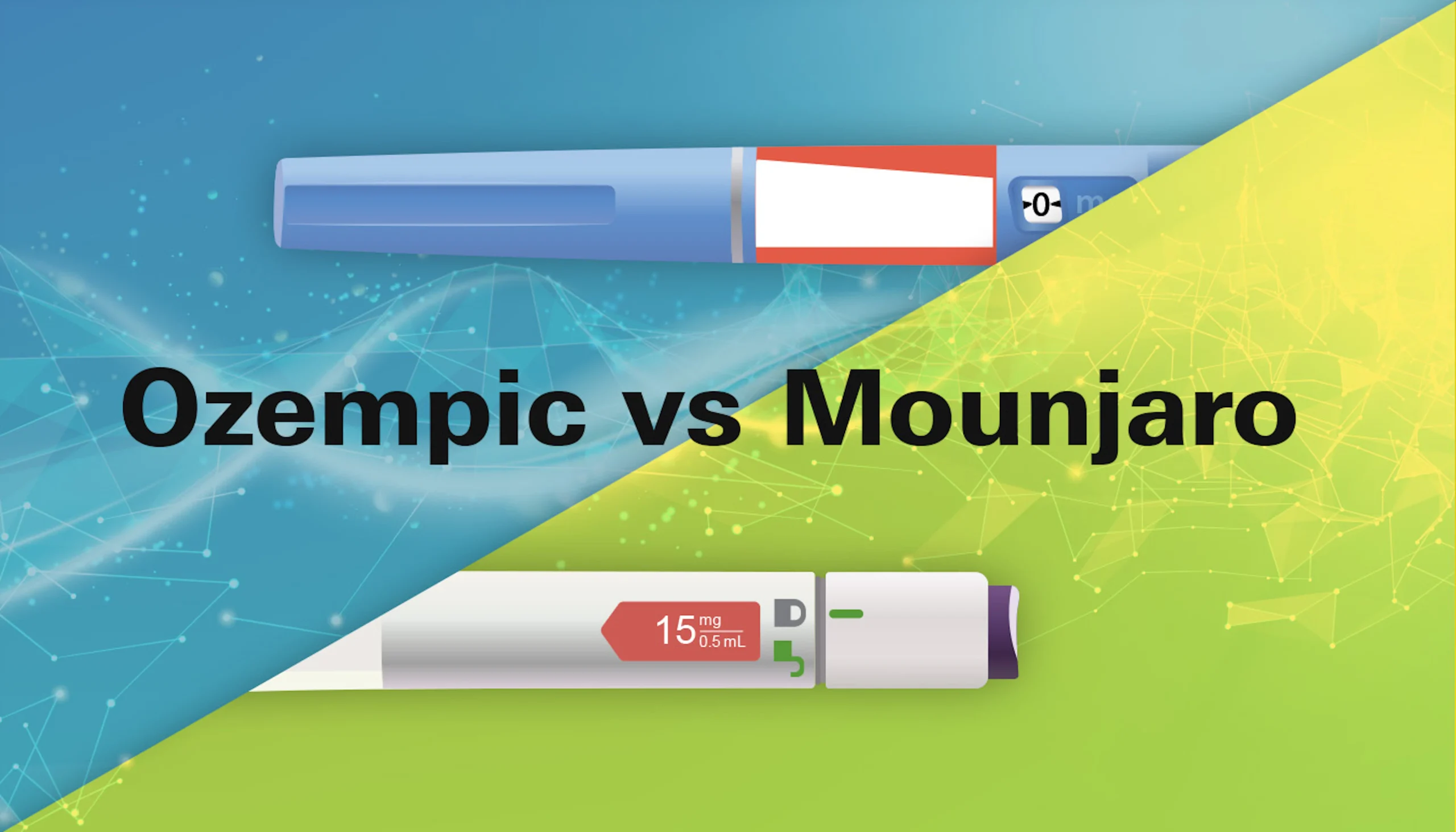
Ozempic remains the better option for patients with type 2 diabetes who also have established cardiovascular disease and need proven heart-protective benefits.
It is also appropriate for patients with chronic kidney disease, those who tolerate semaglutide well and are achieving their goals, and people in regions where Mounjaro is unavailable or unaffordably priced.
Ozempic has a longer track record with over 8 years of real-world use since 2017, giving some patients and doctors more comfort with its long-term safety profile.
Some patients switch from Ozempic to Mounjaro when they are not achieving their blood sugar or weight loss goals. This switch is possible but requires careful planning with a healthcare provider.
The two medications are not interchangeable — they use different dosing scales and cannot be taken together. When switching, doctors typically restart at the lowest Mounjaro dose and titrate up gradually.
Patients switching to Mounjaro often see accelerated weight loss results within the first 3–6 months compared to continuing on Ozempic.
A concern many patients have about both drugs is what happens when they stop taking them. Early clinical trials suggested over half the lost weight could return within a year of stopping.
However, a 2026 Cleveland Clinic real-world study of nearly 8,000 patients showed a more hopeful picture. Many patients who stopped either drug maintained their weight by restarting treatment, switching medications, or making lifestyle changes.
The key takeaway is that both Mounjaro and Ozempic require ongoing treatment or strong lifestyle habits to maintain results. Neither is a permanent cure — they are long-term management tools.
A 2025 systematic review and meta-analysis published via PubMed, covering 7 studies including 2 randomized controlled trials and 5 retrospective cohorts, provided the clearest evidence to date.
Results showed tirzepatide produced significantly greater weight loss than semaglutide with a mean difference of 4.23 kg. At doses above 10 mg, the advantage was even larger — a mean difference of 6.50 kg. Results were consistent across all study types with no publication bias detected.
This confirms that Mounjaro’s superiority over Ozempic for weight loss is not a coincidence of a single study but a consistent, evidence-backed finding across multiple populations and research designs.
The evidence is clear: Mounjaro outperforms Ozempic on the metrics most patients care about — weight loss and blood sugar reduction. Its dual GIP/GLP-1 mechanism, higher dose ceiling, and stronger real-world data all support its edge.
But “better” depends on the patient. Ozempic still leads on cardiovascular and kidney protection. It is cheaper and more widely available in many countries. It has a longer track record.
For most patients focused on weight loss and blood sugar control without existing heart disease, Mounjaro in 2026 is the stronger clinical choice based on available evidence.
Yes. Mounjaro’s dual GIP/GLP-1 action makes it more potent than Ozempic’s single GLP-1 mechanism for both blood sugar reduction and weight loss.
Studies show Mounjaro users lose about 20% of body weight versus 14% with Ozempic at 72 weeks. Real-world data shows a difference of roughly 7% more body weight lost at one year.
Yes, switching is possible but must be done under a doctor’s supervision. The two drugs cannot be taken together and require restarting at Mounjaro’s lowest dose.
Yes. Head-to-head studies show Mounjaro lowers A1C levels more than Ozempic at every comparable dose tested in clinical trials.
Both have similar side effect profiles. Mounjaro at high doses may cause slightly more nausea and vomiting, but its GIP component also helps reduce GLP-1-related nausea at lower doses.
No. Ozempic has FDA approval for reducing cardiovascular risk in type 2 diabetes patients with heart disease. Mounjaro is still being studied for this indication.
Mounjaro is newer and uses a more complex dual-hormone mechanism. It has fewer coverage options in some countries and lacks generic availability — the same as Ozempic in this regard.
Both drugs begin lowering blood sugar within days, but meaningful weight loss differences between the two become visible by the 3-month mark, with Mounjaro showing larger reductions.
Mounjaro is FDA-approved only for type 2 diabetes. Its identical active ingredient tirzepatide is marketed as Zepbound and is FDA-approved specifically for weight loss in people with obesity or overweight.
Both require ongoing use to maintain results. Mounjaro delivers greater long-term weight and A1C benefits. Ozempic has a longer safety record and proven cardiovascular protection for high-risk patients.
Why is Mounjaro better than Ozempic? The answer comes down to its dual-action mechanism. By targeting both GLP-1 and GIP receptors, Mounjaro achieves significantly greater weight loss and more consistent blood sugar control across multiple large-scale studies and real-world data sets.
The SURMOUNT-5 trial, JAMA meta-analyses, and EHR studies of tens of thousands of patients all point in the same direction — tirzepatide outperforms semaglutide when efficacy is the goal.
That said, the best drug is always the one that fits your individual health profile. Ozempic remains clinically superior for patients with heart or kidney disease.
Your doctor is the right person to evaluate your specific risks, goals, and medical history before recommending Mounjaro or Ozempic. Use this guide to ask better questions, understand the data, and make more informed decisions about your health in 2026.