
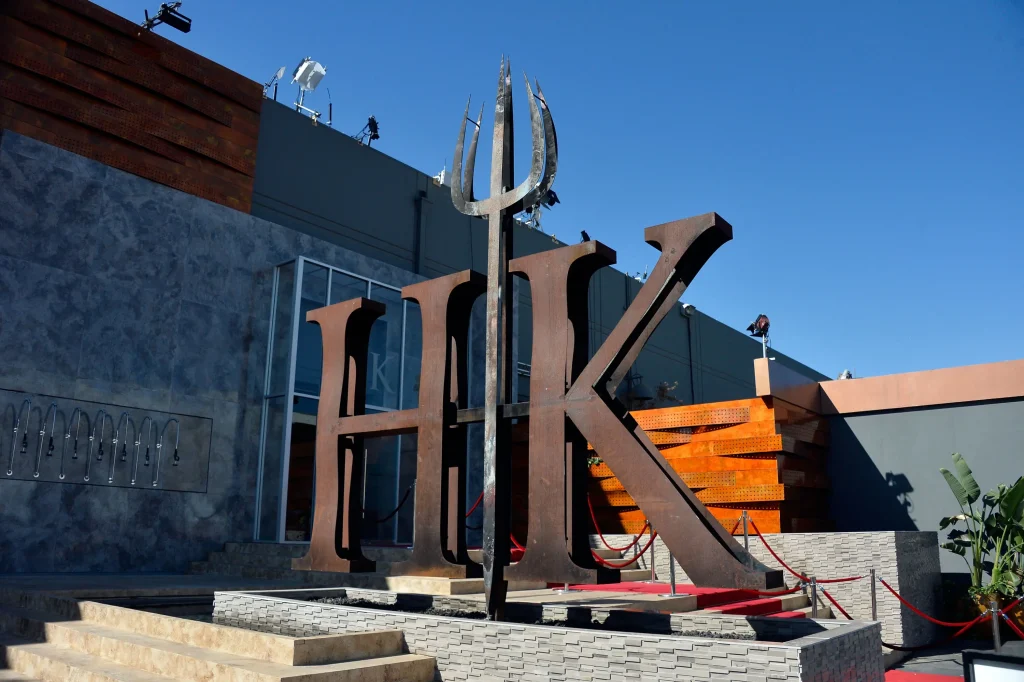
Why is it called Hell’s Kitchen is one of New York City’s most fascinating historical mysteries. The name sounds dramatic, even theatrical — and that is exactly why millions of people search for its origin every year.
Hell’s Kitchen is a real neighborhood on the west side of Midtown Manhattan, stretching from 34th Street to 59th Street between Eighth Avenue and the Hudson River. Its name is rooted in poverty, gang violence, immigrant struggle, and some very colorful New York folklore.
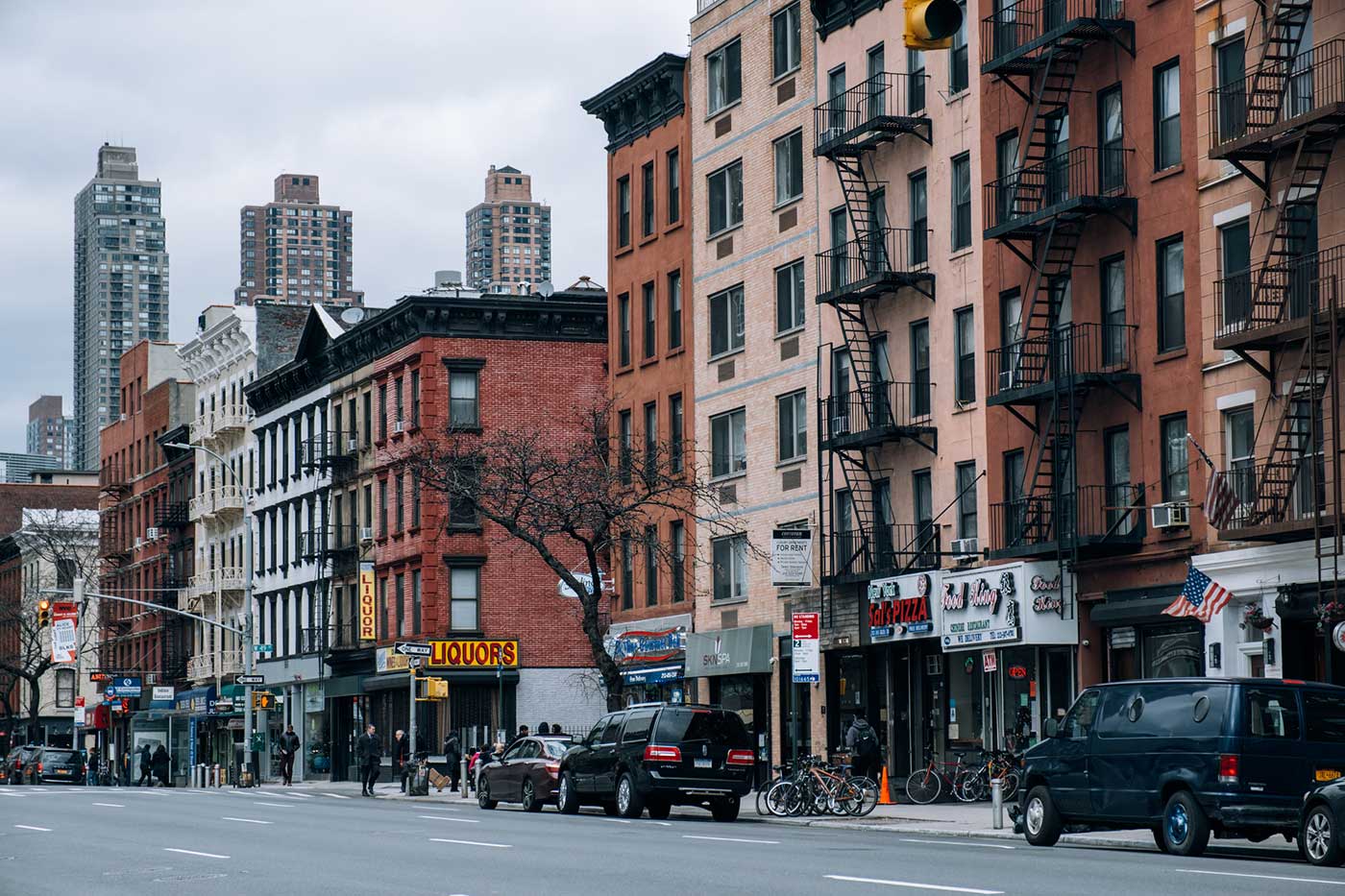
Hell’s Kitchen sits on the west side of Midtown Manhattan, New York City.
Its boundaries are generally defined as 34th Street to the south, 59th Street to the north, Eighth Avenue to the east, and the Hudson River to the west. The neighborhood overlaps with Times Square and the Theater District on its eastern edge, and borders the Upper West Side at its northern tip.
Today it falls within ZIP codes 10019 and 10036. It is patrolled by the 10th and Midtown North precincts of the NYPD. Cruise ships dock at the nearby New York Passenger Ship Terminal, and Penn Station — the busiest railroad station in North America — sits just to the southeast.
No single confirmed origin for the name exists. Historians, journalists, and local residents have debated its source for over a century.
What follows is a complete breakdown of every credible theory, ranked from most documented to most folkloric.
The most widely repeated origin story involves a veteran New York City police officer nicknamed “Dutch Fred.”
According to this account, Dutch Fred and his rookie partner were watching a small riot on West 39th Street near Tenth Avenue in the late 1800s. The rookie reportedly said, “This place is hell itself.” Dutch Fred allegedly replied: “Hell’s a mild climate. This is Hell’s Kitchen.”
The story perfectly captures the spirit of the neighborhood at the time. It spread rapidly through police circles and local newspapers, and many historians consider it the most plausible single origin story, even if it cannot be fully verified.
The earliest confirmed printed use of “Hell’s Kitchen” as a place name appeared in The New York Times on September 22, 1881.
A Times reporter, accompanied by a police guide, visited the West 30s to cover a multiple murder. He referred to a tenement at 39th Street and Tenth Avenue as “Hell’s Kitchen” and described the entire surrounding area as “probably the lowest and filthiest in the city.” He also described the building as filled with “a horde of vagrants, petty thieves, and utterly depraved” individuals.
This 1881 article did not coin the term — the reporter’s casual use of it suggests it was already in circulation locally. But it was the moment the name entered public record and spread beyond the immediate neighborhood.
A second well-documented theory traces the name to a German-owned restaurant in the area.
The establishment was called “Heil’s Kitchen,” named after its German proprietors. Over time, through everyday pronunciation shifts and anglicisation, “Heil’s” became “Hell’s.” The restaurant was popular with dockworkers and local labourers and would have been well-known to residents, making it a plausible source for the neighborhood’s name.
This theory is particularly interesting because it offers a mundane, non-violent origin for a name that sounds so ominous. The transformation from “Heil’s” to “Hell’s” required nothing more than decades of casual mispronunciation.
The Hell’s Kitchen Gang was an actual criminal gang that operated in the neighborhood in the second half of the 19th century.
According to the Encyclopedia of New York City by historian Kenneth Jackson, the name “Hell’s Kitchen” may have been taken from the name of this gang, which formed around 1868. It is also possible that the gang took its name from the area — the direction of influence is unclear. Either way, the gang and the neighborhood name reinforced each other in the public imagination.
The phrase “hell’s kitchen” appeared in print well before the 1881 New York Times reference — used by the famous American frontiersman Davy Crockett.
In 1835, Crockett wrote about the notorious Five Points slum in Lower Manhattan, describing Irish immigrants living there. He wrote that they were “too mean to swab hell’s kitchen.” He was not referring to the West Side neighborhood at all — but his use of the phrase confirms that “hell’s kitchen” was already a recognizable expression in American slang to describe an extremely rough, filthy place.
This suggests the name that eventually stuck to the West Side neighborhood was borrowed from existing slang rather than invented for it.
Some historians note that a slum district in south London was also known as “Hell’s Kitchen” well before the Manhattan neighborhood adopted the name.
The existence of a London “Hell’s Kitchen” suggests the phrase was a common piece of English-language slang used to describe any particularly notorious, dangerous, impoverished urban area. Manhattan’s immigrant population — many of whom came from England and Ireland — may have brought the expression with them and applied it to their new surroundings naturally.
One folk theory holds that the name simply described how unbearably hot the neighbourhood felt in summer, particularly before air conditioning existed.
The area was packed with tenements, slaughterhouses, rail yards, and factories. Heat from these industrial operations, combined with the density of crowded housing and the intense New York City summer, made the neighbourhood feel like a furnace. Some local residents of the era reportedly described it as feeling like being inside a kitchen in hell — hot, suffocating, and impossible to escape.
| Theory | Source | Date | Verified? |
|---|---|---|---|
| Dutch Fred the Cop | Police oral history | Late 1800s | Unverified but widely accepted |
| New York Times article | New York Times | September 22, 1881 | Yes — confirmed in print |
| Heil’s Kitchen restaurant | German proprietors | Post-Civil War era | Partially — records unclear |
| Hell’s Kitchen Gang | Encyclopedia of New York City | c. 1868 | Referenced by historians |
| Davy Crockett usage | Crockett’s own writing | 1835 | Yes — confirmed in print |
| London slum connection | Historical comparison | Pre-1881 | Referenced by historians |
| Summer heat theory | Local folklore | 1800s | Unverified folk explanation |
Understanding why the name stuck requires understanding what life in Hell’s Kitchen was actually like during the 19th and early 20th centuries.
The history of Hell’s Kitchen as a defined neighborhood begins in the mid-1800s when Irish immigrants fleeing the Great Famine began settling on the west side of Manhattan.
They built shantytowns along the Hudson River waterfront. The construction of the Hudson River Railroad in 1849, which ran at street grade up Eleventh Avenue, transformed the formerly rural riverfront into an industrial zone. Tanneries, slaughterhouses, factories, and rail yards lined the waterfront.
Eleventh Avenue became so dangerous due to freight trains running at street level that locals nicknamed it “Death Avenue.” Hundreds of pedestrians were struck and killed by trains over the decades. A man on horseback nicknamed the “West Side Cowboy” rode ahead of trains waving a red flag to warn people — a job that existed until 1941.
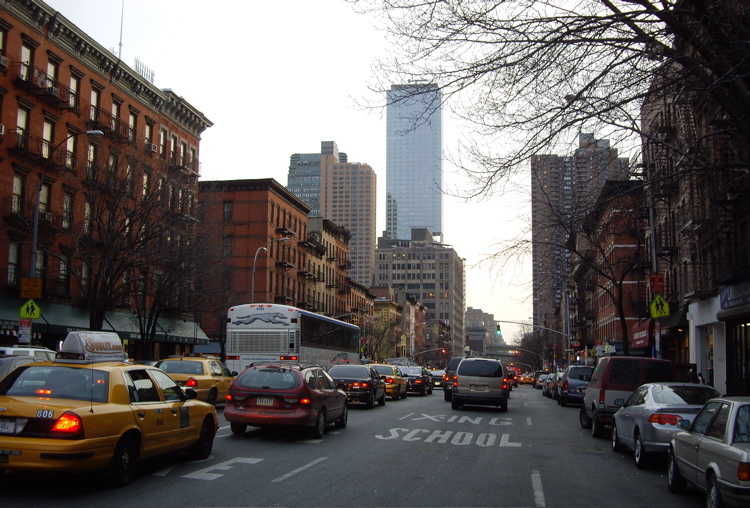
By the 1870s and 1880s, Hell’s Kitchen had become widely described as the most dangerous neighbourhood in the United States.
The area was controlled by a succession of violent gangs. The Gopher Gang, led first by One Lung Curran and later by Owney Madden, was one of the most feared criminal organisations of its era. The gang was known for operating out of cellar stairwells and for the ferocity with which it protected its territory. No other gang entered Gopher territory without permission.
Reformer and photographer Jacob Riis documented the overcrowded, unsanitary conditions of the area’s tenements in his landmark 1890 work, bringing national attention to the neighbourhood’s poverty and violence.
| Gang | Active Period | Known For |
|---|---|---|
| Hell’s Kitchen Gang | c. 1868 onwards | One of the earliest named gangs in the area |
| Gopher Gang | 1890s–1910s | Dominated the neighbourhood; led by Owney Madden |
| Hudson Dusters | 1890s–1916 | Cocaine use, extreme violence |
| The Westies | 1960s–1986 | Irish-American crew aligned with Gambino crime family |
During Prohibition (1919–1933), Hell’s Kitchen’s warehouses and existing underground networks made it an ideal base for illegal liquor operations.
Owney Madden, by then one of New York’s most powerful figures, ran much of the bootleg liquor trade from the neighbourhood. Speakeasies thrived throughout Hell’s Kitchen. The era transformed the earlier street gangs into more sophisticated organised crime entities with city-wide and national connections.
In 1959, an aborted gang conflict between Irish and Puerto Rican gangs in Hell’s Kitchen led to the notorious Capeman murders, in which two innocent teenagers were killed.
By 1965, the neighbourhood was home base for the Westies — a deeply violent Irish-American gang aligned with the Gambino crime family. The Westies’ reign of terror continued until 1986, when most of their leadership was convicted under the RICO statute. The fall of the Westies marked the beginning of the neighbourhood’s transformation.
In 1959, New York City officials made an official attempt to rebrand Hell’s Kitchen with a more palatable name: Clinton.
The new name was taken from DeWitt Clinton Park, located on the neighbourhood’s western edge, which was in turn named after DeWitt Clinton, the early 19th-century New York governor and Erie Canal visionary. Officials hoped the more respectable name would encourage investment and signal a fresh start for the troubled neighbourhood.
The Clinton name never caught on with actual residents. It appears on zoning maps and community board documents, but virtually no local — and certainly no visitor — calls it Clinton. The rougher name proved more durable precisely because it carried authenticity. As gentrification brought new residents and businesses, the name “Hell’s Kitchen” became something of a badge of honour rather than a warning.
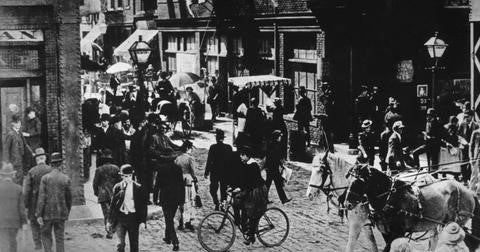
Hell’s Kitchen today bears almost no resemblance to the dangerous slum it once was.
The neighbourhood is now known for its extraordinary restaurant scene — multi-ethnic, relatively affordable, and densely packed. It is close to Broadway and the Theater District, making it a hub for performers, theatre workers, and visitors. The expansion of Hudson Yards to the south has brought glass towers and luxury retail within walking distance.
New subway stops closer to the Hudson River than ever before have improved connectivity. The old industrial piers now serve cruise ships. The neighbourhood’s walk-up apartments and older brownstones coexist with modern development, giving Hell’s Kitchen a visual identity unlike anywhere else in Manhattan.
| Then (1800s–1980s) | Now (2026) |
|---|---|
| Gang-controlled slums | Vibrant restaurant district |
| Tenements, slaughterhouses, rail yards | Brownstones, theatres, modern apartments |
| Most dangerous area in America | Tourist destination, Broadway-adjacent |
| Death Avenue (Eleventh Avenue) | Quiet residential and commercial street |
| No official park access | DeWitt Clinton Park, Hudson River Park |
| Known to police as no-go zone | Patrolled by 10th and Midtown North precincts |
The neighbourhood’s dramatic name and history have made it a recurring setting and reference point in American popular culture.
Marvel Comics’ Daredevil — the blind lawyer and vigilante Matt Murdock — was born and raised in Hell’s Kitchen. Much of the Daredevil comic series and the Netflix adaptation takes place in the neighbourhood, depicting it as a place where crime and justice are constantly in conflict.
The Vertigo Comics miniseries The Kitchen, an eight-issue female-driven crime drama, is set in Hell’s Kitchen during the 1970s and was adapted into a feature film.
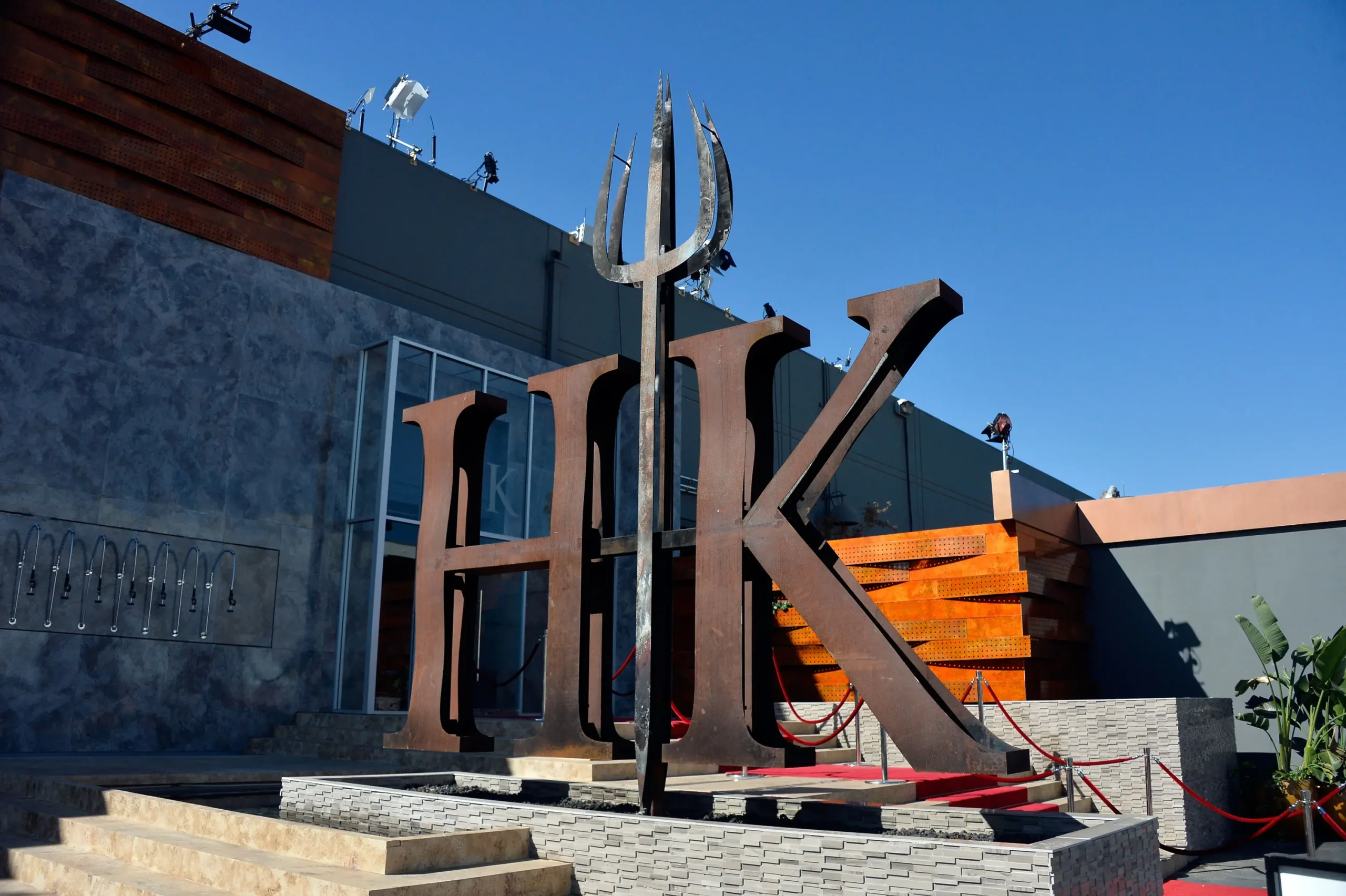
Gordon Ramsay’s television series Hell’s Kitchen takes its name from the expression rather than the neighbourhood directly — though the double meaning is clearly intentional. Ramsay’s kitchen is portrayed as a high-pressure environment more demanding than hell itself, playing directly on the phrase’s historical connotations.
West Side Story, one of Broadway’s most celebrated musicals, draws on the neighbourhood’s history of gang rivalry and immigrant tension, though it is set in the Upper West Side rather than Hell’s Kitchen specifically.
Beyond its name, Hell’s Kitchen is packed with historical and cultural surprises that most people do not know.
The original Soup Nazi from the TV show Seinfeld operated his real soup stand on Eighth Avenue within Hell’s Kitchen’s boundaries.
Studio 54, one of the world’s most famous nightclubs, was located on West 54th Street within the neighbourhood’s borders.
The Hearst Tower, headquarters of one of America’s largest media companies, sits in Hell’s Kitchen on Eighth Avenue.
The New Yorker Hotel at 481 Eighth Avenue is a neighbourhood landmark. It was once the largest hotel in the world by number of rooms and was where Nikola Tesla spent the last decade of his life and died in 1943.
Holy Cross Church on West 42nd Street, founded in 1852, served as a spiritual anchor for the neighbourhood’s Irish Catholic community through its most violent and impoverished decades.
The name most likely comes from a mix of police slang, local folklore, and a New York Times article from 1881. Multiple origin theories exist, but none is definitively proven.
The earliest confirmed printed use was September 22, 1881, when a New York Times reporter used it to describe a tenement at 39th Street and Tenth Avenue.
Yes. Hell’s Kitchen is a real, officially recognised neighbourhood on the west side of Midtown Manhattan, between 34th and 59th Streets from Eighth Avenue to the Hudson River.
Dutch Fred was a veteran NYPD officer credited in local folklore with coining the name. He reportedly told his rookie partner that hell had a milder climate than the neighbourhood, calling it “Hell’s Kitchen.”
It was an extremely dangerous, poverty-stricken area of tenements, slaughterhouses, rail yards, and gang territory, widely described as the most dangerous neighbourhood in America.
In 1959, officials hoped a new name tied to respected governor DeWitt Clinton would improve the neighbourhood’s image and attract investment. The rebrand failed — residents kept calling it Hell’s Kitchen.
Yes. The neighbourhood has undergone major gentrification since the 1980s and is now a popular, relatively safe area known for restaurants, theatre, and nightlife.
Marvel’s Daredevil is the most famous. Gordon Ramsay’s Hell’s Kitchen TV show also takes its name from the expression. The Seinfeld Soup Nazi location was within the neighbourhood’s boundaries.
Eleventh Avenue in Hell’s Kitchen was nicknamed Death Avenue because freight trains running at street level killed hundreds of pedestrians over several decades. A horseback “West Side Cowboy” rode ahead of trains waving a flag until the practice ended in 1941.
The Hell’s Kitchen Gang (c.1868), the Gopher Gang (1890s–1910s), the Hudson Dusters, and finally the Westies (1960s–1986) were the most notable criminal organisations that dominated the neighbourhood.
So why is it called Hell’s Kitchen? The honest answer is that no one knows for certain — and that ambiguity is part of what makes the name so enduring.
Whether it came from a veteran cop’s dark joke, a German restaurant owner’s mispronounced surname, a notorious gang, or simply the unbearable conditions of 19th-century tenement life, the name perfectly captured a neighbourhood that genuinely lived on the edge of chaos.
What is remarkable is that the name survived gentrification, official rebranding efforts, and a complete demographic transformation. Today, Hell’s Kitchen is safe, vibrant, and one of Manhattan’s most desirable neighbourhoods — yet residents and visitors still proudly call it by its ominous original name.
The name is more than history. It is a reminder that New York City’s identity was forged in hardship, and that the stories of the people who lived through that hardship deserve to be remembered in 2026 and beyond.