
Why don’t dentists use nitrous oxide anymore is a question many patients ask after noticing the familiar nose mask has disappeared from their regular checkups. Nitrous oxide, commonly called laughing gas, was once the default way dentists calmed anxious patients during routine procedures.
Over the past decade, many practices have quietly shifted toward oral sedation, IV sedation, and newer technology like laser dentistry instead. This shift is not because nitrous oxide stopped working, but because of safety concerns, limited sedation depth, changing patient expectations, and better alternatives.
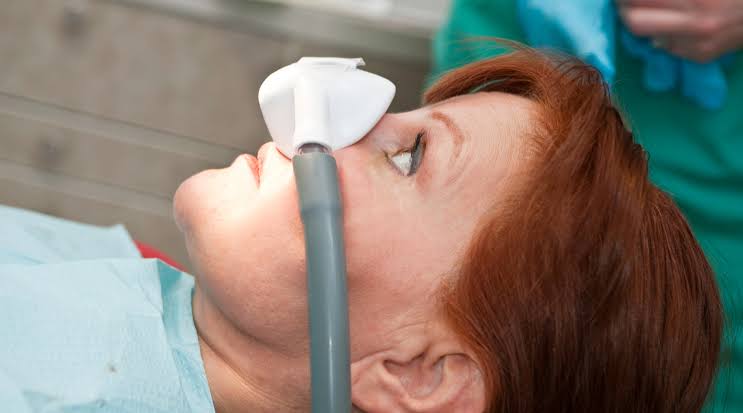
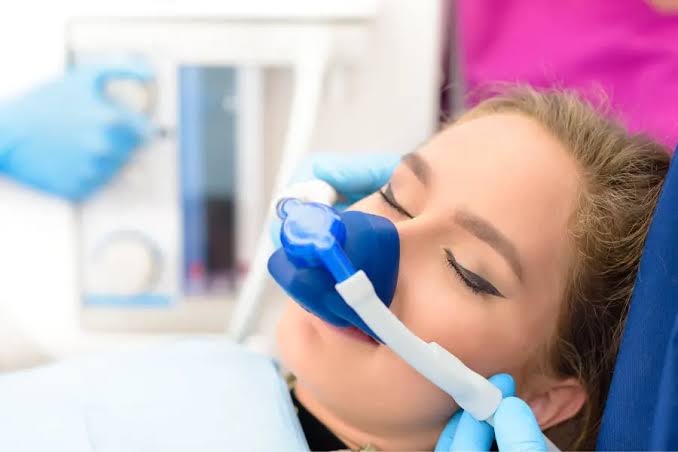
Nitrous oxide is a colorless, sweet-smelling gas that dentists mix with oxygen and deliver through a small mask placed over the nose.
Patients breathe it in and quickly feel relaxed, mildly euphoric, and less anxious, while remaining fully awake and able to respond to instructions.
It has been used in dental settings since the mid-1800s, making it one of the oldest sedation methods still available today.
Yes, nitrous oxide is still used by many dental offices, especially for children, mildly anxious patients, and short procedures.
It has not disappeared entirely, but its overall use has declined as newer sedation options have become more widely available and affordable.
Some dental practices have phased it out completely in favor of oral or IV sedation combined with modern numbing techniques.
Nitrous oxide only provides mild to moderate sedation, which is not enough for longer or more invasive procedures.
Patients undergoing extractions, root canals, or implant surgery often need a deeper level of relaxation than laughing gas can offer on its own.
Nitrous oxide primarily reduces anxiety rather than actual pain, so dentists still need local anesthesia for the procedure itself.
This means it does not fully solve discomfort for patients who fear the sensation of a dental injection or drilling.
Oral sedatives and IV sedation can produce deeper relaxation and even partial memory loss of the procedure, which many anxious patients prefer.
These methods give dentists more precise control over sedation depth throughout longer or more complex treatments.
Modern numbing agents and injection techniques are faster, more targeted, and longer lasting than those available decades ago.
Better local anesthesia has reduced the need for anxiety-focused sedation like nitrous oxide for many routine procedures.
Nitrous oxide misuse outside medical settings has raised public safety concerns, even though supervised dental use remains considered safe.
Reports linking recreational misuse to nerve damage and oxygen deprivation have made some patients more hesitant about the gas in general.
Nitrous oxide requires patients to breathe steadily through the nose, which is difficult for people with congestion, breathing problems, or claustrophobia.
Pregnant patients and those with certain respiratory conditions may also need to avoid it, limiting who can safely receive it.
Properly administering nitrous oxide requires gradually increasing the gas percentage and then allowing recovery time on pure oxygen afterward.
This adds extra chair time compared to simply numbing the area with a local anesthetic for quick procedures.
Patients today often expect stronger, more complete comfort during dental visits than mild anxiety relief alone.
This growing expectation has pushed many practices toward oral sedation or IV sedation as the primary comfort option.
Laser technology allows some procedures to be performed with less discomfort and vibration, reducing the anxiety that once required sedation.
Practices using laser tools often find that fewer patients request or need nitrous oxide for routine treatments.
Maintaining nitrous oxide delivery systems requires specific equipment, storage, and staff training that adds ongoing operational cost.
Some smaller practices find it more efficient to invest in alternative sedation training instead of maintaining nitrous oxide systems.
| Sedation Type | Sedation Depth | Onset Time | Pain Relief | Recovery Time |
|---|---|---|---|---|
| Nitrous oxide | Mild | Fast, minutes | Minimal | Fast, minutes |
| Oral sedation | Moderate | 30 to 60 minutes | Minimal, needs local anesthesia | Several hours |
| IV sedation | Moderate to deep | Very fast | Minimal, needs local anesthesia | Several hours |
| Local anesthesia | None, numbing only | Minutes | High, targeted | Short |
| General anesthesia | Deep, unconscious | Fast | Complete | Extended |
Despite the decline, nitrous oxide still offers real advantages that keep it relevant for certain patients and procedures.
Nitrous oxide remains a strong choice for specific patients and short procedures where deep sedation is not necessary.
Certain cases call for stronger sedation than nitrous oxide can provide on its own.
Choosing the right sedation method depends on several factors specific to each patient and procedure.
Your dentist will consider your anxiety level, medical history, procedure complexity, and any breathing or medication concerns before recommending an option.
Patients are usually asked directly about their comfort preferences, since sedation choice significantly affects the overall visit experience.
The goal is always matching the mildest effective sedation to the procedure, rather than defaulting to the strongest option available.
Nitrous oxide is also a greenhouse gas, and some dental practices have factored sustainability into their sedation choices.
While this is rarely the primary reason a practice moves away from it, environmental awareness has become an additional consideration in some clinics.
A few misconceptions persist about laughing gas that are worth clearing up for anxious patients.
Myth: nitrous oxide has been banned in dentistry. This is false, it remains legal and approved for dental use in the United States.
Myth: nitrous oxide fully eliminates pain. In reality, it reduces anxiety but does not replace the need for local anesthesia during procedures.
Myth: all dentists have stopped offering it. Many practices still offer nitrous oxide, particularly for pediatric patients and mildly anxious adults.
If your dentist has phased out nitrous oxide, they will typically discuss alternative comfort options during your consultation.
Most offices now offer oral sedation, IV sedation, or enhanced local anesthesia techniques as replacements for anxious patients.
It is always reasonable to ask directly about available sedation options before scheduling a procedure that makes you nervous.
Nitrous oxide was first discovered in the late 1700s and became known for its ability to induce laughter, which is how it earned the nickname laughing gas.
Dentists began using it for pain management in the mid-1800s, and it became a standard sedation tool throughout the twentieth century.
For decades, it was considered the gold standard for reducing dental anxiety because it worked quickly and wore off just as fast.
Understanding this long history helps explain why so many patients are surprised when they notice it missing from a modern dental visit.
Once inhaled, nitrous oxide travels quickly through the lungs and into the bloodstream, reaching the brain within seconds.
It works by depressing the central nervous system slightly, which lowers anxiety and creates a mild sense of euphoria.
Unlike stronger sedatives, it does not cause unconsciousness, so patients remain alert and able to follow instructions throughout the procedure.
Because the gas is eliminated from the body almost entirely through breathing, recovery is faster than with sedatives absorbed through the digestive system or bloodstream.
Not every practice has phased out nitrous oxide, and some dentists consider it an essential part of their sedation toolkit.
Pediatric dentists in particular often continue using it because children respond well to its fast onset and lack of needles.
Family practices serving anxious but otherwise healthy patients also tend to keep it available as a low-risk, low-cost comfort option.
For dentists who see a high volume of short, routine procedures, nitrous oxide remains efficient and easy to manage.
Insurance coverage can influence which sedation method a dental practice offers most often to patients.
Nitrous oxide is generally less expensive than IV sedation and is more likely to be covered, at least partially, by dental insurance plans.
IV sedation and oral sedation often carry higher out-of-pocket costs, which can affect how frequently practices recommend them.
Patients concerned about cost should always ask about pricing differences between sedation options before agreeing to a treatment plan.
Administering nitrous oxide safely requires specific training and, in most states, a separate certification beyond a general dental license.
Deeper sedation methods like IV sedation require even more advanced certification, additional monitoring equipment, and sometimes an anesthesiologist on staff.
Some smaller practices choose to refer patients elsewhere for deep sedation rather than investing in the equipment and training themselves.
This licensing complexity is one more practical reason some offices simplify their approach by focusing on fewer sedation methods.
Patient feedback has played a real role in shaping which sedation methods practices choose to emphasize.
Some patients report that nitrous oxide alone feels insufficient for their anxiety level, prompting them to request stronger options.
Others specifically prefer nitrous oxide because it allows them to drive home immediately and avoid missing work or childcare responsibilities.
This mixed feedback is part of why many practices now offer multiple sedation tiers instead of relying on one default method.
Preparing properly for a sedation appointment helps ensure a smoother, safer experience regardless of which method your dentist uses.
Most sedation methods are safe, but it helps to know what mild side effects can occur afterward.
| Sedation Type | Possible Side Effects |
|---|---|
| Nitrous oxide | Nausea, lightheadedness, headache |
| Oral sedation | Drowsiness, dry mouth, grogginess |
| IV sedation | Nausea, temporary memory gaps, drowsiness |
| Local anesthesia | Numbness lasting a few hours, minor swelling |
Most side effects resolve within a short time and are not considered medical emergencies.
Contact your dentist promptly if you experience severe dizziness, difficulty breathing, or an allergic reaction after any sedation method.
Several non-sedative strategies can help reduce dental anxiety if nitrous oxide is not offered or not right for you.
Before your next appointment, consider asking these questions to understand your comfort options fully.
Dental sedation continues to evolve as technology and patient expectations change over time.
Some practices are exploring digital distraction tools, such as virtual reality headsets, to reduce anxiety without relying on medication at all.
Advances in local anesthesia delivery, including computer-controlled injection systems, continue to make numbing more comfortable and precise.
It is likely that nitrous oxide will remain available for specific patients even as newer, non-drug comfort methods continue to expand.
Dental teams follow specific safety protocols to ensure nitrous oxide sedation remains low risk for every patient.
Oxygen levels are carefully monitored throughout the procedure, and patients always breathe pure oxygen for several minutes before leaving the chair.
Equipment is regularly inspected for leaks, and staff receive training on proper gas ratios and emergency response procedures.
These consistent safety standards are a major reason nitrous oxide remains classified as a safe option when used correctly in a clinical setting.
Recovery time is often the deciding factor for patients choosing between sedation options, especially those with busy schedules.
Nitrous oxide clears from the body within minutes, letting most patients drive themselves home and return to work the same day.
Oral and IV sedation require several hours of recovery time and always require a responsible adult to provide transportation home.
This difference alone explains why many adults with mild anxiety still request nitrous oxide even when stronger options are available.
Certain patient groups require extra consideration before nitrous oxide is recommended as a sedation option.
Patients with chronic obstructive pulmonary disease or other lung conditions may struggle to breathe consistently through the required nasal mask.
Individuals with a history of substance misuse may also be evaluated more carefully, given the gas’s mild euphoric effect.
Dentists typically review a full medical history before every sedation appointment to confirm nitrous oxide is appropriate for that specific patient.
Many dentists have shifted to oral or IV sedation because these methods offer deeper, more reliable comfort for complex procedures.
Yes, nitrous oxide remains completely legal and approved for supervised use in dental practices across the United States.
Yes, it remains one of the most common sedation choices for children due to its fast onset and quick recovery.
When administered properly by trained professionals, nitrous oxide is considered safe, with risks mainly tied to recreational misuse elsewhere.
Oral sedation and IV sedation have become the most common replacements, offering deeper relaxation for longer procedures.
No, it mainly reduces anxiety and discomfort perception, while local anesthesia is still needed to manage actual pain.
Effects wear off within minutes once pure oxygen is administered, allowing most patients to drive themselves home safely.
Pregnant patients are generally advised to avoid nitrous oxide, and dentists typically recommend alternative comfort methods instead.
It depends on the procedure. Nitrous oxide suits quick, mild-anxiety visits, while oral sedation suits longer or more invasive treatments.
Yes, it is always reasonable to ask directly, since availability varies significantly between different dental practices.
Nitrous oxide has not disappeared from dentistry, but its role has clearly changed over the past several years. Dentists increasingly favor oral sedation, IV sedation, and improved local anesthesia because these options offer deeper comfort, more predictable results, and better suitability for complex procedures.
Safety concerns tied to recreational misuse, along with nitrous oxide’s limited sedation depth, have also pushed many practices toward stronger alternatives.
Still, laughing gas remains a fast, needle-free option that works well for children and patients with mild anxiety. If you are curious about your options, ask your dentist directly which sedation method fits your specific procedure and comfort needs.