
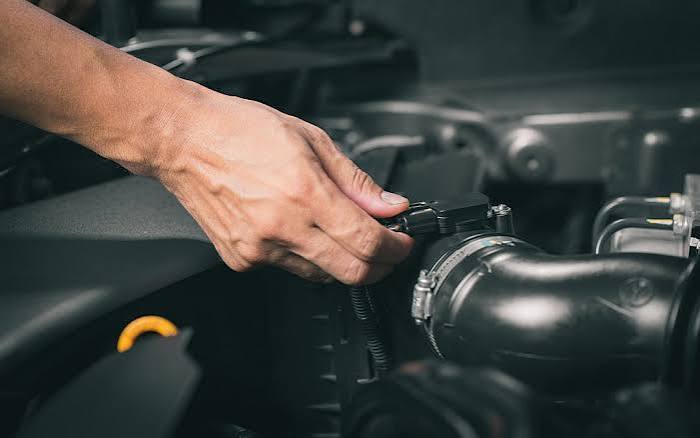
You’re sitting at a red light or idling in the driveway, and the RPM needle starts creeping up, dropping, then climbing again — for no reason you can see. It’s unsettling, especially if you don’t know whether it’s normal engine behavior or the first sign of a bigger repair bill.
Why Does My RPM Go Up and Down While Parked? Quick answer: A small, steady RPM wobble of about 25–50 RPM is normal — it’s your engine’s computer fine-tuning idle speed. Swings larger than that, or ones paired with shaking, stalling, or a check engine light, usually point to a vacuum leak, a dirty or failing idle air control (IAC) valve, a dirty throttle body, a bad sensor, or an electrical issue.
Below, you’ll learn exactly what counts as normal, the most common real causes ranked by likelihood, how to narrow down which one you have, and roughly what each fix costs.
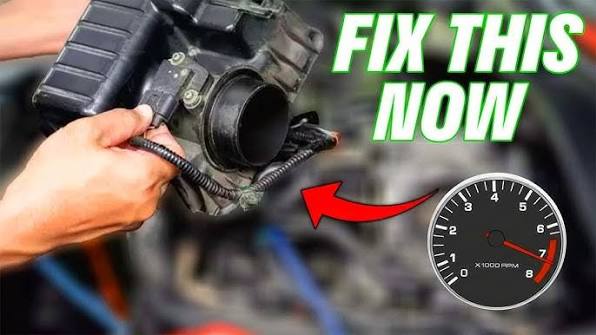
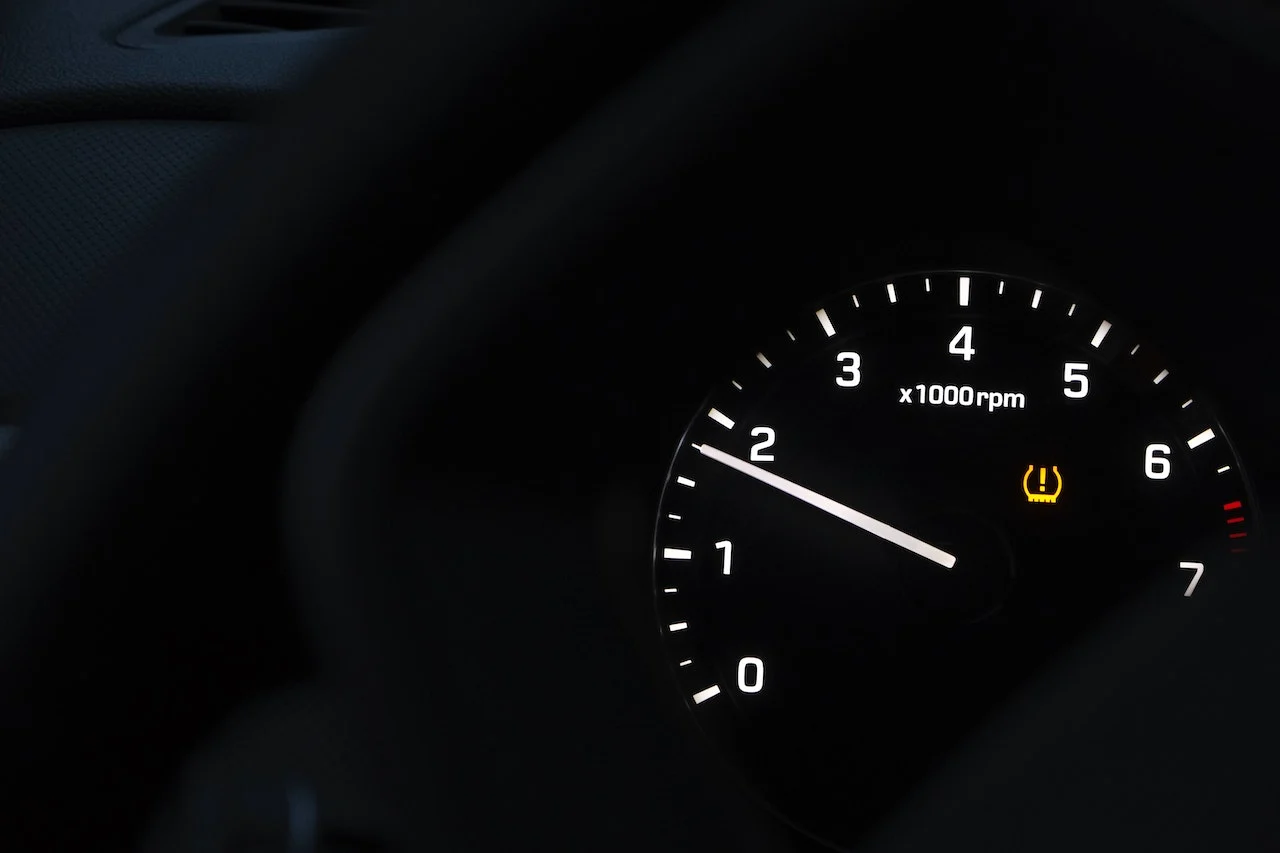
Most gasoline engines idle somewhere between 600 and 1,000 RPM when parked, depending on the make, model, and engine size. Modern engines don’t use a fixed idle speed — a computer-controlled valve or servo constantly nudges airflow to keep the engine from stalling or racing, which is why the needle rarely sits perfectly still.
If your fluctuations fall in the second list, one of the causes below is almost always responsible.
Your engine relies on a sealed vacuum system to keep the air-fuel mixture accurate. A cracked hose, loose intake gasket, or split vacuum line lets in unmeasured air. The engine control unit doesn’t account for this extra air, so the mixture runs lean, and the idle hunts or surges as the computer tries to compensate.
Tell-tale sign: A faint hissing noise near the intake, or idle changes when you spray a small amount of soapy water/carb cleaner around hose connections (a “catch” or RPM change means you found the leak).
The IAC valve manages how much air bypasses the throttle plate at idle. When it gets coated in carbon or oil residue, it can stick or respond inconsistently, causing the RPM to swing up and down on its own.
Tell-tale sign: Idle issues that show up mostly when the engine is warm, or trouble codes like P0505–P0507.
Carbon buildup on the throttle plate restricts and distorts airflow, even when your foot is off the pedal. This uneven airflow translates directly into an uneven idle.
Tell-tale sign: Idle smooths out noticeably after a throttle body cleaning.
The MAF sensor tells the computer how much air is entering the engine. A dirty or failing sensor sends incorrect data, so the computer miscalculates fuel delivery and the RPM hunts as it overcorrects.
Tell-tale sign: Poor fuel economy and hesitation alongside the fluctuation; often paired with a check engine light.
The TPS reports throttle position to the engine computer. If it sends a glitchy signal even with your foot off the pedal, the computer misreads the input and adjusts idle speed incorrectly.
Weak or inconsistent spark causes intermittent misfires. At idle, misfires are especially noticeable as RPM dips and small surges as the engine “catches up.”
A partially clogged injector delivers inconsistent fuel to one or more cylinders, creating uneven combustion and a rough, wandering idle.
Idle stability depends on steady voltage to the engine computer and sensors. A weak battery or a failing alternator can cause voltage dips that show up as RPM flutter, especially when accessories are running.
When the A/C compressor clutch or power steering pump engages, it adds mechanical load to the engine. The computer briefly raises idle speed to compensate — this is usually normal, but a worn compressor or pump can make the swing larger and slower to settle than it should be.
On engines with variable valve timing, a failing cam phaser disrupts precise valve timing, which throws off the air-fuel balance and shows up as fluctuating idle and weak acceleration.
Cold engines idle higher until they reach operating temperature, and that warm-up idle can hunt more than usual. This is expected for the first minute or two; idle roughness that continues well after warm-up is not.
| Symptom Pattern | Most Likely Cause | DIY Check |
|---|---|---|
| Hissing sound, RPM changes near intake hoses | Vacuum leak | Spray soapy water/carb cleaner around hoses |
| Idle rough only after warm-up | IAC valve | Check for carbon buildup, clean or replace |
| Sluggish throttle response + rough idle | Dirty throttle body | Inspect and clean throttle plate |
| Check engine light + poor fuel economy | MAF or O2 sensor | Pull codes with an OBD2 scanner |
| RPM dips under electrical load | Weak battery/alternator | Test battery voltage (should read ~13.5–14.5V running) |
| Shaking, misfire feel | Spark plugs/coils | Check codes for cylinder-specific misfire (P030x) |
| Worse in cold, resolves after warm-up | Normal cold-start behavior | No action needed if it stops after 1–2 minutes |
| Repair | Typical Cost Range |
|---|---|
| Throttle body cleaning | $80–$150 |
| Vacuum hose/gasket replacement | $80–$250 |
| IAC valve replacement | $120–$300 |
| Spark plug/ignition coil replacement | $200–$400 |
| MAF or TPS sensor replacement | $150–$350 |
| Fuel injector cleaning or replacement | $200–$600+ |
| Battery or alternator replacement | $150–$600 |
Prices vary by vehicle make, model, labor rates, and region — treat these as general planning ranges, not quotes.
Small, steady hunting is safe to ignore. But if the RPM swings are large, the car shakes, or the engine nearly stalls, avoid extended driving until it’s checked. Unburned fuel from a misfire or lean-running condition can travel into the exhaust system and damage the catalytic converter over time, turning a $150 fix into a much more expensive one.
Yes. A gentle wobble of about 25–50 RPM is the engine computer maintaining idle speed and is nothing to worry about.
Most vehicles idle between 600 and 1,000 RPM, though this varies by make, model, and engine size.
The A/C compressor adds load to the engine, so the computer briefly raises idle speed to prevent stalling. This is normal.
Yes, it’s one of the most common causes. Unmetered air throws off the air-fuel mixture, causing the idle to hunt or surge.
This usually points to a more serious vacuum leak, a failing idle control valve, or a fuel delivery problem, and should be diagnosed soon.
Yes. Unstable voltage from a weak battery or failing alternator can disrupt the signals the engine computer relies on to manage idle.
Yes, temporarily. Engines idle higher during warm-up in cold weather, and slight fluctuation during that period is normal.
A mechanic can test both directly, but a good starting point is a throttle body cleaning first since it’s inexpensive and often resolves both symptoms if carbon buildup is the cause.
Often, yes. An OBD2 scanner can reveal codes tied to the MAF sensor, TPS, IAC valve, or misfires, which narrows down the cause significantly.
Mild fluctuation is safe. Large swings, stalling, or shaking should be checked before driving extensively, as they can risk further engine or exhaust system damage.
Cleaning the throttle body, checking vacuum hoses, and replacing spark plugs are all reasonable DIY jobs. Sensor diagnosis and fuel system repairs are best left to a mechanic.
This often points to the IAC valve or throttle body, since carbon deposits behave differently once the engine reaches operating temperature.