
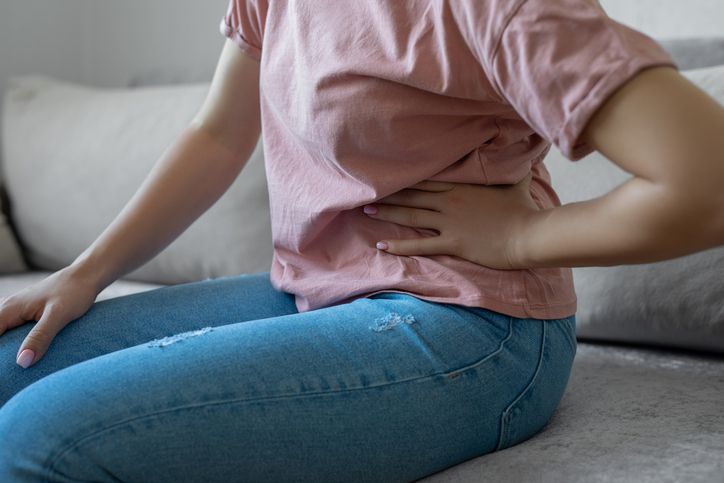
Why does my left lower abdomen hurt is one of the most common health questions people search for, since this area sits close to several organs at once.
The pain can feel dull and crampy or sharp and sudden, and each pattern often points to a different cause.
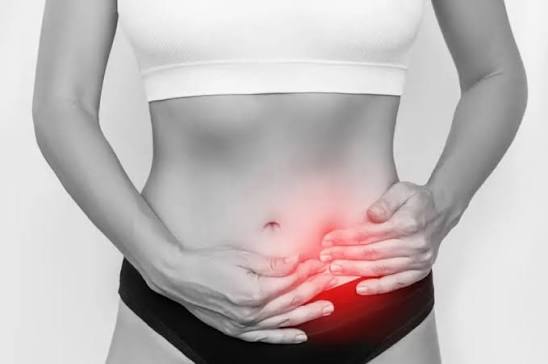
The lower left abdomen is the area below the belly button and to the left, sometimes called the left lower quadrant.
Several structures sit in this region, including part of the descending colon, the sigmoid colon, the left kidney and ureter, and in women, the left ovary and fallopian tube.
Because so many organs overlap in this small space, pinpointing the exact cause of pain here usually requires looking at additional symptoms, not just location alone.
Left lower abdominal pain can come from digestive issues, urinary tract problems, reproductive conditions, or even a strained muscle.
The most common single cause in adults is diverticulitis, a condition where small pouches in the colon wall become inflamed or infected.
Other frequent causes include constipation, gas, irritable bowel syndrome, kidney stones, and in women, ovarian cysts or menstrual cramps.
Most cases of left lower abdominal pain trace back to the digestive system, since the colon takes up a large part of this region.
When stool builds up in the colon, it stretches the intestinal wall and creates a dull, achy pressure in the lower left abdomen.
This type of pain usually improves gradually with more water, fiber, and movement, rather than appearing suddenly or worsening quickly.
Trapped gas can stretch the intestines and cause sharp or dull discomfort that sometimes shifts position as the gas moves through the bowel.
This pain is usually temporary and often eases after passing gas, having a bowel movement, or light walking.
Diverticula are small pouches that form in the colon wall, most often in the sigmoid colon on the lower left side.
On their own, diverticula usually cause no symptoms at all, a condition known as diverticulosis.
When these pouches become inflamed or infected, the condition is called diverticulitis, and it typically causes steady, worsening pain along with fever and nausea.
Roughly 60% of people over age 60 develop diverticula, and up to 10% of them go on to experience diverticulitis at some point.
IBS is a chronic condition affecting the large intestine, often causing cramping, bloating, and irregular bowel habits that come and go over time.
Pain from IBS tends to fluctuate with diet, stress, and hormonal changes, rather than steadily worsening like an infection would.
Crohn’s disease and ulcerative colitis are the two main types of IBD, and both can cause inflammation anywhere along the digestive tract.
Because these conditions often affect the large intestine, pain can localize in the lower left abdomen along with diarrhea or blood in the stool.
A blockage in the small or large intestine prevents stool or gas from passing through normally, leading to cramping pain, bloating, and vomiting.
This is considered a medical emergency, especially if paired with an inability to pass stool or gas at all.
The left kidney and ureter sit toward the back of the lower left abdomen, so problems here can cause pain that wraps around to the front.
As a kidney stone moves through the left ureter, it can cause sudden, sharp pain that comes in intense waves rather than staying constant.
This pain often radiates from the back or side toward the lower abdomen and groin, and may be accompanied by blood in the urine.
A UTI can cause cramping or a burning sensation that sometimes radiates toward the lower abdomen, along with a frequent urge to urinate.
Left untreated, a UTI can spread to the kidneys, so persistent urinary symptoms alongside abdominal pain should be checked by a doctor.
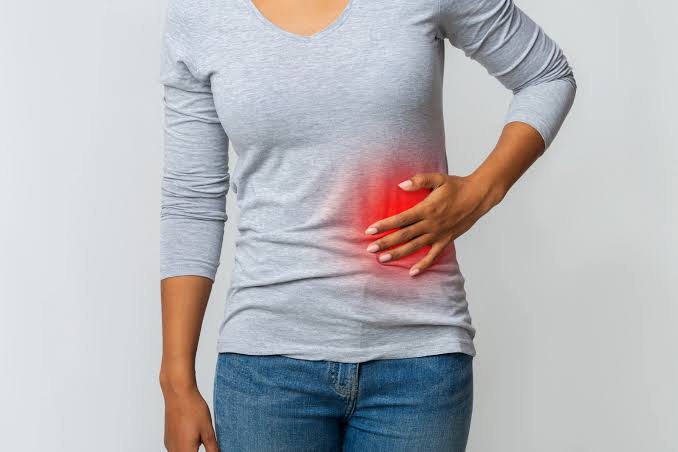
For women, the left ovary and fallopian tube are also located in this region, adding several possible reproductive causes.
Ovarian cysts are fluid-filled sacs that are usually harmless, but larger cysts can cause dull pressure or sharp pain if they twist or rupture.
Cramping tied to the menstrual cycle often causes dull, crampy pain in the lower left or right abdomen depending on which ovary released an egg.
This pain is usually predictable, tied to the cycle, and improves within a day or two.
Endometriosis occurs when tissue similar to the uterine lining grows outside the uterus, often causing chronic pelvic pain that worsens around menstruation.
An ectopic pregnancy happens when a fertilized egg implants outside the uterus, most often in a fallopian tube, and can cause sharp, one-sided pain.
This condition can become life-threatening if the tube ruptures, so sharp abdominal pain during a known or possible pregnancy needs urgent evaluation.
Not every case of left lower abdominal pain comes from an internal organ. Sometimes the cause is much simpler.
Excessive coughing, sneezing, or intense exercise can strain the abdominal wall muscles, creating pain that feels internal but is actually muscular.
This pain typically worsens with movement or touch and improves with rest, unlike pain from an infection or organ problem.
A hernia occurs when tissue pushes through a weak spot in the abdominal wall, sometimes creating a visible or palpable lump along with discomfort.
Hernias usually do not heal on their own and often require a medical evaluation to determine the right treatment approach.
The type of pain you feel can offer useful clues about what might be causing it.
| Pain Type | Common Causes | General Pattern |
|---|---|---|
| Dull, achy, crampy | Constipation, gas, IBS, mild diverticulosis, menstrual cramps | Gradual onset, often improves with simple care |
| Sharp, sudden, localized | Diverticulitis, kidney stones, ovarian torsion, ectopic pregnancy | Rapid onset, often worsens without treatment |
| Comes in waves | Kidney stones | Intense episodes with brief relief between waves |
| Steady and worsening | Diverticulitis, appendicitis-like inflammation, obstruction | Progressively more painful over hours to days |
This table is a general guide only. The same condition can feel different from person to person, so location and pattern should never replace a medical evaluation.
Grouping causes by the organ involved can make it easier to understand why does my left lower abdomen hurt in your specific situation.
| Organ System | Possible Conditions |
|---|---|
| Digestive | Constipation, gas, IBS, diverticulitis, IBD, obstruction |
| Urinary | Kidney stones, UTI, kidney infection |
| Reproductive (women) | Ovarian cysts, endometriosis, menstrual cramps, ectopic pregnancy |
| Musculoskeletal | Muscle strain, hernia |
| Referred pain | Conditions in the chest or opposite abdominal organs |
Most causes of left lower abdominal pain are not dangerous, but certain symptoms should never be ignored.
| Red Flag Symptom | Why It Matters |
|---|---|
| Sudden, severe pain | May indicate rupture, torsion, or perforation |
| Rigid or distended abdomen | Can signal peritonitis or obstruction |
| Fever with abdominal pain | Suggests infection such as diverticulitis or appendicitis-like inflammation |
| Blood in stool or urine | May point to bleeding, infection, or a serious bowel condition |
| Persistent vomiting | Could indicate obstruction or severe infection |
| Fainting or dizziness | May suggest internal bleeding or a ruptured ectopic pregnancy |
| Pregnancy with sharp pain | Requires immediate evaluation for ectopic pregnancy |
If you notice any of these symptoms, seek medical care right away instead of waiting to see if the pain improves on its own.
Because so many conditions can cause pain in this exact spot, doctors usually combine several tools to narrow down the cause.
A physical exam and detailed history of when the pain started, how it feels, and what makes it better or worse is usually the first step.
Blood tests can reveal signs of infection or inflammation, while urine tests can check for a UTI or blood that might suggest a kidney stone.
Imaging such as a CT scan with contrast is often used to confirm diverticulitis, while ultrasound is commonly used to evaluate ovarian or pelvic causes.
| Test | What It Helps Identify |
|---|---|
| Blood tests | Infection, inflammation markers |
| Urinalysis | UTI, kidney stones, blood in urine |
| CT scan with contrast | Diverticulitis, abscess, obstruction |
| Ultrasound | Ovarian cysts, pelvic conditions, kidney issues |
| Colonoscopy | IBD, polyps, structural colon issues |
For mild, non-urgent pain, several simple steps can often bring relief while the underlying issue resolves on its own.
These steps are meant for mild, manageable discomfort only, not for sudden or severe pain, which needs prompt medical attention.
What you eat can directly affect how often and how severely lower left abdominal pain shows up.
Foods high in fat, artificial sweeteners, or excess processed sugar are known to worsen bloating and cramping in sensitive digestive systems.
Low fiber intake is strongly linked to constipation and diverticular disease, making a gradual increase in whole grains, fruits, and vegetables beneficial long term.
Stress also plays a real role, since it can directly affect gut motility and worsen symptoms in conditions like IBS.
Regular physical activity supports healthy bowel movement and can reduce how often gas and bloating build up in the intestines.
Pain patterns and likely causes can shift depending on age, sex, and other individual factors.
| Group | More Likely Causes |
|---|---|
| Older adults | Diverticulitis, diverticulosis, constipation |
| Women of reproductive age | Ovarian cysts, menstrual cramps, endometriosis, ectopic pregnancy |
| Younger adults | IBS, gas, muscle strain, constipation |
| People with a family history of IBD | Crohn’s disease, ulcerative colitis |
This is a general pattern only, since any of these causes can technically occur at any age or in any group.
Sometimes pain in the lower left abdomen does not actually start in that area at all. This is known as referred pain.
Referred pain happens when nerves that serve two different areas of the body share a pathway, causing the brain to perceive pain in the wrong location.
For example, certain conditions affecting the left side of the chest or lower back can send pain signals that are felt in the lower left abdomen instead.
Testicular problems in men can also sometimes refer pain upward into the lower abdomen, since the nerve pathways are closely connected.
This is one reason doctors ask detailed questions about your full body, not just the abdomen, when trying to find the source of the pain.
While not every cause of lower left abdominal pain can be prevented, several habits can lower your overall risk.
Eating a fiber-rich diet with plenty of fruits, vegetables, and whole grains supports regular bowel movements and reduces strain on the colon wall.
Staying well hydrated throughout the day helps keep stool soft and reduces the chances of constipation-related pain.
Regular physical activity, even light daily walking, supports healthy digestion and can reduce the frequency of gas and bloating.
For women prone to ovarian cysts or cycle-related pain, tracking the menstrual cycle can help distinguish normal cramping from something that needs attention.
Routine checkups become especially important after age 40, since the risk of diverticular disease increases significantly with age.
Some people experience lower left abdominal pain that comes and goes over months or years rather than a single isolated episode.
Conditions like IBS, mild diverticulosis, or endometriosis often follow this pattern, with flare-ups triggered by diet, stress, or hormonal shifts.
Keeping a simple symptom diary that notes food intake, stress levels, and pain timing can reveal patterns that are easy to miss otherwise.
Sharing this information with a doctor often speeds up diagnosis significantly, since recurring patterns give more useful clues than a single description of pain.
Chronic pain does not always mean something dangerous, but it does deserve a proper long-term management plan rather than repeated short-term fixes.
If pain is mild, comes and goes, and improves with simple home care, it is usually safe to monitor it for a short period.
However, you should schedule a doctor’s visit if pain lasts more than a few days, keeps returning, or interferes with daily activities.
Persistent changes in bowel habits, unexplained weight loss, or ongoing digestive symptoms are also strong reasons to get a proper evaluation.
Even when a cause turns out to be minor, getting a clear diagnosis is the safest way to know exactly why does my left lower abdomen hurt and how to treat it correctly.
Before moving into the FAQ section, here is a condensed overview tying together the main points covered in this guide.
| Category | Most Common Cause | Typical Pain Pattern |
|---|---|---|
| Digestive | Diverticulitis, constipation, gas | Dull to steady, sometimes worsening |
| Urinary | Kidney stones, UTI | Sharp, wave-like or burning |
| Reproductive | Ovarian cysts, menstrual cramps | Dull to sharp, cycle-related |
| Musculoskeletal | Muscle strain, hernia | Localized, worsens with movement |
This table is a helpful starting point, but it cannot replace a proper exam if your pain is persistent, severe, or paired with other symptoms.
The most common cause in adults is diverticulitis, followed by constipation, gas, and irritable bowel syndrome affecting the colon.
No, most cases are mild and resolve with simple care, but sudden, severe, or worsening pain should be checked by a doctor.
Yes, stress can worsen conditions like IBS by affecting gut motility, leading to increased cramping and bloating in the lower abdomen.
Diverticulitis usually causes steady, worsening pain along with fever, nausea, and changes in bowel habits, unlike mild gas or constipation.
Yes, larger ovarian cysts can cause dull pressure or sudden sharp pain, especially if the cyst twists or ruptures.
Kidney stone pain is typically sharp, comes in intense waves, and may radiate from the back toward the groin.
Go immediately if pain is sudden and severe, paired with fever, vomiting, blood in stool or urine, or a rigid abdomen.
Yes, a buildup of stool in the colon can create noticeable dull, crampy pain that usually improves with hydration and fiber.
Mild, brief discomfort can be normal, but sharp or severe pain during pregnancy always needs prompt medical evaluation.
Doctors commonly use blood tests, urinalysis, CT scans, and ultrasound to identify the exact cause of the pain.
Left lower abdominal pain can come from a wide range of causes, from simple constipation and gas to more serious conditions like diverticulitis, kidney stones, or ovarian issues.
Paying attention to how the pain feels, whether it is dull or sharp, constant or coming in waves, along with any additional symptoms like fever or bleeding, can help you understand what might be going on.
Mild, short-lived discomfort often responds well to simple home care like hydration, fiber, and rest. However, sudden, severe, or worsening pain, especially with red flag symptoms, should never be ignored.
If you are still asking why does my left lower abdomen hurt after trying basic self-care, the safest next step is a proper evaluation from a healthcare provider who can pinpoint the exact cause and guide you toward the right treatment.