
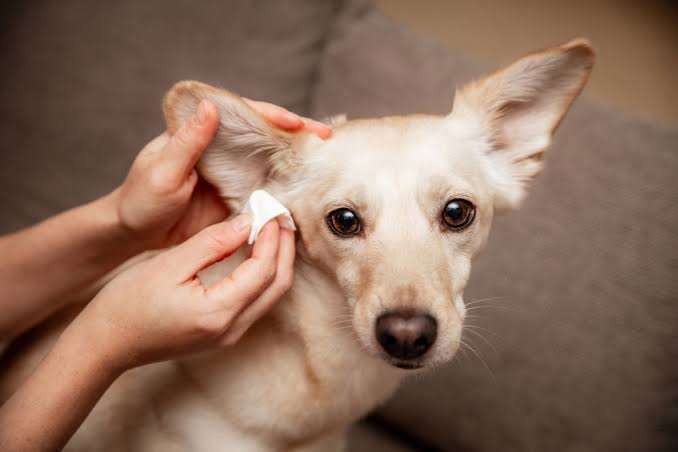
If you’ve treated your dog’s ear infection once — maybe even two or three times — and it just keeps coming back, you’re not doing anything wrong. Recurring ear infections are almost never “just an ear problem.” They’re usually a symptom pointing to something else going on in your dog’s body.
Quick answer: Why Does My Dog Keep Getting Ear Infections? when an underlying condition — most commonly allergies — keeps disrupting the ear’s natural balance of bacteria and yeast.
Ear shape (floppy, hairy, or narrow canals), excess moisture from swimming or bathing, hormonal disorders like hypothyroidism, and foreign objects like foxtails can all contribute. Treating the infection without identifying and managing the root cause is why it keeps returning.
This guide walks through exactly why recurring ear infections happen, which dogs are most at risk, the warning signs to watch for, and what a proper long-term treatment plan looks like.
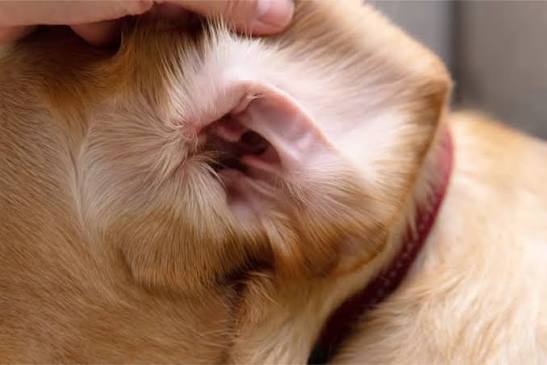
A dog’s ear canal naturally carries small amounts of yeast and bacteria — this is normal and harmless. Problems start when something disrupts the ear’s environment and lets those organisms multiply out of control. The two most common culprits found on ear cytology are the yeast Malassezia pachydermatitis and bacteria like Staphylococcus species.
Dogs are also just built for this kind of trouble. Unlike the human ear canal, a dog’s ear canal runs vertically before turning horizontally into an L-shape, which makes it easy for moisture, wax, and debris to get trapped rather than drain out.
Environmental allergies (pollen, dust, mold) and food allergies are the leading underlying cause of recurring ear infections in dogs. Allergic reactions break down the skin barrier inside the ear canal, which increases wax production and creates ideal conditions for yeast and bacteria to overgrow. If your dog also licks their paws, has recurring skin issues, or seems itchy in general, allergies are a strong suspect.
Dogs with long, floppy ears — like Cocker Spaniels, Basset Hounds, Beagles, and Bloodhounds — trap heat and moisture against the ear canal, creating a warm, humid environment where yeast and bacteria thrive. Dogs with narrow ear canals, excess ear hair, or overactive wax glands face the same risk, regardless of breed.
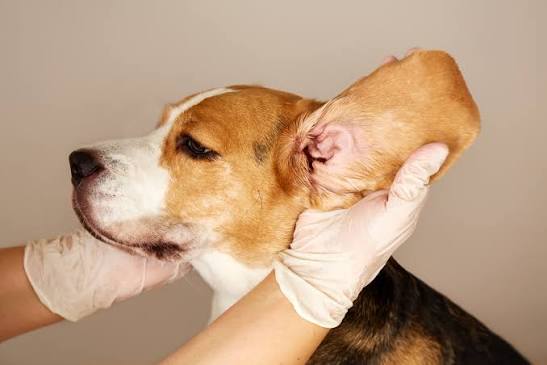
Water that gets trapped in the ear canal after a swim or bath is one of the most common everyday triggers. If your dog’s infections seem to flare up right after time in the water, incomplete drying is likely playing a role.
Hypothyroidism affects multiple body systems, including skin and immune function, and is a well-documented cause of recurring skin and ear infections in dogs. Other endocrine issues, such as Cushing’s disease, can contribute in a similar way.
Grass awns — commonly called foxtails — can work their way into the ear canal and cause ongoing irritation or infection until they’re removed. This is especially common in dogs that spend time in tall grass or brushy fields.
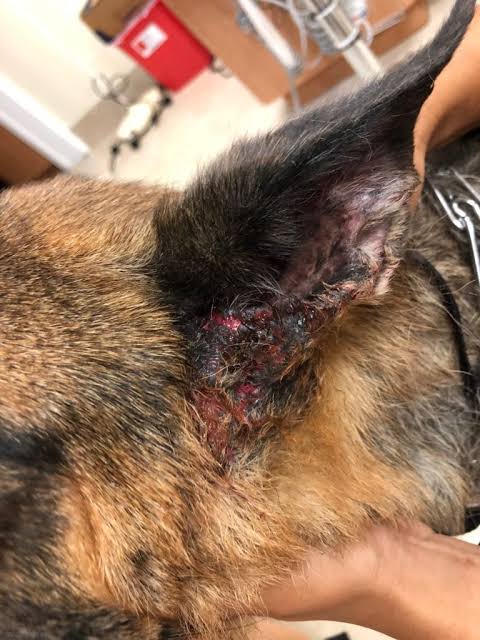
Left unaddressed, repeated infections can cause long-term changes to the ear canal itself — thickened tissue, scarring, and narrowing — which makes future infections more likely and harder to treat. This is why vets emphasize catching and fully resolving the underlying cause early, rather than treating each flare-up in isolation.
| Underlying Cause | How It Triggers Infection | Common Signs to Watch For |
|---|---|---|
| Allergies (environmental/food) | Breaks down skin barrier, increases ear wax | Itchy paws, skin redness, seasonal pattern |
| Floppy or hairy ears | Traps heat and moisture | Infections cluster in humid weather or after grooming |
| Swimming/bathing | Water trapped in canal | Flare-ups shortly after water exposure |
| Hypothyroidism | Weakens skin/immune defenses | Weight gain, lethargy, hair thinning |
| Foreign object (foxtail) | Physical irritation/blockage | Sudden onset, one ear only, head tilting |
| Chronic unresolved inflammation | Canal narrows, tissue thickens | Infections becoming harder to clear over time |
Watch for any combination of the following:
If your dog shows signs of head tilting, stumbling, or loss of balance, this can indicate the infection has reached the middle or inner ear and needs prompt veterinary attention.
While any dog can develop an ear infection, some breeds face a higher baseline risk due to ear shape, hair, or allergy tendencies:
Breed doesn’t guarantee an infection, but it does raise the baseline risk — which is exactly why prevention habits matter more for these dogs.
A one-time ear infection can sometimes be treated with a straightforward course of ear drops. But recurring infections need a deeper workup, because the drops only treat the symptom, not the reason it keeps happening. A thorough vet visit for chronic ear infections typically includes:
Expert tip: Don’t put over-the-counter ear treatments or leftover medication from a previous infection into your dog’s ear without checking with your vet first. Without cytology, you can’t know whether you’re treating yeast, bacteria, or both — and using the wrong product on an infected or irritated ear can make things worse.
| Approach | What It Can Do | What It Can’t Do |
|---|---|---|
| Regular ear cleaning | Remove excess wax and moisture, support prevention | Cure an active infection or identify the underlying cause |
| Over-the-counter ear drops | Provide short-term symptom relief in mild cases | Treat allergies, hormonal issues, or foreign objects |
| Vet-diagnosed treatment | Targets the exact organism (yeast/bacteria) and underlying cause | N/A — this is the path to actually breaking the cycle |
Because the infection itself was treated, but the underlying cause — most often allergies — wasn’t identified or managed, so the ear environment tips out of balance again.
Allergies, both environmental and food-related, are the most frequently identified underlying cause of chronic and recurrent ear infections in dogs.
Yes. Food allergies are strongly linked to ear infections, and a veterinary elimination diet trial is often used to identify a specific trigger ingredient.
Yes — breeds with long, floppy, or hairy ears (like Cocker Spaniels, Basset Hounds, and Beagles) are at higher risk because their ear shape traps moisture and limits airflow.
Yes. Water trapped in the ear canal after swimming creates a moist environment where yeast and bacteria can overgrow, especially if the ears aren’t dried thoroughly afterward.
No — frequent recurrence is a sign of an underlying issue that hasn’t been fully identified or treated, and it’s worth requesting a deeper workup rather than repeating the same short-term treatment.
Yes. Hypothyroidism affects the skin and immune system, and dogs with this condition are more prone to recurring skin and ear infections.
You can’t reliably tell from symptoms alone — a vet needs to examine a sample under a microscope (cytology) to identify the specific organism and choose the right treatment.
No. Human ear products aren’t formulated for a dog’s ear anatomy or the organisms involved, and using the wrong product can worsen irritation or damage the eardrum.
Yes. Foxtails and other grass awns can work their way into the ear canal and cause sudden, often one-sided infections that require removal by a vet.
As soon as you notice scratching, odor, discharge, or head shaking — early treatment is more comfortable for your dog and less likely to lead to complications.
Yes. Chronic, untreated infections can damage the structures inside the ear and, in severe or long-standing cases, contribute to permanent hearing loss.
Surgery is typically only considered in severe, long-standing cases where the ear canal has narrowed or scarred beyond what medication can resolve — most dogs improve with medical treatment and management of the underlying cause.
This depends on your dog’s risk level and your vet’s recommendation — dogs prone to infections may benefit from cleaning once or twice weekly, while others need it far less often.
Yes. Cleaning too frequently or using the wrong solution can irritate the ear canal and disrupt its natural balance, so it’s best to follow your vet’s specific guidance.