
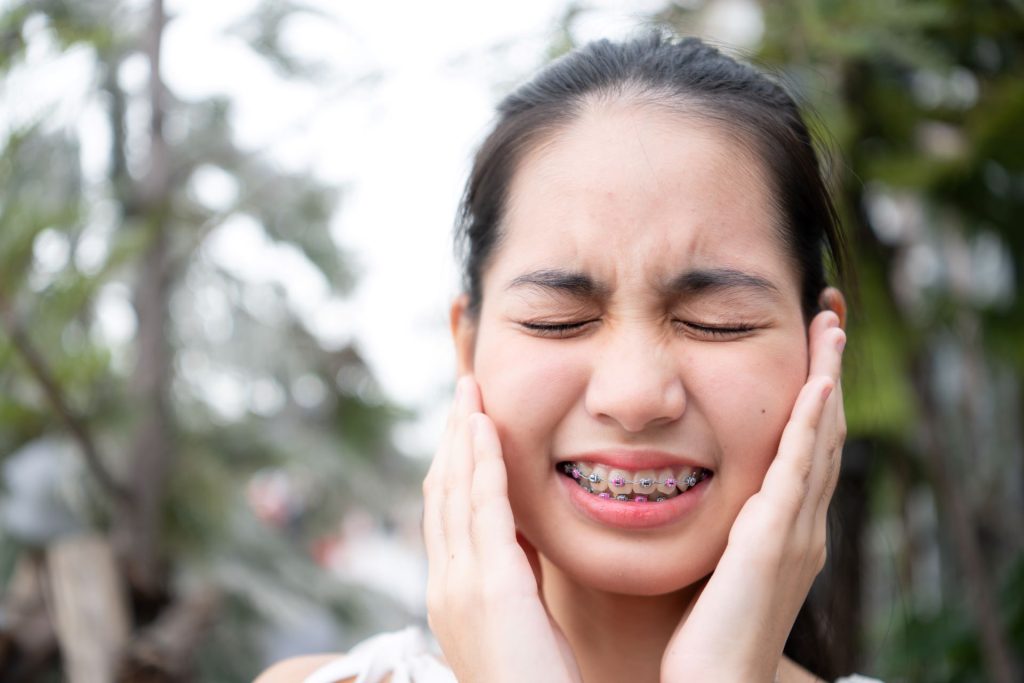
Why do my teeth hurt when I’m sick is a strange but surprisingly common question, especially during cold and flu season. The teeth themselves are often perfectly healthy, even though the pain feels very real and very dental.
In most cases, this pain comes from sinus pressure, dry mouth, or general inflammation tied to your illness rather than an actual tooth problem.
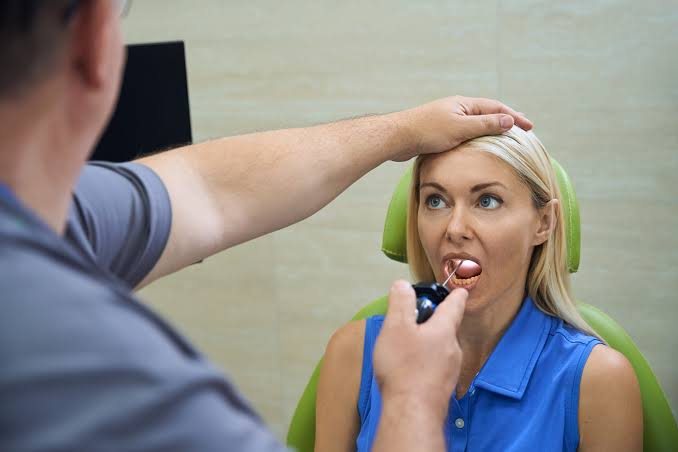
For most people, tooth pain during illness traces back to the sinuses, not the teeth themselves. This is more common than many people realize.
Your upper back teeth sit extremely close to the maxillary sinuses, the largest pair of sinus cavities located behind your cheekbones.
When those sinuses become inflamed or filled with mucus during illness, the pressure pushes down toward the roots of your upper teeth.
Before going deeper, here’s a fast summary connecting the most common causes to their typical pattern and pain type.
| Cause | Typical Pain Pattern | Teeth Affected |
|---|---|---|
| Sinus pressure | Dull, constant ache | Multiple upper back teeth |
| Dry mouth | Sensitivity, soreness | Varies, often widespread |
| Immune inflammation | Mild gum and ligament soreness | Can feel widespread |
| Teeth grinding | Aching jaw and teeth | Often molars, both sides |
| Existing dental issue | Sharp, localized pain | Usually one tooth |
The roots of your upper molars sit very close to the floor of the maxillary sinuses. In some people, only a thin layer of bone separates them.
When the sinus lining swells from a cold, flu, or sinus infection, that pressure has nowhere to go but outward and downward.
This pressure irritates the nerves near the tooth roots, and since those nerves don’t distinguish between sinus and dental pain, it simply feels like a toothache.
Dentists sometimes call this referred pain, meaning the discomfort is felt in one location while the actual source is somewhere else entirely.
Telling these two apart is genuinely useful, since the fix for each is completely different. This table breaks down the key differences.
| Feature | Sinus Toothache | Dental Problem |
|---|---|---|
| Location | Multiple upper back teeth | Usually one specific tooth |
| Pain type | Dull, pressure-like ache | Sharp, throbbing, or shooting |
| Triggers | Bending over, lying down | Biting, hot or cold foods |
| Accompanying symptoms | Congestion, facial pressure | Swelling, visible redness |
| Timing | Worsens and fades with illness | Persistent regardless of illness |
If pain worsens when you bend forward or lie down, that’s one of the clearest signs the sinuses are involved rather than the tooth itself.
Illness often comes with dehydration, and many cold and flu medications, especially decongestants, dry out your mouth as a side effect.
Saliva plays an important role in washing away bacteria and neutralizing acids that would otherwise irritate teeth and gums.
When saliva flow drops, teeth can become more sensitive, and existing minor issues may suddenly feel more noticeable and uncomfortable.
Staying hydrated throughout your illness helps protect against this specific cause of tooth discomfort while you recover.
When your body fights off a virus, it releases inflammatory chemicals as part of the natural immune response to the infection.
This process can cause mild, temporary inflammation in the gums and the ligaments that hold your teeth in place.
For people who already have some gum sensitivity or early gum disease, this added inflammation can make existing discomfort feel noticeably worse.
This type of soreness usually fades on its own once the underlying illness clears and inflammation settles back down.
Stress, poor sleep, and general discomfort from being sick can all contribute to unconscious teeth grinding, especially during the night.
Grinding puts extra pressure on tooth surfaces and jaw muscles, which can lead to soreness that feels similar to a toothache.
| Grinding Sign | What It Suggests |
|---|---|
| Jaw soreness on waking | Nighttime grinding likely |
| Widespread molar ache | Pressure from clenching |
| Headache near temples | Jaw muscle tension |
| Flattened tooth surfaces | Long-term grinding pattern |
If grinding seems likely, a soft diet and gentle jaw stretches can help reduce discomfort while you recover from illness.
Fever itself doesn’t directly damage teeth, but the general inflammation and dehydration that come with it can heighten overall sensitivity.
Some people also notice increased sensitivity to temperature during a fever, which can make eating or drinking anything hot or cold uncomfortable.
This sensitivity typically resolves once the fever breaks and the body returns to its normal temperature and hydration levels.
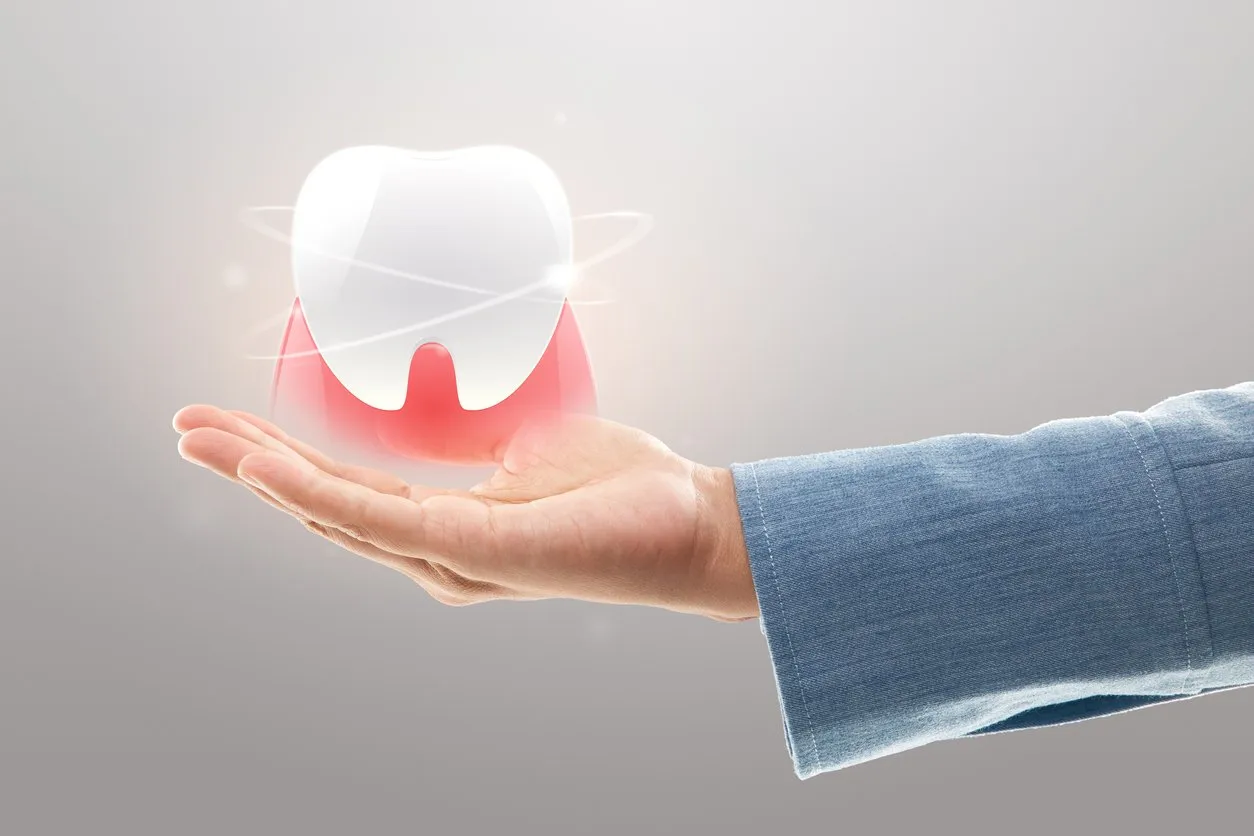
If your symptoms point toward sinus pressure rather than a dental problem, several simple remedies can offer meaningful relief.
Most of these remedies target the sinus pressure directly, which in turn reduces the referred pain felt in the teeth.
Several common medications can help manage both sinus pressure and the resulting tooth discomfort during illness.
| Medication Type | How It Helps |
|---|---|
| Decongestants | Reduces sinus swelling and pressure |
| Ibuprofen or acetaminophen | Relieves pain and reduces inflammation |
| Saline nasal spray | Helps clear congestion naturally |
| Antihistamines | Useful if allergies are contributing |
Always follow dosing instructions carefully, and check with a pharmacist if you’re combining multiple cold or flu medications.
A few clear patterns suggest the sinuses, not the teeth, are behind the pain you’re experiencing during illness.
If most of these apply, focusing on sinus relief is likely to resolve the tooth discomfort as a side effect.
Certain signs point toward an actual dental issue that needs professional attention rather than sinus-focused home care.
If your dentist rules out a dental cause, the next step is usually checking in with a doctor about a possible sinus infection.
Sometimes sinus symptoms need medical attention beyond home remedies, especially if an infection seems to be developing or worsening.
| Symptom | What It May Indicate |
|---|---|
| Symptoms lasting beyond 10 days | Possible bacterial sinus infection |
| High fever with facial pain | Infection needing evaluation |
| Swelling around the eyes | Possible spreading infection |
| Thick, discolored nasal discharge | Sign of bacterial involvement |
Most sinus infections resolve within seven to ten days, so symptoms persisting beyond that window are worth a medical evaluation.
Dental pain and sinus pain overlap so closely because of simple anatomy — the roots of your upper molars sit right beneath your sinus floor.
Nerves in this region carry pain signals without labeling their exact source, which is why sinus pressure can feel identical to a toothache.
This overlap is common enough that dentists routinely check for sinus involvement before assuming a purely dental cause for unexplained tooth pain.
Understanding this connection helps explain why an X-ray can sometimes show a perfectly healthy tooth despite very real, noticeable pain.

Interestingly, this relationship can also work in reverse. A dental infection can sometimes trigger sinus inflammation rather than the other way around.
This condition, called maxillary sinusitis of dental origin, happens when infection from a tooth spreads upward into the sinus cavity above it.
| Direction | Condition Name | Starting Point |
|---|---|---|
| Sinus to tooth | Sinus-referred tooth pain | Sinus inflammation |
| Tooth to sinus | Maxillary sinusitis of dental origin | Dental infection |
This is part of why dentists and doctors sometimes need to work together to pinpoint exactly where a problem originally started.
A few simple habits can help protect your oral health during illness, even while your main focus is on recovering.
Keep brushing and flossing on your usual schedule, even when you’re tired, since illness can make you more prone to skipping oral care.
Avoid sugary cough drops and syrups when possible, since prolonged sugar exposure combined with dry mouth increases cavity risk.
Rinse with alcohol-free mouthwash or warm salt water periodically to help manage bacteria while saliva production is temporarily reduced.
Not every illness affects the teeth the same way. A few specific conditions are far more likely to cause this kind of referred pain.
| Illness | Likelihood of Tooth Pain | Typical Pattern |
|---|---|---|
| Common cold | Moderate | Mild pressure, upper teeth |
| Sinus infection | High | Noticeable dull ache, multiple teeth |
| Seasonal allergies | Moderate | Comes and goes with flare-ups |
| Flu | Low to moderate | Mostly from dehydration and fever |
| COVID-19 | Low to moderate | Sinus congestion in some cases |
Sinus infections tend to produce the most noticeable tooth pain, simply because they cause more sustained pressure over a longer period than a typical cold.
Understanding the basic anatomy here makes the whole phenomenon much less confusing once you see how closely everything is packed together.
Your maxillary sinuses sit directly above your upper back teeth, separated in some people by only a very thin layer of bone.
The nerves that serve your teeth run through this same crowded region, close enough to the sinus floor that swelling easily puts pressure on them.
This tight anatomical relationship is exactly why upper teeth are affected far more often than lower teeth during sinus-related illness.
People often ask why sinus-related pain almost always shows up in the upper teeth and rarely, if ever, in the lower jaw.
The answer comes back to anatomy. The lower jaw sits well below the sinus cavities, with much more distance and bone separating it from any pressure buildup.
Because of this distance, lower teeth are essentially shielded from the kind of referred pain that upper molars regularly experience during sinus illness.
If pain does show up in the lower teeth during illness, it’s more likely tied to grinding, dehydration, or a separate dental issue.
Kids can experience this same phenomenon, though it’s sometimes harder for them to describe exactly what they’re feeling or where it hurts.
Young children with colds or sinus infections may complain of a vague ache in their upper teeth or general facial discomfort.
| Symptom in Children | Possible Cause |
|---|---|
| Vague upper tooth ache | Sinus pressure |
| Complaining teeth hurt when lying down | Sinus-related |
| Pointing to one specific tooth | Possible dental issue |
| Refusing to chew on one side | Worth a dental check |
If a child’s tooth pain doesn’t improve alongside their cold symptoms, a pediatric dentist visit is a reasonable next step.
While you can’t always avoid getting sick, a few habits can reduce how often sinus pressure translates into noticeable tooth pain.
Managing seasonal allergies proactively, using a humidifier during dry months, and staying consistently hydrated all help keep sinus tissue less prone to swelling.
Treating sinus infections early, rather than waiting them out, can also shorten the window during which referred tooth pain is likely to occur.
Routine dental checkups help too, since a dentist familiar with your baseline tooth health can more quickly recognize when pain looks sinus-related versus dental.
A few common myths about this topic circulate widely, and clearing them up can prevent unnecessary worry or the wrong treatment approach.
Myth: If your teeth hurt, you always need a root canal. Most sick-related tooth pain resolves entirely on its own once the sinus infection or cold clears.
Myth: Antibiotics always fix sinus tooth pain. Antibiotics only help if a bacterial infection is present; many colds and sinus flare-ups are viral and resolve without them.
Myth: Tooth pain during illness means something is seriously wrong. In the vast majority of cases, it’s simply referred pain from nearby sinus pressure, not a dental emergency.
Myth: You should avoid brushing sore teeth while sick. Gentle brushing and flossing should continue as normal, since skipping oral care can actually worsen sensitivity over time.
When patients come in unsure whether pain is dental or sinus-related, dentists typically use a few reliable methods to narrow things down.
A visual exam checks for visible decay, swelling, or gum issues that would point toward a dental cause rather than sinus pressure.
Percussion testing, where a dentist gently taps each tooth, helps identify whether pain is localized to one tooth or spread across several.
| Diagnostic Step | What It Reveals |
|---|---|
| Visual exam | Visible decay, swelling, redness |
| Percussion test | Localized vs. widespread pain |
| X-ray imaging | Hidden decay, root issues |
| Cold/heat sensitivity test | Nerve health inside the tooth |
If everything checks out normal on these tests, that’s a strong indicator the pain is coming from sinus pressure rather than the tooth itself.
Bringing clear information to a dental or medical appointment can speed up diagnosis considerably, especially for pain tied to illness.
Walking in with this information ready often makes the visit faster and helps your provider reach an accurate diagnosis sooner.
Sinus pressure from congestion often presses against the roots of your upper teeth, creating pain that feels dental but genuinely isn’t.
It typically resolves within seven to ten days, matching the usual timeline for most cold and sinus infections to clear up.
Yes, dehydration reduces saliva production, which can increase tooth sensitivity and make existing minor issues feel more noticeable than usual.
Sinus pain usually affects multiple upper teeth with dull pressure, while a cavity causes sharp pain in one specific tooth.
See a dentist first to rule out a dental cause, then follow up with a doctor if sinus involvement seems likely.
Yes, stress and poor sleep during illness can increase nighttime grinding, leading to noticeable jaw and tooth soreness the next day.
If it’s sinus-related, yes, it should fade along with your other symptoms. Pain that continues afterward usually points to a separate issue.
Yes, allergy-related sinus swelling can cause the same pressure and referred pain pattern as a cold or sinus infection.
Generally yes, when used as directed, since it addresses both the pain itself and the underlying inflammation causing it.
Bending over shifts sinus pressure downward, temporarily increasing the force pushing against nearby tooth roots and the surrounding nerves.
Why do my teeth hurt when I’m sick usually comes down to simple anatomy — your upper molar roots sit right beneath your sinus cavities, so sinus pressure and inflammation often get mistaken for a toothache. Dry mouth, immune-related inflammation, and stress-related grinding can all add to the discomfort during illness as well.
The good news is that most of this pain resolves on its own as your cold or sinus infection clears, especially with hydration, warm compresses, and basic sinus care. Paying attention to the pattern — whether it’s one tooth or several, sharp or dull, worse when bending over — helps you tell sinus pain from a real dental problem. If tooth pain lingers after you’ve recovered, a dental checkup is the right next step to rule out anything separate going on.