
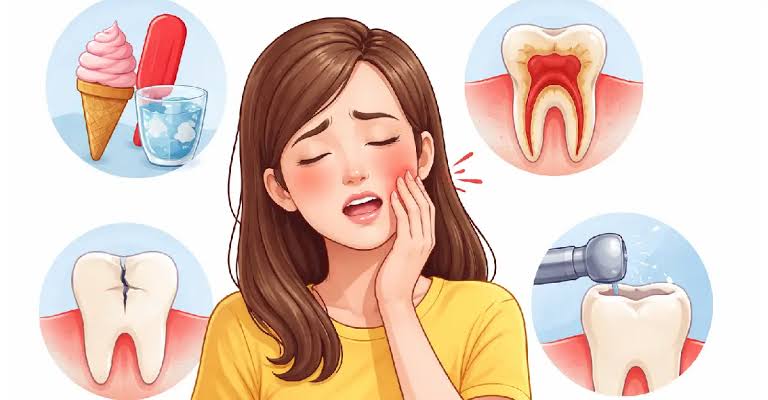
Why do my teeth feel sensitive is one of the most common questions people ask after a sharp jolt of pain from something hot, cold, or sweet. That sudden zing usually means the protective layers of your teeth have been compromised in some way.
Tooth sensitivity, also called dentin hypersensitivity, happens when the inner layer of your tooth becomes exposed to outside triggers. It can come from worn enamel, receding gums, a cracked tooth, or several other everyday habits.
Sensitive teeth means you feel a short, sharp pain in response to certain triggers like cold air, hot drinks, or sweet foods.
This reaction happens because the nerves inside your tooth are being exposed to stimulation they are normally protected from.
In healthy teeth, the enamel and gums act as a barrier. Once that barrier wears down, everyday activities like brushing or eating can suddenly become painful.
Sensitivity can affect one tooth or several teeth at once, and the pain often comes and goes depending on the trigger.
To understand why sensitivity happens, it helps to know the basic structure of a tooth.
The visible part of your tooth, called the crown, is covered by enamel, the hardest substance in the human body.
Below the gum line, a layer called cementum protects the tooth root instead of enamel.
Underneath both layers sits dentin, a softer material filled with tiny tubules that lead directly to the nerve center of the tooth.
When enamel or cementum wears away, these tubules become exposed. Hot, cold, or acidic triggers can then reach the nerve and cause pain.
There are many possible reasons behind tooth sensitivity, ranging from daily habits to underlying dental issues.
| Cause | How It Leads to Sensitivity |
|---|---|
| Enamel erosion | Wears down the protective outer layer, exposing dentin |
| Gum recession | Exposes tooth roots that have no enamel covering |
| Cavities or decay | Creates openings that let triggers reach the nerve |
| Cracked or chipped teeth | Allows bacteria and temperature to reach inner layers |
| Teeth grinding (bruxism) | Gradually wears enamel down over time |
| Teeth whitening products | Can temporarily increase nerve sensitivity |
| Recent dental work | Causes short-term sensitivity while the tooth heals |
| Acidic foods and drinks | Softens and erodes enamel with repeated exposure |
Most cases of sensitivity trace back to one or more of these factors, though the exact cause varies from person to person.
Sometimes sensitivity does not build up slowly. It can appear seemingly overnight, catching people off guard.
Sudden sensitivity is often linked to a specific event, such as biting down on something hard or a recent trip to the dentist.
Chewing on ice is a common trigger, since it can create small cracks in teeth that expose the dentin underneath.
Sinus infections and allergy flare-ups can also cause sudden tooth pain, since pressure from swollen sinuses sits close to the upper back teeth.
Citrus fruits, soda, wine, and even tea can gradually wear down tooth enamel with repeated exposure.
The acid in these foods softens the enamel surface, making it easier to erode through normal chewing and brushing.
Over time, this erosion exposes the dentin layer underneath, which leads directly to increased sensitivity.
Rinsing your mouth with water after acidic foods can help reduce this effect without needing to avoid these foods entirely.
Many people believe that brushing harder cleans teeth more effectively, but this is a common misconception.
Using too much pressure, or brushing with a hard-bristled toothbrush, can wear down enamel and irritate the gums.
Over time, this habit can cause gums to recede, exposing the sensitive root surfaces of your teeth.
Switching to a soft-bristled brush and using gentle, circular motions can protect both enamel and gum tissue.
Healthy gums cover and protect the roots of your teeth, which do not have an enamel layer to shield them.
When gums recede due to disease, aging, or aggressive brushing, those roots become exposed to outside triggers.
Gum disease specifically causes inflammation and infection that can pull gum tissue away from the teeth over time.
This exposed root surface is one of the most common reasons people experience ongoing tooth sensitivity.
A crack or chip in a tooth creates a direct pathway for bacteria, temperature, and pressure to reach the inner nerve.
Even small cracks that are not visible to the naked eye can cause noticeable sensitivity when biting or chewing.
Left untreated, a cracked tooth can worsen over time, sometimes leading to infection or further damage.
Dentists can often repair small cracks with bonding or a crown, which helps reduce the associated sensitivity.
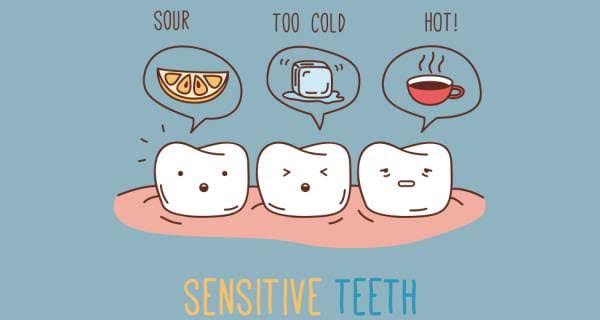
Grinding or clenching your teeth, often called bruxism, puts significant pressure on tooth enamel over time.
This habit frequently happens during sleep, which means many people are unaware they are doing it at all.
Repeated grinding gradually wears down enamel, eventually exposing the dentin layer and causing ongoing sensitivity.
A dentist can recommend a night guard to reduce grinding and protect your teeth from further wear.
Whitening treatments, whether from a dentist or an over-the-counter kit, can temporarily increase tooth sensitivity.
The chemicals used to lift stains can also penetrate the enamel slightly, reaching the nerve endings inside the tooth.
This type of sensitivity is usually temporary and fades within a few days after treatment ends.
If sensitivity from whitening becomes severe or lasts longer than expected, it is worth discussing safer alternatives with your dentist.
A cavity is essentially a hole in your tooth caused by decay, and it can expose the sensitive inner layers.
As decay progresses, it breaks down enamel and dentin, creating a direct path to the nerve inside the tooth.
Sensitivity from a cavity often feels sharper and more localized to one specific tooth compared to general sensitivity.
Left untreated, a cavity will continue to grow, making early treatment important to prevent more serious pain.
It is common to experience temporary sensitivity after a filling, crown, or other dental procedure.
This happens because the tooth and surrounding tissue need time to heal and adjust after the treatment.
In most cases, this type of sensitivity fades within a few days to a couple of weeks.
If sensitivity after dental work persists much longer than expected, it is a good idea to contact your dentist.
The roots of your upper back teeth sit close to your sinus cavities, which can create an unexpected connection.
When sinuses become inflamed due to a cold, infection, or seasonal allergies, the added pressure can affect nearby teeth.
This can cause a dull, widespread sensitivity across several upper teeth rather than pain in just one specific tooth.
Once the sinus issue clears up, this type of tooth sensitivity typically resolves on its own without dental treatment.
Some people are simply more prone to sensitive teeth due to genetic factors passed down within families.
Naturally thinner enamel or a genetic tendency toward gum recession can make certain people more susceptible from a young age.
This does not mean sensitivity is unavoidable, but it does mean extra preventive care may be needed over the years.
If sensitivity runs in your family, mentioning this to your dentist can help guide a more proactive prevention plan.
What you eat and drink on a daily basis plays a major role in how quickly enamel erodes over time.
Foods high in sugar feed the bacteria that produce acid, which then attacks and softens tooth enamel.
Highly acidic drinks, including sports drinks, sodas, and even some flavored waters, can wear down enamel faster than expected.
Choosing water over acidic beverages, and eating calcium-rich foods, can help support stronger enamel and reduce long-term sensitivity.
Tooth sensitivity tends to become more common as people get older, though it can affect people of any age.
Decades of chewing, brushing, and exposure to acidic foods naturally wear down enamel over a lifetime.
Gum recession also becomes more common with age, even in people who have maintained good oral hygiene throughout their lives.
Older adults may need to pay closer attention to sensitivity symptoms, since they can sometimes point to more serious dental issues.
Hormonal changes during pregnancy can affect gum health, sometimes leading to increased tooth sensitivity.
Rising hormone levels can make gums more prone to inflammation, a condition often referred to as pregnancy gingivitis.
This inflammation can cause gums to become tender or slightly recede, which may expose sensitive areas of the tooth.
Maintaining regular dental checkups during pregnancy can help manage these changes before they lead to lasting sensitivity.

It can be difficult to tell whether you are experiencing general sensitivity or a more serious toothache.
Sensitivity typically causes short, sharp pain tied directly to a specific trigger, like a cold drink or sweet food.
A toothache, on the other hand, often involves a constant, throbbing pain that is not dependent on any outside trigger.
If pain lingers well after the trigger is gone, or occurs without any clear cause, it is worth having a dentist take a closer look.
| Feature | Tooth Sensitivity | Toothache |
|---|---|---|
| Pain Duration | Short and triggered | Constant or throbbing |
| Common Trigger | Hot, cold, sweet, or acidic foods | Often no clear trigger |
| Typical Cause | Exposed dentin or worn enamel | Infection, deep decay, or abscess |
| Urgency | Usually manageable at home first | Often requires prompt dental care |
While a dentist visit is always the best long-term solution, a few home habits can offer short-term relief.
Rinsing with warm salt water can help reduce inflammation around the gums and ease mild discomfort.
Using a fluoride mouthwash regularly can help strengthen enamel and reduce the intensity of sensitivity over time.
Avoiding extremely hot, cold, or acidic foods for a short period can also give irritated nerves a chance to calm down.
These remedies are meant to support, not replace, a proper dental evaluation if sensitivity continues or worsens.
There are several common misunderstandings about tooth sensitivity that are worth clearing up.
One myth is that sensitivity always means you have a cavity, when in fact many other causes are just as likely.
Another myth is that sensitive teeth cannot be treated, when in reality most cases respond well to proper care.
Some people also believe brushing harder will remove the sensitivity, when this habit usually makes the problem worse over time.
Tooth sensitivity can show up in a few different ways, depending on the underlying cause.
| Symptom | Common Trigger |
|---|---|
| Sharp, short pain | Cold drinks, ice cream, or cold air |
| Lingering ache | Hot foods or drinks |
| Pain while brushing | Cold water or toothpaste contact |
| Discomfort when biting | Pressure on a cracked or decayed tooth |
| Pain from sweets | Sugar interacting with exposed dentin |
The pattern and intensity of these symptoms can help a dentist narrow down the likely cause.
Occasional mild sensitivity is common and not always a cause for concern on its own.
However, persistent or worsening sensitivity is often a sign of an underlying issue that needs professional attention.
You should schedule a dental visit if sensitivity lasts more than a few days or is limited to just one tooth.
Sudden, severe pain, swelling, or sensitivity following an injury are also signs that you should not wait to see a dentist.
Treatment depends heavily on the root cause of your sensitivity, so a dental exam is usually the first step.
| Treatment | Best For |
|---|---|
| Desensitizing toothpaste | Mild, general sensitivity from enamel wear |
| Fluoride treatments | Strengthening weakened enamel |
| Dental bonding or sealants | Covering exposed dentin or root surfaces |
| Night guard | Sensitivity caused by teeth grinding |
| Root canal | Severe decay or nerve damage |
| Gum graft | Significant gum recession exposing roots |
Most cases improve significantly once the correct treatment is identified and applied consistently.
A few simple habits can go a long way in preventing sensitivity from developing or worsening over time.
Using a soft-bristled toothbrush and gentle brushing technique helps protect both enamel and gum tissue.
Limiting acidic foods and drinks, or rinsing with water afterward, reduces the rate of enamel erosion.
Wearing a night guard if you grind your teeth, and visiting your dentist regularly, can catch problems early before they worsen.
A few consistent daily habits can meaningfully reduce the chances of developing sensitive teeth over the years.
Staying hydrated helps maintain healthy saliva flow, which naturally protects enamel from acid and bacteria buildup.
Chewing sugar-free gum after meals can also stimulate saliva production and help neutralize acids in the mouth.
Regular checkups allow a dentist to catch early enamel wear or gum recession before it develops into noticeable sensitivity.
| Detail | Information |
|---|---|
| Medical Term | Dentin hypersensitivity |
| Main Cause | Exposed dentin from worn enamel or gum recession |
| Common Triggers | Hot, cold, sweet, or acidic foods and drinks |
| Sudden Causes | Cracked teeth, sinus pressure, recent dental work |
| Common Treatments | Desensitizing toothpaste, fluoride, bonding, night guards |
| When to See a Dentist | Sensitivity lasting more than a few days or in one tooth |
Not all toothpaste brands are formulated the same way, and the right choice can make a noticeable difference in comfort.
Desensitizing toothpaste typically contains ingredients like potassium nitrate or stannous fluoride, which work to block pain signals from the nerve.
Consistency matters more than intensity, since these ingredients usually take several days to weeks of regular use to build up a full effect.
Avoiding toothpaste with strong whitening agents or high abrasiveness can also help if sensitivity is already a concern.
Sudden sensitivity is often caused by a cracked tooth, recent dental work, or sinus pressure from allergies or a cold.
It can be. Cavities expose the dentin layer, which often causes sharp, localized pain in one specific tooth.
Yes. Hard brushing wears down enamel and can push gums back, exposing the sensitive root surface underneath.
Whitening products can temporarily increase sensitivity by reaching the nerve endings, but this usually fades within a few days.
Cold air can trigger exposed dentin the same way cold drinks do, especially if enamel has worn thin.
Yes. Gum disease causes gums to recede, exposing tooth roots that have no protective enamel layer.
Yes. Mild sensitivity after a filling is common and typically resolves within a few days to two weeks.
Yes. Grinding wears down enamel over time, eventually exposing dentin and causing ongoing sensitivity.
Desensitizing toothpaste is designed to block pain signals from reaching the nerve and can reduce mild sensitivity.
See a dentist if sensitivity lasts more than a few days, affects one tooth, or comes with swelling or severe pain.
So, why do my teeth feel sensitive? In most cases, the answer comes down to exposed dentin, whether from worn enamel, receding gums, a cracked tooth, or recent dental work.
Sensitivity can also appear suddenly due to sinus pressure, teeth grinding, or acidic foods wearing down your enamel over time. While occasional mild sensitivity is common, persistent or severe pain is usually a sign that something needs professional attention.
The good news is that most causes of sensitive teeth are treatable once identified. Desensitizing toothpaste, fluoride treatments, and simple changes to your brushing habits can make a real difference. If sensitivity lasts more than a few days or keeps coming back, scheduling a visit with your dentist is the best next step toward lasting relief.