
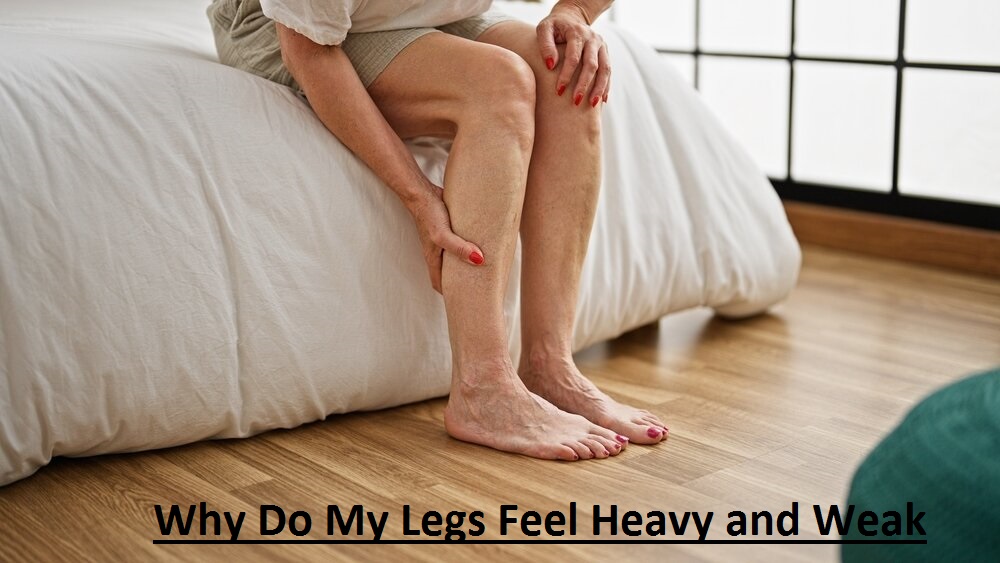
Why do my legs feel heavy and weak — this is one of the most common health questions people search for in 2026. Heavy, tired, or weak legs are more than just an annoyance after a long day.
They can be a signal from your body that something deeper is going on — from poor circulation and vein disease to nerve damage or nutritional gaps.
Understanding the root cause is the first step toward real relief.

Heavy legs and weak legs are two different sensations, but they often occur together.
Heavy legs feel weighed down, like you are dragging sandbags. Weak legs feel like you cannot hold your body weight properly when standing or climbing stairs.
When both sensations happen at once, your body is usually signaling a circulatory, neurological, or muscular problem that needs attention.
| Feature | Heavy Legs | Weak Legs |
|---|---|---|
| Main feeling | Weighted, dragging sensation | Loss of strength or control |
| Common cause | Poor circulation, vein issues | Nerve damage, muscle problems |
| Worse when | Standing or sitting long | Walking, climbing, lifting |
| Better when | Elevating legs | Resting, physical therapy |
| Urgency | Moderate | High if sudden |
Understanding which type you have helps your doctor narrow down the diagnosis much faster.
Chronic venous insufficiency is the number one vascular cause of heavy legs. It happens when the one-way valves inside your leg veins weaken or fail.
Blood then pools in the lower legs instead of returning upward to the heart. This pooling raises pressure inside the veins and makes your legs feel like they are filled with cement by the end of the day.
CVI is more common in people who sit or stand for long periods, are overweight, or are pregnant. Women over 50 are especially at risk.
Signs of CVI to watch for:
Varicose veins are enlarged, twisted veins that sit just under the surface of the skin. They form when vein walls lose elasticity and valves stop working correctly.
Blood pools inside these swollen veins, adding pressure and causing the legs to feel heavy, tender, and fatigued. Varicose veins affect up to 30% of adults at some point in their lives.
Not everyone with varicose veins has visible bulging. Internal vein damage can cause the same symptoms without any visible sign on the skin.
Peripheral artery disease is one of the more serious causes of heavy and weak legs. It occurs when fatty plaque builds up in the arteries, narrowing the pathways that deliver oxygen-rich blood to your leg muscles.
When muscles cannot get enough oxygen, they feel heavy, cramped, and weak — especially during physical activity. This specific type of pain is called claudication.
PAD is strongly linked to smoking, diabetes, high blood pressure, and high cholesterol. Around 20% of people with PAD have no symptoms at all, making regular screening important.
PAD risk factors at a glance:
| Risk Factor | Impact Level |
|---|---|
| Smoking | Very High |
| Diabetes | High |
| High Cholesterol | High |
| High Blood Pressure | High |
| Obesity | Moderate |
| Age over 60 | Moderate |
Deep vein thrombosis is a blood clot that forms in one of the deep veins inside the leg. It can cause sudden heaviness, pain, warmth, and swelling — usually in just one leg.
DVT is a medical emergency because the clot can break off and travel to the lungs, causing a pulmonary embolism. If you have sudden one-sided leg heaviness with pain and swelling, seek emergency care immediately.
Do not attempt to massage or compress a suspected DVT without medical advice.
Spinal stenosis happens when the spinal canal narrows and begins compressing the nerves that run down into the legs. This compression can cause weakness, numbness, and a heavy dragging sensation in both legs.
The condition is most common in adults over 50 and tends to worsen with walking or prolonged standing. Sitting or leaning forward often provides temporary relief.
Lumbar spinal stenosis is frequently misdiagnosed as a circulation problem. An MRI can confirm the diagnosis.
The sciatic nerve runs from the lower back all the way down through the leg to the foot. When it becomes compressed or irritated — by a herniated disc, bone spur, or tight muscle — it can cause radiating pain, weakness, numbness, and a heavy feeling in one or both legs.
Sciatica-related leg heaviness is usually felt on one side only. It is often accompanied by burning or shooting pain down the back of the thigh.
Peripheral neuropathy from diabetes can also cause similar leg symptoms through nerve damage over time.
Restless legs syndrome causes an uncontrollable urge to move the legs, typically at night. Many people describe a pulling, crawling, or heavy sensation before they have to move.
The exact cause is unclear, but research suggests it involves dopamine dysfunction in the brain. RLS has a known genetic component and is more common in women and in people who are iron-deficient.
RLS symptoms improve with movement and worsen during rest or sleep, which is a distinguishing feature from other conditions.
After intense exercise, overworked muscles produce lactic acid as a byproduct. This buildup causes your legs to feel heavy, sore, and sluggish — a sensation familiar to runners and cyclists.
Overtrained muscles do not get enough time to repair before they are used again. The result is persistent heaviness and weakness that does not go away with a single night of rest.
Proper rest days, hydration, and protein intake are critical for muscle recovery and preventing chronic fatigue.
Dehydration reduces blood volume and limits oxygen delivery to your muscles. When muscles are starved of oxygen, they feel heavy and perform poorly.
Low levels of key electrolytes — especially potassium, magnesium, and sodium — interfere with normal muscle contraction and cause cramping, weakness, and fatigue.
Studies on dehydrated individuals showed they perceived their exertion levels as significantly higher, meaning they felt heavier and more exhausted doing the same amount of work.
Iron deficiency is one of the most overlooked causes of tired, heavy legs. Without enough iron, your blood cannot carry adequate oxygen to your muscles.
Vitamin B12 deficiency damages nerves over time and leads to weakness, tingling, and loss of coordination in the legs. Magnesium deficiency causes muscle cramps, tightness, and fatigue.
A simple blood panel can identify these deficiencies and guide targeted supplementation.
Common deficiencies linked to heavy weak legs:
| Nutrient | Effect on Legs |
|---|---|
| Iron | Oxygen deprivation in muscles |
| Vitamin B12 | Nerve damage, tingling, weakness |
| Magnesium | Muscle cramps and fatigue |
| Potassium | Muscle weakness and spasms |
| Vitamin D | Muscle pain and weakness |
Extra body weight places enormous strain on leg veins, arteries, joints, and muscles. The added pressure on blood vessels weakens them over time, leading to varicose veins, blood clots, and circulatory problems.
Obesity is also a major risk factor for CVI, PAD, and spinal stenosis — all of which cause heavy and weak legs. Even a modest reduction in body weight can significantly reduce leg symptoms.
Several commonly prescribed medications can cause leg heaviness and weakness as a side effect. Statins (used to lower cholesterol) are a well-known cause of muscle weakness and pain.
Blood pressure medications, antidepressants, steroids, birth control pills, and hormone therapy can all contribute to leg fatigue and swelling. Always review your current medications with your doctor if you notice new leg symptoms.
Fatigue and leg heaviness are among the earliest and most commonly reported symptoms in multiple sclerosis. MS damages the protective myelin sheath around nerve fibers, disrupting the communication between the brain and the muscles.
Heat and humidity can make MS-related leg fatigue significantly worse. If you experience unexplained leg heaviness alongside vision problems, balance issues, or extreme fatigue, a neurological evaluation is warranted.
Lipedema is a chronic condition involving an irregular buildup of fat, almost always in the legs. It causes disproportionate heaviness, tenderness, and pain in the legs that does not respond well to normal weight loss efforts.
Lipedema is frequently misdiagnosed as general obesity or lymphedema. It is far more common in women and tends to worsen around hormonal changes such as puberty, pregnancy, and menopause.
During pregnancy, the growing uterus places pressure on the major veins in the pelvis. This reduces blood flow back from the legs and causes fluid to accumulate, leading to swelling, heaviness, and fatigue.
Hormonal changes during pregnancy also cause vein walls to relax, making varicose veins more likely. These symptoms usually resolve after delivery, though some women develop lasting CVI.
Some causes of heavy or weak legs are emergencies. Do not wait for a scheduled appointment if you experience any of the following.
These symptoms require emergency care. Call your local emergency number immediately.
Your doctor will begin with a detailed history of your symptoms, lifestyle, and medications. A physical exam will assess muscle strength, reflexes, and range of motion.
Depending on your symptoms, they may order one or more of the following tests:
| Test | What It Detects |
|---|---|
| Duplex Ultrasound | Vein reflux, DVT, blood flow |
| Blood Tests | Anemia, electrolytes, thyroid, B12 |
| MRI or CT Scan | Spinal stenosis, disc herniation, MS |
| Nerve Conduction Study | Peripheral neuropathy, sciatica |
| Ankle-Brachial Index | Peripheral artery disease (PAD) |
| X-Ray | Bone and joint issues |
Getting an accurate diagnosis is critical because the wrong treatment for the wrong cause can make symptoms worse.
Many mild cases of leg heaviness respond well to simple home-based strategies. Try the following approaches consistently before looking for medical options.
Elevate your legs. Raise your feet above heart level for 15 to 20 minutes. This helps blood and fluid drain back toward the heart and relieves that end-of-day cement block feeling.
Move regularly. Avoid sitting or standing in the same position for more than one hour. Calf pumps, ankle circles, and short walks all support blood flow and reduce pooling.
Stay hydrated. Drink enough water throughout the day to maintain blood volume and oxygen delivery to muscles. Aim for at least 8 glasses daily, more if you are active.
Wear compression socks. Graduated compression socks apply gentle pressure that helps pump blood upward from the feet toward the heart. They are particularly useful for people with CVI or varicose veins.
Epsom salt bath. Soaking in a warm bath with Epsom salts provides magnesium through the skin, reduces swelling, and relaxes tight muscles. Add 1 to 2 cups to a warm bath for 20 minutes.
Gentle massage. A 10 to 15 minute massage with warm olive or coconut oil can boost blood flow and ease inflammation in tired legs. Always massage upward toward the heart.
Review your diet. Eat foods rich in iron, potassium, magnesium, and vitamin B12. Include leafy greens, bananas, nuts, seeds, and lean protein. Reduce sodium intake to manage fluid retention.
Quit smoking. The chemicals in cigarettes damage blood vessels and contribute directly to PAD, CVI, and poor circulation. Quitting is one of the most impactful things you can do for your leg health.
When home remedies are not enough, effective medical treatments are available for most causes of heavy and weak legs.
For venous conditions (CVI, varicose veins): Treatment starts with compression therapy and lifestyle changes. Minimally invasive procedures like sclerotherapy, endovenous laser ablation, or radiofrequency ablation close off damaged veins with minimal downtime.
For peripheral artery disease: Lifestyle changes, cholesterol medication, blood thinners, and supervised exercise programs are first-line approaches. Severe cases may require angioplasty or bypass surgery.
For spinal conditions: Physical therapy, anti-inflammatory medications, epidural steroid injections, and in some cases surgery may be recommended depending on severity.
For nutritional deficiencies: Targeted supplementation under medical supervision corrects deficiencies quickly. Iron infusions are available for severe iron deficiency anemia.
For nerve conditions: Medications such as gabapentin or pregabalin manage nerve pain. Physical therapy improves strength and balance. B12 injections are used for severe deficiency.
For MS: Disease-modifying therapies slow progression. Fatigue management strategies and physical therapy help preserve leg function.
Regular, targeted exercise is one of the most effective long-term strategies for reducing leg heaviness and building strength.
Calf raises. Stand at a counter for balance, rise on your toes, hold for two seconds, and lower. Repeat 15 to 20 times. This pumps blood out of the lower legs and strengthens the calf muscles.
Seated knee extensions. Sit in a chair and slowly extend one leg straight, hold for two seconds, and lower. This strengthens the quadriceps and is gentle on the joints.
Ankle circles. Lift one foot off the floor and rotate the ankle in wide circles. This promotes circulation in the lower legs and is especially useful after long periods of sitting.
Short walks. A 10 to 15 minute walk twice daily significantly improves blood flow and reduces the sense of leg heaviness over time. Walking is one of the best exercises for vascular health.
Swimming or cycling. Low-impact aerobic exercise strengthens the cardiovascular system and leg muscles without putting excessive strain on joints or veins.
Long-term relief from heavy and weak legs requires consistent lifestyle adjustments alongside any medical treatment.
Maintaining a healthy weight reduces pressure on your veins, arteries, and joints. Even a 5 to 10% reduction in body weight can noticeably improve leg symptoms.
Staying active throughout the day — not just during formal workouts — keeps blood circulating properly. Set a timer to move every 45 to 60 minutes if you have a desk job.
Sleeping with your legs slightly elevated can reduce overnight fluid buildup, especially helpful for people with CVI or edema.
Limit alcohol consumption, as alcohol causes dehydration and dilates blood vessels in a way that can worsen leg swelling.
Occasional leg heaviness after a long day is usually not a concern. But persistent, worsening, or unexplained symptoms deserve medical evaluation.
See a doctor if your legs feel heavy or weak most days, if symptoms are getting worse over time, if you have noticeable swelling or skin changes, or if home remedies have not helped after two to three weeks.
Early diagnosis leads to better outcomes for almost every condition that causes heavy and weak legs.
Persistent symptoms most commonly point to chronic venous insufficiency, peripheral artery disease, nerve issues, or nutritional deficiencies. A medical evaluation with blood work and vascular testing will identify the cause.
Yes. Dehydration reduces blood volume and oxygen delivery to muscles, making legs feel significantly heavier and more fatigued than normal.
It can be. If one leg suddenly feels heavy, swollen, warm, and painful, this may indicate deep vein thrombosis. Seek emergency care immediately.
Heaviness specifically during walking is a hallmark symptom of peripheral artery disease or spinal stenosis. Both conditions reduce oxygen supply to the leg muscles during activity.
Yes. Deficiencies in iron, B12, magnesium, potassium, and vitamin D all contribute to muscle weakness, fatigue, and a heavy sensation in the legs.
Nighttime leg heaviness is often caused by fluid that has accumulated throughout the day in the lower legs. Restless legs syndrome and chronic venous insufficiency are also common nighttime contributors.
Yes. Anxiety causes muscle tension, altered breathing, and changes in blood flow that can create a heavy or shaky sensation in the legs. This is a real physical response, not imagined.
In some cases, yes. Heart failure can cause fluid to back up into the legs, causing significant swelling and heaviness. If leg symptoms come with shortness of breath or fatigue, see a doctor promptly.
Elevate your legs above heart level, drink water, wear compression socks, and take a short walk. These four actions address the most common immediate causes of leg heaviness.
Go immediately if you experience sudden weakness or paralysis in one leg, loss of bladder or bowel control, or if weakness comes alongside chest pain, facial drooping, or slurred speech.
Why do my legs feel heavy and weak is a question that can have many answers — from something as simple as dehydration or overtraining to something as serious as a blood clot or peripheral artery disease.
The key is paying attention to the pattern, the timing, and any other symptoms that accompany the heaviness or weakness. Most causes are treatable when caught early.
Start with simple home remedies like hydration, elevation, compression, and movement. If symptoms persist, worsen, or come on suddenly, reach out to a healthcare professional without delay.
Your legs carry you through life — understanding what they are telling you is one of the most important things you can do for your long-term health in 2026.