
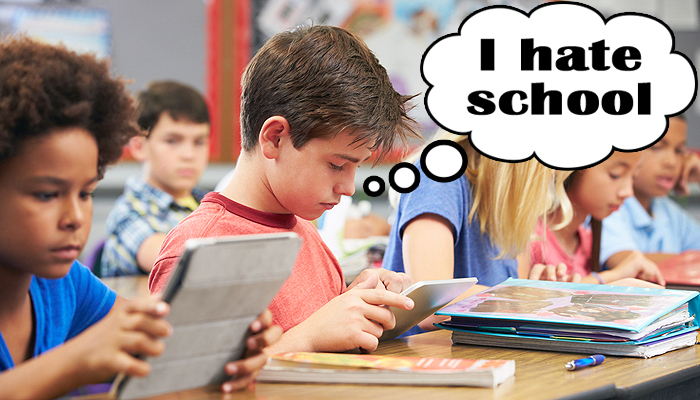
Why do kids hate school is a question millions of parents ask every morning during the daily battle to get their child out the door.
The reality is that school aversion is not simply laziness or bad attitude. It is a real, complex emotional response rooted in academic pressure, social struggles, mental health challenges, rigid systems, and environments that do not match how many children actually learn.
In 2026, school refusal is rising, and understanding the true reasons behind it is the first step toward helping your child. This guide breaks down every major cause, warning sign, and practical solution — in plain language for parents.
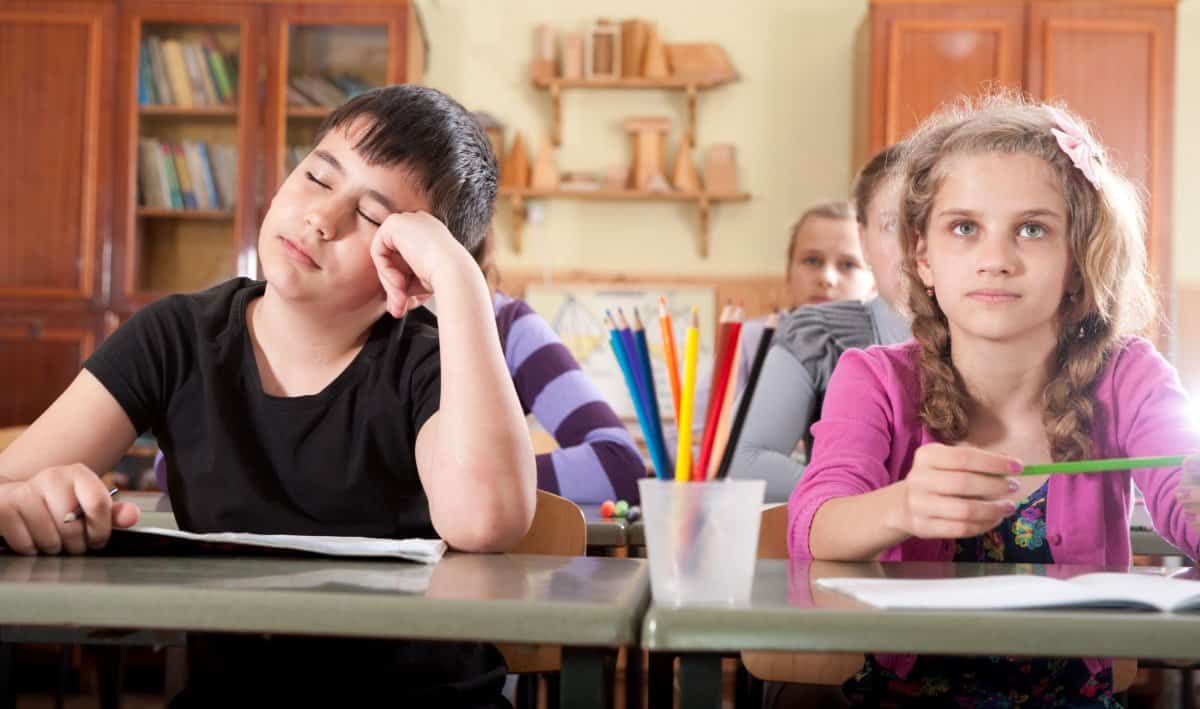
The short answer is yes — to a degree. Most children will complain about school at some point. It is a normal part of growing up.
But there is a line between occasional grumbling and genuine school aversion. Research from the National Institutes of Health (NIH) indicates that as many as 28% of children experience school avoidance, most commonly between ages 10 and 13 and during school transitions.
When a child says “I hate school” every single day, fakes illness, has meltdowns at drop-off, or refuses to get out of the car — that is a signal worth taking seriously. The underlying cause matters enormously, and it is rarely just one thing.
There is no single answer. The causes are layered, personal, and often invisible to the adults around the child. Below are the most well-documented reasons, drawn from psychology, education research, and real-world parent experiences.
The pressure to perform academically is one of the most widespread reasons kids develop negative feelings about school. High expectations from parents, teachers, and the students themselves create a constant state of anxiety.
Many children live in fear of getting a wrong answer, failing a test, or disappointing an adult they care about. Over time, school stops feeling like a place to learn and starts feeling like a place to be judged.
This is especially acute in middle and high school, where grades carry weight for college applications and future outcomes. For some children, that pressure feels impossible to carry.
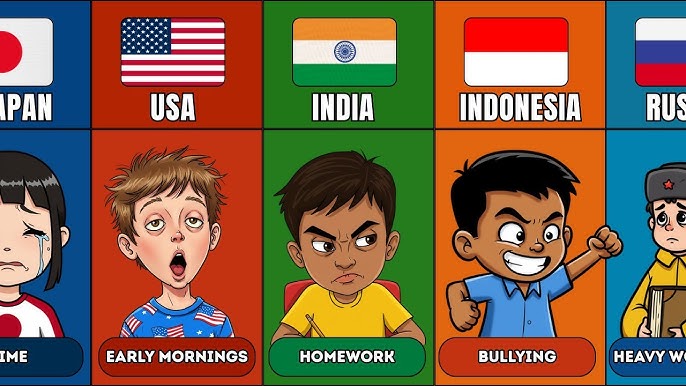
Bullying is one of the most powerful drivers of school hatred and school refusal. According to recent studies, nearly one in five students between the ages of 12 and 18 reports being bullied at school.
Bullying comes in many forms — physical, verbal, relational (social exclusion), and increasingly cyberbullying through social media and messaging apps. The rise of digital interaction means the harassment no longer stops when the school day ends.
Children who are bullied experience anxiety, depression, lowered self-esteem, and academic decline. For many, school becomes synonymous with fear. Vulnerable groups — children with disabilities, LGBTQ+ youth, and racial minorities — face disproportionately higher rates of targeted bullying.
Children are naturally curious. When that curiosity is met with repetitive, one-size-fits-all instruction, boredom sets in fast. Many children who say they hate school are not struggling — they are unchallenged.
Public school curricula are often designed for breadth rather than depth. Topics are covered quickly, without room to explore what genuinely interests a student. When a child cannot see the real-world relevance of what they are learning, disengagement follows.
Research from Psychology Today confirms that teachers who frame learning as a mandate — “this will be on the test” — actively undermine student motivation. Kids need to understand why something matters, not just that it does.
The relationship between a child and their teacher is one of the strongest predictors of a child’s attitude toward school. A teacher who is cold, dismissive, or unfair can make a child dread walking into that classroom every day.
This does not mean teachers are to blame for everything. Many are stretched thin, managing 25 or more children with wildly different needs and minimal support. But from a child’s perspective, feeling unseen, misunderstood, or punished unfairly is demoralizing.
Positive, empathetic, and enthusiastic teaching can transform a child’s entire experience of school. When that chemistry is missing, resentment builds quickly.
Many children who appear to hate school are actually struggling silently with undiagnosed learning disabilities or neurodevelopmental differences. Conditions like ADHD, dyslexia, dyspraxia, auditory processing disorder, and executive function challenges make the traditional classroom environment genuinely exhausting.
Imagine spending every school day doing something that is extremely hard for your brain — and then being told to go home and do more of it as homework. That is the daily reality for a child with an undiagnosed learning difference.
The Kids Mental Health Foundation notes that school avoidance is frequently linked to undiagnosed learning disabilities. Without proper support, these children internalize failure and grow to associate school with helplessness.
Social anxiety is a clinical condition that goes far beyond shyness. For children with social anxiety, the thought of speaking in front of the class, eating in a crowded cafeteria, or navigating peer dynamics is genuinely terrifying.
According to a 2025 national survey, 42% of children who missed school cited not feeling physically well enough — but experts note that many of these physical symptoms (stomachaches, headaches, nausea) are direct manifestations of anxiety, not physical illness.
Depression, generalized anxiety disorder, panic disorder, and OCD can all manifest as school refusal. The Child Mind Institute stresses that in these cases, letting a child stay home actually makes the anxiety worse over time, not better.
School schedules are built for institutional efficiency, not child wellbeing. Children sit still for hours, raise their hand to speak, move between subjects on a bell, and have very little say in how they spend their time.
For many children — especially those who are creative, introverted, or neurodivergent — this level of restriction is genuinely overwhelming. It suppresses their natural communication instincts and removes any sense of personal agency.
Adolescents are particularly impacted. Research shows that teens need nine to ten hours of sleep per night, yet most get only six and a half to seven and a half hours due to early school start times. Chronobiology shows that hormonal changes naturally shift teenagers’ internal clocks forward by one to two hours — making early morning school biologically difficult, not a matter of laziness.
Homework is one of the most universally disliked parts of school life. After spending six or more hours in a classroom, being required to do additional academic work at home feels like an extension of a job with no end.
For younger children especially, the homework-versus-playtime tension is real and damaging. Play is not frivolous — it is how children process their day, develop creativity, and build emotional regulation skills.
When homework is excessive, boring, or disconnected from meaningful learning, it breeds resentment. And when that resentment builds night after night, it becomes generalized hatred of school itself.
The modern school system is heavily focused on standardized testing. Curriculum is shaped around it, teachers are evaluated by it, and students feel the weight of it from an early age.
Many children who otherwise enjoy learning hit a wall when test season begins. The pressure, the timed format, the high stakes, and the one-dimensional measurement of intelligence all contribute to anxiety and burnout.
Standardized tests often fail to capture what a child is actually capable of. A child who builds extraordinary structures with LEGO, writes complex stories, or understands social dynamics brilliantly will not always perform well on a fill-in-the-bubble exam — and they know it.
The physical environment of school matters more than most people realize. Classrooms with harsh fluorescent lighting, constant noise, crowded hallways, and little downtime are genuinely difficult for many children to function in.
Children with sensory sensitivities, autism spectrum conditions, or high anxiety are particularly affected. What feels normal or manageable to one child may be genuinely overwhelming to another.
Beyond sensory overload, some children experience school as emotionally unsafe — because of bullying, because they do not see themselves represented in the curriculum or staff demographics, or because they have experienced discrimination.
Separation anxiety is most common in younger children starting school for the first time, but it can occur at any age — particularly after illness, a major life change, or a school transition.
Children with separation anxiety are not being manipulative. They genuinely believe something bad will happen to their parent while they are away, or that they will not be able to cope without them.
The Child Mind Institute cautions that well-meaning parents who allow anxious children to stay home are inadvertently strengthening the anxiety. The more avoidance is reinforced, the more the anxiety grows.
Children do not switch off from their home lives when they walk through the school gate. Financial hardship, family conflict, instability, illness of a parent, or domestic tension all follow a child into the classroom.
A child who is worried about whether there will be food at home, or who was awake listening to arguing parents the night before, cannot simply focus on long division. Their nervous system is in survival mode, not learning mode.
Teachers and schools that are unaware of a child’s home circumstances may misread distraction, withdrawal, or acting out as behavioral issues rather than responses to stress.
Knowing the difference between normal complaining and genuine school aversion helps you respond appropriately.
| Warning Sign | What It May Indicate |
|---|---|
| Faking illness regularly (stomachaches, headaches) | Anxiety or school avoidance |
| Crying or melting down at drop-off | Separation anxiety, social fear |
| Refusing to talk about school | Bullying, shame, or social distress |
| Declining grades without academic explanation | Depression, learning disability, bullying |
| Withdrawing from friends and activities | Depression or social anxiety |
| Frequent visits to the school nurse | Physical manifestation of anxiety |
| Aggression or irritability in the evenings | Pent-up stress from school day |
| Requesting to change classes or schools | Teacher conflict, bullying |
| Sleep problems on school nights | Anxiety about the next day |
| Refusing to attend entirely (school refusal) | Clinical anxiety, serious bullying, or depression |
Persistent school aversion is not just an inconvenience — it has real, measurable consequences for a child’s future if left unaddressed.
Academically, children who disengage from school fall behind their peers. Chronic absenteeism compounds quickly, and catching up becomes increasingly difficult.
Mentally, research consistently shows that students who feel unsupported or bullied are significantly more likely to develop clinical anxiety and depression. These conditions, if untreated in childhood, often persist into adulthood.
Socially, children who withdraw from school miss critical windows for developing friendship skills, conflict resolution, and emotional intelligence. Social isolation in childhood is a known risk factor for a wide range of adult mental health challenges.
Long-term, students who develop a negative relationship with education are less likely to pursue higher education and more likely to struggle with employment and self-esteem in later life.
Parents are not powerless. There are concrete, evidence-based steps you can take to help a child who hates school.
When your child says they hate school, resist the urge to immediately offer reassurances or solutions. Listen. Validate their feelings. Ask open-ended questions: “What part feels the hardest?” or “Is there anything that made today feel bad?”
Children who feel heard are far more likely to open up about the real issue. Children who are immediately told “school is important, you have to go” shut down.
Email the teacher — not a rushed conversation at pickup — and describe what you are observing at home. Ask for their perspective. Good teachers want to help and often have insights that parents do not.
If there is a specific issue like bullying or classroom dynamics, the teacher needs to know. If the issue involves the teacher themselves, escalate to the school counselor or principal.
If your child consistently struggles with reading, writing, attention, or organization despite genuine effort, request a formal evaluation through the school’s special education team or a private educational psychologist.
An accurate diagnosis opens the door to accommodations, specialized instruction, and strategies that can transform the school experience. Many children describe getting their diagnosis as a relief — finally understanding why school felt so hard.
Help your child see learning as something that happens everywhere, not just in a classroom. Cook together and talk about chemistry. Watch documentaries about history. Let them teach you something they are interested in.
When learning feels exciting and connected to real life at home, the gap between home joy and school dread narrows.
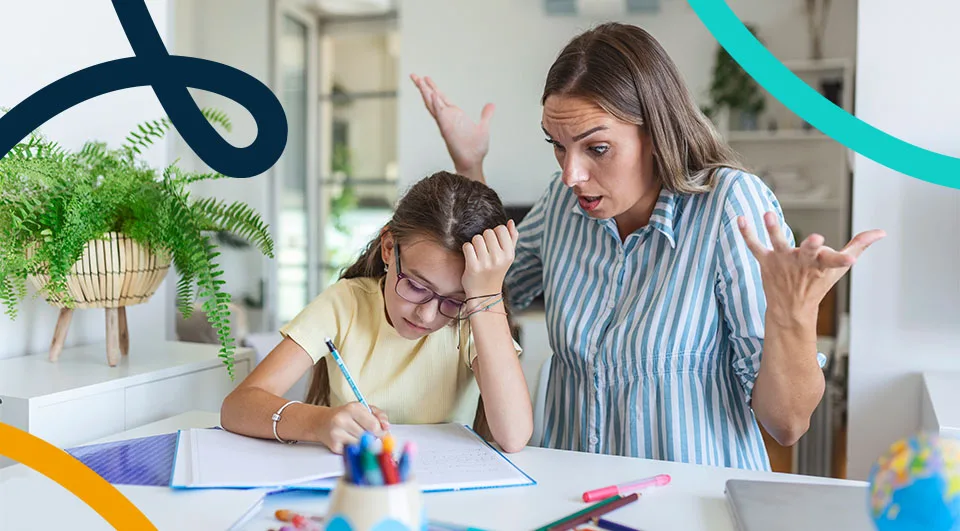
If your child shows signs of clinical anxiety, depression, or trauma-related school avoidance, a licensed child psychologist or therapist should be involved. Cognitive Behavioral Therapy (CBT) is the gold-standard, evidence-based treatment for school-related anxiety.
The earlier professional support is sought, the better the outcomes. Do not wait for a crisis.
| Age Group | Common Reasons for Hating School | Key Signs |
|---|---|---|
| Ages 4–6 (Pre-K, Kindergarten) | Separation anxiety, overstimulation, new environment | Clinging, crying, stomach complaints |
| Ages 7–10 (Elementary) | Academic frustration, friendship problems, homework | Complaints about specific subjects, not wanting to talk about school |
| Ages 11–13 (Middle School) | Bullying, social hierarchy, identity stress, puberty | Social withdrawal, secrecy, mood changes |
| Ages 14–18 (High School) | Performance pressure, sleep deprivation, future anxiety | Academic disengagement, skipping, anxiety, depression |
The responsibility does not fall entirely on parents and children. Schools play a critical role in creating environments where kids want to be.
Trauma-informed teaching acknowledges that many students are navigating difficult home situations. Teachers trained in this approach create classrooms where every child feels safe.
Personalized learning recognizes that not every child learns the same way. Flexible pacing, multiple ways to demonstrate knowledge, and choice in how students engage with content all increase buy-in.
Anti-bullying programs backed by real consequences and consistent follow-through — not just poster campaigns — reduce the incidence of bullying significantly.
Later school start times for middle and high school students are supported by decades of research. Schools that have made this change see improved attendance, academic performance, and mental health outcomes.
Inclusive curriculum that reflects the diversity of students — in terms of race, culture, family structure, and ability — makes every child feel they belong.
For some children, the traditional school environment may simply not be the right fit — at least not at a particular stage of their life.
Homeschooling offers complete flexibility in curriculum, pacing, and learning style. It works well for families with the time and resources to commit, and for children who thrive in one-on-one or small-group learning.
Online school combines structured curriculum with the ability to learn from home, at a pace that suits the student. This is particularly beneficial for children with social anxiety, chronic illness, or disabilities.
Alternative schools with smaller class sizes, project-based learning, or Montessori or Waldorf philosophies often work well for children who feel alienated by traditional environments.
None of these options are giving up. They are recognizing that education is not one-size-fits-all.
A sudden change in attitude toward school often signals something specific has happened — a new bully, a conflict with a teacher, a social fallout with friends, or the onset of anxiety. Talk to your child and contact the school for information.
Occasional tears, especially at the start of a new year or after a holiday break, are normal. Daily crying or extreme distress at drop-off is a sign of separation anxiety or a deeper school-related problem that needs attention.
School refusal is driven by fear or anxiety about school — not a desire to avoid responsibility. Truancy is driven by a preference for other activities. School refusal is a mental health issue; truancy is a behavioral one.
Start by listening and identifying the specific cause. Address the root issue — whether it is social, academic, or emotional. Build positive associations with learning at home, stay connected with teachers, and seek professional help if anxiety or depression is involved.
Yes. A poor teacher-student relationship is one of the most commonly cited reasons for school aversion. If your child consistently complains about a specific teacher, take it seriously, investigate, and advocate for a resolution or a class change if needed.
Signs include frequent stomachaches or headaches on school mornings, excessive worry about school performance, sleep difficulties the night before school, clinging behavior, reluctance to discuss school, and avoiding school-related activities.
In most cases, no. Allowing consistent avoidance strengthens anxiety and makes return to school harder. Short-term accommodation can help in a genuine crisis, but the long-term goal should always be returning to school with appropriate support in place.
Boredom often signals a mismatch between the curriculum and the child’s pace or interests. Talk to the teacher about differentiation, enrichment, or challenging activities. At home, connect learning to your child’s genuine interests to rebuild enthusiasm.
Research shows school aversion peaks during transitions — starting school, moving to middle school, and starting high school. Ages 10 to 13 see the highest rates of school avoidance, but it can develop at any age.
Seek professional help if school avoidance lasts more than a few weeks, if your child shows signs of depression or clinical anxiety, if physical symptoms are recurring without medical cause, or if the situation is affecting family functioning. A pediatric psychologist is the right starting point.
Why do kids hate school? As this guide makes clear, there is never just one answer. Behind every child who dreads Monday morning is a unique combination of academic pressures, social struggles, emotional challenges, environmental mismatches, or unmet learning needs.
The question parents and educators need to ask is not “how do I make my child go?” but “what is making school feel impossible for them right now?”
Listening without judgment is always the first step. Connecting with teachers, school counselors, and — when needed — mental health professionals is the path forward. School does not have to be a place children endure.
With the right support, the right environment, and adults who genuinely pay attention, it can become a place where children discover who they are and what they are capable of. That outcome is worth fighting for — for every child, in every classroom.