
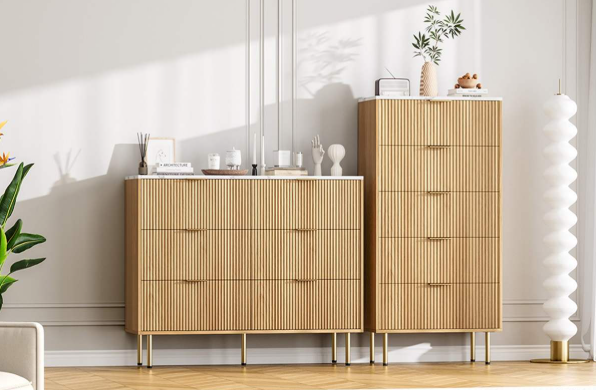
Interior design is more than just arranging furniture; it’s about creating spaces that are functional, visually appealing, and reflective of personal style. Among the many tools interior designers use, cabinets and chests play a crucial role in shaping interiors. These versatile pieces not only provide essential storage but also act as design statements that complement a room’s overall aesthetic. From modern minimalist apartments to classic family homes, these storage solutions are indispensable elements in professional interior design.
Designers often rely on these pieces because they address practical needs while enhancing visual harmony. They seamlessly blend functionality and style, making them a favorite choice in various settings. Whether it’s a sleek, contemporary cabinet or a rustic wooden chest, these elements help organize spaces efficiently while adding layers of texture and interest.
One of the primary reasons interior designers prioritize storage furniture is their ability to maximize space. Homes and offices often face the challenge of clutter, and smart storage solutions are essential to maintain a clean, organized look. A well-designed storage cabinet with adjustable shelves, drawers, and compartments allows for efficient organization of items ranging from books and electronics to kitchenware and personal belongings.
Chests, particularly those with deep interiors, provide additional storage without consuming excessive floor space. Designers often use them in living rooms, bedrooms, and even hallways to store items discreetly while keeping them accessible. By strategically placing these pieces, designers can optimize available space, ensuring every corner serves a purpose without appearing overcrowded.
Storage furniture contributes significantly to the aesthetic appeal of a room. Interior designers use cabinets and chests to introduce style, color, and texture, creating a visually cohesive environment. Key ways they enhance aesthetics include:
Through careful selection, these pieces balance the room’s visual weight while subtly enhancing its style.
In interior design, defining functional zones is crucial, especially in open-concept spaces. They help create clear boundaries between areas without the need for walls. For example, a low cabinet can separate a dining area from a living room while providing storage for both zones.
Chests can delineate zones in bedrooms, such as placing a chest at the foot of the bed to separate sleeping and dressing areas. By organizing functional zones, designers ensure that each area serves its intended purpose efficiently, improving overall flow and usability.
Hidden storage is an elegant solution that interior designers frequently implement. Such furniture products can conceal items like electronics, linens, or seasonal decorations, keeping spaces uncluttered. Designers often choose chests with lift-up lids or cabinets with concealed compartments to maintain clean lines and minimalistic aesthetics.
This approach is particularly useful in small apartments or multi-functional rooms where visible storage could disrupt the design. By incorporating hidden storage, interior designers achieve a balance between practicality and visual appeal, making spaces appear larger and more organized.
Cabinets and chests are highly versatile, suitable for multiple rooms. Interior designers leverage this adaptability to maintain cohesive design throughout a home:
This versatility ensures that a single design approach can be applied across different areas, streamlining both storage and décor strategies.
Storage furniture is ideal for reinforcing specific interior themes. Designers often use them to echo the room’s style or create a contrasting focal point. Some ways they support themes include:
By matching these pieces to the theme, designers ensure a cohesive visual narrative that enhances the overall interior concept.
Visual balance is essential in any well-designed space. A well-placed storage cabinet can stabilize the visual weight of a room by grounding furniture arrangements or filling empty spaces. Large cabinets can balance tall furniture or wall art, while low chests prevent a room from feeling top-heavy.
Designers also use symmetrical arrangements of cabinets or pairs of chests to create harmony. By considering scale, proportion, and placement, these pieces help maintain equilibrium, ensuring that no part of the room dominates or feels neglected.
High-quality storage solutions can boost the value of a property. Well-designed cabinets and chests appeal to potential buyers because they combine function with style. Built-in cabinets or custom-designed chests often become standout features that differentiate a home in the market.
Interior designers consider long-term value when selecting these pieces, opting for durable materials and timeless designs. This strategic investment not only improves daily living but also enhances resale potential, making them a smart design choice.
Space constraints present challenges that interior designers address creatively. They offer compact storage solutions that maximize functionality without overwhelming small rooms. Vertical cabinets, corner chests, and multi-purpose pieces are especially effective in apartments, studios, or tiny homes.
These storage solutions allow designers to maintain an uncluttered, open feeling while accommodating necessary items. Clever placement, such as under beds or against unused walls, ensures that small spaces remain both functional and visually pleasing.
Storage furniture is excellent for expressing individual personality within a space. Interior designers use them to reflect clients’ tastes and lifestyles:
By integrating these pieces thoughtfully, designers help homeowners showcase their identity through interior décor.
One of the strongest reasons designers rely on storage furniture is their dual role as both functional and decorative elements. A beautifully designed storage cabinet can store items efficiently while enhancing room aesthetics. Chests can serve as coffee tables, benches, or display surfaces, making them multi-purpose additions.
This combination of utility and style ensures that every piece contributes to the overall design story. Interior designers value this synergy, as it allows them to optimize space, reduce clutter, and maintain a cohesive, visually engaging environment.
Cabinets and chests are essential tools in the interior designer’s toolkit. They provide practical storage, define functional zones, enhance aesthetics, and reflect personal style. Their versatility and adaptability make them suitable for nearly every room, while hidden storage solutions and strategic placement create organized, harmonious spaces.
Ultimately, the reliance on these storage solutions stems from their ability to merge form and function seamlessly. By choosing the right materials, designs, and placements, interior designers transform ordinary pieces into integral components of a well-designed, visually stunning home. These pieces not only serve daily practical needs but also elevate interiors, proving their indispensable role in modern design.