
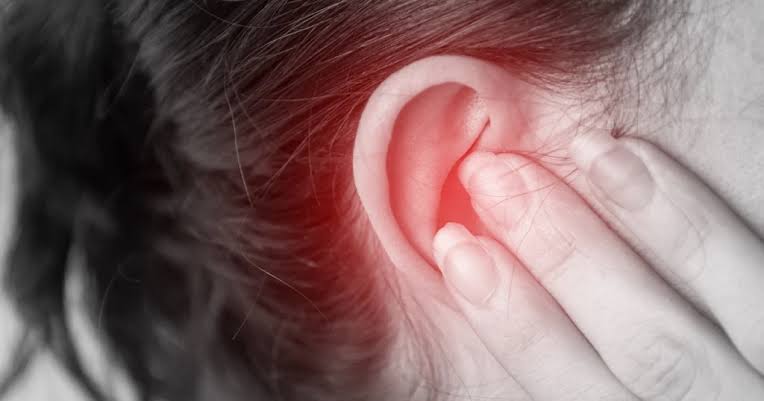
Why Do I Keep Getting Ear Infections? If you’ve had more than two or three ear infections in the past year, you’re not imagining a pattern.
Recurring ear infections almost always trace back to a specific, fixable root cause — most often Eustachian tube dysfunction, unmanaged allergies, chronic sinus problems, or an anatomical quirk that keeps fluid from draining properly.
Most repeat ear infections happen because the Eustachian tube — the small canal that drains fluid from the middle ear into the throat — isn’t clearing fluid properly. When that tube stays inflamed or blocked from allergies, colds, sinus infections, or its own shape, trapped fluid becomes a breeding ground for bacteria and viruses, and the infection cycle repeats.

Your middle ear connects to the back of your throat through the Eustachian tube, which does two jobs: it equalizes air pressure and drains fluid your ear naturally produces. When that tube swells shut or gets clogged with mucus, fluid has nowhere to go. Trapped fluid creates a warm, moist environment where bacteria and viruses multiply, and that’s what turns into a painful middle-ear infection, medically called otitis media.
A single infection is usually just bad luck — a cold that spread to the ear, for example. A pattern of infections means something is repeatedly blocking that drainage pathway, and finding that something is the key to breaking the cycle.
This is the single most common reason behind repeat infections. Inflammation from colds, allergies, or sinus issues can impair how well the tube opens and drains, and some people are simply more prone to it than others.
Allergic inflammation swells the tissue around the Eustachian tube opening, which blocks normal drainage and lets fluid pool behind the eardrum. If your infections cluster around pollen season or after exposure to dust and pet dander, allergies are a strong suspect.
Sinus infections and upper respiratory illnesses inflame the same tissue that lines the Eustachian tube. Anyone who catches frequent colds or deals with chronic sinus congestion is more likely to see that inflammation spread to the ears.
Some people naturally have a Eustachian tube that’s narrower, shorter, or sits more horizontally than average. This shape makes fluid drainage less efficient regardless of how healthy the rest of the ear is, and it’s a common reason certain adults are simply infection-prone for life.
Tobacco smoke irritates the respiratory tract and the tissue lining the Eustachian tube, weakening the ear’s natural defenses and making infections more likely and harder to shake.
A compromised immune system, whether from an underlying condition, medication, or chronic illness, makes it harder for the body to clear the bacteria or viruses that cause ear infections before they take hold.
People with diabetes and those with chronic skin conditions like eczema or psoriasis face a higher baseline risk of ear infections, likely tied to changes in skin barrier function and immune response.
Frequent swimming, especially without drying the ears afterward, introduces bacteria into the ear canal and can trigger outer ear infections (swimmer’s ear) that sometimes get mistaken for or lead into middle-ear issues.
Inserting cotton swabs or other objects into the ear canal can damage the delicate skin, push wax deeper, and disrupt the ear’s natural self-cleaning and defense mechanisms, raising infection risk over time.

| Feature | Middle Ear Infection (Otitis Media) | Outer Ear Infection (Swimmer’s Ear) |
|---|---|---|
| Location | Behind the eardrum | Ear canal |
| Common cause | Blocked Eustachian tube, colds, allergies | Water exposure, trapped moisture |
| Typical pain | Deep, throbbing ear pain | Pain when touching or pulling the outer ear |
| Hearing effect | Muffled hearing, fullness | Muffled hearing if canal is swollen shut |
| Fever | Common | Less common |
| First-line treatment | May resolve on its own or need oral antibiotics | Antibiotic or antifungal ear drops |
General guidance points to seeing a specialist if you have three or more ear infections in a year, or if fluid behind the eardrum lingers for more than three months. Other signals it’s time for a referral include symptoms that don’t improve with oral antibiotics or ear drops, a hole or damage found in the eardrum, infections that return after previous ear surgery, or any hearing loss that isn’t going away.
Three or more infections within a year, or four within six months, is generally the point at which doctors consider it recurrent and recommend a specialist evaluation.
Yes. Allergic inflammation swells the Eustachian tube opening, blocking normal fluid drainage and creating the conditions for infection, which is why many people notice a seasonal pattern.
New allergies, chronic sinus issues, smoking, changes in your environment, or an undiagnosed anatomical factor can all trigger adult-onset recurring infections even without a childhood history.
Many mild infections improve on their own within a few days, and doctors often recommend a short observation period before prescribing antibiotics, since not every infection is bacterial.
Yes. Sinus inflammation shares tissue and drainage pathways with the Eustachian tube, so chronic sinusitis frequently contributes to repeat ear infections.
It can happen if one Eustachian tube is naturally narrower or if congestion tends to settle more on one side, though there’s no single universal reason.
Chronic stress can suppress immune function over time, which may make it harder for your body to clear infections quickly, though it’s rarely the sole cause.
No. While ear tubes are more common in children, adults with chronic or treatment-resistant infections are also good candidates for the same procedure.
Excessive earwax alone doesn’t usually cause infection, but pushing wax deeper with cotton swabs can trap moisture and bacteria against the eardrum.
Colds inflame the nasal passages and throat, and that inflammation frequently extends to the Eustachian tube, setting up the same blockage-and-fluid cycle that leads to infection.
Frequent swimming without properly drying the ears afterward can lead to repeated outer ear infections, especially in humid climates or pools with heavy bacterial load.
Yes. Tobacco smoke, including secondhand smoke, irritates the same respiratory lining that affects Eustachian tube function, and smokers and those around smokers see higher infection rates.
Common tests include an otoscope exam to look at the eardrum, tympanometry to check middle ear function, and sometimes a hearing test or imaging if a structural cause is suspected.
Left untreated over time, chronic otitis media can damage the eardrum or middle ear structures and lead to lasting hearing changes, which is why persistent cases shouldn’t be ignored.
No. Many cases improve significantly once the underlying trigger, such as allergies or sinus disease, is properly treated; surgery like ear tubes is typically reserved for cases that don’t respond to other treatment.
Recurring ear infections are your body’s way of flagging a drainage problem that isn’t being addressed.
In most cases, the fix isn’t another round of antibiotics — it’s identifying whether allergies, sinus disease, smoking, or anatomy is behind the pattern and treating that directly.
If you’re hitting three or more infections a year, book an evaluation with an ENT rather than waiting for the next one.