
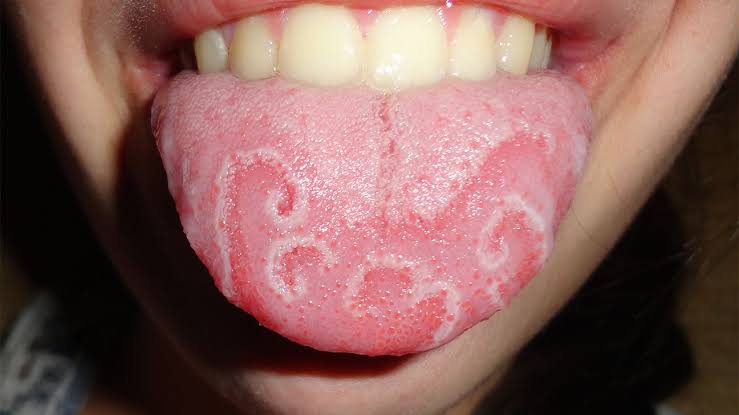
Why Do I Have a White Bump on My Tongue? A white bump on your tongue can appear overnight and catch you off guard. Most causes are harmless and clear up within a week or two on their own.
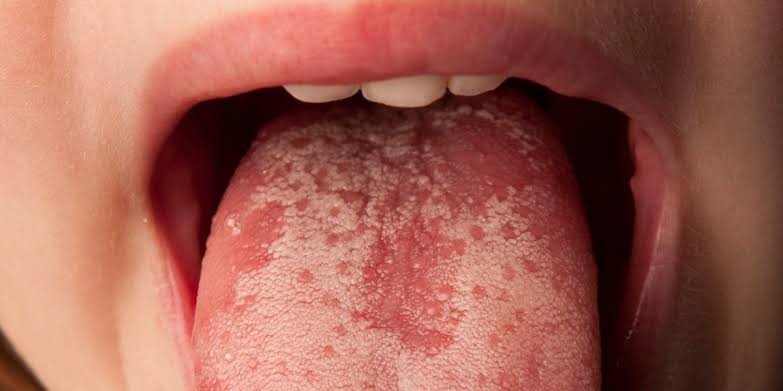
A white bump is most often the tongue’s papillae reacting to irritation, injury, or infection. It can also be a canker sore, a patch of thrush, or in rare cases something that needs a biopsy.
The look, location, and duration of the bump usually point to the cause.
This is the most common cause of a sudden white bump on the tongue. It happens when a papilla becomes inflamed from spicy food, stress, or minor trauma.
Lie bumps are painful but usually disappear within one to two days.
Canker sores show up as a white or yellow center surrounded by a red, inflamed border. They are not contagious and often heal within one to two weeks.
Stress, acidic foods, and minor injury are common triggers.
Oral thrush creates creamy white patches that look like cottage cheese and can be scraped off. It is a fungal infection linked to a weakened immune system or recent antibiotic use.
Scraping the patch may leave a sore, red surface underneath.
Leukoplakia causes thick white patches that cannot be wiped away. It is often linked to smoking, chewing tobacco, or long-term irritation from dentures.
A small percentage of cases can be precancerous, so a dentist should monitor it.
This chronic condition causes lacy white patches on the tongue, cheeks, or gums. It is related to immune system activity rather than infection.
Flare-ups can come and go over months or years.
A smooth, pale bump caused by repeated biting, rough teeth, or ill-fitting dentures. It is benign but can grow larger if the irritation continues.
Cold sores, hand-foot-mouth disease, and certain other viruses can cause white or red bumps on the tongue. These often come with other symptoms like fever or sores elsewhere in the mouth.
Oral cancer and syphilis can occasionally cause a white or discolored bump on the tongue. These are uncommon, but a bump that grows, bleeds, or does not heal needs prompt medical evaluation.
| Cause | Look | Pain Level | Typical Duration |
|---|---|---|---|
| Lie bumps | Small red/white raised spot | Moderate | 1–2 days |
| Canker sore | White center, red border | Moderate to high | 7–14 days |
| Oral thrush | Creamy white, scrapable | Mild to moderate | 1–2 weeks with treatment |
| Leukoplakia | Thick, non-scrapable patch | Usually painless | Weeks to months |
| Oral lichen planus | Lacy white pattern | Mild to moderate | Chronic, comes and goes |
| Irritation fibroma | Smooth, firm bump | Painless | Persists until irritation stops |

| Waiting It Out | Seeing a Doctor |
|---|---|
| Works for most minor, painless bumps | Needed if the bump lasts over 2 weeks |
| Saves an unnecessary appointment | Confirms diagnosis with an exam or biopsy |
| Risk of missing a serious cause | Faster treatment for infections like thrush |
| Best for bumps under 7 days old | Best for bumps that grow, bleed, or hurt |
See a professional if the white bump lasts longer than two weeks, feels hard or thickened, or does not scrape off. Pain when swallowing, unexplained bleeding, or a lump in the neck are also reasons to get checked promptly.
Persistent leukoplakia and any fast-growing bump should always be evaluated.
Sudden bumps are usually lie bumps caused by irritated papillae. Spicy food, stress, or minor trauma are the most common triggers.
No. Most bumps are harmless and resolve within one to two weeks without treatment.
Yes. Stress is a known trigger for both lie bumps and canker sores.
Oral thrush looks creamy white and can usually be scraped off, leaving a red surface underneath.
Leukoplakia is thick and cannot be scraped off, while thrush patches wipe away more easily.
No. Scraping or popping it can cause bleeding and delay healing.
It is rare, but a bump that grows, bleeds, or does not heal within two weeks should be checked by a doctor.
Most lie bumps disappear within one to two days without treatment.
Some causes, like oral thrush and cold sores, can be contagious. Lie bumps and canker sores are not.
Warm salt water rinses, avoiding spicy foods, and gentle brushing can speed up healing.
Yes. Antibiotics can disrupt the natural balance of bacteria and yeast, leading to oral thrush.
Inflamed papillae and canker sores are sensitive to acidic, salty, or spicy foods, which increases pain while eating.
Poor hygiene can contribute to bacterial buildup and irritation, increasing the risk of bumps and sores.
If it lasts longer than two weeks, feels hard, or does not scrape off, schedule a dental or medical exam.
Yes. Smoking and tobacco use are major risk factors for leukoplakia.
Yes. Kids commonly get lie bumps, canker sores, and viral infections like hand-foot-mouth disease.
Yes. A reaction to food, toothpaste, or mouthwash can trigger localized swelling or bumps.
Canker sores appear inside the mouth and are not contagious, while cold sores are viral and usually appear near the lips.
Yes. Ill-fitting dentures can create ongoing irritation that leads to an irritation fibroma or leukoplakia.
A single white bump on your tongue is rarely a reason to panic, since most cases clear up within one to two weeks. Pay attention to how long it lasts, whether it hurts, and if it scrapes off easily.
If your white bump on the tongue lingers, grows, or bleeds, see a dentist or doctor for an accurate diagnosis. This article is for general information only and is not a substitute for professional medical or dental advice.